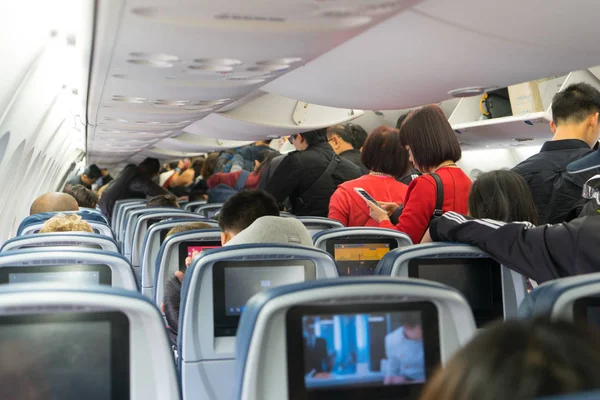
Air travel asks a lot of strangers in a very small space. A flight can place hundreds of people shoulder to shoulder for hours, which means minor habits quickly feel much bigger than they would on the ground. That is why airplane etiquette matters. From boarding delays to shared armrests, the most frustrating behaviors are often the ones passengers treat as insignificant, even though they affect nearly everyone nearby.
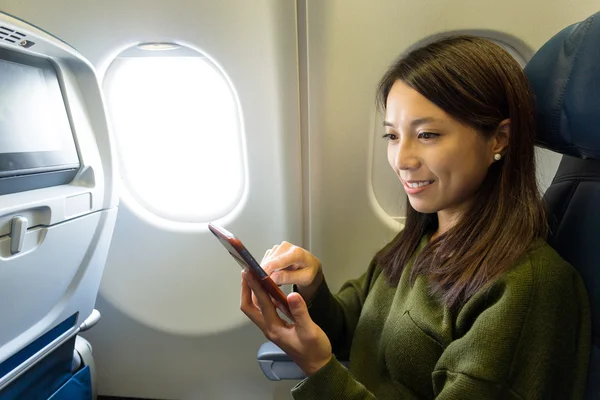
1. Playing audio out loud
Few habits turn a cabin tense faster than forcing other people to listen to videos, music, games, or speakerphone calls. Several flight attendants cited headphones as a basic courtesy, and one attendant told Yahoo Lifestyle, “Whether you’re five or fifty-five, if you’re watching something on your device, wear headphones.” In a cabin already filled with engine noise, repeated announcements, and conversation, personal audio becomes public disruption the moment it leaves the device speaker.
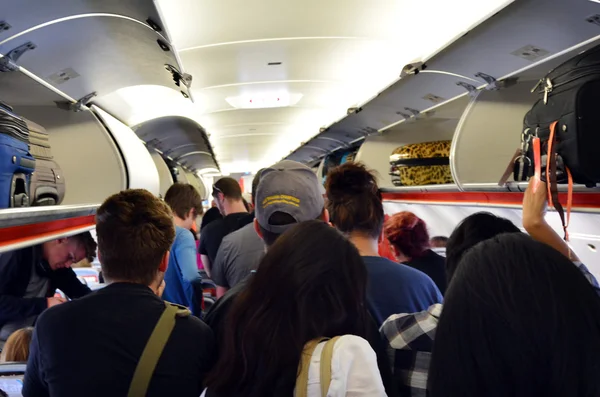
2. Blocking the aisle during boarding
Boarding moves best when passengers step into their row, place a bag quickly, and sit down. The slowdown starts when someone stops in the aisle to reorganize a backpack, remove items, or debate where everything should go while a line builds behind them. Flight attendants repeatedly flag this as one of the easiest ways to hold up an entire plane, especially when essentials could have been packed within reach before boarding began.
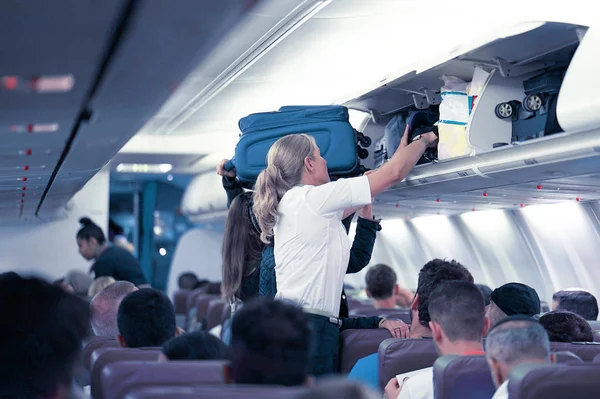
3. Using overhead bins without thinking about everyone else
Overhead space works only when passengers use it efficiently. Bags shoved into faraway bins, items sticking out, or oversized carry-ons that clearly do not fit all create a chain reaction for the rest of the cabin. One survey summary cited 39% of respondents saying oversized bags were among the most annoying passenger behaviors. The frustration is not just about space. It also slows boarding, creates confusion during landing, and can leave other travelers hunting for room far from their seats. A crowded cabin feels even more crowded when storage turns into a free-for-all.
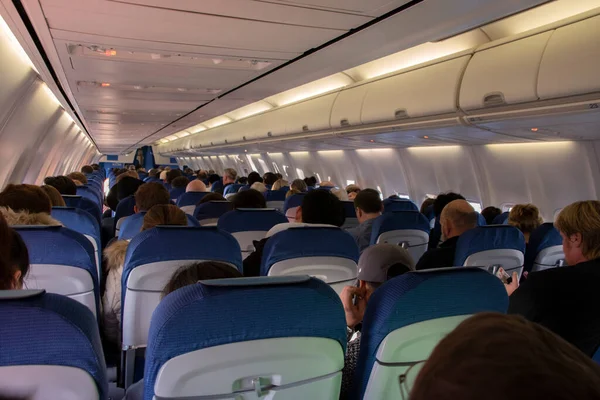
4. Reclining abruptly
Seat recline remains one of flying’s most argued-over gray areas. Seats are designed to recline, but the manner matters. A sudden backward jolt can hit a tray table, close a laptop, or crowd someone who already has very little room. Economy seating has also tightened over time, with seat pitch in economy shrinking to around 30 inches on average, which helps explain why the issue feels so personal. Easing back slowly and checking behind first does not solve the space problem, but it usually prevents the moment from becoming a conflict.
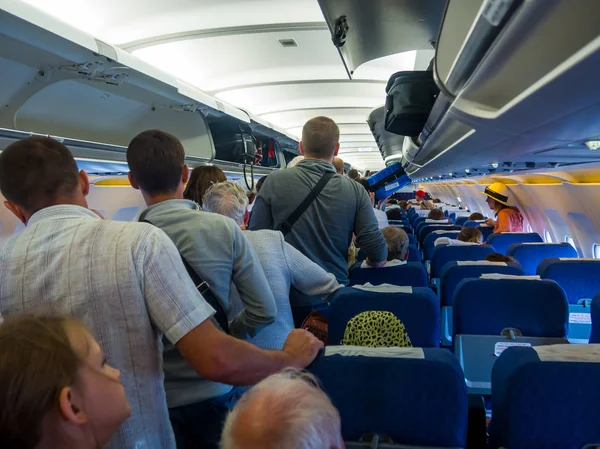
5. Kicking, pulling, or grabbing the seat in front
Passengers often notice seat kicking immediately, but pulling on a headrest while sitting down or standing up can be just as aggravating. The person in front feels every tug. Flight attendants interviewed about reclining etiquette noted that grabbing the seat ahead is a frequent trigger for arguments, because it literally jerks another passenger’s body and space. In a confined row, repeated contact reads as carelessness, not balance.
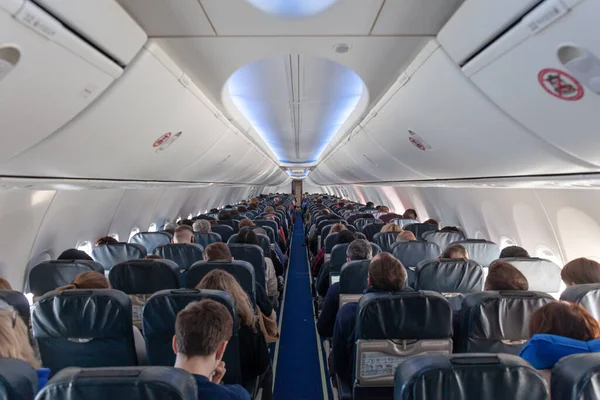
6. Treating armrests like private property
Shared seating comes with unwritten rules, and armrests are near the top of the list. The most widely accepted version is simple: the middle seat gets both armrests. That convention exists because the middle seat has the fewest advantages and the least personal space. Ignoring that balance may seem small, but on a long flight it can become a quiet, ongoing irritation that lasts for hours.
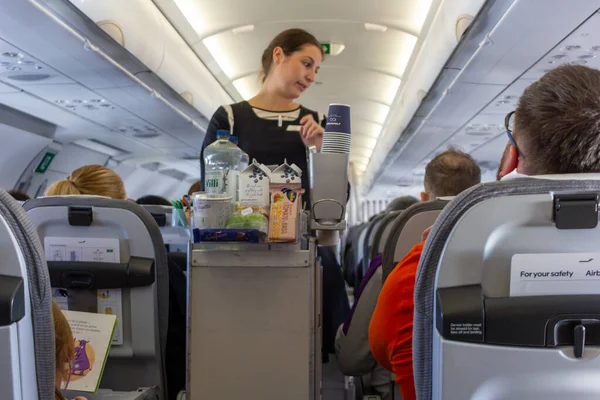
7. Letting smells take over the row
Strong odors travel badly on a plane because no one can really escape them. Reheated leftovers, heavily scented oils, bare feet in shared space, and in-seat grooming all create a sensory problem that extends well beyond one seat. An Expedia etiquette study highlighted by Medical Economics found that 56% of passengers were bothered by pungent smells. In such a sealed environment, scent is not a private choice for long.
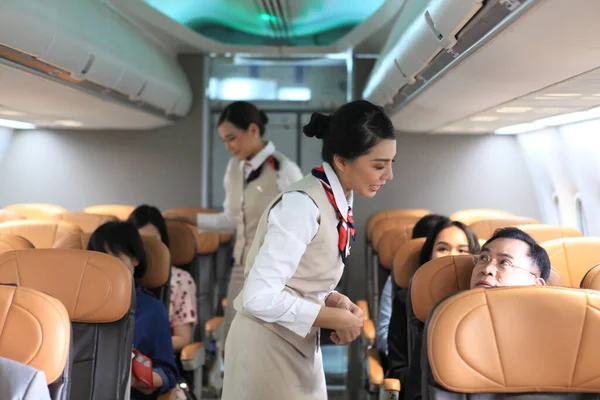
8. Ignoring the crew during service or safety instructions
Headphones in, eyes on a screen, no acknowledgment when a crew member asks a question: flight attendants say this slows service and adds unnecessary friction. One former flight attendant told Yahoo Lifestyle, “It’s incredibly frustrating when you have to repeat yourself three times to the one passenger who won’t take off their headphones.” The same principle applies during safety demonstrations and takeoff instructions. The crew is not asking for attention as a formality; they are trying to move the cabin safely and efficiently.
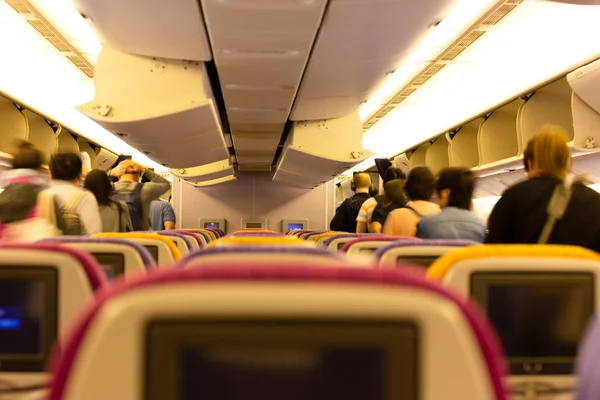
9. Rushing to stand and deplane out of turn
The instant the seatbelt sign turns off, many passengers spring into the aisle even when their row is nowhere near the exit. That habit rarely gets anyone off meaningfully faster, but it does crowd the aisle, block other travelers, and create tension at the end of the flight. Standard deplaning etiquette is row by row, which keeps movement predictable and gives people ahead room to retrieve their belongings without pressure from behind.
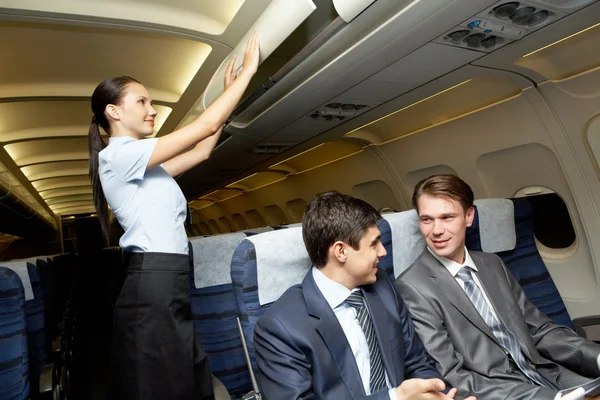
10. Forcing conversation or ignoring social cues
Some passengers welcome a chat. Many do not. Flight attendants note that seatmates may be tired, anxious, working, or dealing with something private, and that makes reading the room essential. A survey cited by Medical Economics found that 78% of passengers prefer to keep to themselves during a flight. Friendly interaction is not the problem; refusing to notice disinterest is.
The most reliable rule of airplane etiquette is awareness. Nearly every frustration on this list comes from forgetting that a plane is shared space, not private territory. Passengers do not need perfect manners to make a flight better. They usually just need to move a little faster, listen a little more carefully, and take up a little less room in ways that affect everyone else.