
Classic cars have a funny way of getting people’s attention. Sure, sometimes the price tag looks reasonable, and the design gets your attention, making it seem as though owning a piece of automotive history is within reach. It is. But once you close the garage door, some classic cars will show you the other side of the story that involves specialized repairs & parts. Here are ten classic cars that became expensive regrets.
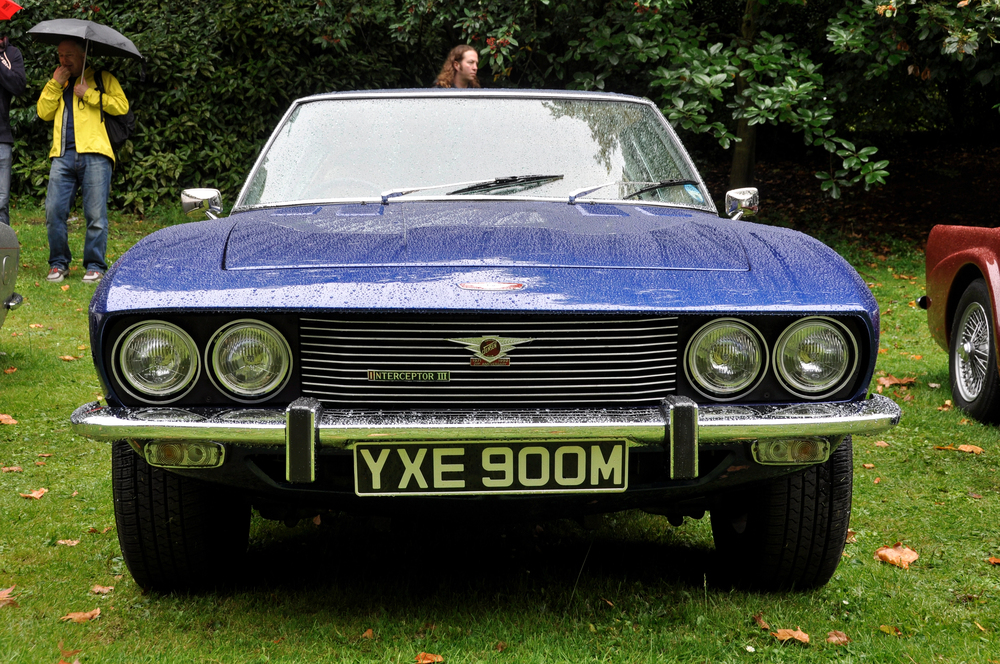
1. Jensen Interceptor
Honestly, the Jensen Interceptor surprises a lot of people. It’s a mix of British styling & American muscle, packed into a car that uses a Chrysler V8 engine for strong performance. Better yet, the car’s mechanical parts are rather simple compared to its European rivals. But it’s not all good news. The bodywork apparently created a lot of problems, according to automotive writer Richard Calver.
Older models corroded quite easily around the chassis and lower body panels, which is hardly something you can restore cheaply. The amount of chrome trim, leather & interior woodwork you’d need to restore an older Jensen Interceptor makes it quite expensive. Sure, the engine may stay reliable, but the costs of the body restoration make it seem entirely insignificant.
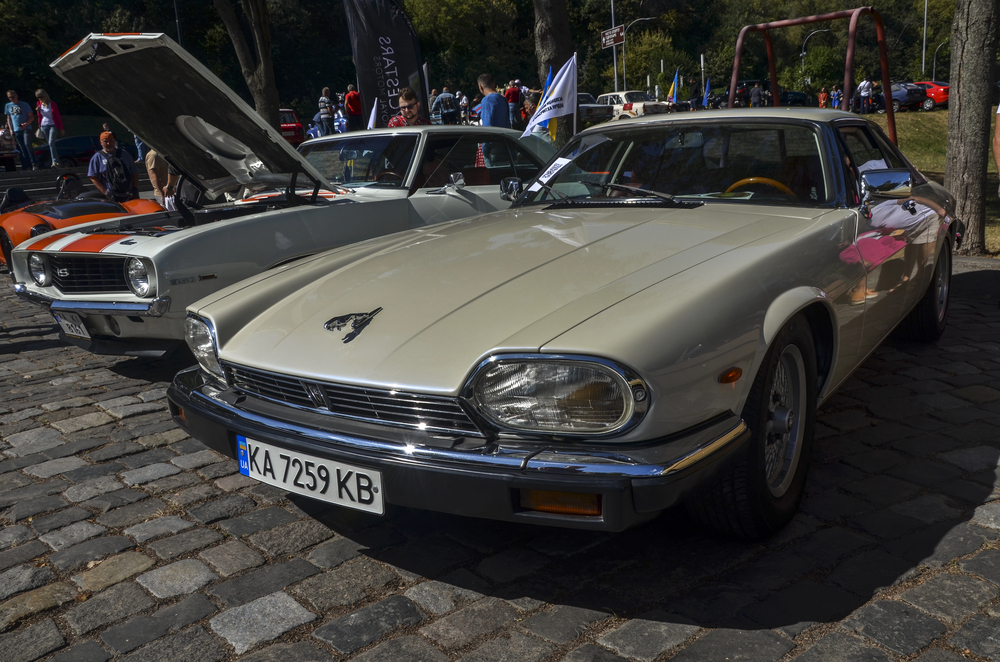
2. Jaguar XJ-S
The Jaguar XJ-S was a car that appeared during the mid-1970s, and it looked like a dream, thanks to that long hood & quiet riding experience. Let’s not forget about the world-famous V-12 engine. But issues started appearing once these cars aged.
These came mostly from the fact that the XJ-S carried over the V-12 design from the E-type era, including the careful cooling & regular servicing requirements. Neglecting the cooling system often leads to overheating and expensive engine repairs. Rust is another problem. As such, the price of purchasing a Jaguar XJ-S is nothing compared to the cost of total ownership.
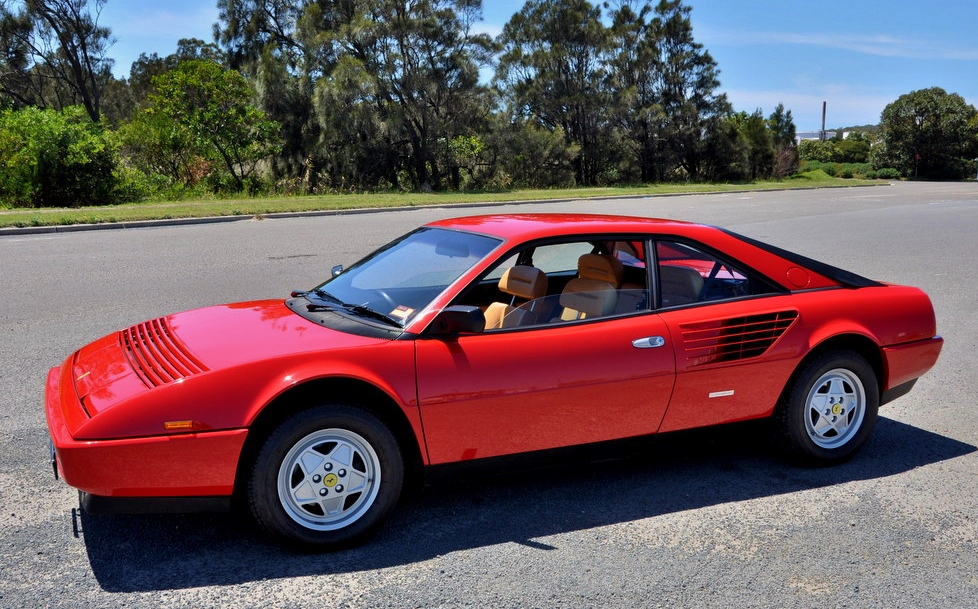
3. Ferrari Mondial
You’d be forgiven for thinking that Ferrari’s Mondial seems like a practical Ferrari, especially since it came out during a time when those didn’t really exist. The Mondial has four seats and fairly decent luggage space. It also has a much lower entry price than most other Ferrari models, which is why it attracted so many buyers. But there’s another side to the story.
Ferrari expert Keith Bluemel stated that the Mondial’s maintenance can be as tiresome as the maintenance of other Ferraris from the same period, particularly in terms of engine service. The car’s electrical components are another issue. They apparently developed a reputation for trouble after numerous issues with the window motors & interior systems. Even routine maintenance could require mechanics to have engine access that cost customers more in labor.
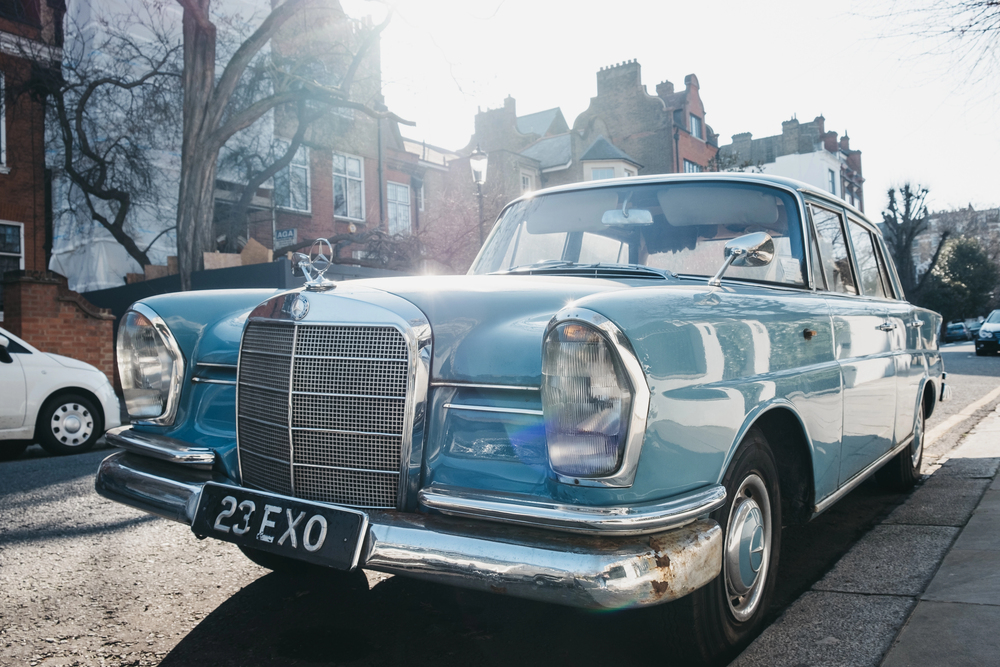
4. Mercedes-Benz 600
There are very few luxury cars that have reached the level of engineering skill of the Mercedes-Benz 600, first introduced in 1963. It quickly became famous because of its hydraulic systems that powered practically everything in the car. You name it, windows, seats, trunk, or sunroof, almost all the car’s mechanics are powered by the hydraulics.
The 600’s hydraulic system runs at a much higher rate than most automotive systems, at around 150 bar of pressure. When the seals or lines wear out, repairs become extremely specialized and, as you might’ve guessed, expensive. It doesn’t matter that the car still impresses collectors today because the restoration work rivals the car’s value.
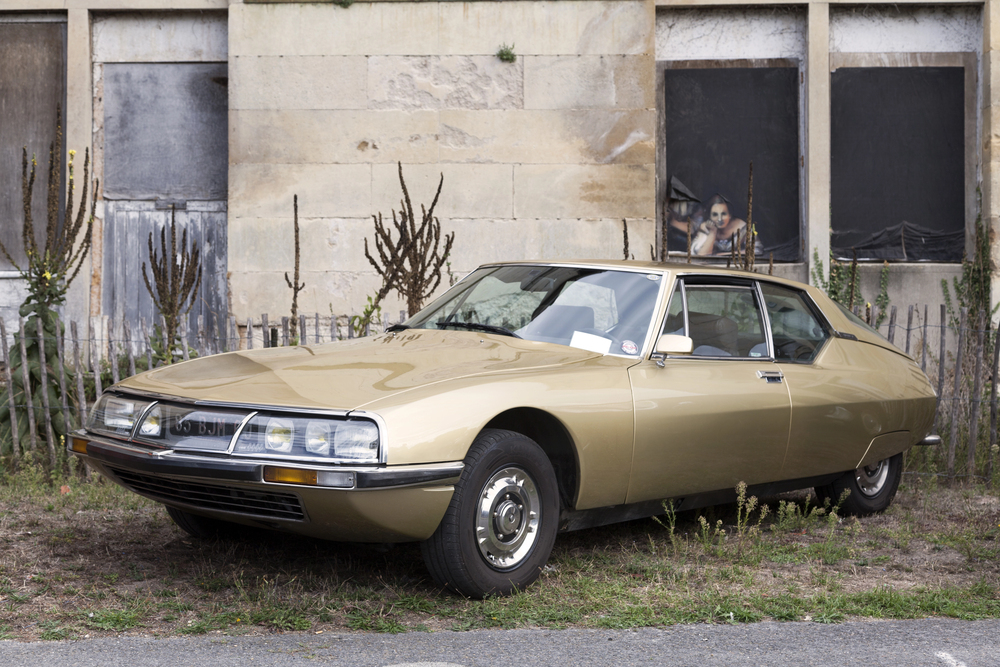
5. Citroën SM
The Citroën SM debuted in 1970 and was a car that didn’t look like anything else on the road, thanks to its futuristic design. It had engineering ideas underneath the hood that felt rather experimental for the time. It was a combination of Citroën’s hydraulic suspension system with a Maserati-built V6 engine, and the hydraulics controlled the suspension as well as the steering & braking system.
It even operated the directional headlamps that turned with the steering wheel. But despite being impressive, the sheer complexity of the system meant that only specialists were able to repair it. They were the only ones familiar with Citroën’s hydraulic systems. As such, many owners had to fork out for some expensive repair bills for their classic car.
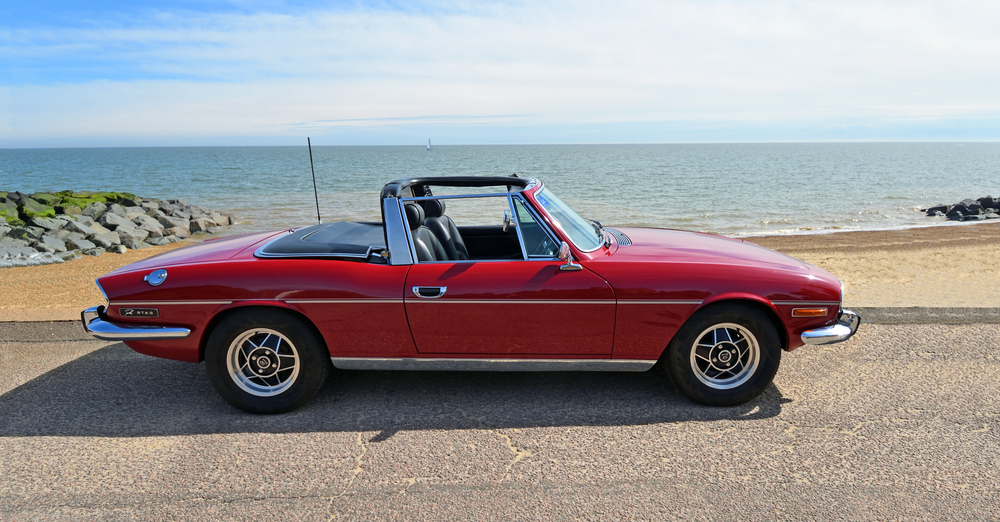
6. Triumph Stag
Sure, it’s easy to picture yourself driving along a coastal road in a Triumph Stag with the top down. It had the look of a relatively relaxed grand touring convertible, mostly thanks to Giovanni Michelotti’s Italian styling. It quickly became one of Triumph’s recognizable models. Unfortunately, the car’s Triumph V8 engine created all manner of problems because it struggled with cooling issues.
According to the automotive marketplace Hemmings, the overheating engine sometimes caused cylinder heads to warp and timing chains to fail. It also had issues with the water pump. As a result, many owners were forced to completely replace the original engine with Rover V8 models instead so that they could keep the car on the road reliably.
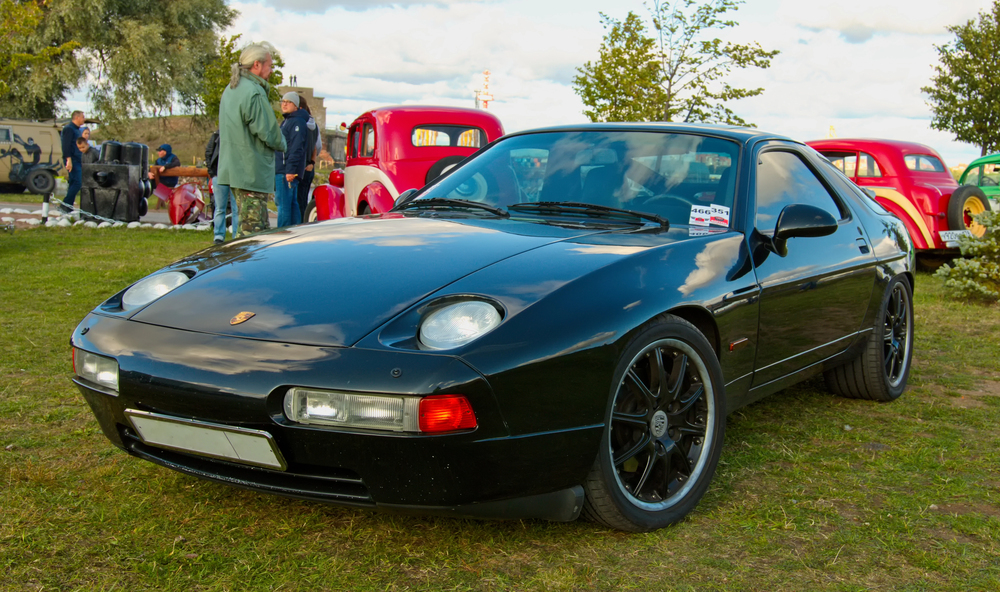
7. Porsche 928
It was during the late 1970s that Porsche introduced the 928 as a possible successor to the 911. After all, the car was fast & comfortable, packed with engineering that was quite modern for the time. It also had a front-mounted V8 that was rather different from Porsche’s traditional rear-engine layout. The company was experimenting with a new direction. But perhaps too much.
Decades later, buyers realized that the car’s maintenance schedule was far more challenging than they first expected, mainly because the timing belts had to be replaced so often. It was the same situation with the water pumps, which had to be swapped out every five years or 60,000 miles. It’s not like you could skip doing these things, either. Ignoring them could lead to major engine damage that would swiftly make that affordable purchase into something far more serious.
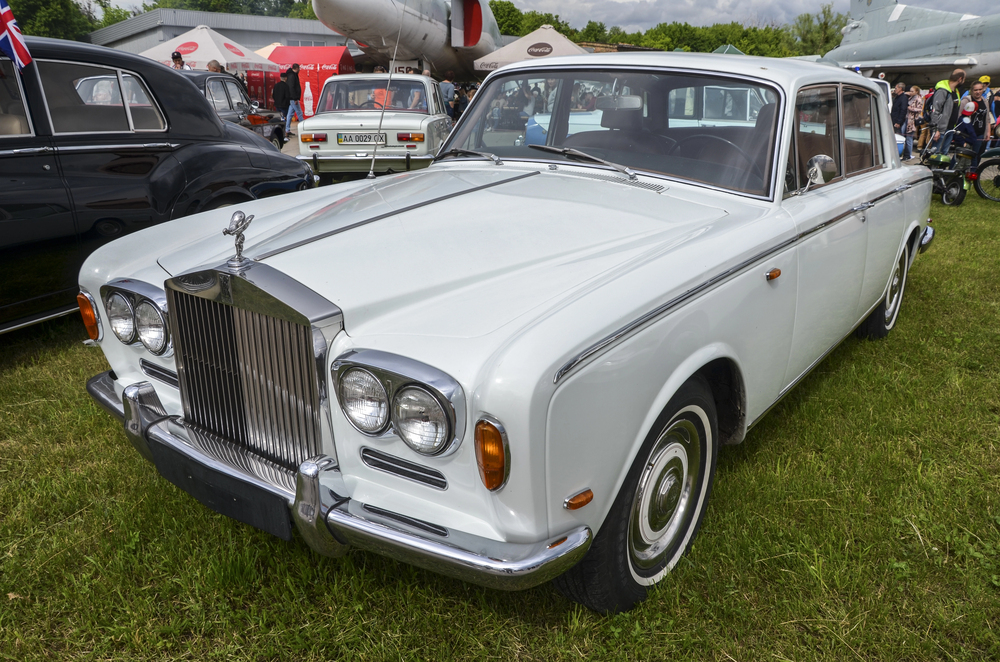
8. Rolls-Royce Silver Shadow
By far, the Rolls-Royce Silver Shadow is one of the company’s most recognizable vehicles, especially compared to earlier cars. The 1965 model introduced modern styling & independent rear suspension in ways that had almost never been seen before. Sadly, the vehicle left a lot to be desired with its braking system, mostly due to it being a high-pressure hydraulic system inspired by Citroën.
The system works through accumulators and pumps that need a lot of careful maintenance. Replacing worn parts doesn’t come cheap, nor is it easy, so while the cars tend to enter the used markets with low purchase prices, the brake system often requires significant restoration work. It doesn’t seem worth it.
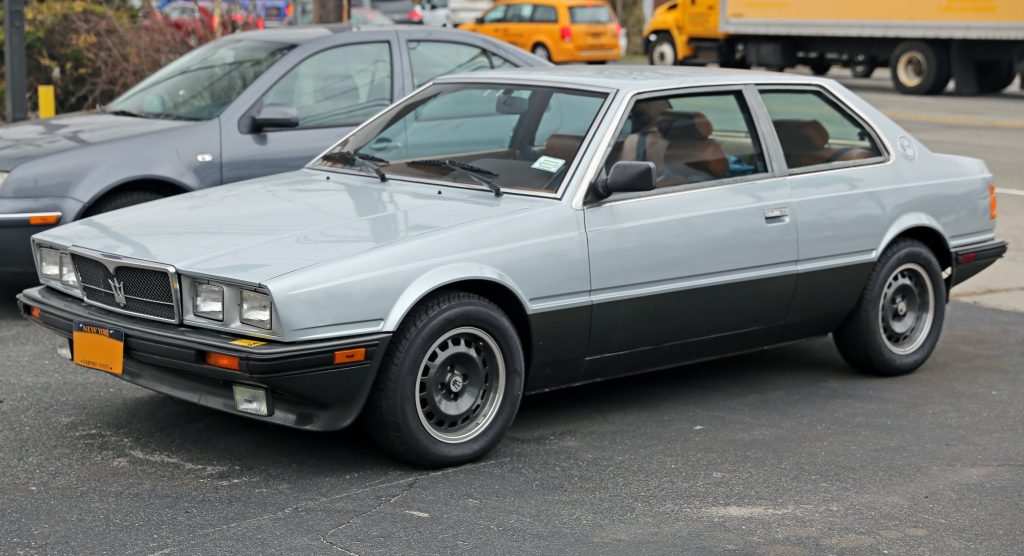
9. Maserati Biturbo
In 1981, Maserati released the Biturbo, and it was a relatively big change for the brand, pushing the company towards a broader audience. They were now selling a smaller & more affordable luxury coupe that was powered by a twin-turbocharged V6. It wasn’t all good news, though. Concerns about reliability emerged soon after, and the Biturbo era became a time when Maserati’s production expanded quickly at the expense of quality control.
Several early mechanical issues hurt the model’s reputation in America, while electrical faults and turbocharger problems didn’t help the matter, either. Quite a few owners were left to deal with repeated visits to the garage shortly after they purchased their vehicles.
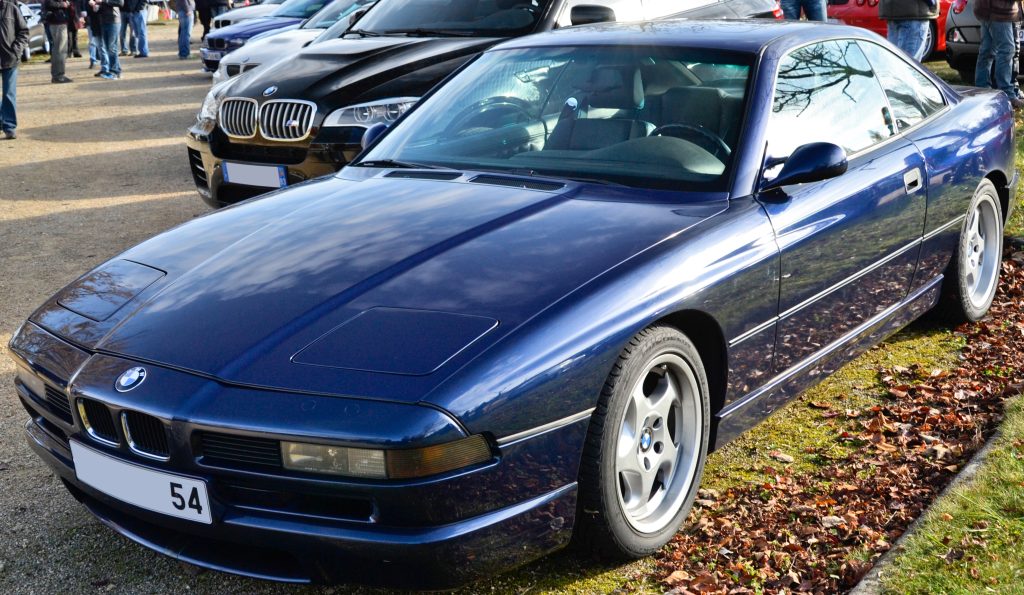
10. BMW 850i
The arrival of BMW’s 850i during the 1990s felt as though we were looking into the future. After all, how many other sleek coupes had a V12 engine with hidden headlights & advanced electronics at that time? To this day, the design still feels modern. But the technology certainly doesn’t. The vehicle introduced complex electronics and luxury systems that helped push BMW engineering forward, yet these became more expensive to maintain as the years passed. Nowadays, it’s more of a technological relic than anything truly futuristic.
A lot of classic cars have stories associated with them that go far beyond styling or even performance. But all of them had costs that caused issues for their owners. These classic cars demand far more patience & a larger budget than many of their original owners anticipated.