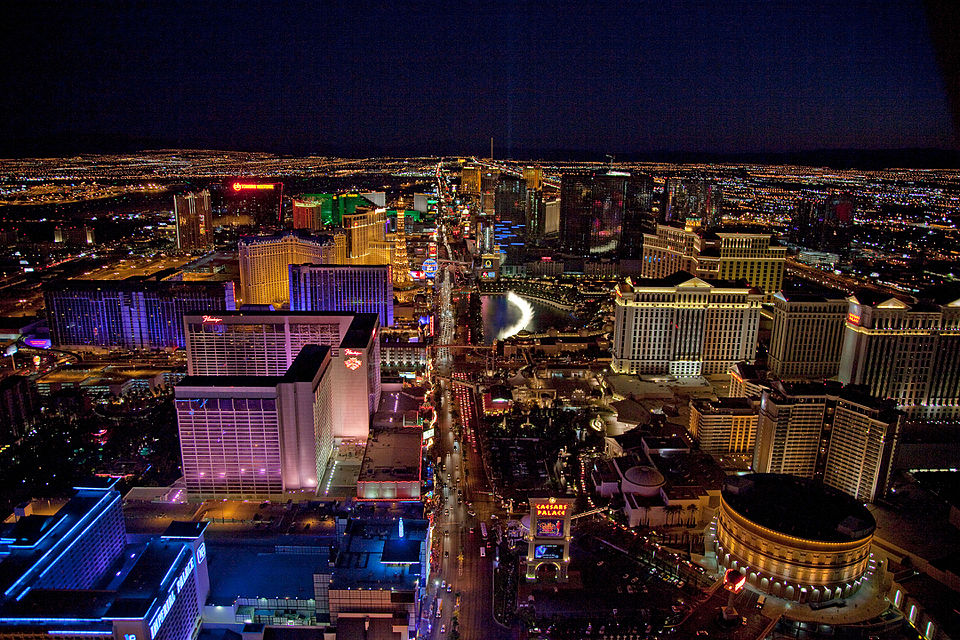
Las Vegas still knows how to make an entrance. The lights are on, the marquee names remain, and weekends can still feel packed. But the city’s old promise of easy indulgence has become harder for many travelers to find. The shift is showing up in visitor counts, hotel strategy, and the way people talk about a Vegas trip before they ever book one. Here are the biggest reasons the city is facing more hesitation from American travelers.
1. Visitor numbers have dropped enough to change the mood
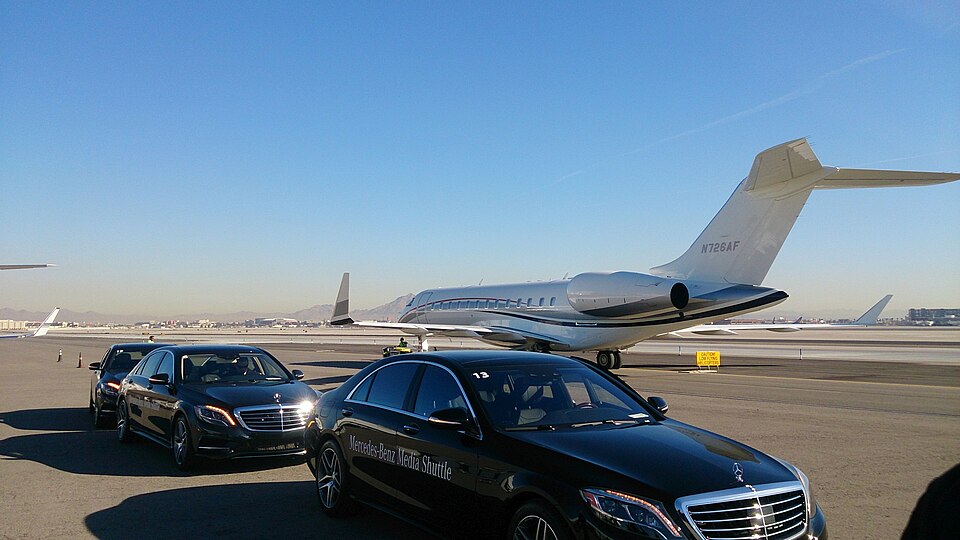
Las Vegas recorded 3.1 million fewer visitors in 2025, its steepest annual decline outside the pandemic era, according to its sharpest annual visitor decline outside the pandemic. June 2025 alone saw an 11.3% year-over-year fall, and airport traffic also weakened. That matters because Las Vegas is a volume business: fewer arrivals ripple across hotel occupancy, restaurants, retail, rideshares, and casino floors. The slowdown has not erased the busy weekend image, but it has made the quieter periods more visible. As Clark County Aviation Director James Chrisley said, “Our peaks are still peaks, and our valleys are softer.”
2. Midweek Vegas no longer feels like automatic demand
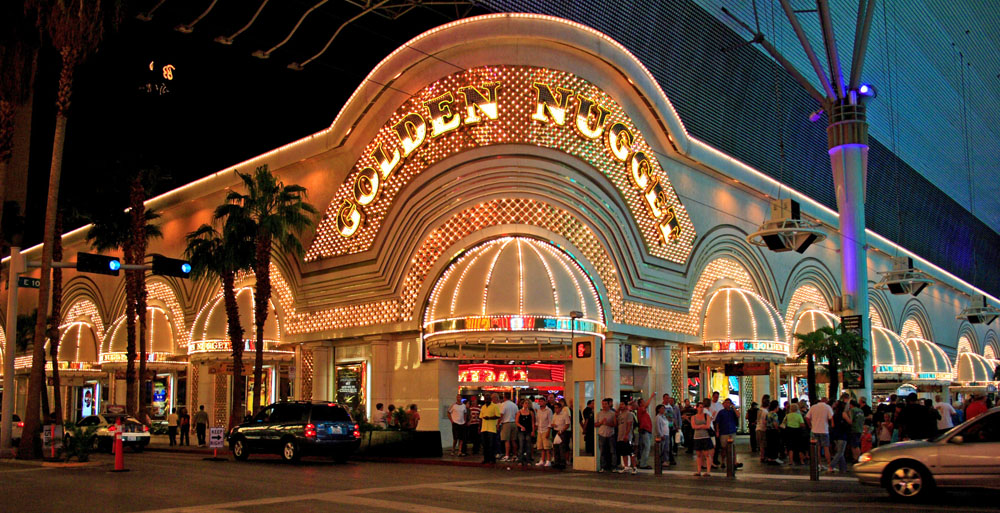
One of the clearest warning signs has appeared between Monday and Thursday. Those are the days when resorts usually rely on a steadier flow of guests to support staffing and fill rooms outside the weekend rush. Recent travel and foot-traffic patterns show the Strip leaning harder on weekends while weekdays soften. That change forces hotels to react with discounts, credits, and added perks rather than simple rate strength. Reuters reported that midweek revenue per available room fell about 11% in 2025. For travelers, that shift reinforces the sense that demand is less dependable than the city’s all-hours reputation suggests.

3. Travel budgets are tighter, and Vegas is easy to postpone
Las Vegas depends heavily on discretionary spending, which makes it especially sensitive when households become more cautious. Inflation, debt pressure, and uneven consumer confidence have changed the way many Americans plan trips. People are shortening stays, trading down, or skipping a getaway altogether. Andrew Woods of UNLV’s Center for Business and Economic Research said visitors are “more discerning about where and how they’re traveling and where they’re spending their dollars.” That selectiveness hits Las Vegas harder than some other major vacation markets because the trip often includes airfare, hotel charges, dining, entertainment, and gambling budgets all at once.

4. Resort fees and parking charges still damage trust
Room rates are only part of the calculation now. Resort fees commonly add $35 to $55 a night, and parking can push the total higher before a guest orders a meal or sees a show. The issue is not only the amount, but the feeling that the true price appears late in the process. The backlash has grown strong enough that some operators have experimented with pulling fees back. Resorts World temporarily removed resort and parking charges, and new federal disclosure rules now require clearer total-price display. But for many travelers, the perception has already settled in: Las Vegas is a place where the posted rate often is not the real one.

5. Small purchases now feel like part of the problem
Las Vegas has long charged premium prices for certain luxuries, but frustration now extends to ordinary basics. The complaint travelers repeat most often is not about one blowout dinner. It is about the running total of coffees, bottled water, cocktails, and convenience charges that make the city feel less generous than it once did. MGM Resorts CEO Bill Hornbuckle publicly acknowledged that mismatch, saying, “You can’t have a $29 room and a $12 coffee.” That quote stuck because it captured the larger problem: the cheapest booking pitch can quickly collide with a far more expensive reality on the ground.
6. Gambling is no longer a reason that only Vegas can claim
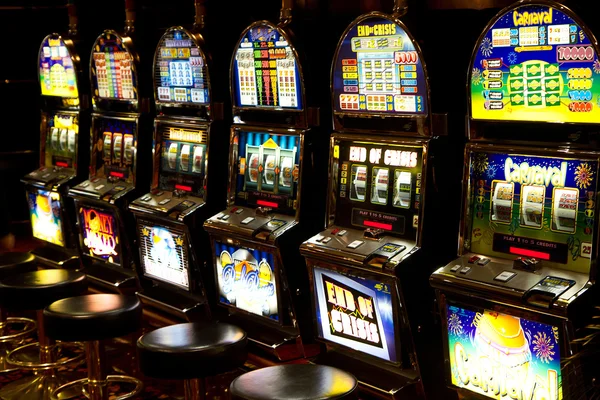
For decades, legal gambling gave Las Vegas a built-in advantage. That edge has thinned as casinos spread across the country and mobile betting became routine. In 2024, the U.S. online gambling market reached $12.68 billion, reflecting how much gaming activity now happens far from Nevada. That changes the value equation. A traveler who can place bets from home or visit a regional casino has less reason to book a flight just for access to blackjack, slots, or sports wagering. Las Vegas still offers scale and spectacle, but exclusivity has faded.

7. Younger travelers want different kinds of experiences
Millennial and Gen Z travelers often place more value on cultural texture, outdoor recreation, wellness, and shareable experiences that feel personal rather than formulaic. The classic Vegas image still carries weight, but it does not automatically line up with what younger visitors prioritize. That has created a branding challenge. When the city is associated too heavily with casino floors, giant clubs, and legacy entertainment formats, it can feel less relevant to travelers who want nature, local character, or a less scripted kind of fun.
8. Competing destinations now offer a clearer sense of value
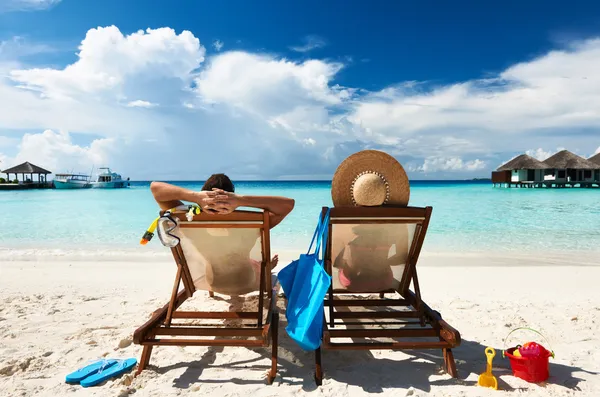
Las Vegas is no longer competing only with other casino hubs. It is also competing with beach destinations, theme-park cities, mountain towns, and smaller Nevada alternatives that feel more affordable. Laughlin, for example, has drawn attention for lower hotel costs and a slower riverside atmosphere that still includes gaming and nightlife. Even travelers who still want entertainment-heavy trips have more options. Orlando, Nashville, regional casino markets, and resort areas in Mexico and the Caribbean all give people different ways to spend the same vacation dollars.

9. Social media has amplified the city’s value problem
In earlier eras, a disappointing hotel charge or overpriced drink might have remained a private complaint. Now it becomes a post, a video, or a running joke. Viral examples of $25 cocktails, high resort fees, and restrictive table-game rules have helped shape a broader narrative that Las Vegas asks for more while giving less. That matters because travel choices are increasingly influenced by peer commentary. A destination can lose momentum before a potential visitor even opens a booking site if the online consensus says it no longer feels worth it.
10. The city’s old identity as an affordable splurge has weakened
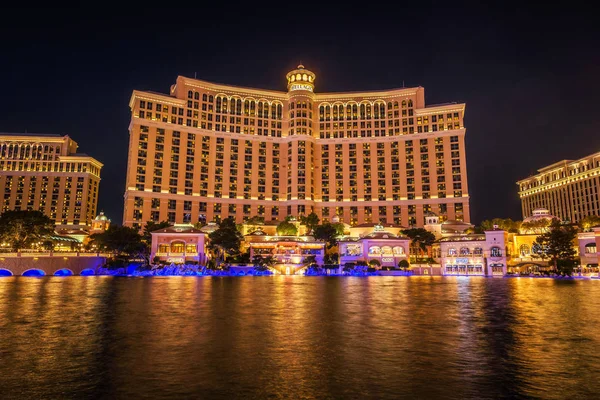
Las Vegas once sold a very specific fantasy: indulgence that still felt like a deal. Cheap rooms, accessible buffets, easy comps, and a sense of abundance made visitors feel welcome even when they spent freely. That emotional math helped define the place. Now the city is often described as a premium destination without the same cushion of perceived generosity. As UNLV hospitality professor Amanda Belarmino put it, “The city has always been known as a value destination, and now it’s being seen as a luxury.”
That shift may be the most important one of all, because it changes not just what a trip costs, but what travelers believe Las Vegas stands for. Las Vegas is not disappearing, and its appeal has not vanished. The city still has unmatched infrastructure, major entertainment muscle, and a brand recognized around the world. What has changed is the threshold for saying yes. Travelers now compare every fee, every meal, and every experience against a wider set of options, and Las Vegas no longer gets the benefit of the doubt as easily as it once did.