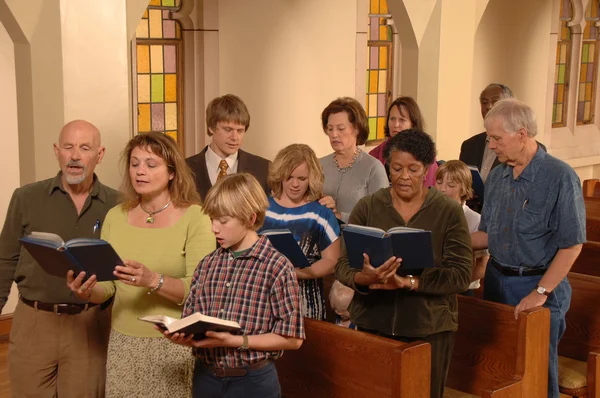
Christian worship can look simple from the pew and still carry centuries of meaning beneath the surface. A set prayer, a repeated phrase, a weekly communion service, or a minister’s robe can seem obvious to one congregation and puzzling to another. Many of the most misunderstood worship traditions are not really about style. They are about memory, doctrine, order, participation, and the church’s effort to hand on what earlier believers received rather than inventing something new.
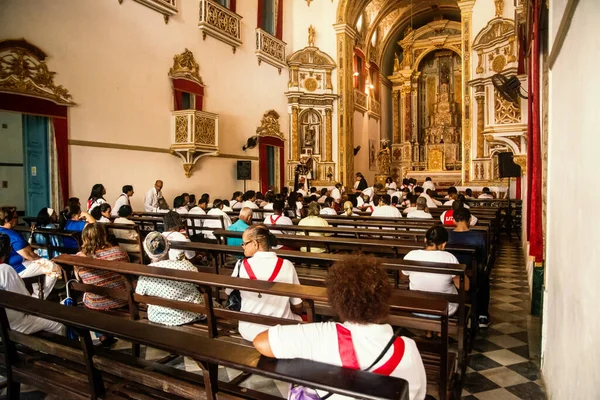
1. Tradition is not the same as human habit
Many Christians hear the word “tradition” and assume it means empty custom. In the New Testament, however, Paul could urge believers to hold to the traditions they had been taught. In that sense, tradition means something handed down faithfully, not something casually added later.
The misunderstanding starts when all traditions are treated as equal. Christian teaching has long distinguished between traditions that preserve apostolic truth and merely human habits that can distort it. That distinction explains why churches may value inherited practices while still examining them by Scripture.
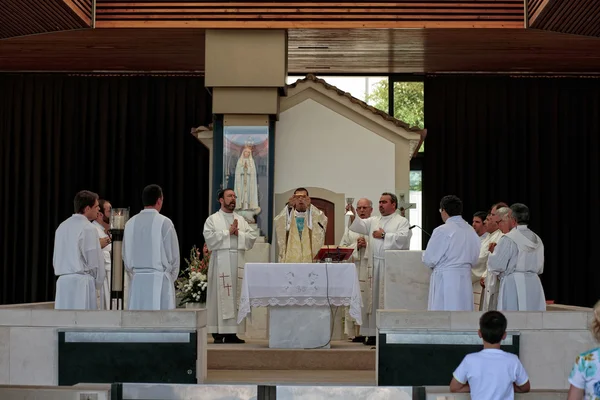
2. Liturgy is not the opposite of sincerity
Liturgy is often treated as a synonym for cold religion. Yet structured worship developed partly because Christian communities wanted their common life to be shaped by Scripture, prayer, and the Lord’s Table rather than by impulse alone.
Even churches that call themselves non-liturgical usually follow a recognizable pattern: singing, prayer, Scripture, sermon, and dismissal. The real question is not whether a church has a form, but whether that form helps people worship with attention and truth rather than drifting into performance or routine.

3. Repetition is not automatically “vain repetition”
Repeated prayers, refrains, and responses are often misunderstood as mindless by definition. The biblical story is more complex. The Psalms repeat phrases, Revelation presents repeated songs of praise, and Christian worship has long used recurring words to form memory and devotion.
The danger is not repetition itself but repetition without thought. A fixed prayer can be spoken mechanically, and a spontaneous prayer can be just as empty. The issue is the heart’s engagement, not whether the words were written beforehand.

4. The earliest Christian worship was not purely spontaneous
Some assume the first Christians gathered in completely free-form meetings and that structure arrived much later. The historical record points to something fuller. Acts emphasizes teaching, fellowship, prayer, and the breaking of bread, while early Christian witnesses describe regular Sunday gatherings with readings, prayers, thanksgiving, and distribution of the Eucharist.
By the second century, Justin Martyr was already describing a recognizable order of worship centered on Scripture and the Lord’s Supper. That does not erase spiritual freedom, but it does challenge the idea that structure is always a late corruption.
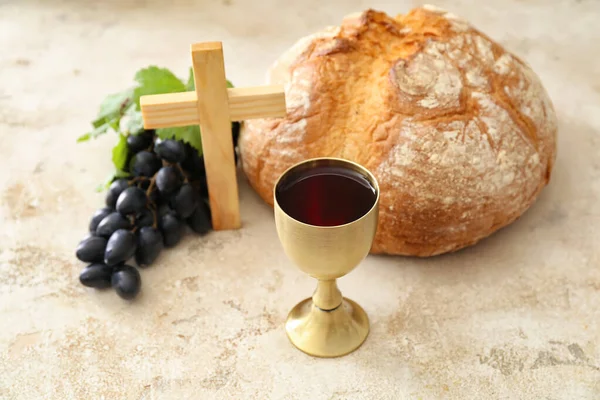
5. Communion was not originally a side element
In many churches, the sermon now occupies the emotional and theological center of the service. Historically, many Christian communities understood the Eucharist or Lord’s Table as the climax of gathered worship. Early liturgical patterns were built around the meal Jesus commanded his disciples to repeat in remembrance of him.
That helps explain why some traditions place great care on the table, the prayers of thanksgiving, and who is invited to receive. What looks to outsiders like excessive formality is often an attempt to honor what the church has seen as a central act of worship from its earliest centuries.

6. Set prayers are not less personal than extemporaneous ones
Prescribed prayers are often dismissed as borrowed words. Yet many Christians have understood them as a way of praying with the church across generations, not just from the limits of one person’s mood or vocabulary.
Historic prayers also guard theology. They teach worshipers how to name God, confess sin, ask for mercy, and give thanks. In that way, fixed prayers do not replace personal devotion; they often deepen it.

7. Worship order is meant to form people, not just fill time
One common misunderstanding treats the sequence of a service as administrative housekeeping. In many traditions, the order itself tells the gospel story: praise, confession, assurance, Scripture, table, and sending. That pattern is not arbitrary.
It reflects a conviction that worship should rehearse who God is and what God has done. A long Christian stream has seen this as formative rather than merely efficient. The congregation does not just attend worship; it is shaped by worship.
8. “Liturgy” has meant more than “the people’s work”
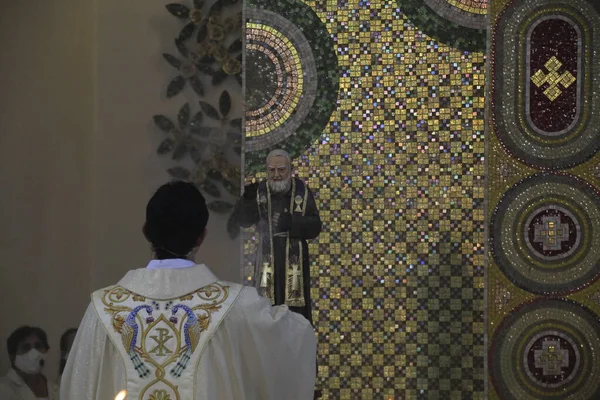
The term is often simplified into the slogan “the work of the people.” While participation certainly matters, older usage carried the sense of public service or service offered for the good of others. That gives Christian worship a wider horizon.
Gathered worship is not only an inward experience for those in the room. Many traditions understand it as an offering to God that also bears witness to the world and sends believers back into daily life with a renewed sense of calling.
9. Church buildings are not only practical spaces
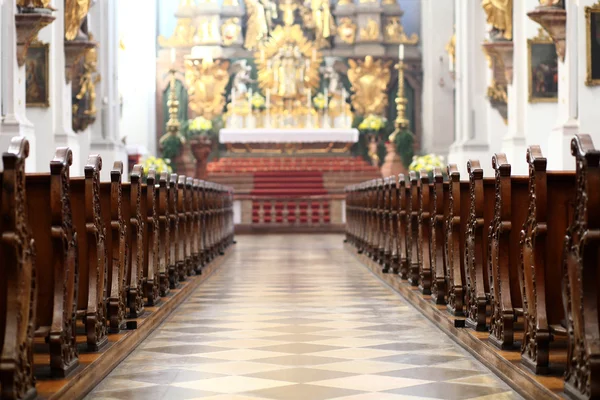
Some Christians assume architecture is spiritually neutral as long as people can gather. Others treat buildings as sacred in themselves. Historic Christian practice usually holds both assembly and sacred purpose together. Space is arranged to serve worship, and what is placed at the center says something about what a community believes.
An altar-centered room, a prominent pulpit, an eastward orientation, an icon screen, or a baptistry near the entrance all communicate theology without a sermon. Architecture has often been one of worship’s quiet teachers.
10. Silence is part of worship, not an interruption of it
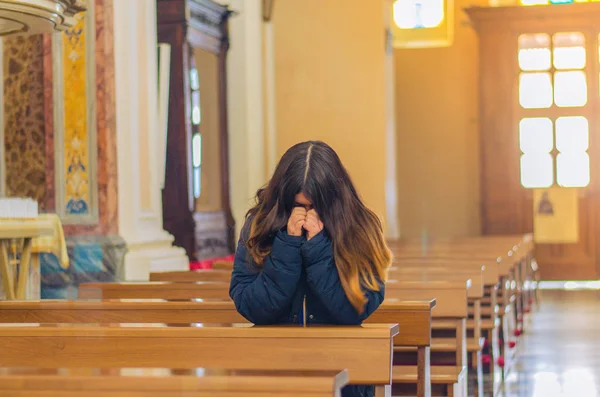
Silence is easy to mistake for awkward dead space. In many traditions, it functions as reverence, reflection, confession, or readiness to receive what has just been read, preached, or prayed.
This is why some liturgies move slowly. The pauses are not accidental. They make room for response that is deeper than immediate noise.
11. Weekly rhythms are rooted in theology, not just scheduling
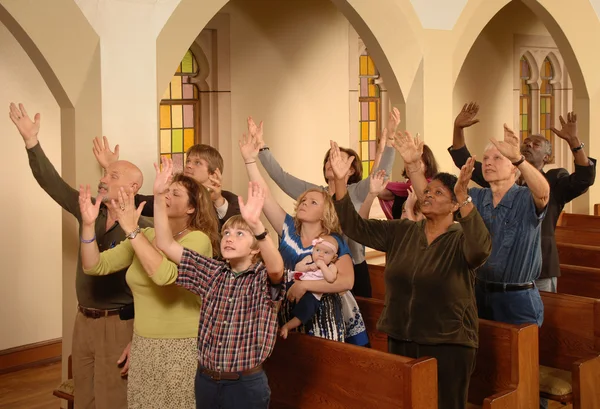
Sunday worship is often treated as a convenience of modern church life. Early Christian sources, however, show believers gathering on the day called Sunday because of its association with Christ’s resurrection. Over time, calendars, feasts, fasts, and seasons grew from that same instinct: time itself could be ordered around the gospel.
That is why traditions such as Lent, Easter, Pentecost, or weekly communion persist in many churches. They are not merely decorative routines. They are ways of remembering salvation across the calendar.
12. Good worship traditions are meant to be tested, not idolized
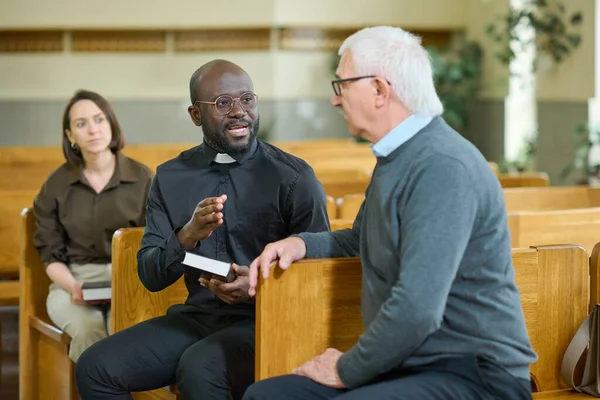
The strongest defense of tradition in Christian history has never been that older automatically means better. The claim has been narrower and more demanding: what is handed down should be measured by whether it accords with Christ and apostolic teaching. This keeps worship traditions from becoming untouchable museum pieces. It also keeps novelty from being mistaken for renewal. Historic continuity and faithful discernment belong together.
That is why worship debates often feel so charged. They are rarely only about music, clothing, or order of service. They are about what the church believes worship is for, what must be preserved, and what can change without losing the heart of the faith. When these traditions are understood on their own terms, they appear less like religious quirks and more like attempts to remember, receive, and pass on the gospel in gathered form.