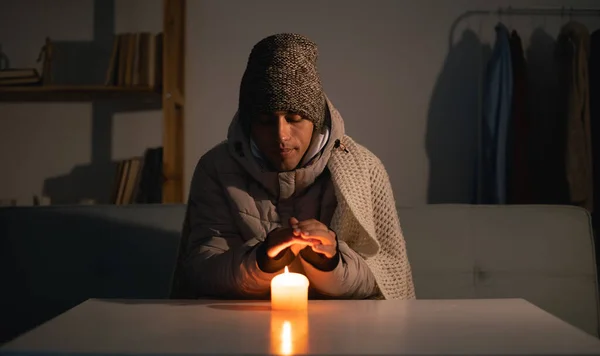
When freezing rain is in the forecast, the first concern is often the drive. The more disruptive problem can begin later, when power lines ice over, lights go out, and familiar routines suddenly depend on planning. Ice storms create a different kind of household stress because freezing rain coats power lines with a glaze of ice, adding weight that can bring down branches and service lines. The most useful outage prep is usually not dramatic. It centers on heat, light, water, food, and a safer way to get through the first night and the days after.
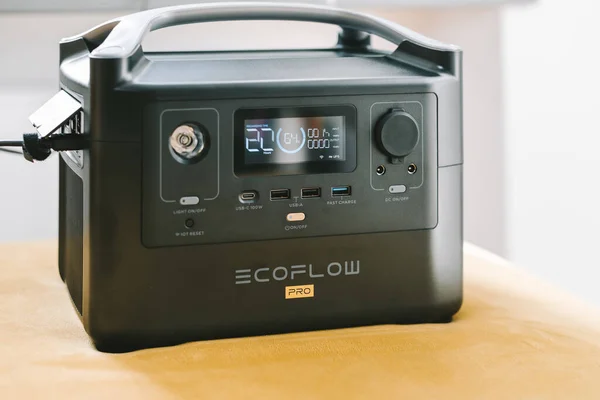
1. A power plan sized for real essentials
A backup battery or portable power station works best when the home has a short list of must-run devices. Phones, a lamp, a router, and some medical equipment are often manageable, while a refrigerator or multiple appliances can quickly push demand past 2,000 watt-hours in a day. A written device list and a trial run before winter weather arrives make the setup more useful when the outage is real.
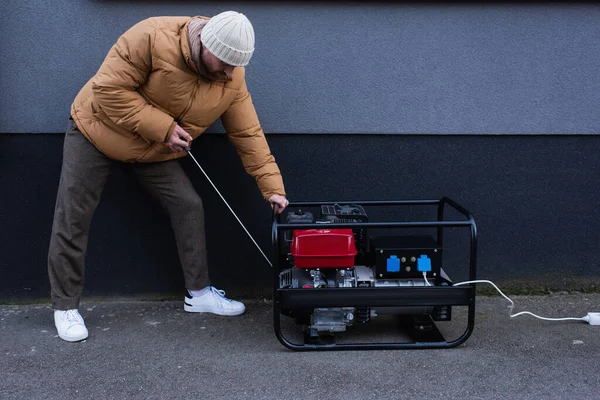
2. A generator setup that stays outside every time
Fuel-powered generators can restore more household function, but they also bring one of the most serious storm risks. The U.S. Consumer Product Safety Commission says portable generators can kill in minutes when carbon monoxide builds up in enclosed spaces. Guidance calls for operating them outside only, at least 20 feet away from the house, with exhaust pointed away from doors, windows, and vents.
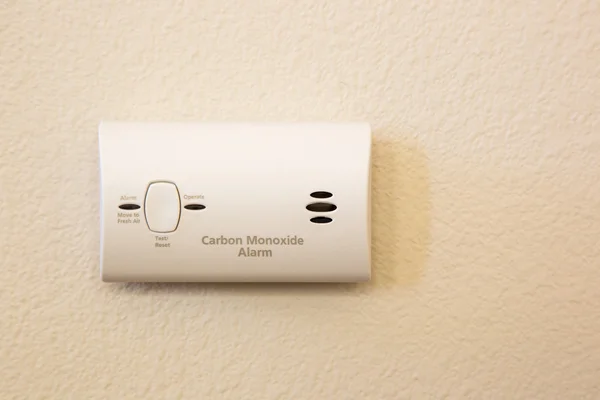
3. Carbon monoxide alarms on every level
Outages often lead households to use fireplaces, heaters, or generators more heavily, which is why carbon monoxide alarms become a core winter safety item. CPSC guidance recommends battery-operated alarms, or alarms with battery backup, on every level and outside sleeping areas. Monthly testing matters because an alarm that does not work adds no protection at all.
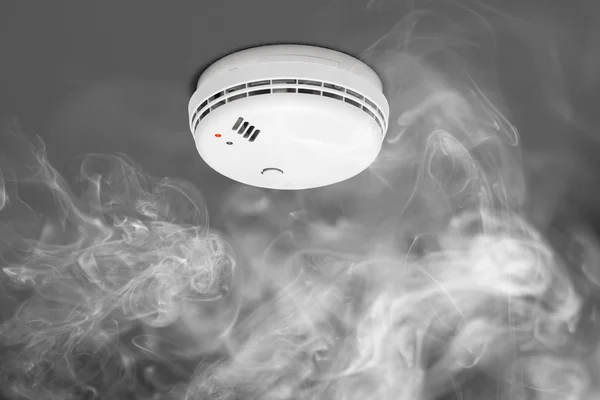
4. Smoke alarms that are ready before improvised routines begin
Power outages change how people cook, heat rooms, and move through the home. That shift raises fire risk, especially at night. Working smoke alarms on every level and inside bedrooms, plus clear walking paths and flashlights near sleeping areas, turn a simple checklist into something immediately practical.
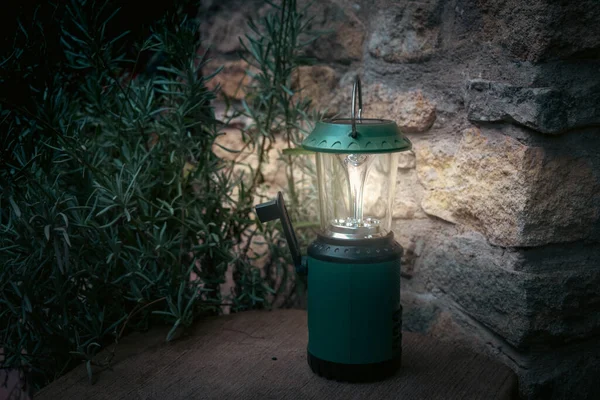
5. Lanterns and headlamps that reduce the urge to use candles
Reliable light affects more than visibility. It lowers fall risk, makes it easier to check breakers or carry water, and helps children settle in a darker home. Safety agencies consistently advise flashlights and battery-powered lighting over candles, which add fire danger during exactly the kind of disruption that makes quick response harder.
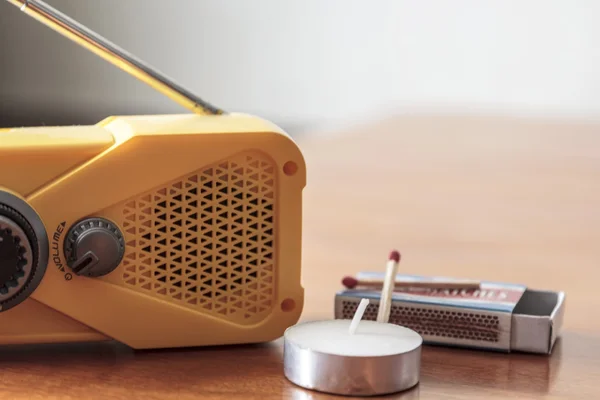
6. A radio that still works when phones and internet do not
During a widespread outage, a charged phone may not solve much if networks slow down or home internet drops. A battery-powered or hand-crank weather radio provides a steadier line to alerts, and NOAA Weather Radio broadcasts updates every four to six minutes in many areas. That can matter overnight, when conditions change faster than a household expects.
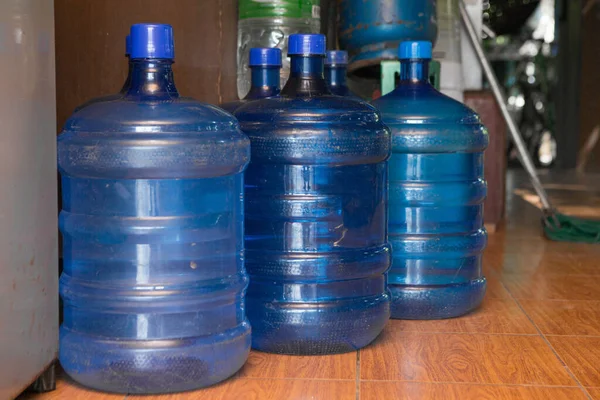
7. Water stored for both drinking and basic sanitation
Heat usually gets the most attention, but an outage can also interrupt water access in homes that rely on electric pumps. Emergency guidance commonly starts with one gallon per person per day. Setting aside some extra non-drinking water for toilet flushing and cleanup can make a long outage much more manageable.
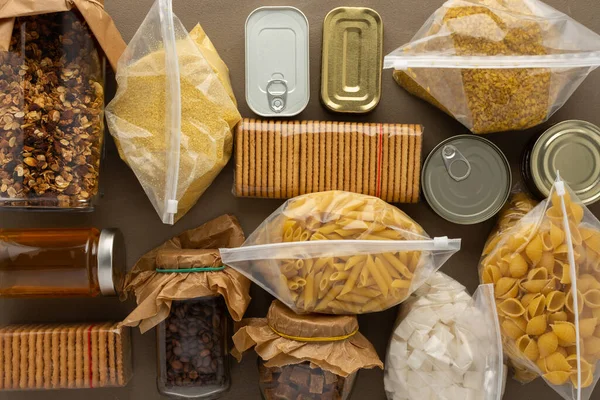
8. Food that works without refrigeration or plugged-in cooking
Pantry planning is more useful when it is specific. Shelf-stable soups, nut butter, crackers, tuna packets, ready-to-eat snacks, and oatmeal that only needs hot water reduce stress when the kitchen is partly offline. The Red Cross notes an unopened refrigerator will keep foods cold for about 4 hours, so using perishables first is part of the plan.
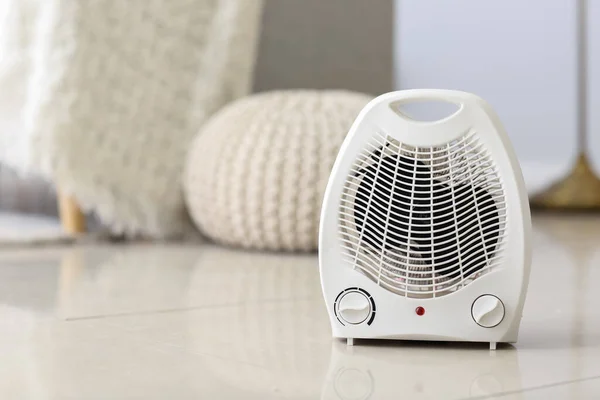
9. Safe heat habits with clear spacing around heaters
Portable heaters can help one room stay usable, but placement is not a small detail. CPSC guidance says heaters should stay at least three feet from bedding, curtains, furniture, and other items that burn easily. Electric heaters should plug directly into a wall outlet, and they should never be left running unattended or while people are asleep.
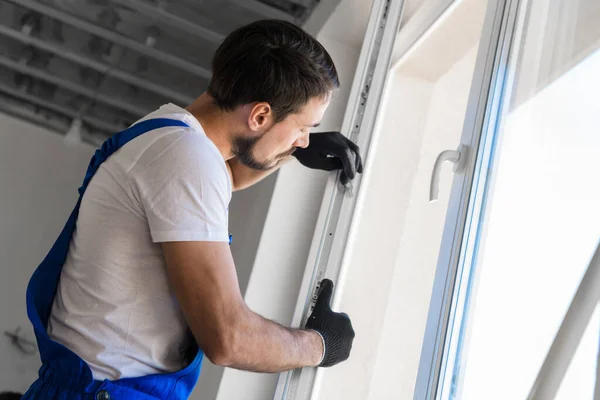
10. Draft control that helps a house hold onto warmth
When the power is out, insulation starts behaving like a backup resource. Closing blinds and drapes, sealing drafts with weather stripping, plastic sheeting, or even rolled towels at door bottoms can noticeably slow heat loss. Some households also do better by gathering in one room, where body heat and a smaller air space make the temperature easier to hold.
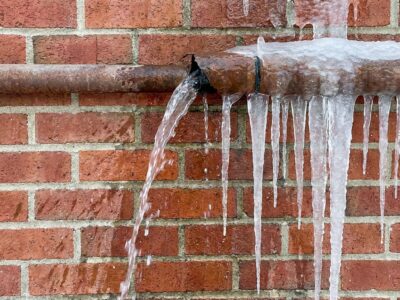
11. Pipe protection before the thaw turns into a leak
Frozen plumbing often becomes obvious only after temperatures rise and damaged pipes begin to leak. Protecting exposed hot and cold lines, opening sink cabinets on exterior walls, and knowing the location of the main water shutoff reduce the odds of a second household emergency. Clemson facilities guidance also recommends a slow stream of water from a faucet farthest from the water heater during severe cold.
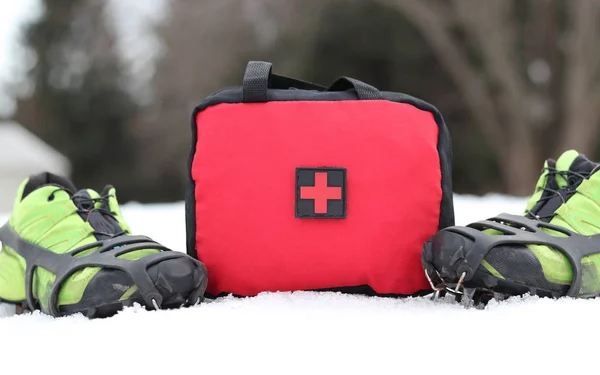
12. A car kit for the trips that cannot wait
Not every winter drive can be postponed, but the margin for error gets smaller fast. Weather safety guidance notes that more than 5,000 people are killed and hundreds of thousands are injured each year in weather-related vehicle crashes. A winter car kit with a blanket, scraper, flashlight, traction aid, charged phone backup, and a near-full gas tank supports the slower, more cautious approach that icy roads demand.
The most effective ice-storm preparation often looks ordinary: tested alarms, charged batteries, stored water, simple meals, and a plan for one warm room. Those basics lower the pressure to improvise with unsafe heat sources or indoor fuel use. A short practice run can reveal what is missing. One evening using only outage supplies often shows whether the home has enough light, enough warmth, and enough backup to get through the next storm more steadily.