
Hollywood’s LGBTQ+ stars are no longer defined by a single lane. Many move easily between blockbuster franchises, prestige television, Broadway, streaming hits, and advocacy work that reaches far beyond the screen.
This group stands out for more than visibility. These actors have built careers with range, cultural impact, and the kind of presence that keeps audiences invested from one project to the next.
1. Matt Bomer
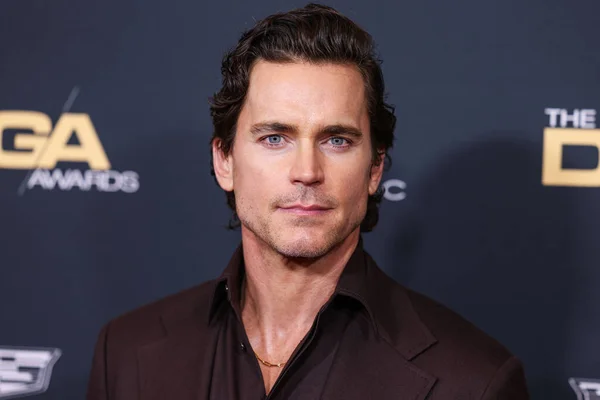
Matt Bomer has remained a fan favorite through a mix of polish, dramatic range, and consistent screen presence. He moved from White Collar to award-winning work in The Normal Heart, then widened his reach with films like Magic Mike. More recently, his 2012 humanitarian award speech became part of his public story, while series such as Fellow Travelers reinforced his place in queer television history.
2. Jonathan Bailey
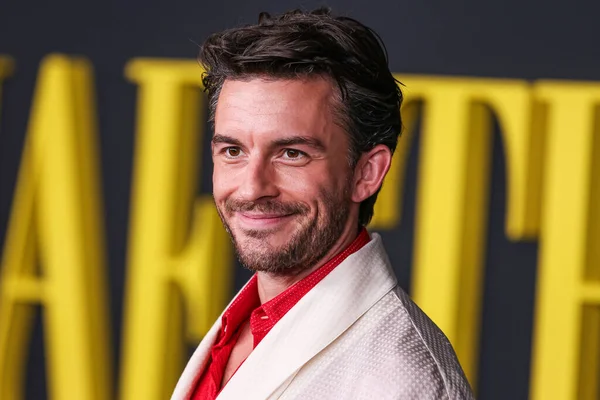
Jonathan Bailey turned global attention into staying power after Bridgerton. His earlier stage work, including an Olivier-winning turn in Company, gave him a foundation that shows in both romantic and dramatic roles. He also brought a more grounded, adult intensity to Fellow Travelers, making him one of the clearest examples of a performer balancing mainstream fame with queer storytelling.
3. Andrew Scott
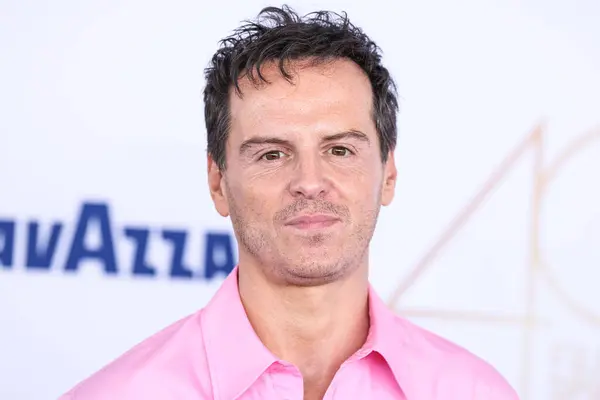
Andrew Scott’s appeal comes from unpredictability. His Moriarty in Sherlock was magnetic, his performance in Fleabag became an instant cultural touchpoint, and his stage reputation has kept him in serious artistic company. He has built a career around emotional precision rather than repetition, which gives every role a different texture.
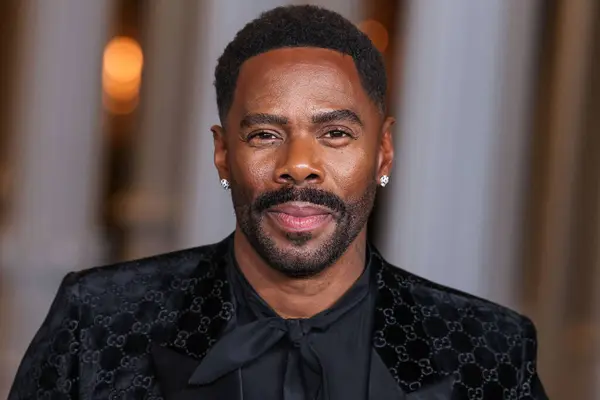
4. Colman Domingo
Colman Domingo has become one of the most respected actors working today. His film and television résumé stretches from Ma Rainey’s Black Bottom and Rustin to Euphoria, with theater work adding another layer to his reputation. Industry coverage around out LGBTQ performers changing Hollywood has reflected the broader shift his career represents: leading-man authority combined with authorship, mentorship, and cultural visibility.
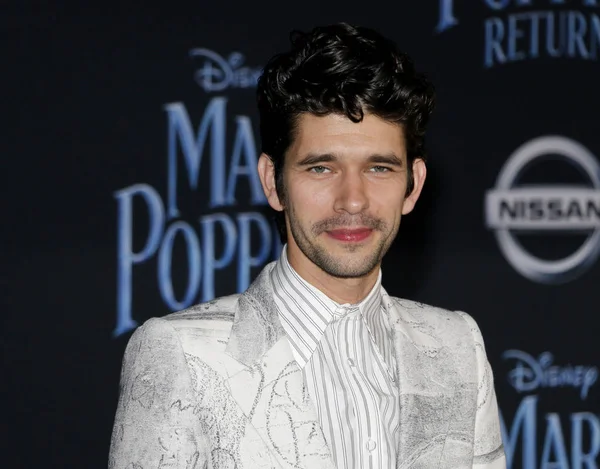
5. Ben Whishaw
Ben Whishaw has built an unusually versatile career. He is widely recognized as Q in the James Bond films, but his work also includes A Very English Scandal, Paddington, and acclaimed stage performances. That mix of fragility, intelligence, and quiet wit keeps him distinct in every format he enters.
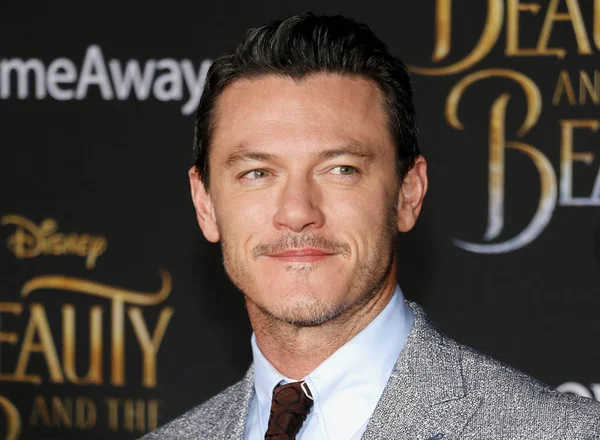
6. Luke Evans
Luke Evans brings old-school movie-star energy to fantasy, action, and period pieces. Roles in The Hobbit, Beauty and the Beast, and The Alienist helped establish him as a dependable lead with crossover appeal. His public approach to representation has also made him part of broader conversations about visibility in mainstream entertainment.
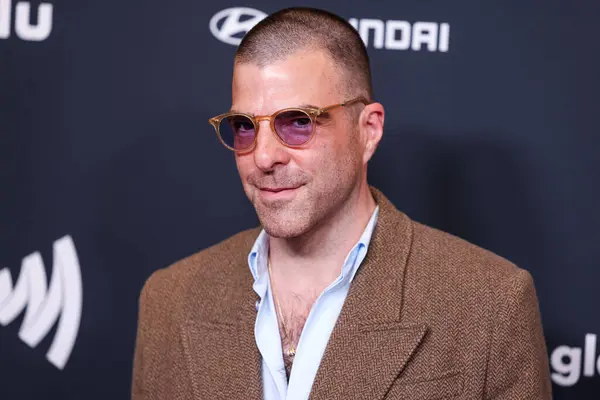
7. Zachary Quinto
Zachary Quinto has balanced franchise fame with serious stage work in a way few actors manage. He became globally known as Spock in the rebooted Star Trek films, but his television and theater work has kept his profile varied rather than fixed. His support for LGBTQ+ youth and mental health initiatives has remained a steady part of his public identity.
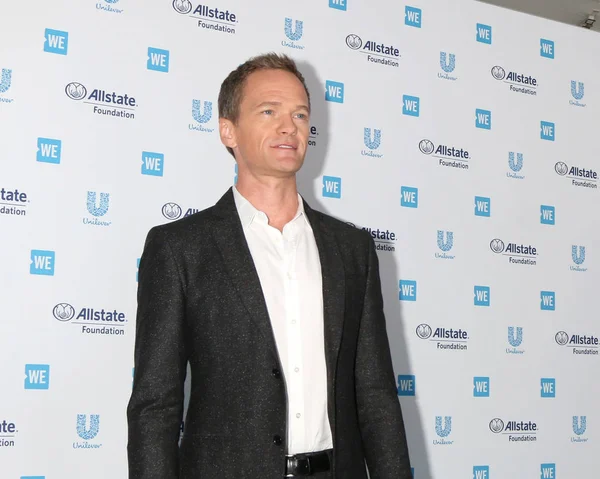
8. Neil Patrick Harris
Neil Patrick Harris has one of the broadest skill sets on this list. Sitcom success, hosting work, Broadway acclaim, and musical theater command all feed into his staying power. His turn in Hedwig and the Angry Inch showed how effectively he can move from mainstream familiarity into bolder queer performance spaces.
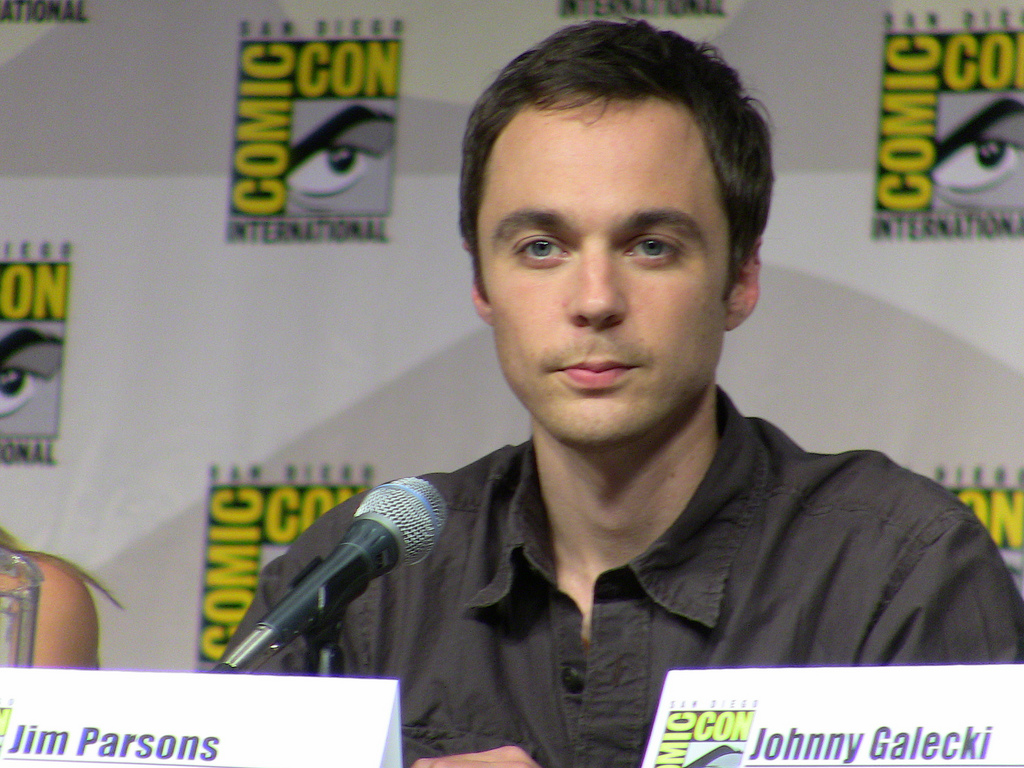
9. Jim Parsons
For many viewers, Jim Parsons will always be linked to The Big Bang Theory, but his later choices widened the picture. The Boys in the Band and Spoiler Alert gave him room for more intimate, queer-centered material, while his work as a producer has helped push LGBTQ+ stories behind the camera as well.

10. Dan Levy
Dan Levy changed his career category by co-creating and starring in Schitt’s Creek. The series became a benchmark for warmly written queer representation without making identity its only subject. He followed that with writing, directing, and development work that continues to center inclusive storytelling.

11. Bowen Yang
Bowen Yang brought a different kind of visibility to comedy. On Saturday Night Live, he became a breakout presence with a style that is sharp, self-aware, and unmistakably modern. Coverage of celebrity coming-out stories has also noted that Bowen Yang introduced Reneé Rapp on SNL as “our little lesbian intern,” a moment that showed how naturally he now occupies a visible place in queer pop culture.
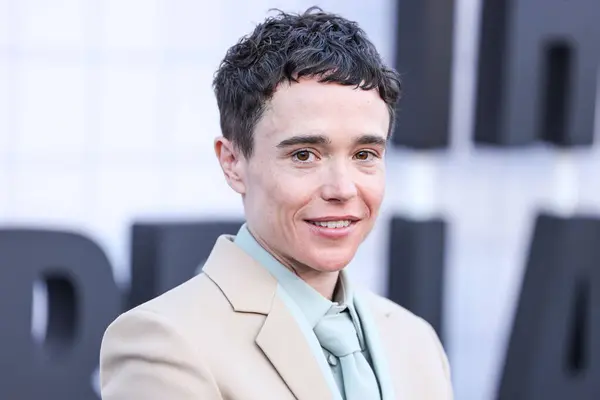
12. Elliot Page
Elliot Page remains one of the most recognizable names in this group because his career stretches across multiple generations of audiences. Juno, Inception, and The Umbrella Academy each introduced him to a different corner of the industry. His public advocacy for trans youth and inclusive production practices has deepened his influence beyond acting alone.
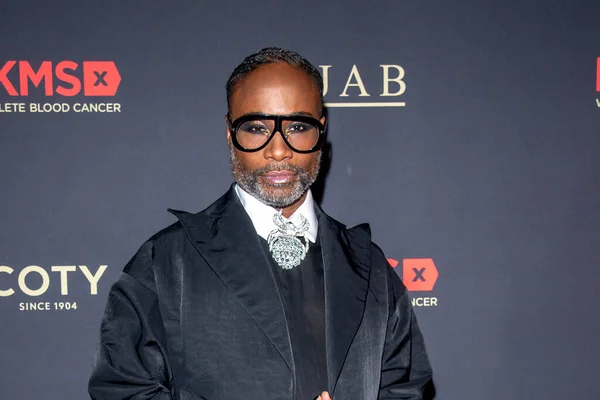
13. Billy Porter
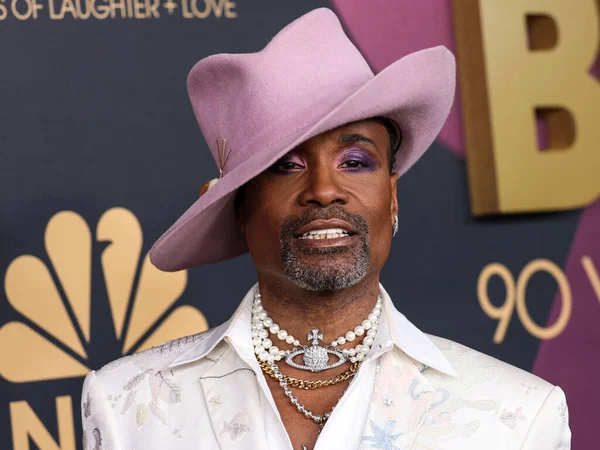
Billy Porter brings theater power, television acclaim, and unmistakable style into every appearance. His Emmy-winning work in Pose gave him a landmark role in a series closely tied to ballroom culture on television. He has remained a major voice on representation, especially around HIV awareness and trans rights.
14. Jonathan Groff
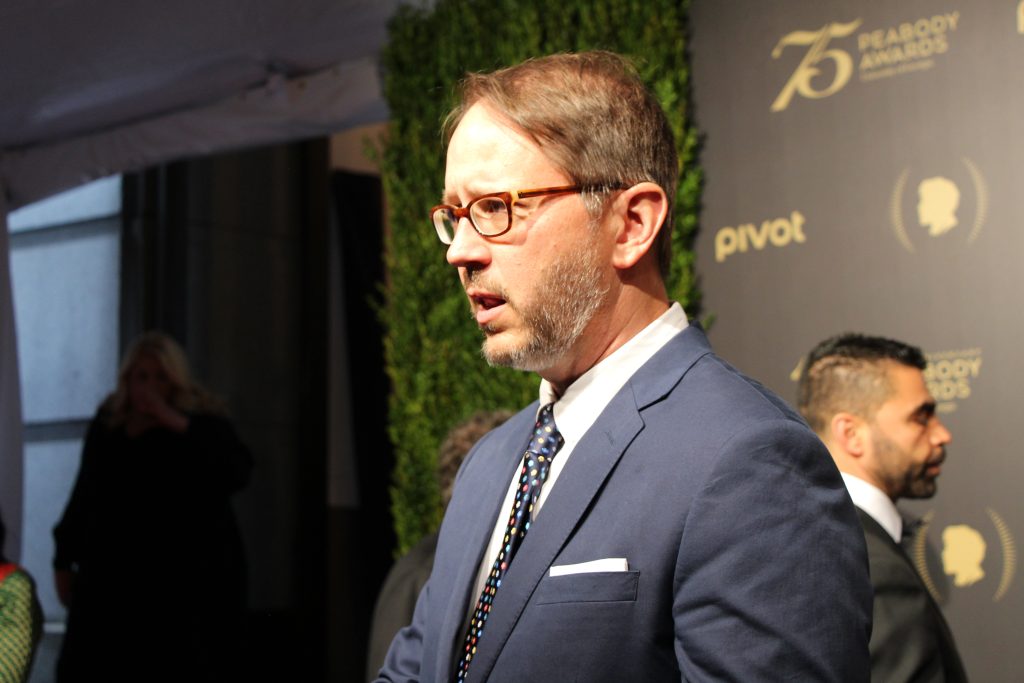
Jonathan Groff has built a rare bridge between Broadway prestige and screen popularity. He earned major praise in Mindhunter, kept mainstream family audiences through Frozen, and strengthened his theater legacy with a Tony-winning run in Merrily We Roll Along. His voice, timing, and emotional openness make him one of the most instantly recognizable performers working today.
15. Joe Locke
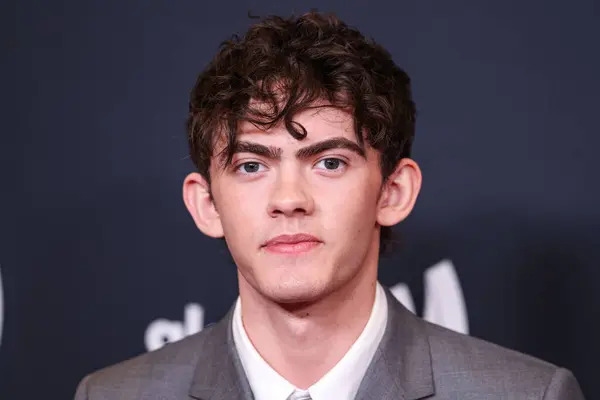
Joe Locke arrived with the kind of breakout role many actors spend years chasing. As Charlie Spring in Heartstopper, he became part of a series that connected deeply with younger audiences looking for tenderness rather than trauma. His jump into larger studio projects has shown that his appeal is not limited to one genre or age group.
16. Kit Connor
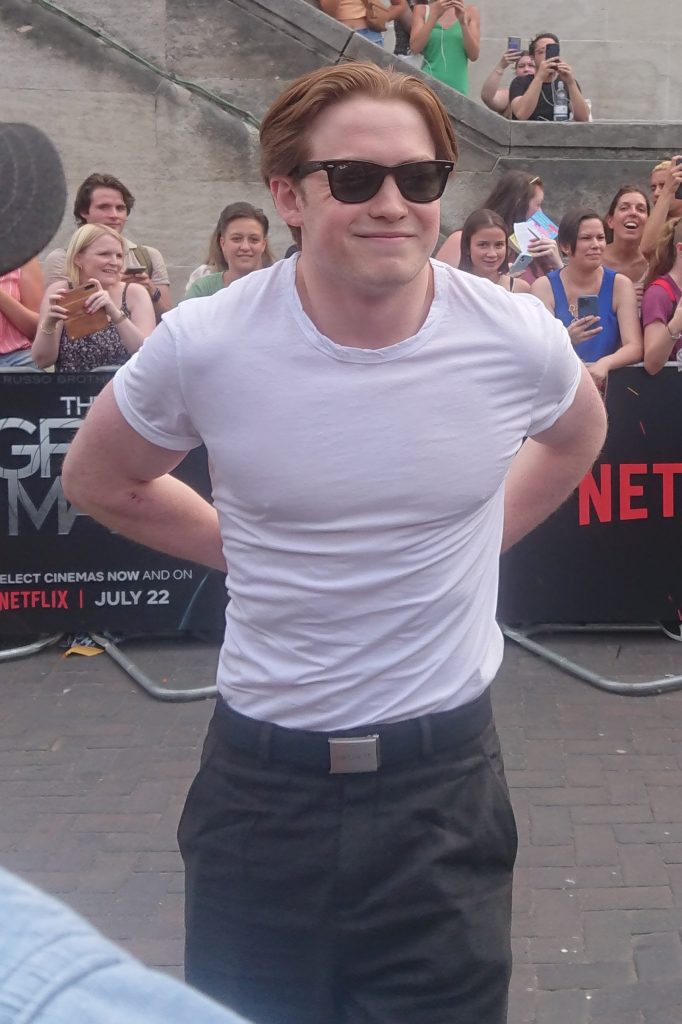
Kit Connor’s inclusion reflects how quickly younger actors can shape the conversation around fame, privacy, and identity. Heartstopper made him internationally known, while his request for respectful media treatment of young performers added another layer to his public image. He has remained a symbol of how younger stars are navigating visibility on different terms.
17. Brandon Flynn
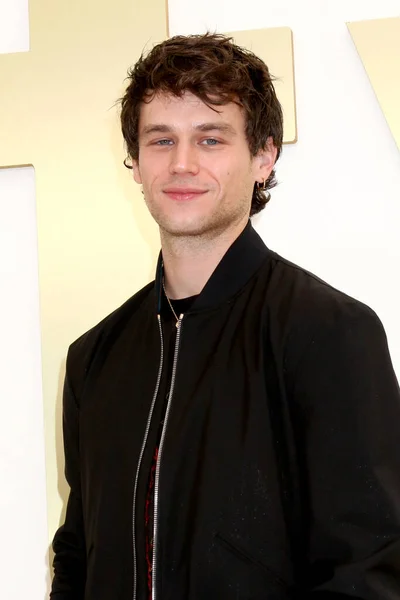
Brandon Flynn used 13 Reasons Why as a launch point, then moved into more layered work across television and independent film. His comments about wanting queer stories to become part of normal storytelling, rather than a separate category, have echoed a wider industry shift. That blend of teen-idol recognition and thoughtful career direction has kept him relevant.
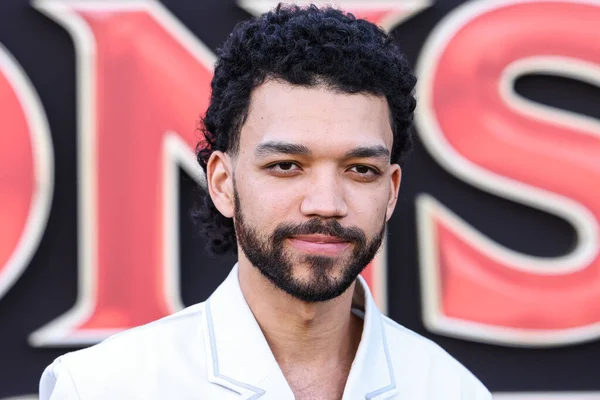
18. Justice Smith
Justice Smith has balanced studio-scale entertainment with a more personal public voice. He is known for The Get Down, Pokémon Detective Pikachu, and the Jurassic World franchise, yet his identity as a Black queer man has also shaped how he speaks about inclusion. That mix of blockbuster reach and social awareness gives his career unusual breadth.
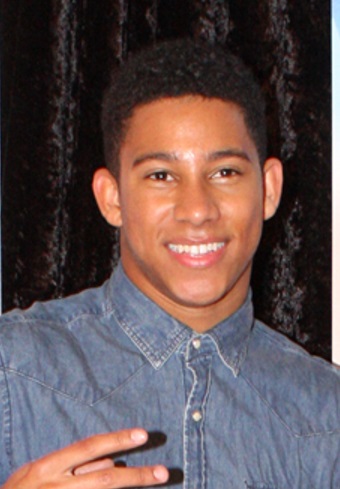
19. Keiynan Lonsdale
Keiynan Lonsdale stands out because his career has never been limited to acting alone. Love, Simon and The Flash gave him a wide audience, while music and performance work let him explore identity more directly. In a past interview, he said, “I have been in love with guys, and I have been in love with girls. That’s me.” That clarity helped make him an important figure for younger fans.
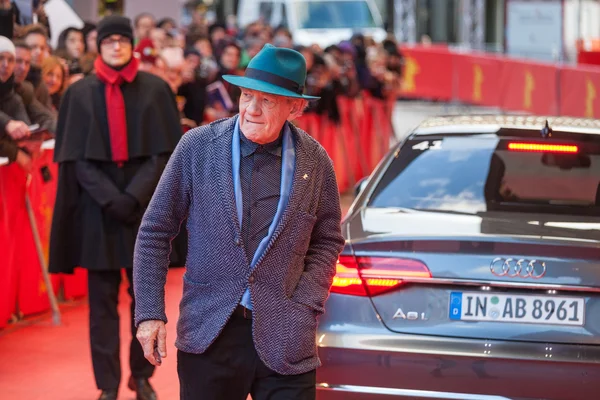
20. Ian McKellen
Ian McKellen represents the long arc of visibility in entertainment. He is a towering screen and stage figure through The Lord of the Rings, X-Men, and decades of Shakespeare, but his legacy also includes co-founding Stonewall UK and supporting equality campaigns for years. His career gives essential historical depth to any conversation about out LGBTQ+ actors in Hollywood.
Taken together, these actors show how much the industry has changed. Some are veterans whose careers opened doors long before visibility was common, while others belong to a younger wave working across streaming, franchise filmmaking, and theater at the same time. What connects them is consistency. They bring talent, recognizable presence, and a public relationship to representation that continues to matter to audiences looking for both charisma and substance.


