
Churches often say they welcome questions. Many do. But in practice, some questions feel easier to ask in a classroom, a pastor’s office, or a quiet conversation after service than in the middle of gathered worship. That tension matters because doubt is not rare.
52% of U.S. adults and teens say they have experienced religious doubts in recent years, and many of those doubts grow around questions people are unsure how to voice. The issue is often not whether a question is forbidden, but whether the setting can hold it with the care it deserves.
1. “Why won’t the church address this political issue in prayer?”
Public prayer inside a church service is rarely the place where leaders want to sort out partisan or ballot-related disputes. In many congregations, that hesitation is partly legal and partly pastoral. Leaders are careful not to turn worship into campaign messaging, and they also know that politically charged prayers can divide a room before anyone has had the chance to think deeply.
For that reason, a question like this may be treated less as a spiritual inquiry and more as pressure to take a public side. Churches that want to preserve worship as a shared act of devotion often move these conversations into teaching forums, elder meetings, or private pastoral settings.
2. “Can someone perform an exorcism right now?”
In traditions that practice exorcism, the rite is usually surrounded by formal oversight rather than spur-of-the-moment decision-making. In the Catholic Church, Canon 1172 states that a priest needs explicit permission from the local bishop before performing a major exorcism.
That makes a public request especially difficult. It asks clergy to respond instantly to a matter the church treats with caution, discernment, and authority. What sounds urgent to the person asking can place a minister in the position of refusing a request in public or appearing to bypass the church’s own process.
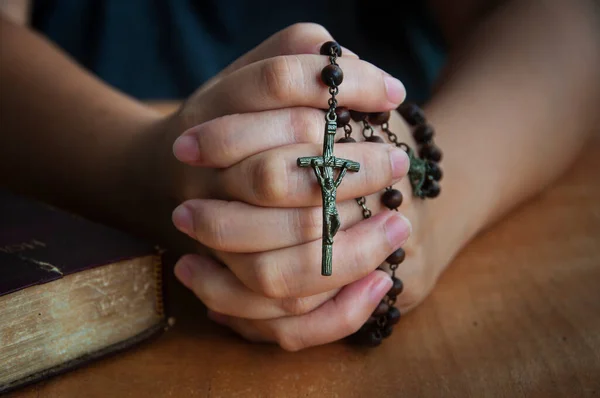
3. “Can my relative be anointed even if they are not seriously ill?”
Questions about the Anointing of the Sick can sound simple, but the sacrament carries clear boundaries in churches that observe it formally. It is not generally treated as a general blessing for any difficult moment. In Catholic teaching, it is directed toward those facing serious illness, frailty associated with age, or significant physical decline.
Asked in public, the question can become awkward quickly. A priest may need to say no in front of others, not because compassion is absent, but because the sacrament has a defined purpose. That is why many pastors prefer such requests to come through pastoral conversation rather than public appeal.
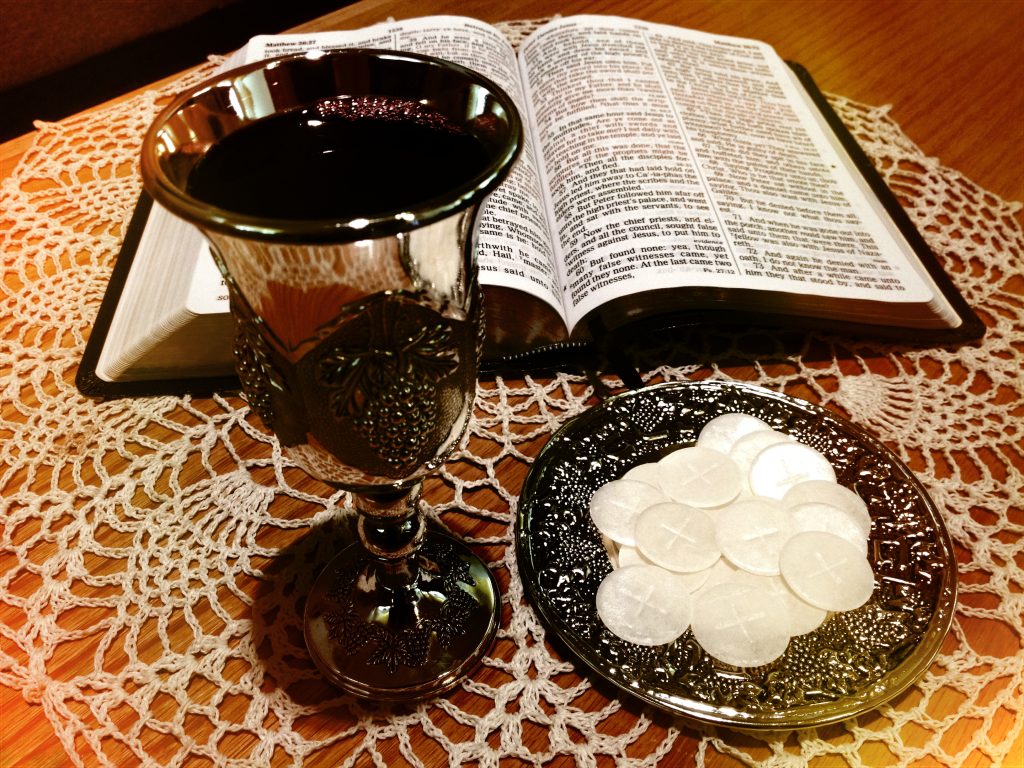
4. “Can communion be denied over someone’s lifestyle?”
This question almost always carries a hidden second layer: people are usually thinking about a real person, a real conflict, or a real reputation. That is precisely why many churches avoid answering it from the front. Even where church law includes standards for withholding communion, leaders are generally expected to handle those matters pastorally and carefully, not as public commentary on someone’s spiritual state.
A worship service is not designed to become a forum for testing another person’s standing before God. Once the question is raised publicly, privacy evaporates and gossip can fill the gap.
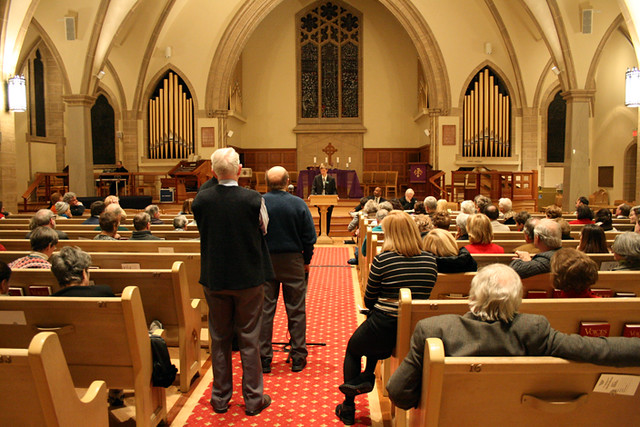
5. “Why has the church not removed a leader after complaints?”
This is one of the hardest questions because it touches trust, accountability, and pain. It also involves confidentiality, documentation, and due process. Churches that are investigating allegations are often restricted in what they can publicly say while the matter is under review. That silence can feel unbearable to people in the pews, especially when confidence has already been shaken.
Barna found that 27% of adults point to past experiences with a religious institution as a cause of doubt, and perceived hypocrisy remains a major barrier for many. A church’s refusal to answer in public may be rooted in procedure, but members often experience it as distance. That gap between process and trust is one reason these questions need more than a brief platform response.

6. “Is this teaching required, or is it optional?”
In churches with strong doctrinal structures, this question is not merely academic. It asks how authority works, what level of assent a teaching carries, and how believers are expected to respond. Those are serious issues, but they usually require context that a worship service cannot provide.
Asked publicly, the question can sound like a challenge to the church’s teaching office or an invitation to sort doctrine by personal preference. In a study group or catechesis class, it can become fruitful. In the middle of worship, it often becomes combustible.

7. “Does the church say people of other religions are condemned?”
Questions about salvation, judgment, and the fate of people outside Christianity are among the most emotionally loaded in church life. They are also the easiest to flatten into a slogan. Many churches hesitate to answer publicly because a compressed answer can mislead just as easily as it can clarify.
That caution does not mean the question is wrong. Scripture itself shows believers bringing difficult questions before God, and Jesus said, “Keep asking, and it will be given to you. Keep searching, and you will find. Keep knocking, and the door will be opened to you.” The deeper issue is posture and place. As one reflection on doubt puts it, “God is not intimidated, shocked, or displeased by our heartfelt questions.”

Some questions do not belong in the category of rebellion. They belong in the category of care. Churches often struggle not because questions exist, but because they have not always built settings where those questions can be carried without embarrassment, spectacle, or defensiveness.
The healthiest congregations are rarely the ones with no difficult questions. They are often the ones that make room for them at the right time, with the right people, and with enough patience to let faith and honesty stay in the same room.


