
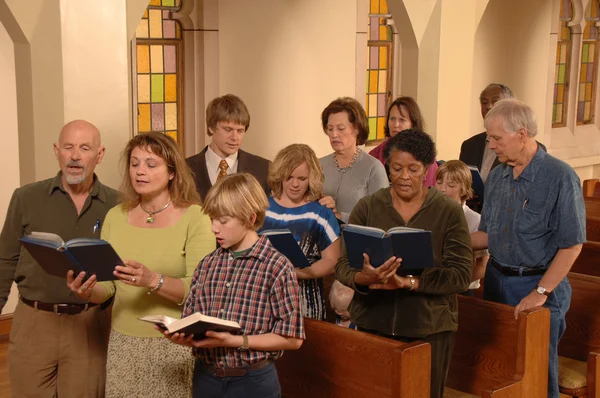
To someone who did not grow up in church, many Christian practices can seem puzzling at first glance. A room full of adults singing together, people giving money without a membership contract, or the habit of talking to an unseen God can feel unfamiliar in a culture that often prizes efficiency, privacy, and proof.
Yet church practices are usually not random customs held together by nostalgia. They carry meanings shaped by worship, memory, community, and hope. What looks strange from the outside often makes more sense once the inner logic becomes visible.
1. Praying as if Someone is actually listening
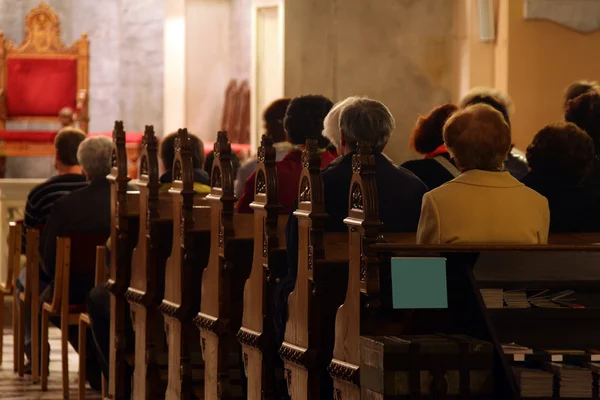
Nonreligious friends often assume prayer is mainly a calming exercise or a ritual version of wish-making. In many churches, though, prayer is understood as communication with God rather than self-talk. That is why Christians may pray in gratitude, confession, sorrow, and intercession even when no immediate change is visible.
This practice can be difficult to understand because it resists the language of control. Traditional Christian teaching presents prayer not as bargaining, manipulation, or a way to force outcomes, but as a form of worship and dependence. In that framework, prayer includes requests, but it is not limited to requests. It also reflects the conviction that God’s will matters more than personal preference.

2. Singing together instead of just listening
For many outsiders, congregational singing can feel unexpectedly vulnerable. In most public settings, people consume music; in church, they are asked to participate in it. That difference alone can make the practice seem awkward or overly emotional.
Christian communities have long treated singing as more than atmosphere. One reflection on church music notes that many congregations devote about a third of their gathering time to congregational singing. The reason is not merely aesthetic. Singing is often understood as praise, prayer, and a way believers teach and encourage one another. In other words, the songs are not filler around the sermon. They are part of the church’s shared language of belief.

3. Giving money as a spiritual act
Financial giving is one of the quickest places where suspicion can surface. A nonreligious observer may read it as institutional maintenance, social pressure, or an outdated rule. The word “tithe” can sound especially foreign, even to people familiar with church vocabulary.
Part of the confusion comes from the fact that the practice itself is not always well understood. Research found that 43 percent of Christians say they know what the term “tithe” means, while awareness is far from universal. Traditionally, church giving has been framed as stewardship and generosity rather than a fee for religious services. Even so, the visible act of placing money into a plate or setting up recurring gifts can still feel unusual in a world where spiritual life is often treated as private and cost-free.

4. Waiting for making love until marriage
This is one of the practices most likely to be read as restrictive or unrealistic. In a culture that treats making love expression as a personal right and a marker of maturity, Christian making love ethics can seem out of step.
Within the church, however, the practice is usually tied to a larger view of making love as covenantal rather than casual. The point is not merely postponement. It is the belief that making love intimacy belongs inside marriage because it signifies a deeper union of lives, not only a private experience of pleasure. That is why many Christians speak about chastity in terms of meaning, fidelity, and holiness, even when the wider culture hears only prohibition.

5. Believing that miracles still belong in Christian life
Nonreligious friends often find this difficult because modern life trains people to trust what can be measured, replicated, and explained. Talk of healing, divine intervention, or answered prayer can sound naive or emotionally driven.
Yet many Christians do not treat miracles as spiritual entertainment. Thoughtful believers often approach them with restraint, aware that claims of the miraculous can wound people who prayed and did not receive the outcome they wanted. Even so, the practice of praying for healing or provision continues because Christianity is rooted in the conviction that God is active, not distant. For many churches, belief in miracles is less about spectacle and more about trust, humility, and the refusal to imagine a sealed-off universe.

6. Talking about heaven, judgment, and life after death as present realities
Secular culture often treats death as either a medical event or a deeply private grief. Church language adds something more: ongoing hope, moral accountability, and the conviction that life continues beyond the grave. That can be hard for outsiders to absorb because it changes how suffering, burial, mourning, and memory are understood.
Christian belief in the afterlife has developed across centuries, but the core idea remains that death is not the final word. This conviction shapes funeral practices, prayers for the dying, and the church’s recurring attention to resurrection. It also explains why Christians may speak about judgment and comfort in the same breath. To an outsider, that combination can sound contradictory. Inside Christian theology, it holds together because justice and hope are both part of the story.
7. Returning every week to the same habits
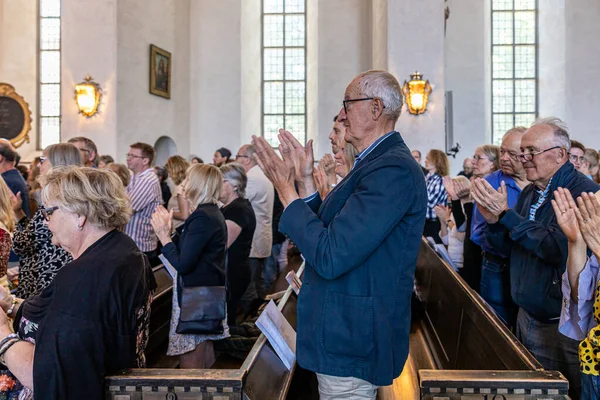
Many nonreligious people are open to occasional spirituality but struggle with repetition. Weekly services, recurring prayers, familiar songs, and repeated confessions can look stale from the outside. Why say similar words again? Why revisit the same themes every Sunday?
The church usually sees repetition differently. Repeated practices are meant to form people over time, not merely inform them once. Singing truths, praying familiar prayers, and hearing Scripture in a gathered setting become a way of shaping attention and desire. What appears repetitive is often intended to be formative.
8. Treating church as a community, not just a personal belief system
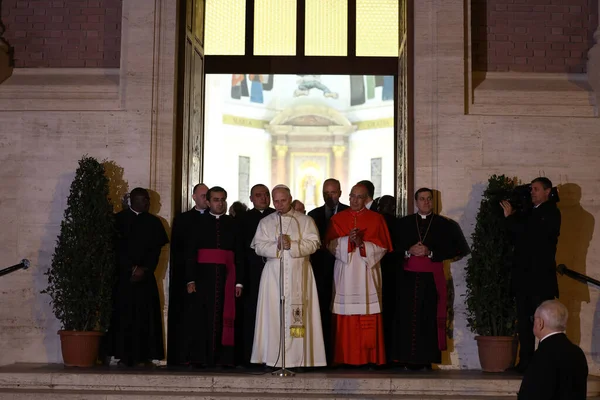
One of the biggest misunderstandings appears when religion is reduced to private opinion. Many nonreligious friends assume faith is mainly about inner conviction, so they are surprised by how communal church life is. Shared meals, mutual care, public worship, funerals, offerings, songs, and common rituals all push against hyper-individualism.
Christian practice has historically tied belief to belonging. People do not simply think Christian ideas; they enact them together. That is why churches often show up in moments of grief, celebrate milestones collectively, and expect faith to be embodied in relationships. Church is not only a place to hold beliefs but a place to practice them in company.

Many church habits remain difficult to understand from the outside because they are built on assumptions that secular life does not share. They assume God can be addressed, truth can be sung, money can be offered as worship, bodies carry moral meaning, and death does not end the story.
Once those deeper assumptions come into view, the practices may still feel unfamiliar. But they no longer look arbitrary. They begin to read as parts of a coherent spiritual world.


