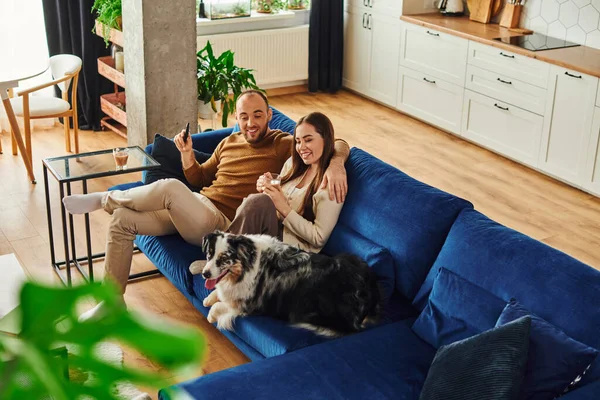
Dogs do not build lasting trust from grand gestures alone. What stays with them is often quieter: the pause during a walk, the calm in a familiar voice, the pattern of care that makes a day feel safe.
That lasting impression is not accidental. Dogs rely heavily on association, emotional memory, and scent, which means repeated experiences can shape how they feel about a person for months or years. Small habits matter because they are often the clearest signals a dog receives.
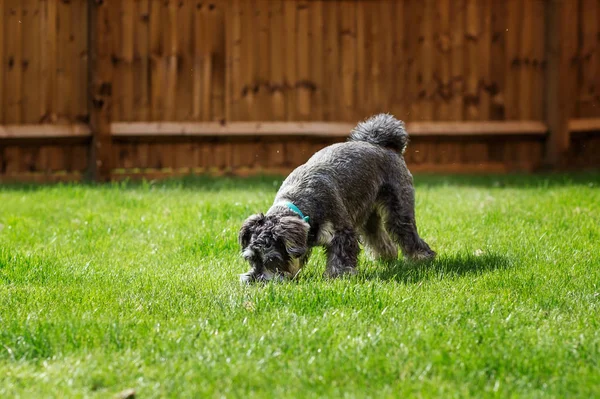
1. Letting them slow down and sniff
A dog’s walk is not just exercise; it is information-gathering. When a person allows a dog to linger at a patch of grass, follow a scent trail, or investigate a familiar route at an unhurried pace, that moment becomes mentally enriching rather than merely physical. Dogs process the world through smell first, and their scent memory can be remarkably durable.
Research and behavior writing on canine memory note that scent memory can last for years, which helps explain why smell-centered experiences can carry such emotional weight. A rushed walk may meet a schedule, but a sniff-rich walk often supports calm, confidence, and engagement.
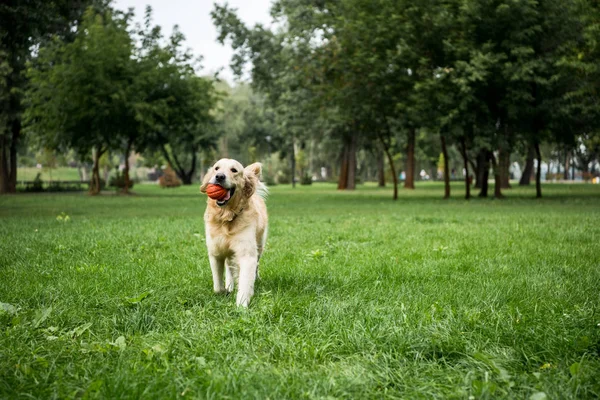
2. Giving full attention, even briefly
Dogs notice divided attention. A few minutes of intentional play, eye contact, or affectionate touch can leave a stronger imprint than a longer stretch spent half-distracted. Focused interaction tells a dog that connection is active, not incidental.
This matters because dogs tend to remember people through repeated associations. Play, feeding, and affection strengthen those associations over time, making a person feel familiar, rewarding, and emotionally important.
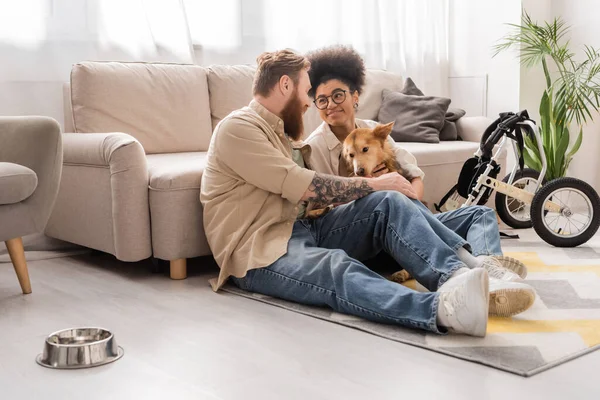
3. Speaking in a steady, gentle tone
Dogs may learn words, but tone often carries the message first. A calm, even voice can reduce uncertainty in unfamiliar settings and make everyday routines easier to predict. Loud or abrupt changes in vocal tone can create tension, even when the words themselves are harmless.
Emotional memory plays a major role here. Dogs are especially responsive to experiences linked to feelings, and negative experiences can be remembered for years. A consistently reassuring voice can become part of what a dog associates with safety.

4. Respecting their need for space
Not every dog wants touch at every moment. Turning away, yawning, lip licking, freezing, or stepping back can all signal discomfort. When a person notices those cues and gives the dog room, trust is protected rather than pressured.
This kind of restraint can be easy to overlook, but it is powerful. Dogs learn from patterns, and when boundaries are respected, they do not have to brace for unwanted contact. Over time, that can make them more likely to seek closeness on their own.
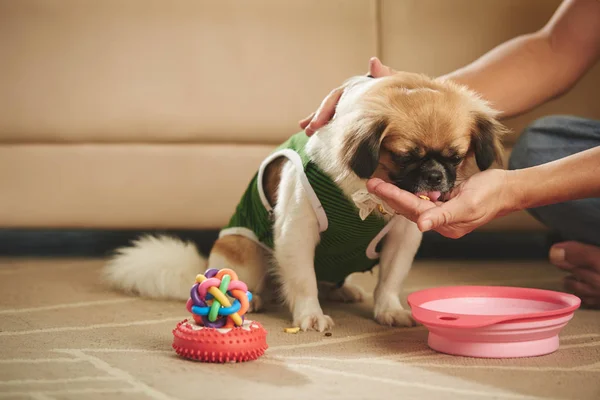
5. Using food as a calm, positive connection
Hand-feeding or offering food during quiet training moments can do more than teach manners. It can help a nervous dog associate a person’s presence with steadiness and reward, while also improving focus and impulse control.
Because dogs rely so much on associative memory, repeated positive pairings matter. Behavioral guidance on canine learning emphasizes consistency and reward-based interactions because the feeling attached to an experience is often what remains strongest in memory.
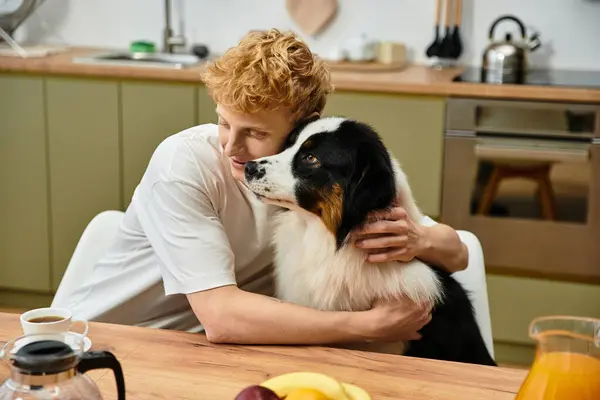
6. Keeping daily life predictable
Routine is one of the most dependable ways to help a dog feel secure. Regular meal times, walks, rest periods, and play sessions reduce uncertainty and help dogs anticipate what comes next. That predictability can lower stress and support better behavior.
Canine memory works especially well with repeated cues and habits. Guidance on long-term learning shows that routine helps reinforce memory through repetition. For a dog, familiar patterns are not dull; they are reassuring.
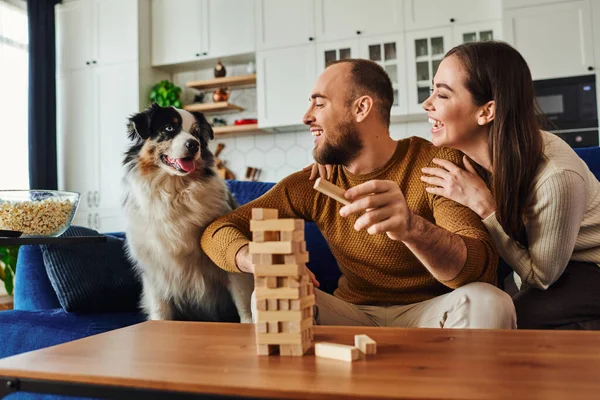
7. Answering their quiet check-ins
Many dogs check in without fanfare. A glance across the room, a gentle nudge, or choosing to lie nearby can all be ways of confirming that the bond is still there. When a person responds with a soft word or brief touch, the interaction becomes a tiny act of recognition.
It is a small exchange. Dogs remember small exchanges. Repeated acknowledgment helps a dog feel seen within the household rhythm. Those moments may look ordinary from the outside, but they can become part of the emotional pattern a dog carries forward.

8. Sharing calm, companionable quiet
Bonding is not always active. Sitting together in the same room, resting on the couch, or simply moving through a day without demands can be deeply meaningful to a dog. Quiet companionship allows closeness without pressure, which can be especially valuable for older dogs or dogs that become overstimulated easily. Studies and behavior summaries suggest dogs remember people through a mix of scent, visual familiarity, and emotional association. In that context, calm shared presence matters.
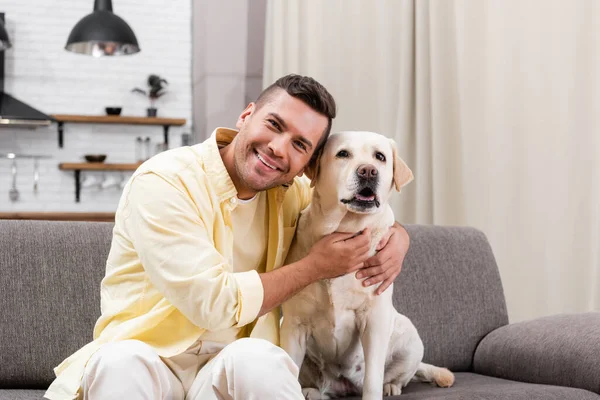
A dog does not need every meaningful memory to be exciting; some of the most lasting ones are simply peaceful. What dogs carry with them is often the emotional texture of daily life. The person who makes walks interesting, routines dependable, and home feel calm becomes memorable in ways that are both simple and enduring. For dogs, the little things are rarely little. They are the structure of trust.