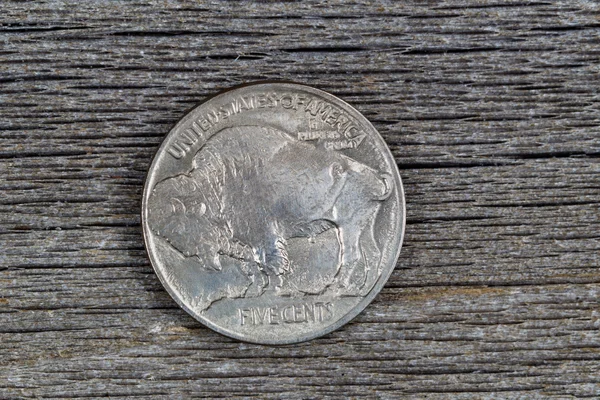
The Buffalo nickel is small enough to disappear into a pocket, yet it carries one of the most ambitious visual statements ever placed on everyday American money. Struck from 1913 to 1938, the five-cent piece brought the imagery of the American West into ordinary circulation with unusual boldness.
Its familiar face and bison have been reproduced so often that the coin can seem instantly knowable. It is not. Behind the design sits a far messier and more revealing story about art, industry, identity, durability, and the limits of turning symbolism into an object meant to survive constant use.
1. It was created as part of a campaign to make American coins look like art
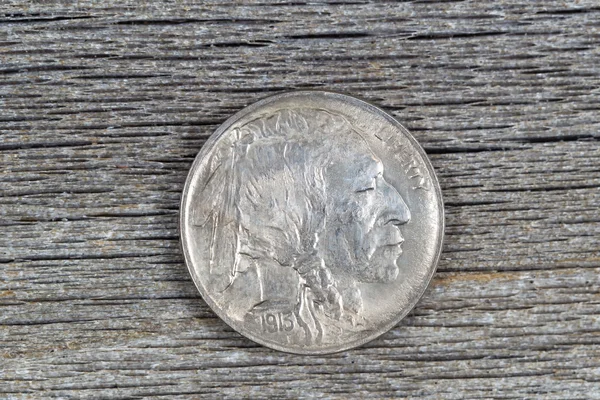
The Buffalo nickel did not appear in isolation. It emerged during the early 20th-century movement to improve the appearance of U.S. coinage after years of utilitarian designs. Sculptor James Earle Fraser was chosen to create a new nickel after the older Liberty Head design had outlived the minimum period that generally protected coin designs from quick replacement. That larger artistic mission mattered. Fraser later explained his intention in a 1947 radio interview: “I felt I wanted to do something totally American a coin that could not be mistaken for any other country’s coin.” The Buffalo nickel became one of the clearest expressions of that idea, replacing allegorical imagery with subjects tied to the nation’s own mythology and landscape.
2. The “Indian” on the front was never one single person
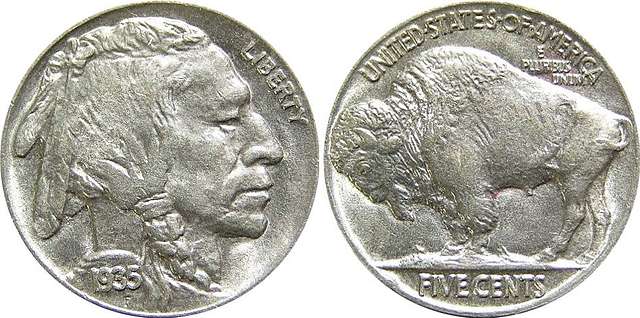
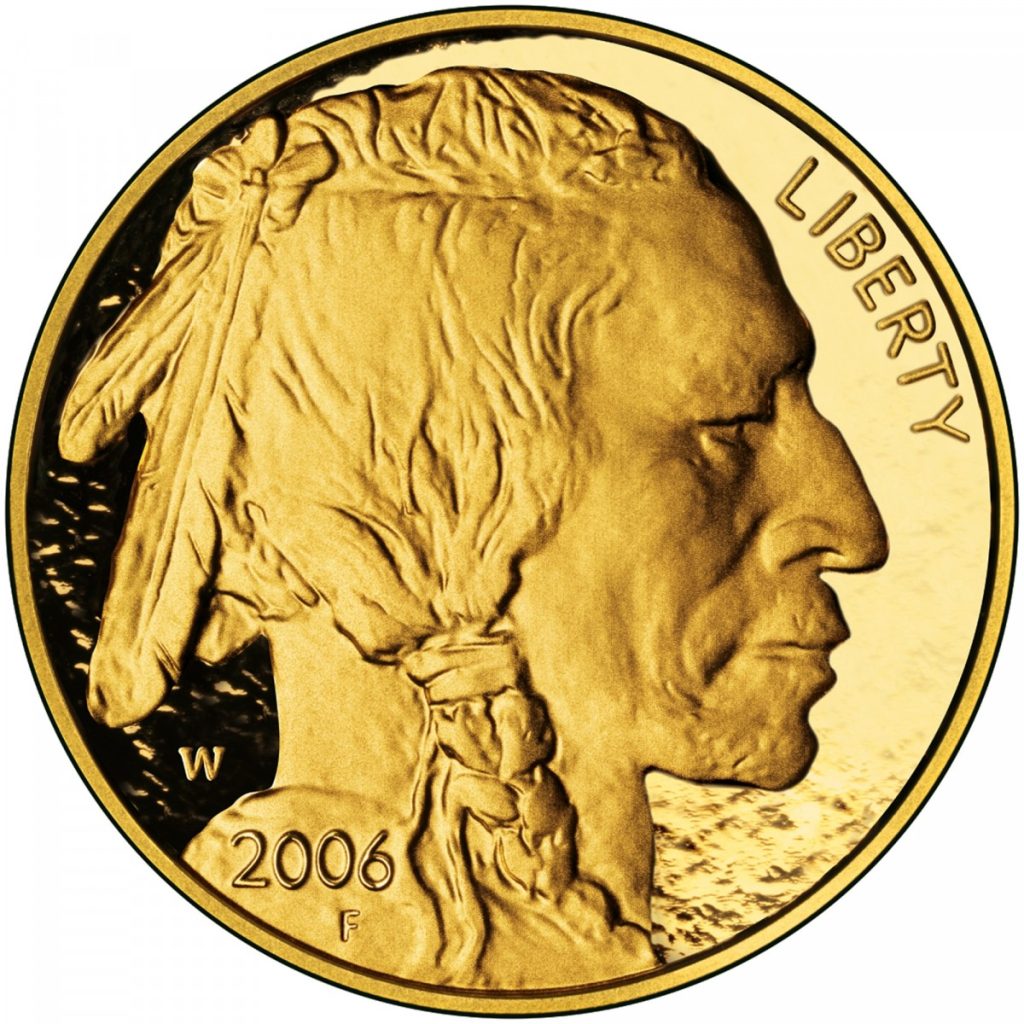
The obverse is often described as a portrait, but Fraser repeatedly said it was a composite. He drew from several Native American men he had known or sketched, with names including Iron Tail and Two Moons appearing in his own later accounts. That left the coin with a face that felt specific, but resisted clean identification. The ambiguity created decades of competing claims. Different men were publicly identified as the model, and families, reporters, and even public officials kept asking the Mint for certainty long after the coin entered circulation. The official answer remained stubbornly consistent: the image was not a single sitter, but a constructed type assembled from several sources. That unresolved origin story is part of why the portrait still feels both intimate and elusive.
3. The buffalo on the back carries its own identity mystery
The reverse is usually linked to Black Diamond, a bison long associated with the coin in popular retellings. Fraser himself later said the animal was Black Diamond, though historical details around where that bison actually lived complicated the claim. The story has never sat neatly. Even the model’s home is disputed, with evidence showing Black Diamond was at the Central Park Zoo, not the Bronx Zoo where the sculptor was often said to have studied the animal. Some numismatic historians have suggested another bison may have been closer to the model. Like the portrait on the front, the reverse holds onto uncertainty.
4. A vending-machine dispute nearly changed the coin before it even launched
One of the strangest chapters in the Buffalo nickel’s life involved machine technology rather than sculpture. The Hobbs Manufacturing Company, which made devices to detect counterfeit slugs in coin-operated machines, objected to Fraser’s design and pushed for modifications before release. The dispute dragged on through meetings, redesign attempts, and increasingly sharp exchanges. Treasury Secretary Franklin MacVeagh ultimately concluded that commercial objections should not override the artistic integrity of the piece and ordered production to proceed. It was a revealing clash: modern money had to satisfy both symbolic ambition and mechanical practicality, and the Buffalo nickel showed how poorly those goals could fit together.
5. The first version was beautiful, but it wore down too fast
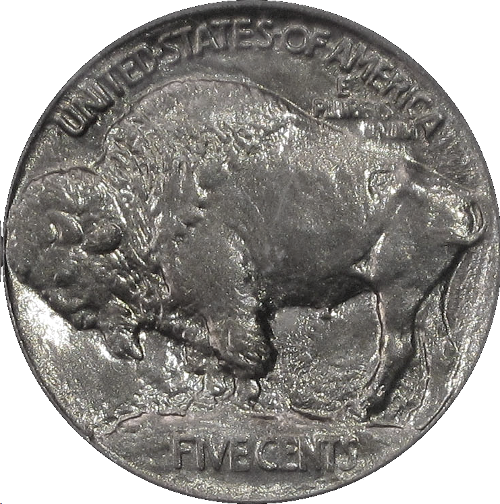
The earliest 1913 reverse, now called Type I, placed the bison on a raised mound with the denomination below it. In circulation, that layout proved vulnerable. The coin’s most exposed features especially the date and the words “FIVE CENTS” wore down quickly, creating a design problem almost immediately. Later in 1913, the Mint shifted to the revised Type II format, flattening the ground and recessing the denomination for better protection. The redesign helped, but it did not solve the deeper weakness. Buffalo nickels remained notorious for losing detail, and countless surviving examples became the famous “dateless” nickels that still turn up in old collections and coin jars.
6. Its biggest flaw became one of its defining legends
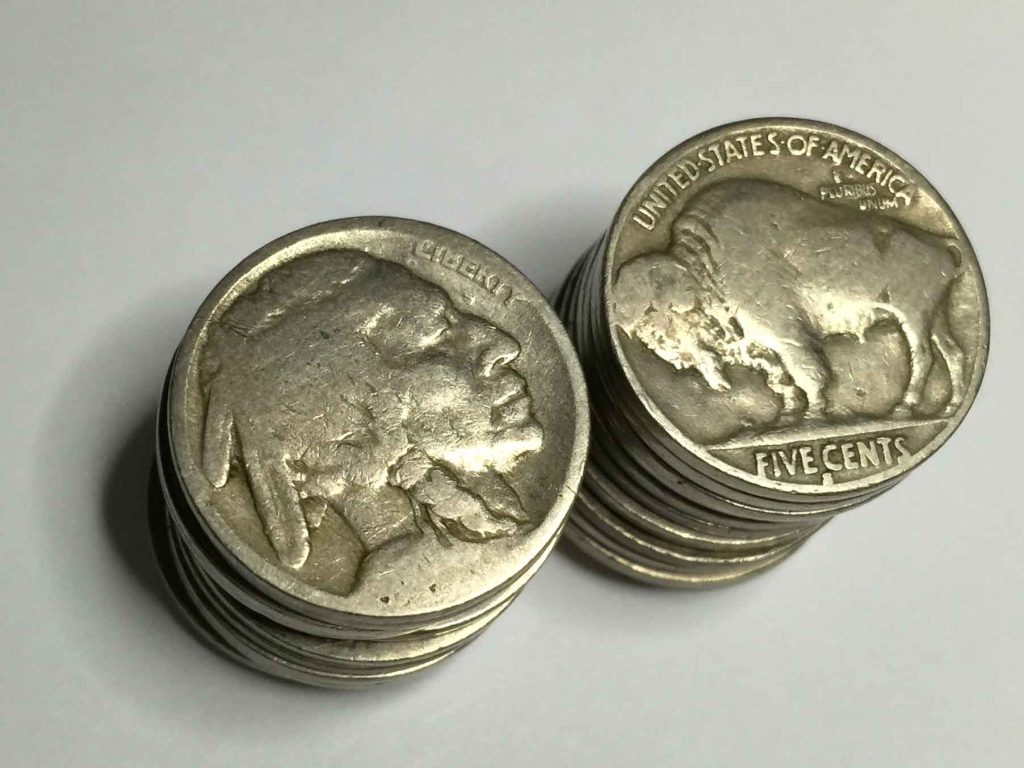
The Buffalo nickel’s disappearing date is not a mint error. It is the consequence of a high-relief design placed on a coin that saw heavy use. Because the date sat in an exposed area, ordinary circulation often erased it long before the coin left service. That flaw changed how people experienced the coin. A Buffalo nickel could become partly anonymous through wear, stripped of the very year that anchored it in time. It is one reason the series developed a near-mythic reputation among casual finders: a dateless Buffalo nickel feels like an artifact recovered without a label, familiar but partly lost.
7. One accidental variety turned the bison into a famous oddity
Among the many Buffalo nickel varieties, none is more famous than the 1937–D “three-legged” nickel. The missing leg was not an intentional design experiment. It resulted from die work at the Denver Mint that removed or weakened one of the buffalo’s legs before more coins were struck. What makes the variety enduring is how visually immediate it is. No magnifying glass is needed to understand why it captured attention. In a series already known for strike problems, this one transformed technical mishap into folklore.
8. It lasted only 25 years, but its afterlife has been unusually strong
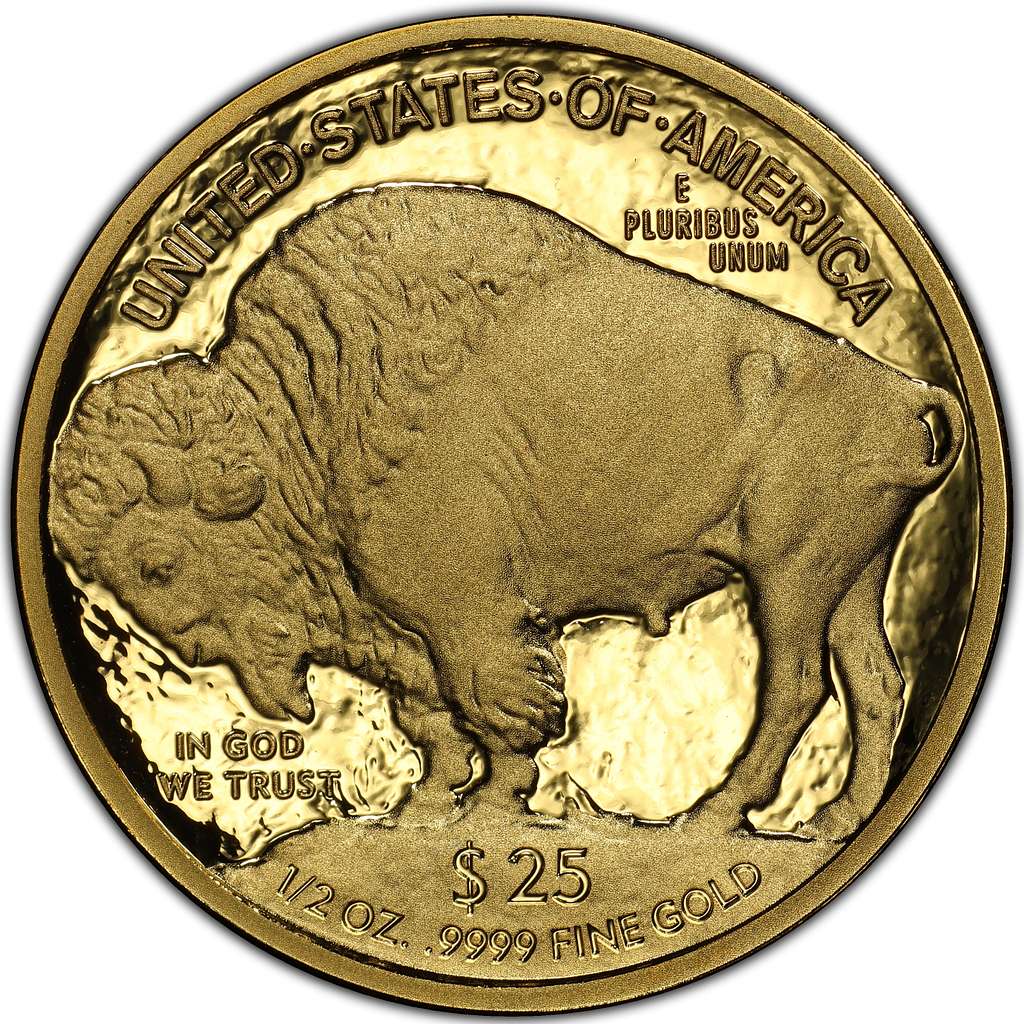
Once the coin had served the required span, it was replaced in 1938 by the Jefferson nickel. The official reason was practical as much as aesthetic: the Buffalo nickel had never become easy to strike or durable in use. Yet removal did not reduce its cultural grip. Fraser’s design kept returning. It appeared again on a 2001 commemorative silver dollar and later on the American Buffalo gold series, proof that the image outlasted the production headaches that once plagued it.
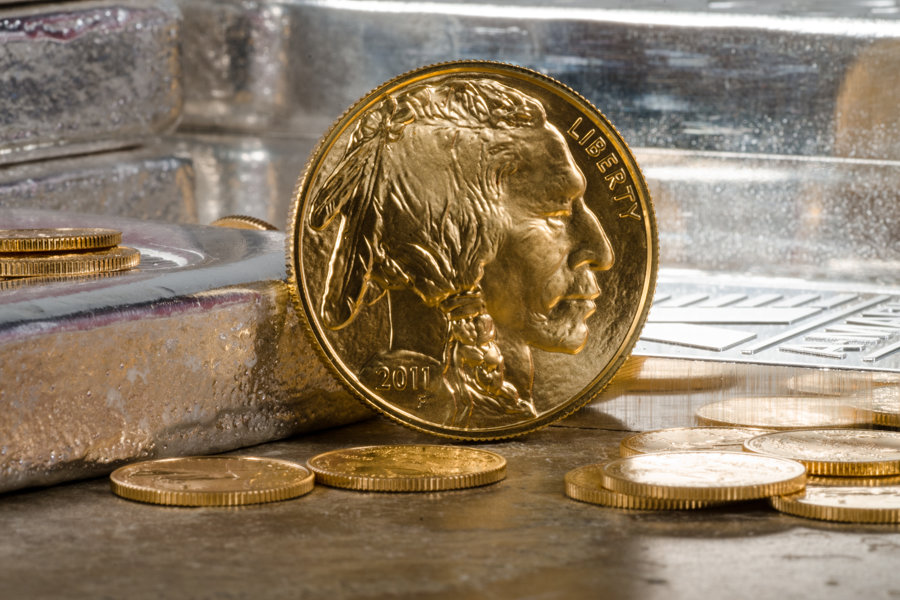
Few U.S. coins have remained so instantly recognizable after leaving circulation. The Buffalo nickel endures because it contains contradictions in plain sight. It was meant to be durable but wore away quickly, meant to be specific but built from composites, and meant for everyday exchange while aspiring to national symbolism. That tension is the coin’s real hidden story. America did not just mint a nickel in 1913; it minted an argument about what the country wanted its money to say.