Store closures still shape plenty of headlines, but 2026 is also turning into a year of aggressive expansion for several household chains. Across grocery, discount retail, books, warehouse clubs, and apparel, major brands are adding new locations as they chase convenience, value, and stronger in-person shopping habits.
That push is unfolding while U.S. retailers are expected to open about 5,500 stores in 2026, according to Coresight Research. The biggest plans are concentrated among chains that already know how to scale: discounters, grocers, and retailers with a clear reason for shoppers to visit in person.
1. Dollar General
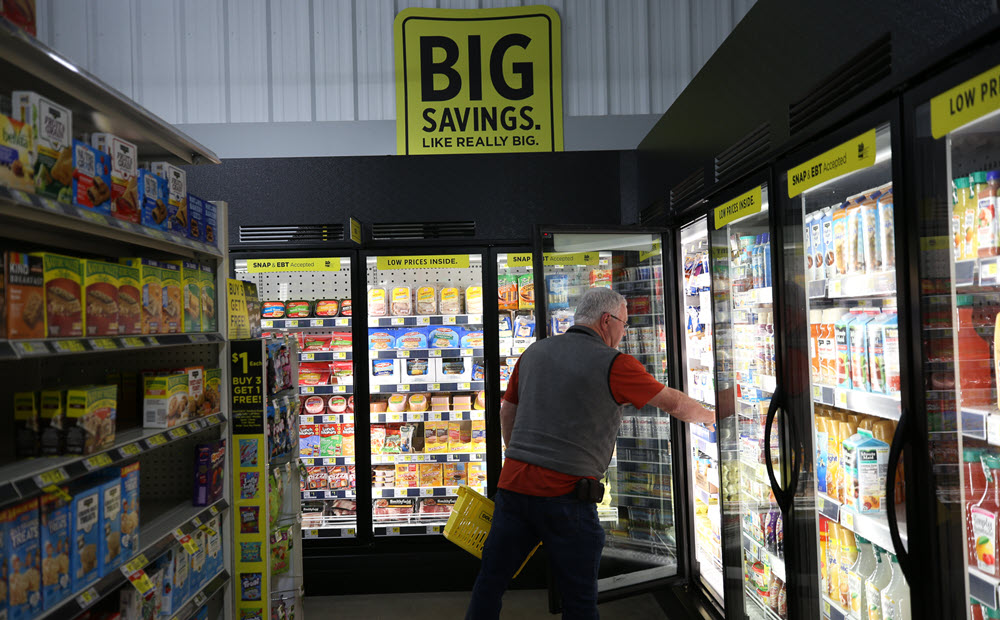
Dollar General is planning 450 new stores in 2026, giving it one of the largest expansion pushes in the country. The company’s leadership signaled a more measured pace than earlier targets, but the number still places it at the front of the year’s store-growth story.
CEO Todd Vasos said on an earnings call, “Our competition today is really not opening a lot of stores. We don’t feel compelled to have to rush to open a lot of stores.” Even without a sprint, Dollar General’s footprint continues to grow around a value-focused model that has stayed relevant in a high-cost environment.
2. Aldi
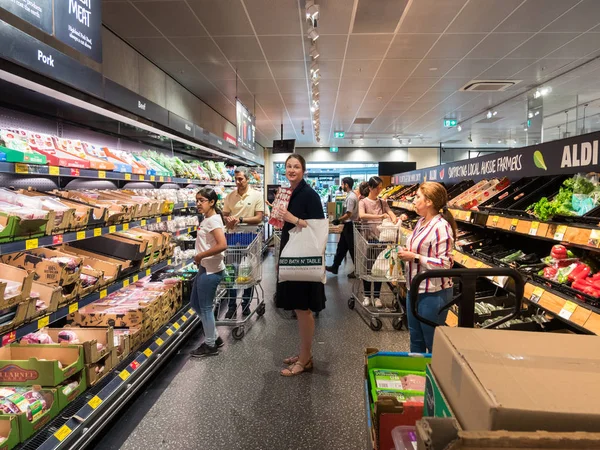
Aldi has committed to more than 180 new U.S. stores by the end of 2026 across 31 states. The grocery chain is also moving closer to a longer-term goal of 3,200 U.S. locations by the end of 2028, extending a multi-year expansion that has made it one of the country’s most closely watched food retailers.
Part of that strategy includes converting former Southeastern Grocers locations. Aldi is in the middle of turning some Winn-Dixie and Harveys stores into Aldi banners, adding another layer to its nationwide growth beyond brand-new builds.
3. Ollie’s Bargain Outlet
Ollie’s is targeting 75 new stores in fiscal 2026, continuing the momentum it built after strong foot traffic and new openings in 2025. The discount chain has leaned heavily into expansion while many traditional retailers remain selective about physical growth.
Company leadership made clear that new locations remain central to the business. President and CEO Eric van der Valk said, “Opening new stores remains our highest, the best use of capital.”

4. Barnes & Noble
Barnes & Noble plans to open more than 60 stores in 2026, with new locations spread across states including Ohio, Texas, Florida, Illinois, Colorado, Washington, California, Virginia, Georgia, and Washington, D.C. That makes the bookseller one of the year’s most notable examples of a legacy chain expanding rather than shrinking.
The company has tied its improvement to a more localized approach inside stores. In a statement reported earlier this year, Barnes & Noble said, “Barnes & Noble is enjoying a period of tremendous growth as the strategy to hand control of each bookstore to its local booksellers has proven so successful.”
5. BJ’s Wholesale Club
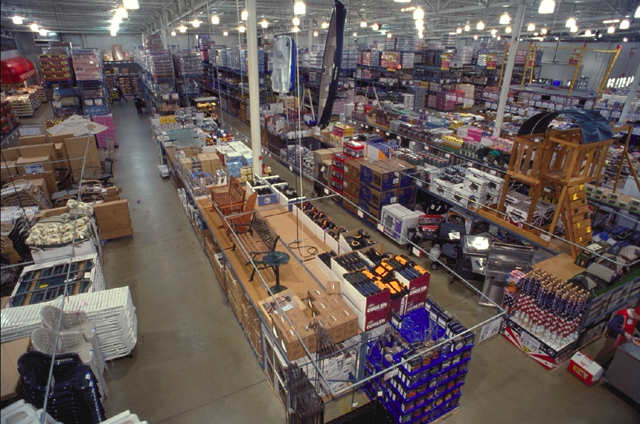
BJ’s Wholesale Club is aiming to finish 2026 with 25 to 30 new stores, including those opened previously in its current pipeline. Confirmed locations mentioned in earlier reporting include Foley, Alabama; Delray Beach, Florida; Selma, North Carolina; Chattanooga, Tennessee; and several Texas markets.
The warehouse retailer’s executives have described recent openings as outperforming expectations. That matters in a segment where shoppers often visit for both bulk buying and routine household trips, making physical locations a core part of the membership model.
6. Kroger
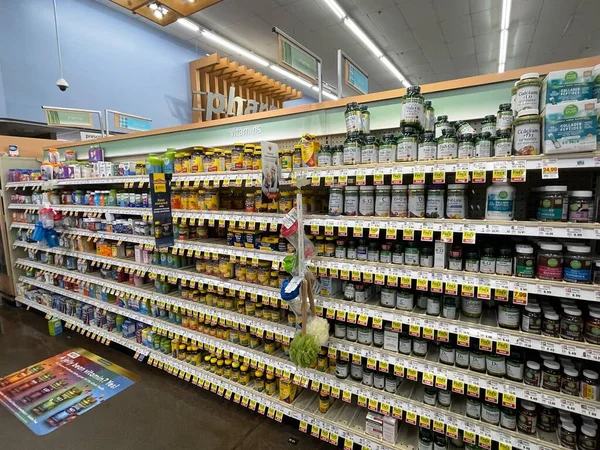
Kroger has confirmed plans to break ground on 14 new stores in 2026. The grocery company had already told investors that store openings would increase this year, signaling a bigger commitment to physical expansion even as grocery e-commerce continues to reshape how Americans shop.
The company’s approach stands out because it combines new stores with a broader rethink of fulfillment and digital operations. Instead of treating online and in-store growth as opposing ideas, Kroger appears to be tightening its physical network where it sees sustained local demand.
7. Nordstrom Rack
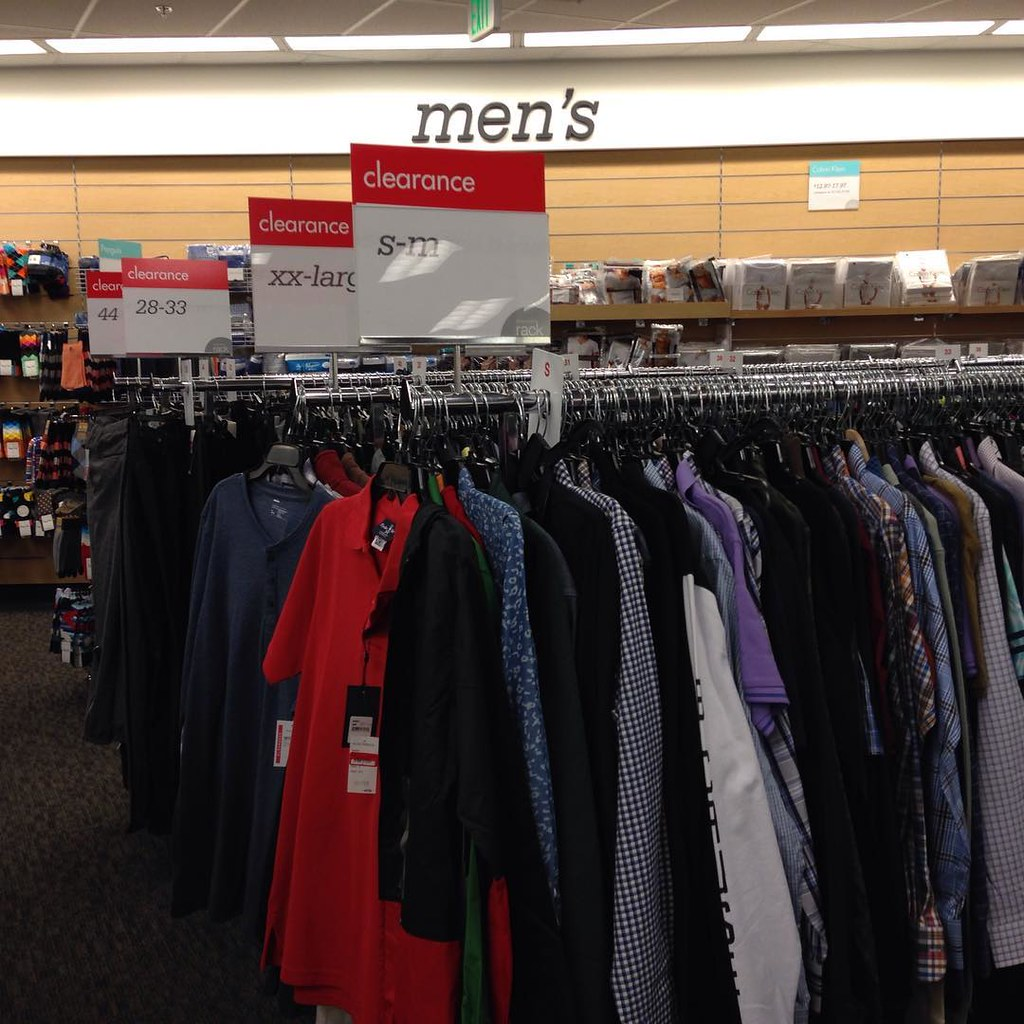
Nordstrom Rack is opening 14 stores across 10 states in 2026, with cities including Sarasota, Orlando, Tampa, Spokane, Rockville, Knoxville, and Encinitas on the list. The off-price retailer’s expansion reflects how discount-oriented apparel formats continue to outperform many traditional department store models.
Its growth also fits a larger industry pattern: shoppers still respond to recognizable brands, but they increasingly do it through formats built around value and convenience rather than full-line department store shopping.
8. Uniqlo
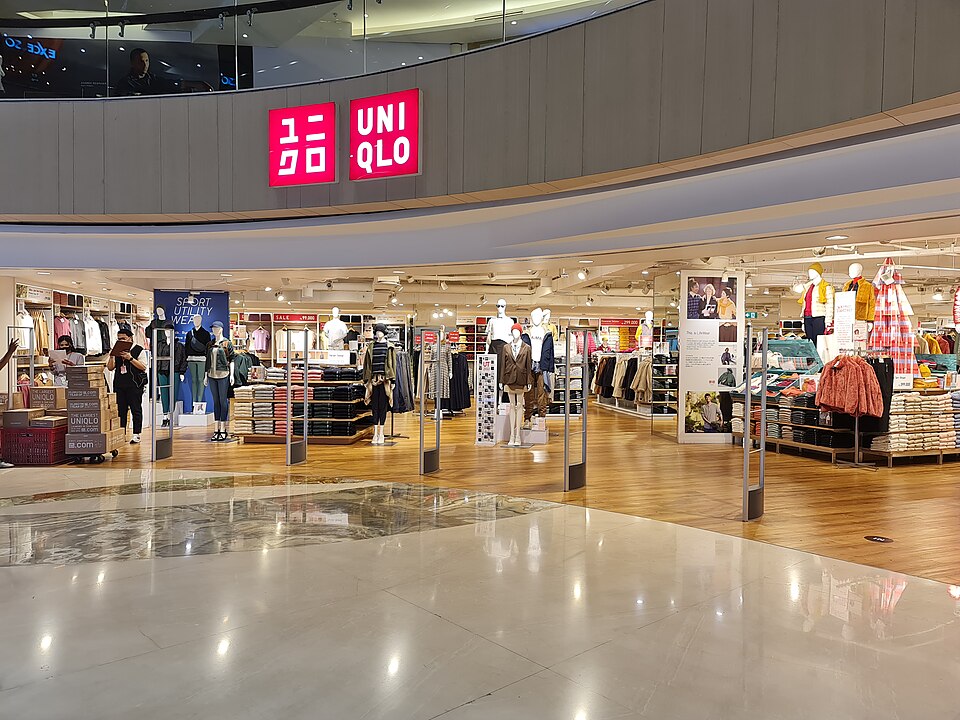
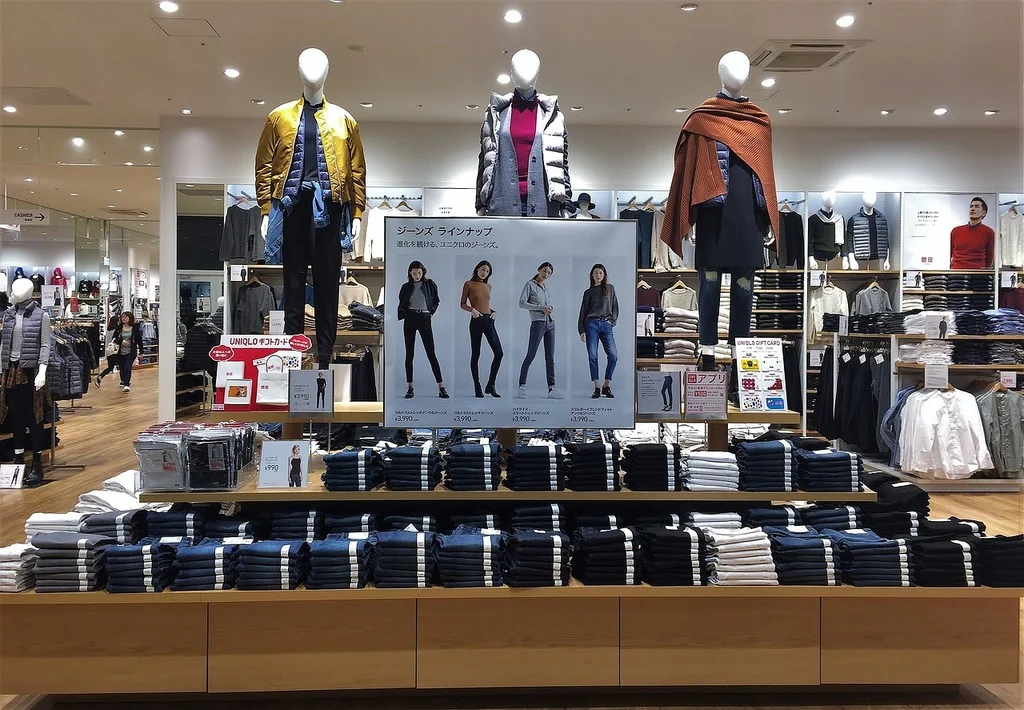
Uniqlo is set to open 11 U.S. stores in 2026 across markets including California, Illinois, Maryland, Massachusetts, New York, Washington, and Washington, D.C. The openings include multiple stores in New York City and Chicago, along with new flagship locations highlighted in retail reporting.
Fuminori Adachi, Uniqlo’s U.S. CEO, said, “These new stores are not only a milestone of our growth, but a way of honoring the customers who welcomed us two decades ago and continue to inspire everything we do.” The statement positions the expansion as both a scale move and a signal of confidence in brick-and-mortar demand.
Taken together, these openings show that physical retail in 2026 is not disappearing so much as being reallocated. The strongest expansion is happening in formats that deliver something clear: lower prices, faster replenishment, local convenience, or a more distinct store experience.
For shoppers, that means more than new addresses on a map. It means more neighborhoods are being added to the national retail footprint of chains that believe in stores as everyday access points, not just brand billboards.