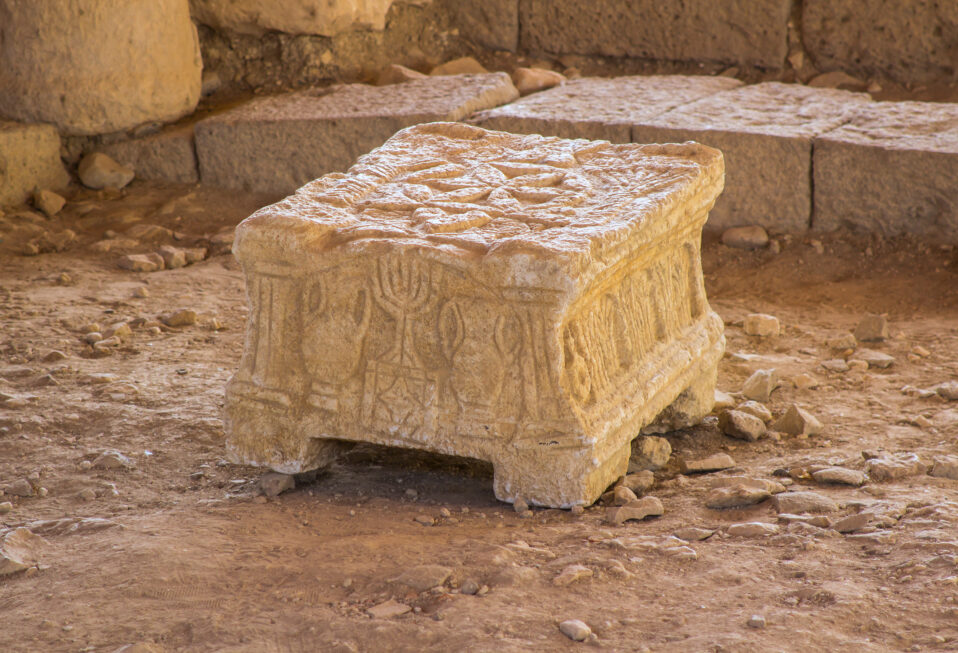
Early Israelite religion did not emerge in a vacuum. Archaeology has instead revealed a crowded sacred landscape filled with altars, shrine models, ritual baths, temple inscriptions, and figurines that point to a long religious transition rather than a single abrupt change.
That transition matters because the material record preserves what texts often compress: a movement from local shrines and mixed practices toward the growing authority of one God, one sanctuary, and eventually one theological center. The finds below do not tell a simple story, but together they show how worship in ancient Israel and Judah was shaped, contested, and gradually concentrated.
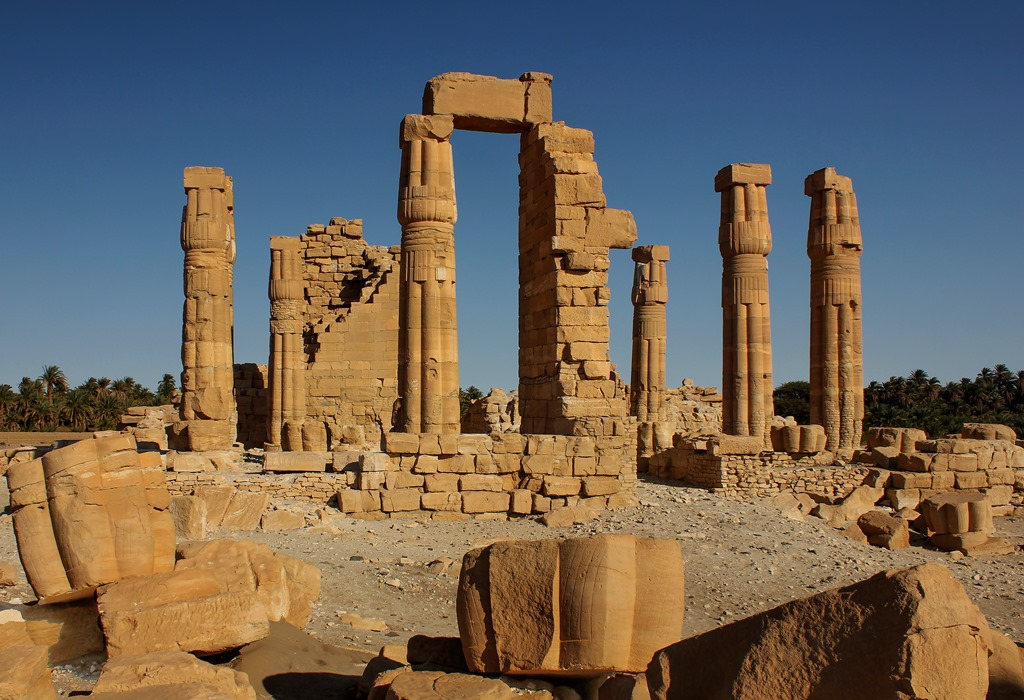
1. The Soleb inscription and the early appearance of Yahweh’s name
One of the oldest extra-biblical clues to Yahweh worship comes from the Soleb inscription, an Egyptian inscription from the reign of Amenhotep III. It refers to the “land of the shasu of Yahweh”, linking the divine name to a group known to Egyptian sources in the southern Levant.
Its importance lies in chronology. The inscription shows that Yahweh was known outside biblical tradition at a very early date, and that this name was associated with a people distinctive enough to be named in Egyptian imperial records. For historians of religion, that makes Yahweh worship visible before later monarchic reforms and before Jerusalem’s temple became the unrivaled center of worship.
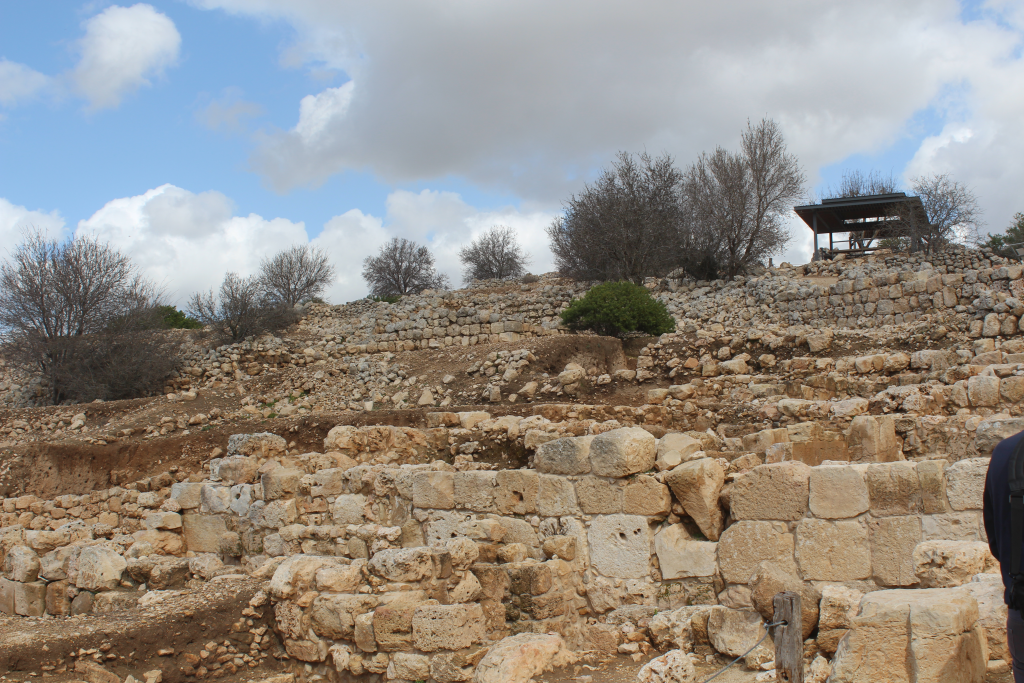
2. Shiloh’s sacrificial remains and the memory of an early cult center
No tent sanctuary survives from Shiloh, but excavations have produced a different kind of evidence: large deposits of animal remains from the late second millennium BCE, identified as sacrificial waste from kosher species. That pattern distinguishes the site from neighboring religious cultures and suggests organized ritual activity on a significant scale.
A small ceramic pomegranate found there adds another layer. Pomegranate imagery later appears prominently in Israelite priestly and temple decoration, so the object hints at an established symbolic vocabulary already in use. Shiloh therefore matters less for monumental architecture than for showing that centralized worship traditions predated Jerusalem.
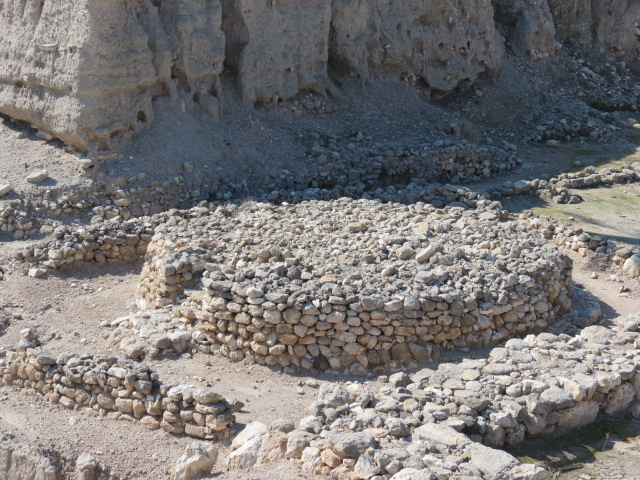
3. High places and altars that reveal decentralized worship
Before worship was fully tied to one sanctuary, sacred activity took place at multiple local sites. Archaeological work on high places and altars helps explain that world. These bamot were not always literally on mountaintops; some stood near towns, gates, and valleys, but they functioned as local ritual centers.
The Beersheba horned altar is especially striking. Reassembled from stones later reused in a wall, it preserves the four-cornered “horned” form known from biblical altar descriptions. Such finds show that sacrifice was not merely an abstract theological idea. It was embedded in physical installations across the land, which helps explain why later campaigns to centralize worship had to confront an existing network rather than a blank religious map.
4. Tel Dan’s sanctuary and the politics of rival worship
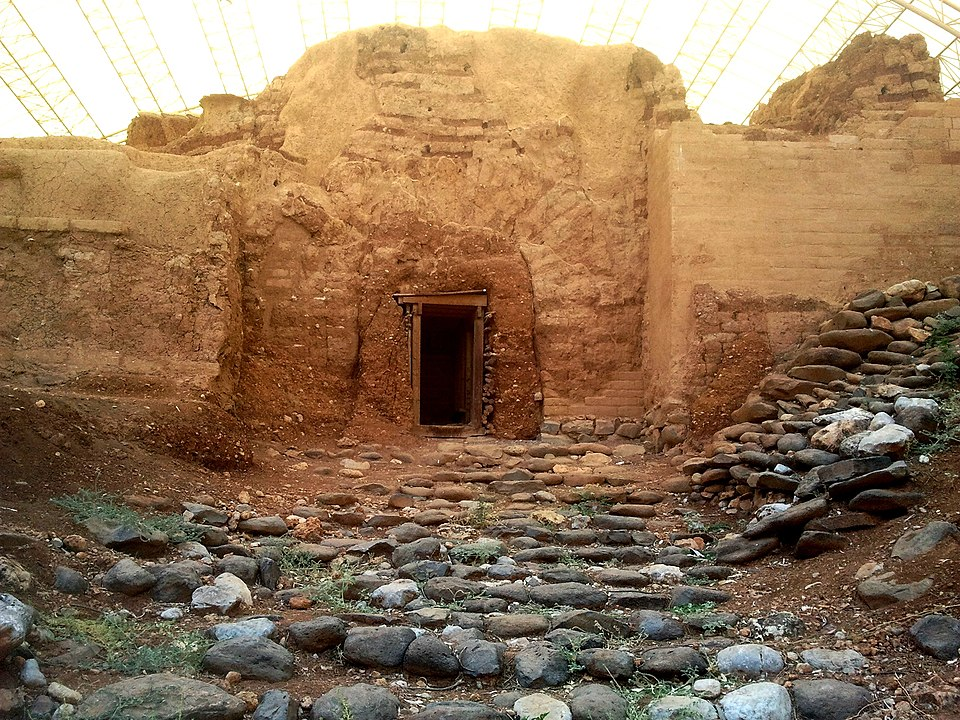
At Tel Dan, archaeologists uncovered a large cultic platform and altar complex dating to the period of the northern kingdom. The site demonstrates that royal-sponsored worship outside Jerusalem was not marginal. It was monumental, public, and durable.
This matters for the history of monotheism because the rise of exclusive Yahweh worship was bound up with questions of place as much as belief. A rival sanctuary meant a rival religious center, complete with sacrificial apparatus and political meaning. The struggle was not only over which god should be worshiped, but also over where proper worship belonged.
5. Temple-shaped models and architectural memory at Khirbet Qeiyafa
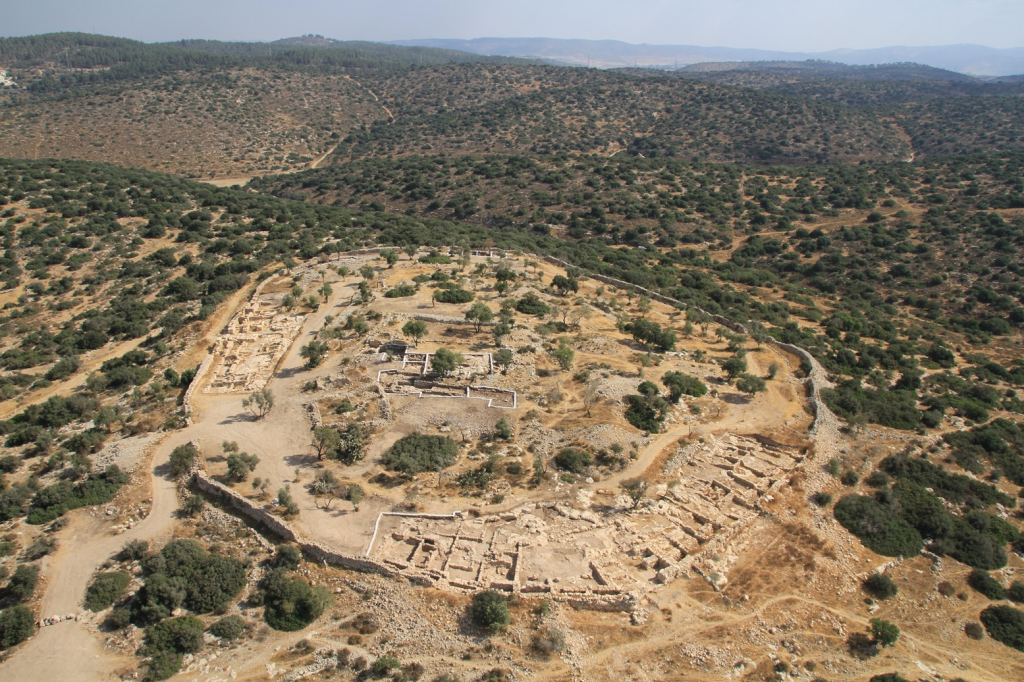
A carved shrine model from Khirbet Qeiyafa has drawn attention because its architectural details resemble features later associated with Israelite temple design. Recessed doorframes and beam patterns suggest that formal sacred architecture was already being imagined in miniature during the 10th century BCE.
Even without proving the layout of Solomon’s temple, the object shows that a recognizable temple vocabulary circulated in Judah early on. Miniature shrines can preserve ideas larger buildings no longer do. In that sense, the model offers a glimpse into how sacred space was conceived before later stone remains become easier to trace.
6. Arad’s “house of YHWH” and the persistence of local sanctuaries
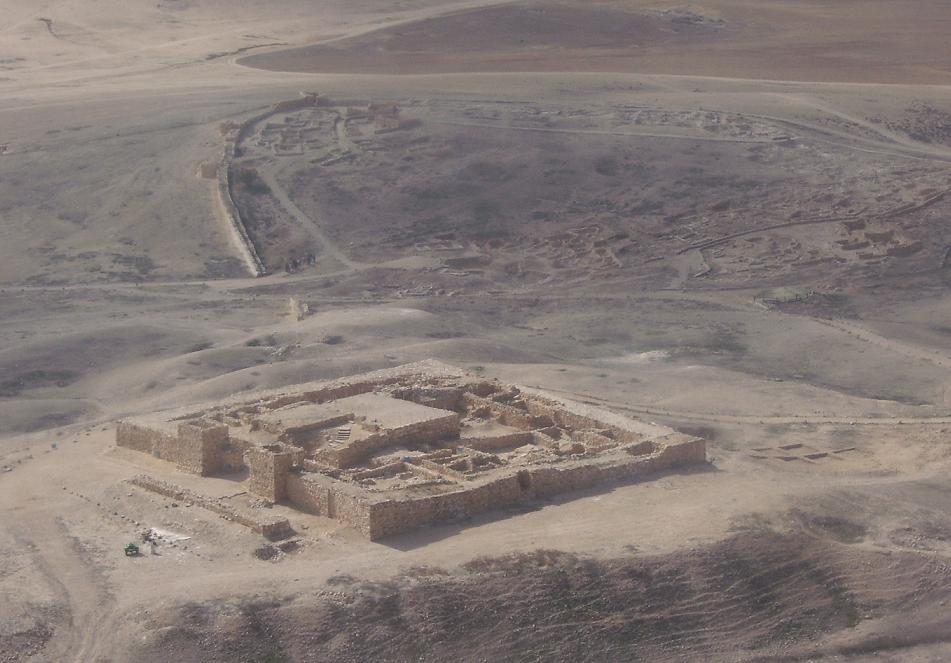
An ostracon from Tel Arad mentions the “house of YHWH,” and the site itself also preserved the remains of a temple. Whatever the exact destination of the text, the phrase is revealing because it confirms that Yahweh-centered worship could be described in temple terms beyond Jerusalem.
That evidence complicates any tidy picture of early monotheism. Devotion to Yahweh did not automatically eliminate multiple sanctuaries. Instead, the archaeological record suggests a long overlap: Yahweh could be worshiped locally even as the ideology of a single legitimate sanctuary was gaining force.
7. Figurines from Jerusalem that expose religious mixing
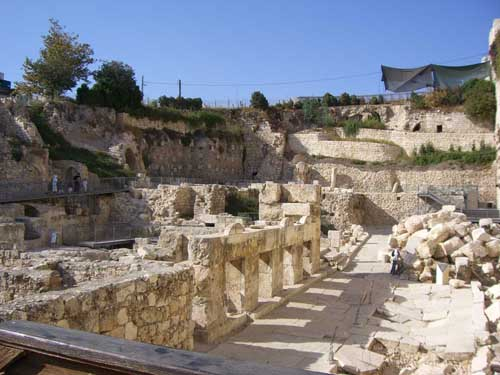
Excavations in Jerusalem have yielded amulets and figurines linked to Egyptian and Canaanite traditions, including Bes, Sekhmet, Anat, Horus-eye motifs, and nude fertility figures. Finds from ancient Jerusalem excavations show that the city associated with temple worship also hosted a far more mixed devotional life.
These objects are important because they move the discussion beyond official religion. They suggest household fears, hopes, and protective practices tied to childbirth, healing, fertility, and danger. Some were made from local clay, which indicates that foreign symbolism had been adopted into local practice rather than simply imported. Monotheism, in other words, had to take root in a city where everyday ritual life could still be crowded with other sacred powers.
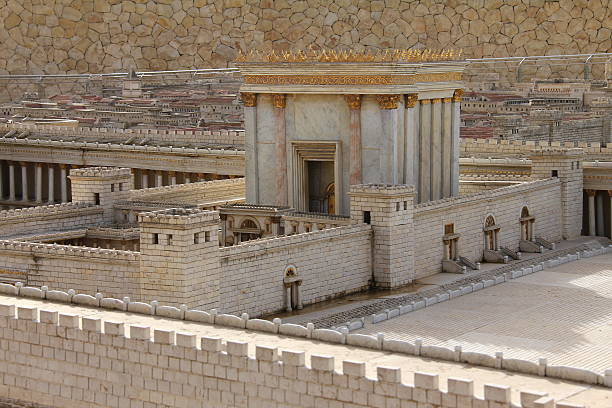
8. Mikvaot and the expansion of purity around the Jerusalem temple
Archaeologists have found hundreds of mikvaot, or ritual baths, around ancient Jerusalem. Their density points to a city organized around access to sacred space. Purity was not incidental; it was built into the urban environment.
This is one of the clearest signs of the temple’s gravitational pull in the late Second Temple period. The more worship focused on a single sanctuary, the more preparation for approaching that sanctuary became part of daily movement through the city. Ritual practice was no longer dispersed only through village altars and household objects. It was increasingly shaped by pilgrimage, purity, and the discipline of approaching one holy center.
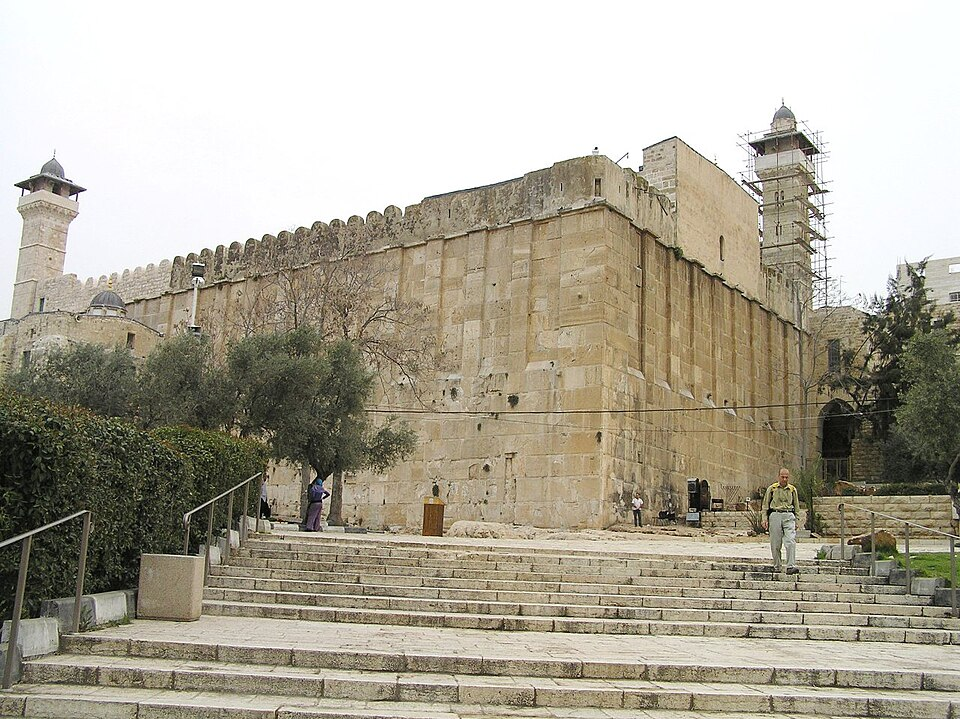
9. Herodian temple inscriptions and the authority of a sacred boundary
Among the most tangible remains of the Second Temple are Greek warning inscriptions that barred foreigners from entering inner sacred areas on penalty of death. These stones confirm ancient descriptions of the temple’s restricted zones and make the sacred boundary physically visible.
They also reveal a mature religious system in which holiness was regulated through architecture, language, and law. The temple was not only a building for sacrifice. It was a controlled sacred world with graded access, formal warnings, and public statements of who could approach. By this stage, worship had become intensely centralized, and the temple stood as the clearest material expression of that concentration.
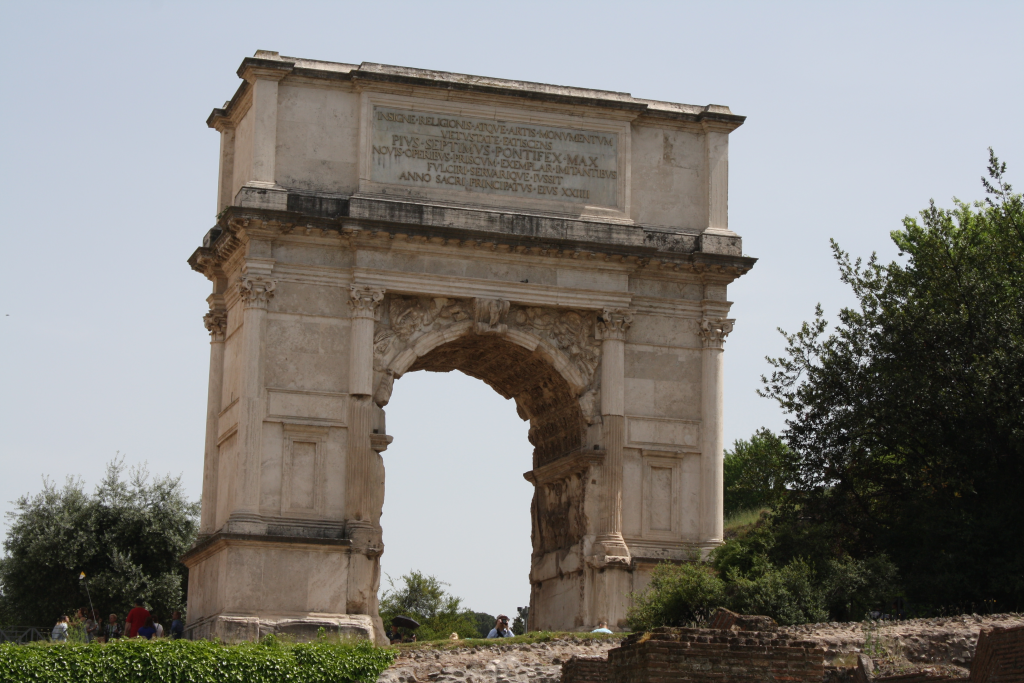
10. The Arch of Titus and coins that preserve the temple’s final memory
The Roman Arch of Titus depicts spoils from Jerusalem, including the temple menorah, while later Jewish revolt coins portray the temple façade. Both are post-destruction witnesses, but they preserve the temple’s symbolic power after the sanctuary itself was gone.
Their significance reaches beyond architecture. Once the temple was destroyed, memory of it became a vehicle for identity. The central sanctuary had so thoroughly shaped Jewish religious life that even its absence remained visually and politically charged. In that sense, these late artifacts illuminate the end point of a long process: a faith once marked by many shrines and mixed practices had come to imagine sacred authority through one lost center.
Taken together, these discoveries show that early Israelite worship changed through accumulation, contest, and reform. Archaeology does not flatten that process. It makes it more vivid.
From Shiloh’s sacrificial debris to Jerusalem’s purity baths and temple inscriptions, the material record traces a religious history in which local practice slowly yielded to centralization, and devotion to Yahweh moved toward a more exclusive form. The rise of monotheism appears not as a single moment, but as a long transformation written into stone, clay, bone, and ash.