
Hollywood has never lacked confidence in its ability to build a star. What it has often lacked is consistency: the right project, the right follow-through, and the willingness to keep investing when an actress does not break through on the first try.
That gap matters even more in an industry where Latino performers remain underrepresented. UCLA research found that only 3.3% had Latino lead actors among top streaming comedies and dramas, despite repeated evidence that diverse casts connect with audiences. The pattern helps explain why so many Latina actresses have been heavily promoted, then left without the long-term studio backing that usually turns visibility into lasting A-list status.
These performers did not disappear. Many built durable careers in television, international film, voice work, and ensemble projects. But the blockbuster path Hollywood seemed to map out for them often stopped short.

1. Camilla Belle
Camilla Belle arrived with the kind of studio momentum that usually signals an impending leading-lady run. Big-budget films like “10,000 BC” and the supernatural thriller “Push” positioned her as a polished, globally marketable face. The push was visible across mainstream entertainment coverage at the time, and the expectation was clear.
Instead, her career settled into smaller films and selective screen appearances. The early tentpole strategy generated attention, but not the sustained box-office identity that studios appeared to want.
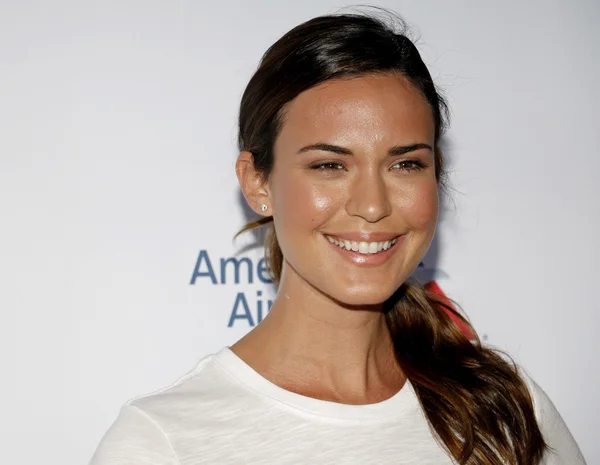
2. Odette Annable
Odette Annable had a high-profile start in “Cloverfield,” a release surrounded by intense audience curiosity, then moved into another horror lead with “The Unborn.” That combination often works as a launchpad for a wider film career, especially when an actress is introduced through commercially visible genre fare.
Her most durable success ended up on television. She stayed recognizable, but not as the movie headliner those early roles seemed to forecast.

3. Paz Vega
Paz Vega entered the American market with “Spanglish,” a prestige-friendly crossover effort that gave Hollywood a chance to present her as an international discovery. Later roles, including “The Spirit,” kept her near major studio machinery, but those projects did not create lasting momentum with U.S. audiences.
Her career remained active, just not in the lane Hollywood initially mapped for her. In many ways, her story reflects an old studio habit: import charisma, test it in English-language features, then retreat quickly if the first wave does not stick.
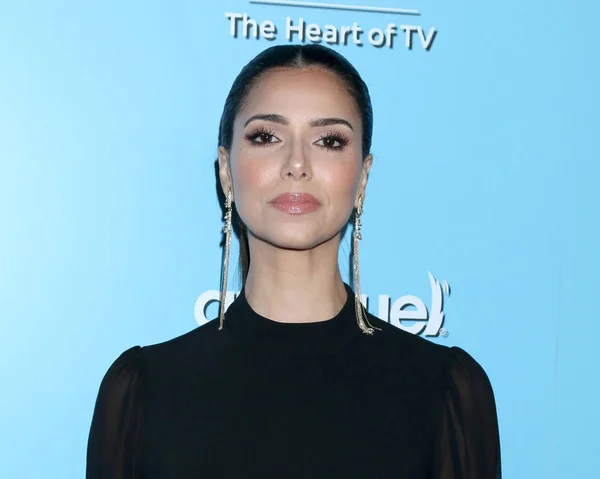
4. Roselyn Sánchez
After “Rush Hour 2,” Roselyn Sánchez looked like a natural candidate for bigger commercial vehicles. She had visibility, comic timing, and familiarity with mainstream audiences. Follow-up films like “Boat Trip” and “Basic” suggested that studios were trying to widen her appeal across genres.
Yet television proved more stable than film. Her career lasted, but the hoped-for shift into dependable movie stardom never fully arrived.

5. Ana de la Reguera
Ana de la Reguera came to Hollywood with substantial fame from Mexico, then gained U.S. exposure through “Nacho Libre” and later “Cowboys & Aliens.” Her assignments often placed her near major stars, but rarely at the center of the frame.
That distinction matters. Industry data has repeatedly shown a wider problem of underinvestment, including only 2.7% directing credits and 2.8% writing credits for Latinos in top films cited in UCLA reporting, limiting the pipeline that can create fuller star vehicles. De la Reguera found steady work, but not the U.S. lead roles her profile suggested she could carry.
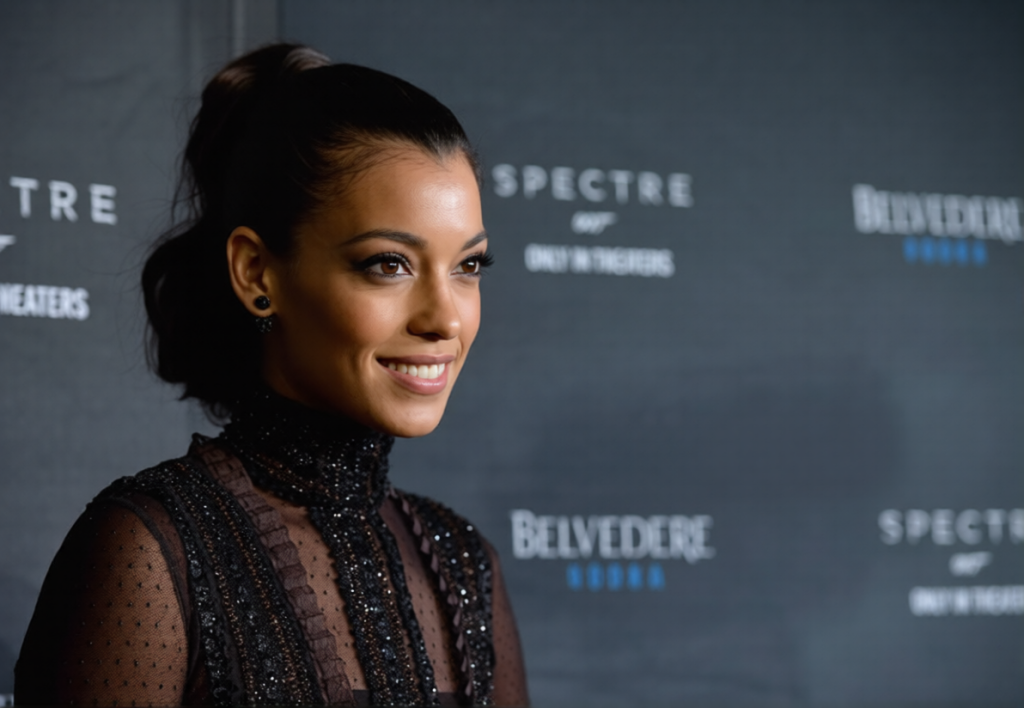
6. Stephanie Sigman
Stephanie Sigman checked several boxes studios usually prize: franchise association, genre credibility, and global exposure. “Spectre” gave her Bond-world visibility, while “Annabelle: Creation” connected her to a hit horror property.
Still, franchise proximity did not translate into a run of headline film roles. Her résumé stayed impressive, but the leap from recognizable presence to marquee draw never became permanent.

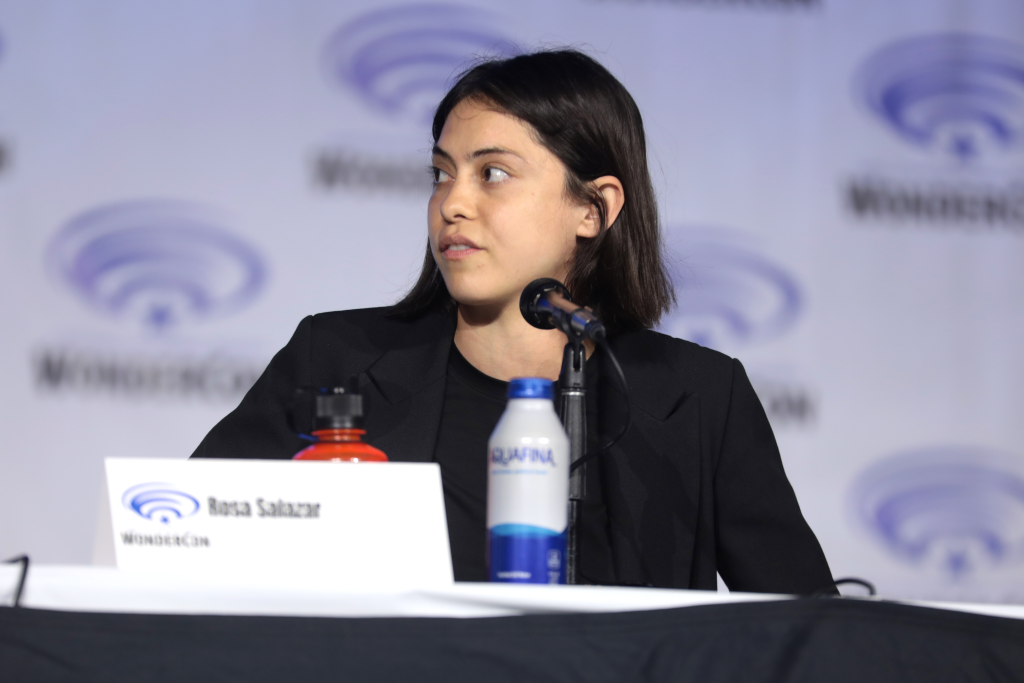
7. Rosa Salazar
Rosa Salazar received one of the clearest blockbuster bets on this list when she took the title role in “Alita: Battle Angel”. Backed by James Cameron and a massive visual-effects campaign, the film looked like the start of a franchise-centered ascent.
The result was more complicated. “Alita” developed committed fans, but not the immediate franchise machine that usually cements a new studio lead. That outcome mirrors a broader industry contradiction: films with stronger diversity often perform well, yet studio commitment remains uneven. UCLA’s newer analysis found that people of color drove opening weekend domestic sales for many top releases even as opportunities fell.
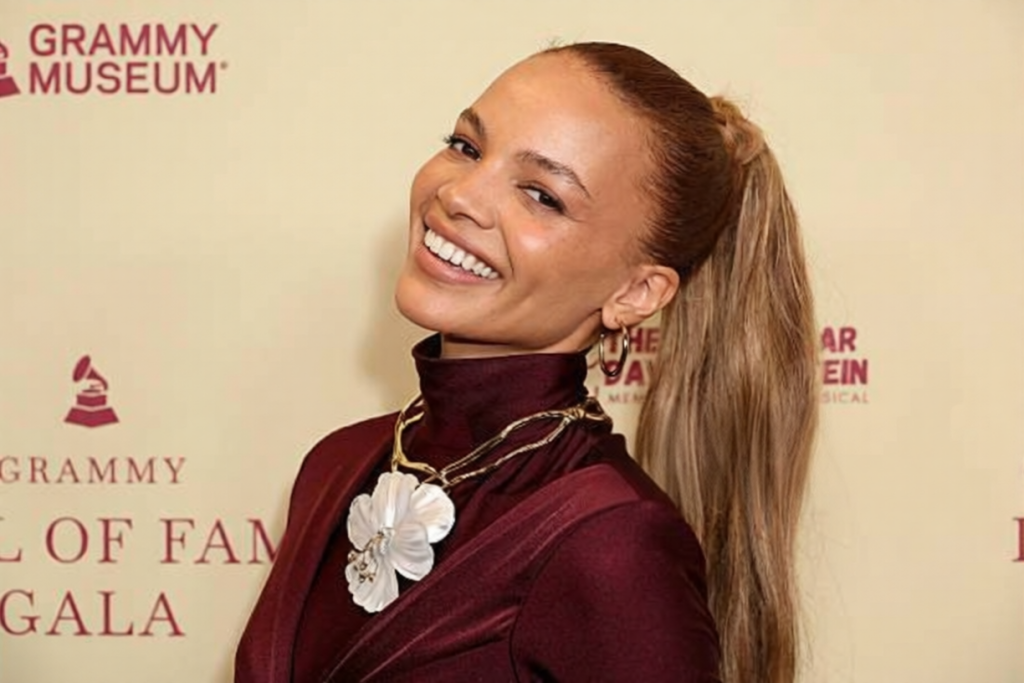
8. Leslie Grace
Leslie Grace had one of the sharpest stops in recent Hollywood memory. “In the Heights” introduced her to film audiences, and “Batgirl” was meant to be a major leap into franchise territory. The movie was completed, then shelved before release.
That left a career inflection point without the actual showcase. It also illustrated how fragile star-making plans can be when a studio changes course.
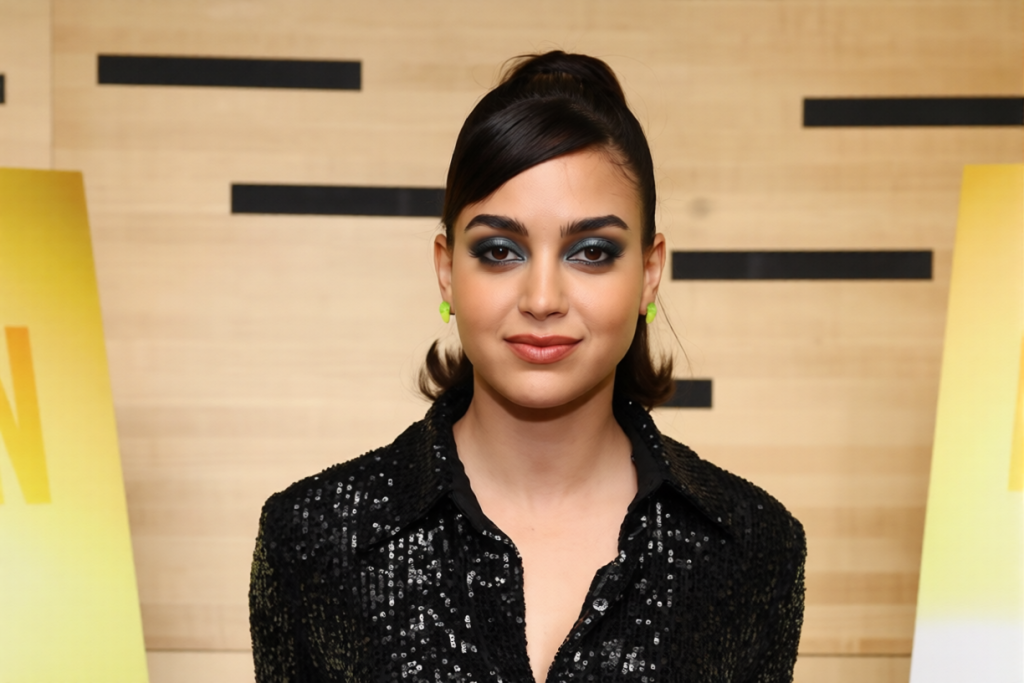
9. Melissa Barrera
Melissa Barrera moved from “In the Heights” into the revived “Scream” series, where she appeared to be building a strong mainstream foothold. She had the mix of genre appeal, visibility, and momentum that can turn a rising actor into a repeat studio lead.
That climb was interrupted before it could mature into something more durable. Her trajectory remains notable because it showed how quickly an actress can gain ground in Hollywood, and how quickly that ground can shift.
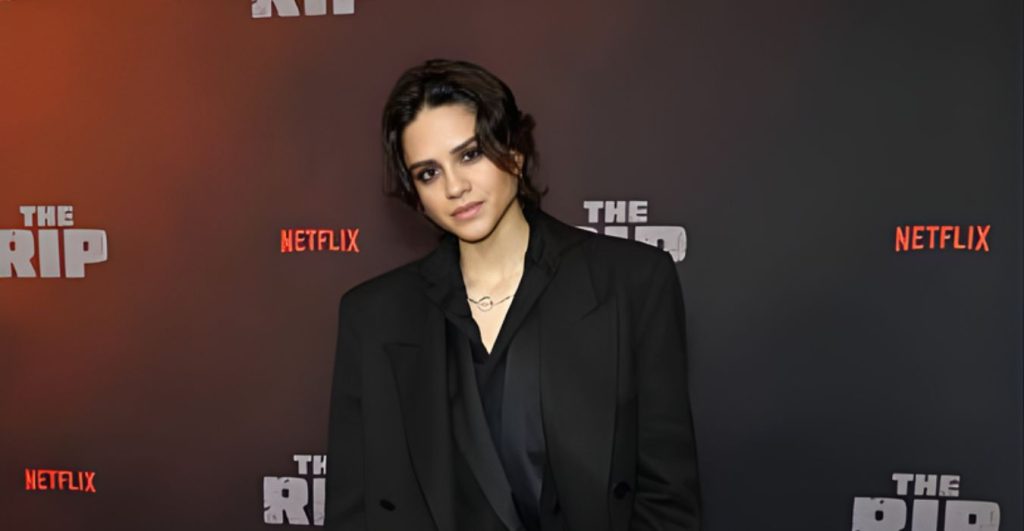
10. Sasha Calle
Sasha Calle’s appearance as Supergirl in “The Flash” carried obvious franchise potential. In the contemporary studio system, superhero casting is often less about one film than about future positioning.
But franchise instability ended that runway almost immediately. The role gave her a major platform, not the long-term screen future that platform usually promises.
Across these careers, the recurring pattern is not lack of talent. It is the mismatch between studio hype and sustained support, especially in an industry that still underserves Latino performers despite a strong audience case for doing the opposite. One recent estimate discussed at SXSW argued that Hollywood may be missing $18 billion annually by underserving Latino audiences.
That makes these stalled star arcs feel less like isolated cases and more like a structural pattern. The actresses remained working, visible, and often acclaimed. What faded was the commitment to build around them.


