Comfort sitcoms depend on friction. A little selfishness, a badly timed entrance, a running gag that keeps landing just wrong for everyone in the room that is often the engine. But some characters stop feeling like comic chaos and start feeling like a test of patience.
The difference usually comes down to repetition. A trait that works in short bursts can take over a show, flatten an ensemble, or age into something much harsher than originally intended. These are the sitcom characters who still inspire eye-rolls, debates, and the occasional “skip this episode” reflex.
1. Steve Urkel
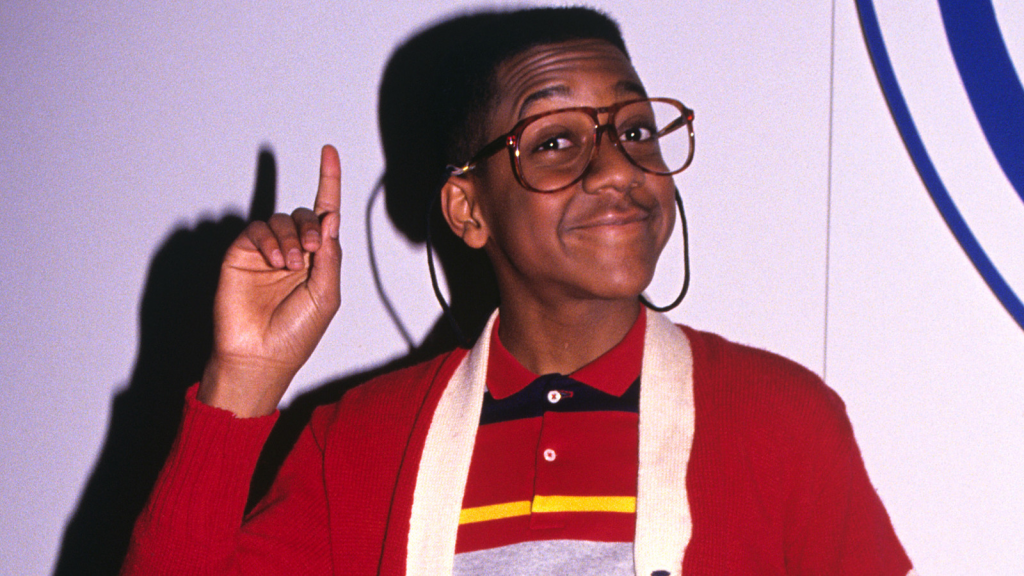
Steve Urkel was introduced on Family Matters as a one-off guest, then became the center of gravity. That shift is exactly why he remains so divisive. His voice, his catchphrases, his inventions, and his endless accidents turned a family sitcom into an Urkel delivery system, and for a lot of viewers that takeover never really stopped being irritating.
What makes the character such a lasting case study is how completely he changed the series around him. The more the show leaned into broader gimmicks and alter egos, the less room there was for the original ensemble to breathe. He is memorable. He is iconic. He is also one of television’s clearest examples of a character becoming bigger than the show in a way not everyone enjoyed.

2. Ted Mosby
Ted is the rare sitcom lead who frustrates people precisely because he is supposed to be the emotional center. On How I Met Your Mother, his endless search for lasting romance gives the show its structure, but over time that same premise traps him in the same loop: yearning, overexplaining, idealizing, and circling back to Robin.
That repetition is the issue. Other characters were allowed to pivot, grow, or at least fail in new ways, while Ted often seemed frozen in place. His earnestness can read as charm in early seasons and self-importance later on, which is why he keeps showing up on modern “most irritating lead character” lists.
3. Ross Geller
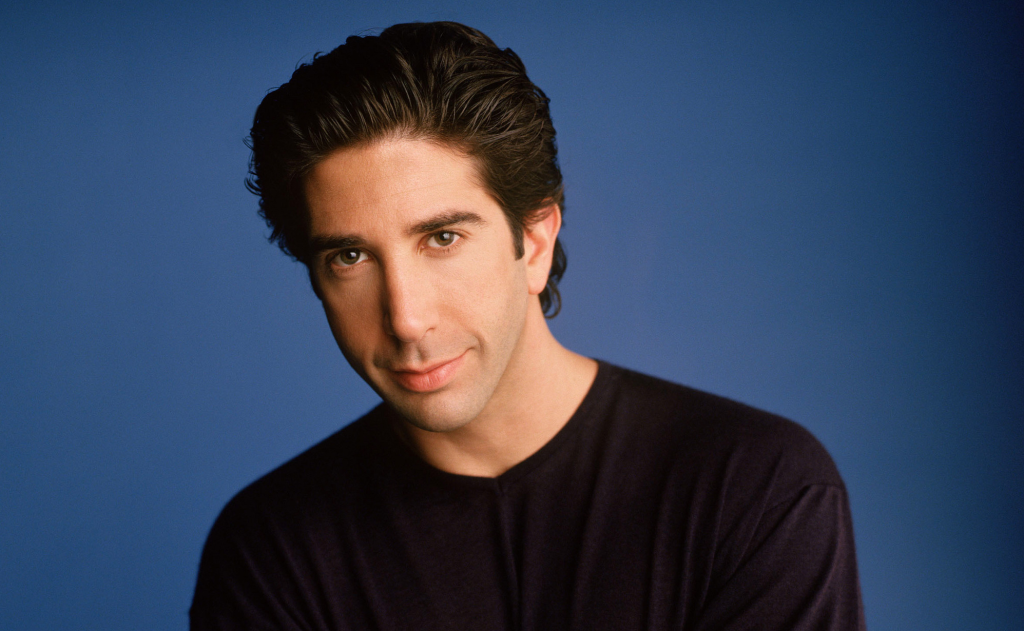
Ross has always been high-strung, but rewatches changed the temperature around him. What once scanned as lovable awkwardness now often reads as insecurity weaponized into jealousy, possessiveness, and self-pity. The louder his romantic drama got, the more exhausting he became.
Modern reassessments have focused especially on behavior that aged poorly, including his discomfort with gender roles and his tendency to cast himself as the wounded party in nearly every conflict. Even his funniest scenes work partly because everyone around him seems one bad minute away from losing patience.
4. Andy Bernard
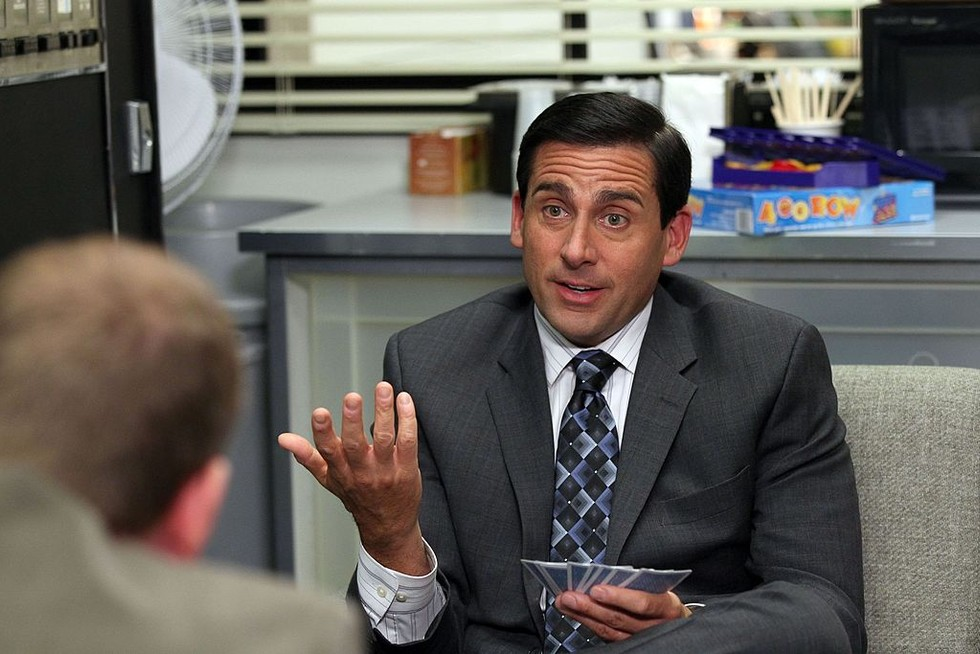
Andy began as an irritant on The Office and somehow found ways to become an even more draining one later. The anger issues, the desperate need for approval, the Cornell fixation, the musical outbursts each trait was manageable alone, but together they made him feel like a collection of attention-seeking tics.
His elevation into a larger role exposed the problem. Michael Scott was chaotic, but the show built in warmth around him. Andy often had the chaos without the same emotional payoff, and once the series leaned harder into his indecision and self-absorption, scenes built around him could feel stranded between cringe and noise.
5. Todd Packer
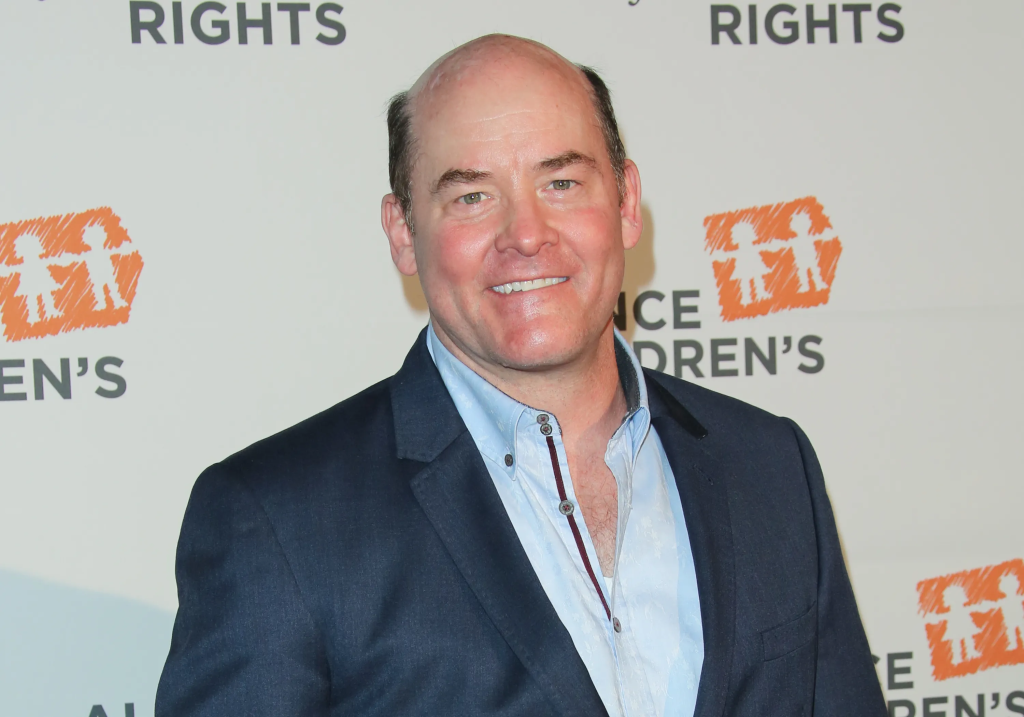
Some sitcom characters are annoying by accident. Todd Packer is annoying on purpose, and that does not make him easier to watch. His whole function on The Office is to poison the room: crude jokes, harassment, smugness, and the kind of entrance that immediately makes every other character tense.
He is a useful reminder that deliberate offensiveness is still a risky comic tool. The character was built around misogynistic and homophobic behavior, and because his scenes tend to bulldoze subtler workplace humor, viewers often remember him less as a great antagonist than as a guest star who overstayed his bit.

6. Howard Wolowitz
Howard improved over time, but early-season Howard remains hard to shake. Before the character softened, The Big Bang Theory leaned heavily on his creepiness, framing invasive flirting and sleazy one-liners as a recurring comic mode rather than an occasional flaw.
That is why the character is still discussed with an asterisk. Later growth matters, yet those earlier episodes include behavior like giving Penny a teddy bear with a camera in it, a detail that explains why many viewers never warmed to him in the first place. The redemption arc helped, but it did not erase the first impression.
7. Kimmy Gibbler
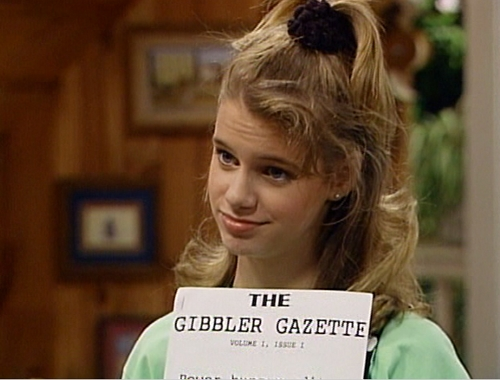
Kimmy Gibbler is the classic intrusive-neighbor archetype turned up to cartoon volume. She barges in, says something bizarre, ignores every social cue, and leaves the Tanner household slightly more frazzled than before. That rhythm is the joke, but it can also feel like the same joke told for years.
Her defenders see comic commitment. Her critics hear a character written almost entirely in exclamation points. She works best in bursts, which may be why she remains such a reliable answer whenever sitcom fans start comparing which supporting players were funny and which were simply loud.

8. Mona-Lisa Saperstein
Mona-Lisa barely needs much screen time to wreck everyone’s blood pressure. On Parks and Recreation, she exists as pure chaos: entitlement, shrieking demands, impulsive sabotage, and zero interest in consequences. Jenny Slate plays her with full comic force, which is exactly why the character lands so sharply for people who cannot stand her.
She and her brother were essentially agents of mayhem, funny in tiny doses and exhausting in larger ones. That balance is the key to her reputation. As a disruption, she is effective. As a person inside the world of the show, she is almost built to trigger instant fatigue.

9. Pierce Hawthorne
Pierce is what happens when a sitcom tries to turn discomfort into a permanent personality. Community used him as an embodiment of generational cluelessness, but the character’s racism, sexism, pettiness, and neediness repeatedly pushed him past “provocative” and into “why is everyone still tolerating this?”
The deeper problem was structural. Ensemble comedies need tension, but they also need a reason to keep the group together. Pierce often functioned as a blockade rather than a foil, hijacking inventive stories and forcing everyone else into cleanup mode. He did not just annoy the characters around him. He often changed the rhythm of the whole show.
10. Cousin Oliver
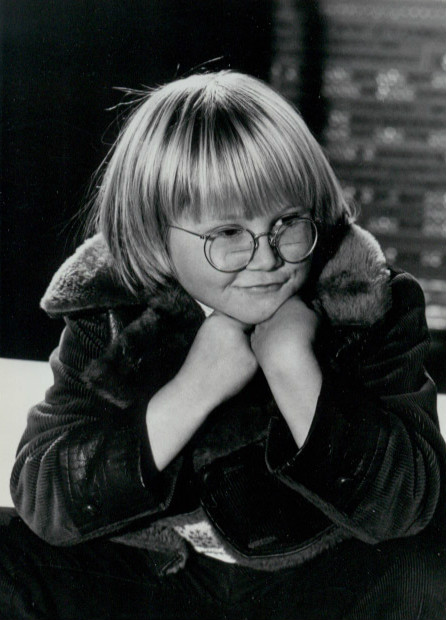
Few sitcom characters have become shorthand for a creative mistake. Cousin Oliver arrived on The Brady Bunch late in the run as a fresh-faced kid addition, and the backlash was so durable that “Cousin Oliver syndrome” became a label for desperate last-minute cast shakeups.
Only six episodes were enough to make him a cautionary tale. The issue was less the character himself than what he represented: forced cuteness, obvious recalibration, and a show signaling that it did not know how to age naturally with its existing cast.
Annoying sitcom characters tend to fall into a few familiar categories: the scene hijacker, the perpetual whiner, the offensive chaos machine, the late addition no one asked for. What keeps them memorable is not just that they grate, but that they reveal how delicate sitcom chemistry really is.
A character can be iconic and irritating at the same time. In some cases, that tension is the whole reason people still talk about them.