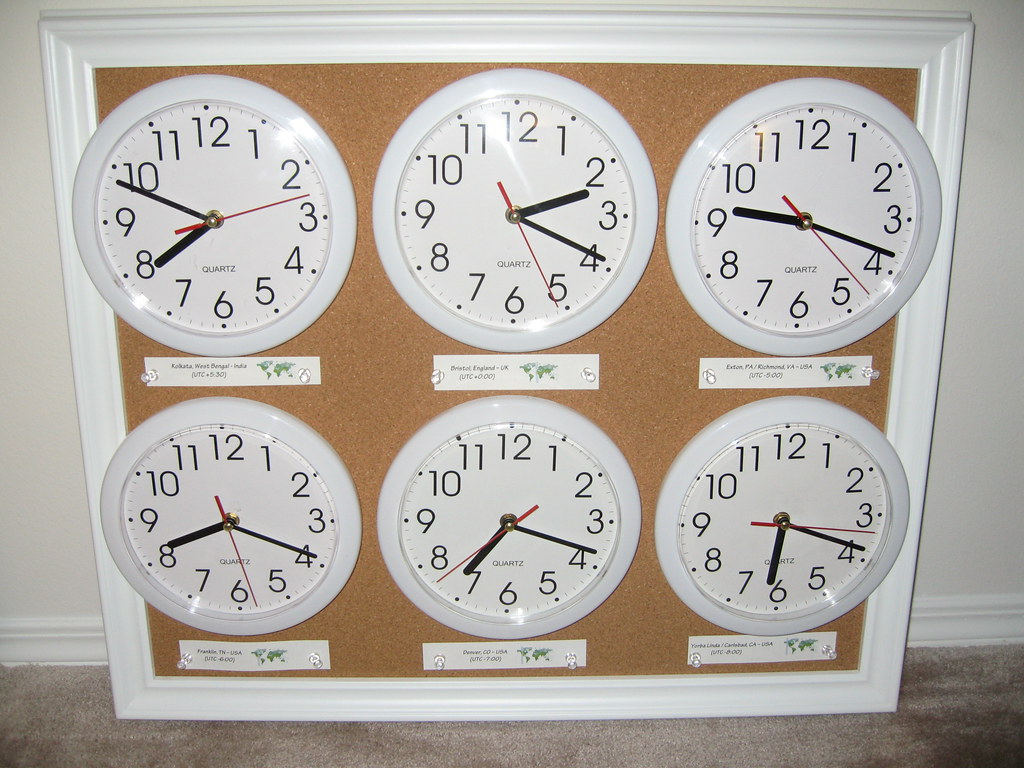
Twice a year, much of the country performs the same small ritual: ovens, car dashboards, microwave clocks and sleep schedules all need adjusting. What looks like a minor household annoyance has turned into a larger state-level debate about whether the clock change should continue at all.
The current push is not one single movement. Some states want permanent standard time, which federal law already allows. Others want permanent daylight saving time, which states do not have the authority to choose without Congress changing the law. That legal split explains why proposals around the country often look similar at first glance but work very differently in practice.

1. States now considering permanent standard time
The clearest path under federal law is to stop observing daylight saving time and remain on standard time year-round. According to the main legislative roundup, bills in more than a dozen states are pursuing that route, including Alaska, California, Indiana, Kansas, Kentucky, Michigan, Missouri, Nebraska, New Jersey, New York, Pennsylvania and Vermont, with additional proposals in Minnesota, Oklahoma, South Carolina and Washington. That matters because standard time is the option states can adopt on their own. The Uniform Time Act of 1966 requires participating states to switch on the same federal dates, but it also permits a state to exempt itself from daylight saving time entirely through state law.

2. The states already living without the twice-yearly switch
For all the debate, a few parts of the United States already provide a real-world example of what opting out looks like. Hawaii and most of Arizona do not observe daylight saving time, and neither do American Samoa, Guam, Puerto Rico and the U.S. Virgin Islands. Arizona has one important exception: the Navajo Nation observes the seasonal change. That leaves parts of the state on a different clock from the surrounding area for part of the year, a reminder that time policy can quickly become a map problem as well as a lifestyle one.

3. Virginia and Illinois show how regional politics shape time
Several proposals are built around a neighbor-first logic. In Virginia, a bill to establish year-round standard time passed the state Senate, but its path was delayed to the 2027 session, and the measure would take effect only if Washington, D.C., and Maryland move the same way. Illinois is following a similar regional model. Lawmakers there are weighing a proposal tied to whether nearby states such as Indiana, Iowa, Missouri and Wisconsin also make changes. These bills reflect a practical concern: work commutes, media markets, school sports, air travel and business hours often cross state lines far more easily than legislation does.

4. Many states want permanent daylight saving time instead
Not every state trying to “lock the clock” wants the same thing. Across the country, a long list of states have passed laws or resolutions in favor of keeping daylight saving time all year, but those measures remain stuck unless Congress acts first. Nineteen states have passed legislation or resolutions supporting year-round daylight saving time in recent years, according to the National Conference of State Legislatures data cited in the reference material. That helps explain why the national conversation remains muddled: some lawmakers are trying to end clock changes by choosing standard time, while others are trying to end them by choosing daylight time.
5. Federal law is the reason so many bills stall
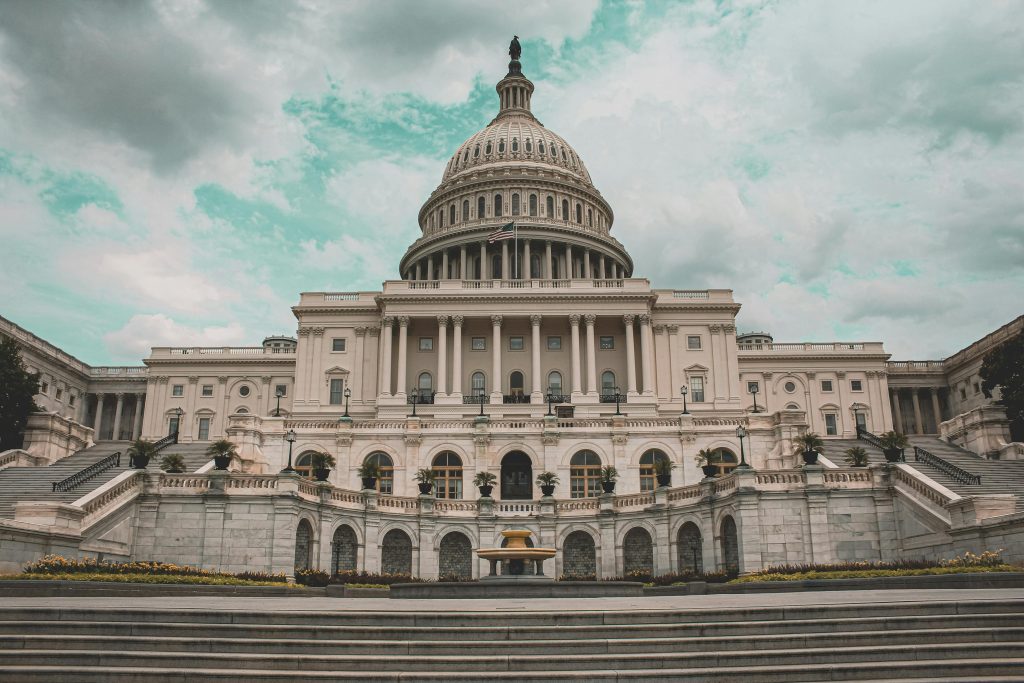
The legal distinction is the center of the issue. States may stop participating in daylight saving time, but they cannot independently decide to stay on daylight saving time forever. That is why so many state laws include trigger language requiring congressional approval, neighboring states to match the move, or both. In practice, statehouses can express a preference, but the final shape of timekeeping still depends heavily on federal rules and interstate coordination.
6. The debate is not just about convenience
Arguments over daylight saving time often sound like a battle between early risers and people who prefer brighter evenings, but the policy questions run deeper. Supporters of the current system have long argued that extended evening light can reduce energy use, though the main article notes that the National Institute of Standards and Technology says there is still debate about how much energy is actually conserved.
Geography also changes the stakes. In Alaska, one reference article noted concerns that abandoning the current system could push winter sunrise very late in some places. As climatologist Brian Brettschneider told Alaska Public Media, “Nome would have a sunrise after 1 p.m.”

7. Time zones make some states more complicated than others
States split between time zones often face a more tangled version of the clock debate. Indiana and Idaho are prominent examples, because statewide policy can have uneven effects when different regions already run on different time standards for part of the year. Some proposals around the country also go beyond daylight saving time itself and raise the possibility of switching time zones altogether, including occasional efforts in the Northeast to align with Atlantic Standard Time.

Once that enters the conversation, the question is no longer only whether to change clocks, but which clock a state wants to live by in the first place. What emerges from these bills is less a simple national trend than a patchwork of competing preferences. Some states want brighter evenings, some want steadier mornings, and many want any change to happen only if nearby states move in tandem. For now, the one constant is that the debate keeps returning. The clocks may change in a single night, but changing the system behind them has proved much slower.