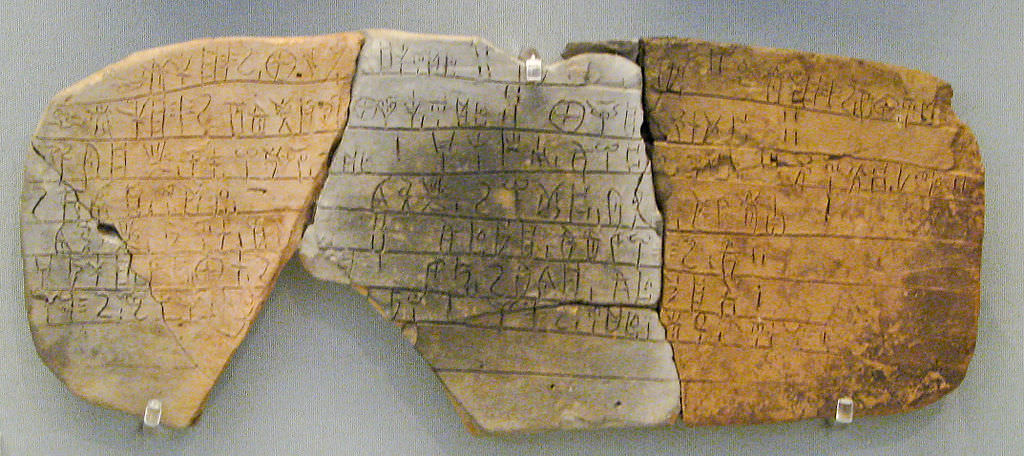
In the high desert of Sinai, far from the manuscript traditions later associated with the Bible, a cluster of rough inscriptions has become central to one of history’s biggest language stories. At Serabit el-Khadim, an ancient mining and temple complex, short carved texts preserve evidence of an alphabet in its earliest known form.
These signs matter because they sit near the beginning of a chain that leads to Phoenician, Hebrew, Greek, Latin, and many modern scripts. What survives is fragmentary, debated, and sometimes difficult to read, but the outlines are clear enough to show how a radically simple writing system began to take shape.
1. Sinai preserves one of the earliest alphabetic archives ever found
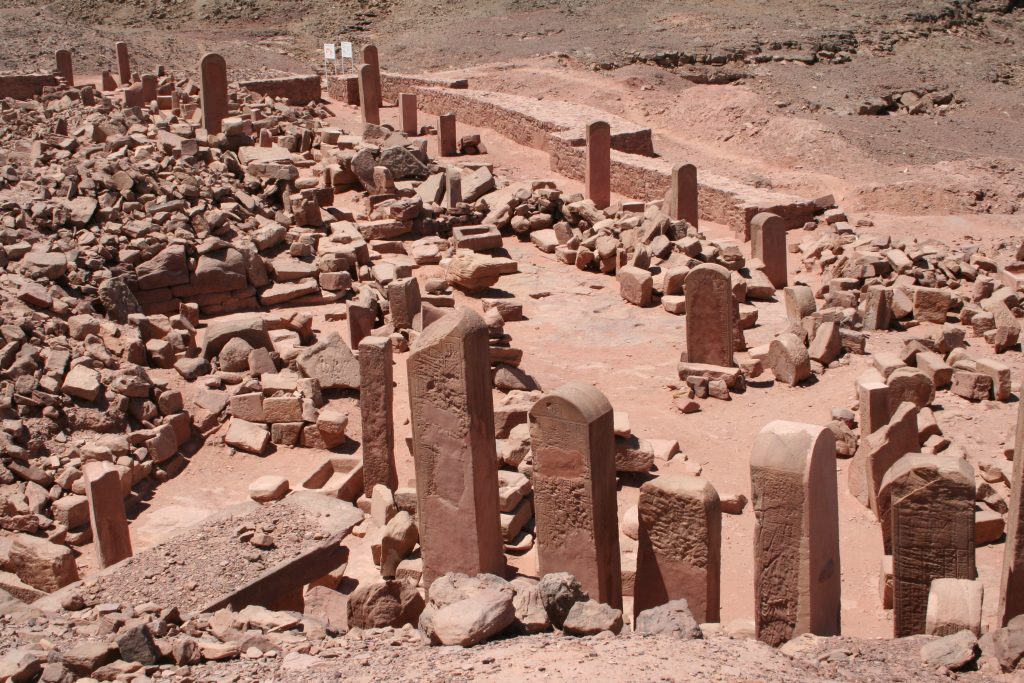
Serabit el-Khadim is the single richest source of information about the world’s first alphabet. The site, in west-central Sinai, was developed by ancient Egyptians for turquoise extraction and remained active for centuries. Among mines, paths, stelae, and temple spaces, archaeologists found a small but crucial body of inscriptions unlike standard Egyptian writing. That corpus is modest in size, but its importance is outsized. Scholars generally place the Proto-Sinaitic inscriptions in the early to mid-second millennium BCE, with dates often ranging between the 19th and 16th centuries BCE. Because so little survives from the alphabet’s infancy, even a few dozen short texts can reshape the entire history of writing.

2. The setting was a mining world, not a royal library
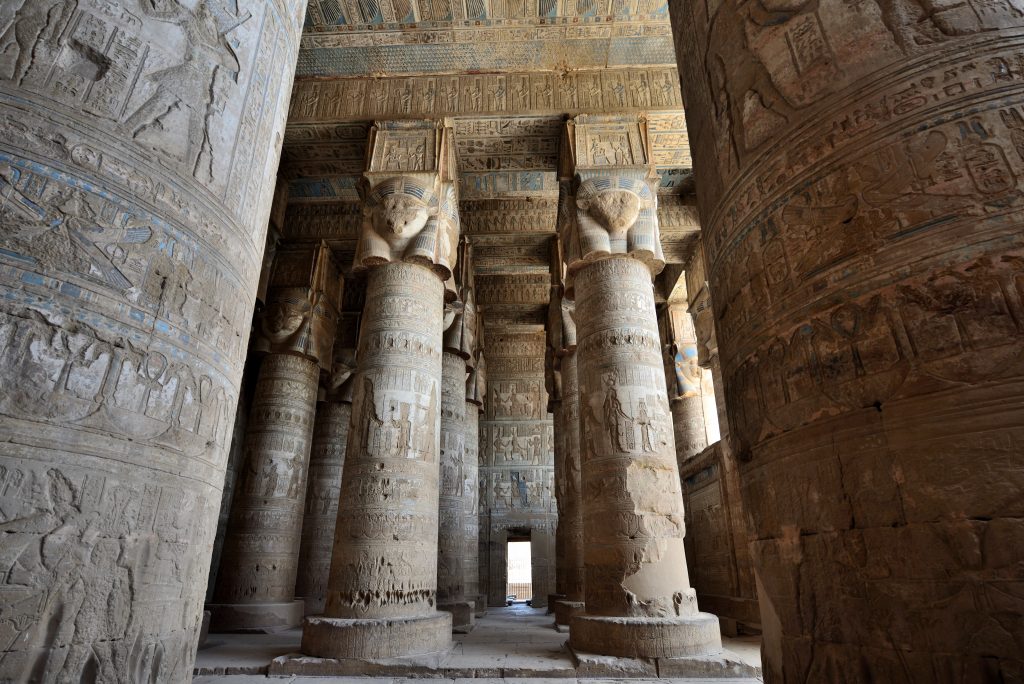
The alphabet’s earliest traces did not emerge from a palace archive. They appeared at a desert industrial landscape built around turquoise and copper, where expeditions, labor, worship, and long-distance movement all overlapped. Serabit el-Khadim also housed a major temple to Hathor, the Egyptian goddess known there as “Lady of the Turquoise.” Workers and officials left Egyptian hieroglyphic and hieratic inscriptions across the site, while Semitic-speaking people seem to have added their own marks nearby. This mix helps explain why Sinai became such an important laboratory for writing: people who spoke different languages were surrounded by visible signs, sacred imagery, and the administrative culture of Egypt.
3. The script simplified a complicated visual world
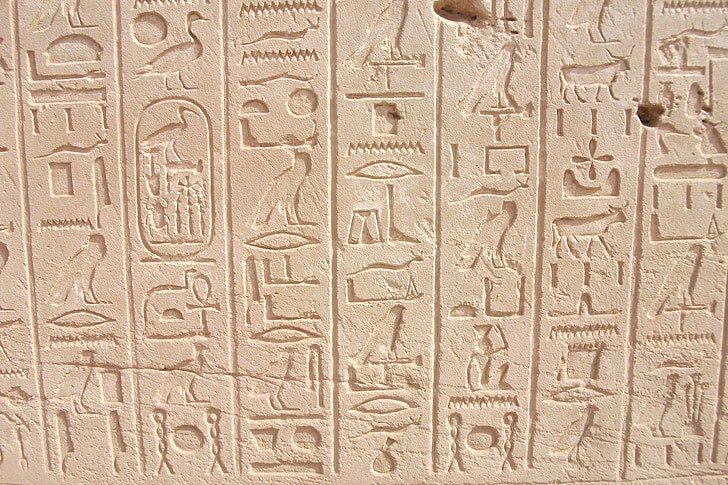
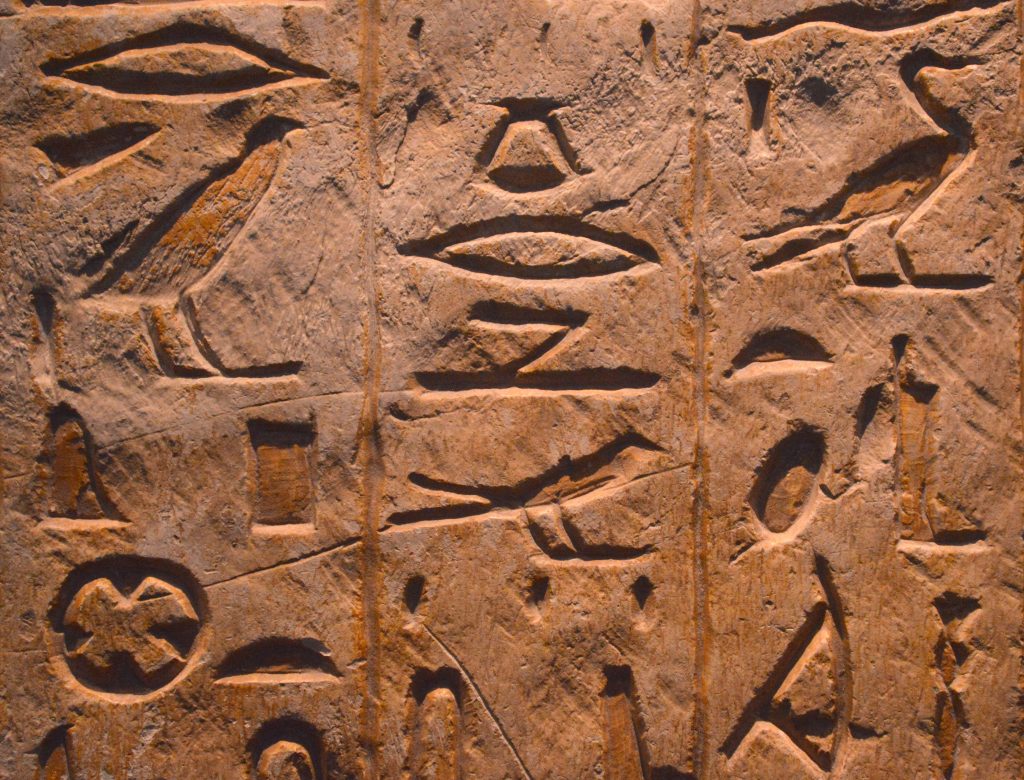
Egyptian hieroglyphs could function in several ways, including as signs for words and sounds. The early alphabet took a different path by reducing writing to a much smaller set of signs that represented consonantal sounds. That shift was transformative. Instead of mastering hundreds of symbols, a writer could work with roughly 20 to 30 signs. Reference studies describe this as the great conceptual break behind alphabetic writing: a limited sign set capable of recording speech more efficiently than the older monumental systems that surrounded it.
4. Its logic was based on pictures and first sounds
The earliest alphabet worked through the acrophonic principle. A picture did not stand for the whole object alone; it stood for the first sound of that object’s name in a Semitic language. This explains why familiar later letter names reach back to ancient images. An ox head became the ancestor of aleph and eventually A. A house sign was linked to the sound behind bayt, ancestor of B. Water fed the later M, and a head shape contributed to R. The result was a script with visible roots in the physical world, but a new phonetic purpose.

5. Semitic-speaking workers were central to the story
Repeated references in the inscriptions point to a Semitic-speaking presence at the site. One recurring word, often read as lbʿlt, “to the Lady”, is widely connected to a Semitic title that aligns with the local cult landscape. That matters because it places West Semitic language users inside an Egyptian mining center rather than at a distant remove from it. Some references describe them as laborers or skilled workers; others connect them to broader movement between Egypt and the Levant. However their exact status is defined, the inscriptions show that the earliest alphabet arose in a contact zone where language, labor, and religion were constantly crossing boundaries.
6. The goddess at the site may have bridged two religious worlds
The inscriptions do not sit in a religious vacuum. The temple complex belonged to Hathor, but some alphabetic texts appear to invoke Baalat, a Semitic “Lady.” Many scholars have therefore understood the site as a place where Semitic worshippers identified their own goddess with Hathor. This overlap gives the inscriptions a human texture. They were not only experiments in writing. They were also acts of devotion, identity, and presence in a harsh landscape where miners entered narrow shafts and returned to a sanctuary filled with carved signs and offerings.
7. Discovery at Serabit changed the history of the alphabet
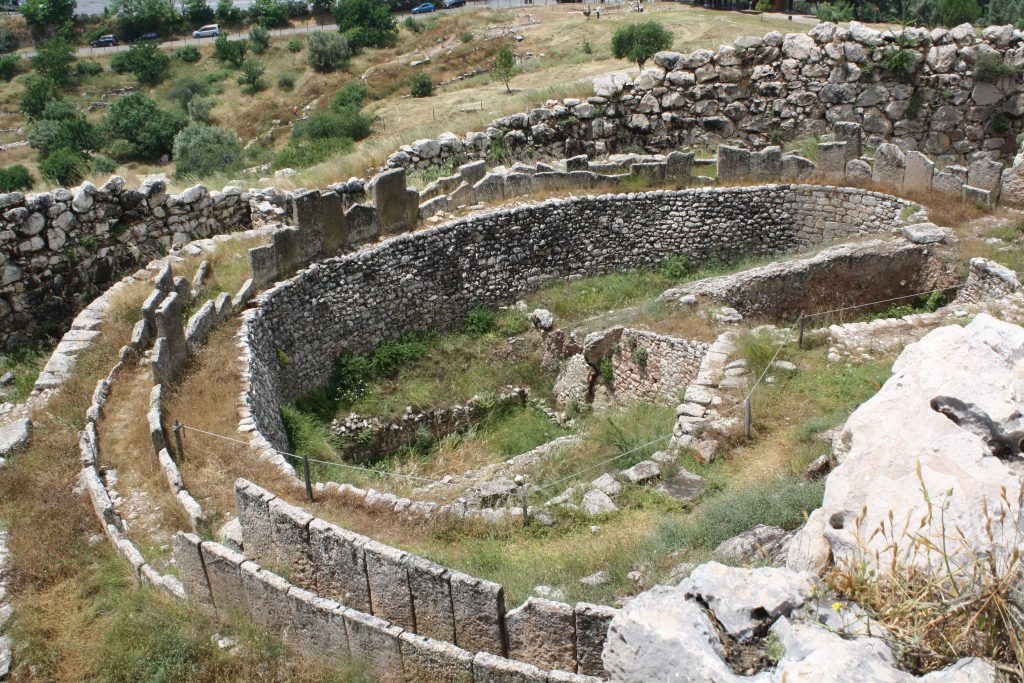
The first published group of these inscriptions came to scholarly attention after the work of Hilda and Flinders Petrie in 1904–1905. Their finds showed that the strange signs at Serabit were neither ordinary Egyptian texts nor random graffiti. A decade later, Alan Gardiner advanced the breakthrough reading that connected the Sinai signs to later Semitic alphabets. His work on recurring sequences, especially religious formulas, helped establish that these crude carvings were not isolated curiosities. They were early alphabetic writing, ancestral to later systems used across the Mediterranean and beyond.
8. Many details remain contested, but the larger picture is not
Scholars still debate exact readings, dates, and place of invention. Some evidence from Wadi el-Hol inscriptions in Egypt suggests the earliest phase may have emerged in Egypt proper rather than Sinai, while Proto-Canaanite finds in the Levant complicate any single-point origin story. There is also debate over who first created the system. Some researchers attribute the breakthrough to scribally informed Semitic speakers familiar with Egyptian signs. Others have argued that non-elite workers or miners could have adapted visible hieroglyphic imagery into a practical sound-based script.
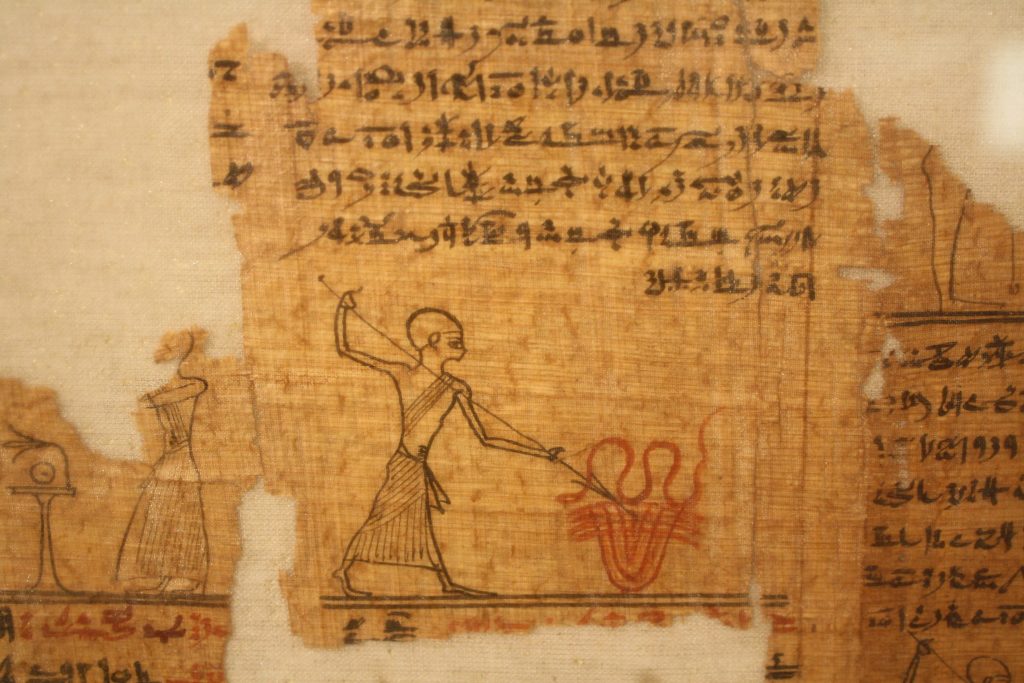
The disagreement remains, but the broader conclusion holds: the alphabet was born from contact between Egyptian writing and Semitic language. What the Sinai inscriptions reveal most clearly is not a single dramatic moment, but a slow cultural threshold. In a desert mining center, amid temple walls and turquoise routes, people found a way to strip writing down to its essentials. From those few carved signs came a system that would travel astonishingly far. The Bible’s earliest alphabetic ancestry does not begin in a bound book, but in stone, dust, and the multilingual world of ancient Sinai.