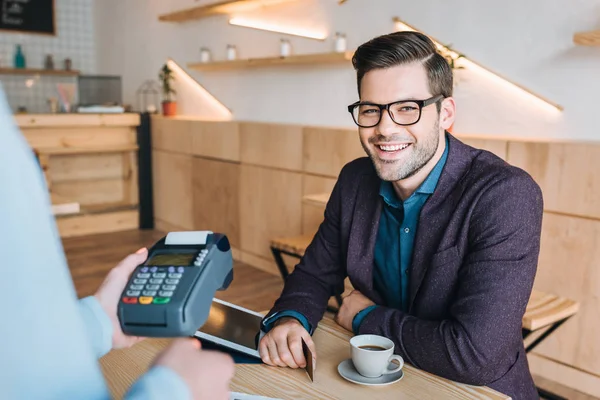
A short TikTok about declining a fast-food tip prompt did not become a flashpoint because of one chain alone. It spread because many customers already felt the same friction: a routine purchase now ends with a screen asking for 18% or 20%, even when the exchange feels brief and standardized.
The reaction also reflects a broader shift in how people think about service, wages, and digital checkout culture. What once felt limited to restaurants and salons now appears at coffee counters, drive-thrus, self-serve stations, and airport food stands, turning an ordinary payment into a judgment call.

1. Tip prompts are showing up in places people never used to expect
The strongest reaction in the viral clip came from a familiar complaint: the sense that tipping has expanded far beyond traditional full-service settings. Counter pickups, fast-food transactions, and self-serve businesses now regularly present suggested gratuities before payment is complete. That change has made customers question where the social rule actually begins and ends. WalletHub survey findings showed nearly nine in 10 Americans think tipping culture is out of control. The data matches the tone seen in comment sections, where people often describe the prompt itself as more frustrating than the dollar amount.
2. Digital checkout screens changed the feeling of the transaction
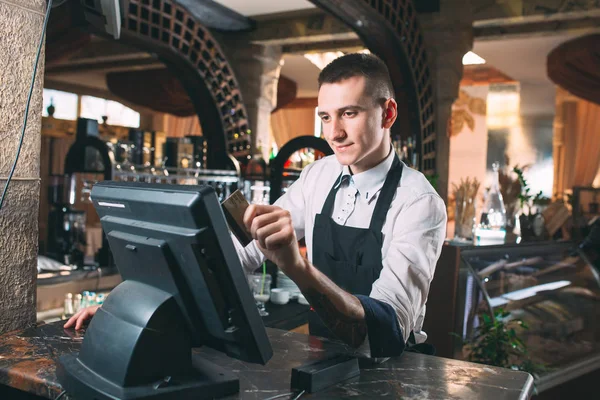
Tablet-based payment systems did more than modernize checkout. They made asking for tips automatic, immediate, and highly visible. Instead of dropping a few bills in a jar or deciding later, customers are often asked to choose while an employee is standing nearby and a line is forming behind them. That pressure matters. A Popmenu survey cited by Restaurant Business found 66% of consumers feel pressure to tip when a screen suggests an amount, especially in front of employees, while 44% say they tip at places where they do not think it is warranted at least once a week. The technology made tipping easier to request, but it also made the moment more socially loaded.

3. “Tipping fatigue” has turned into a measurable consumer mood
The irritation is no longer just anecdotal. The main article cited a Bankrate survey finding that 41% of Americans believe tipping culture is out of control, and a Popmenu study found 65% are experiencing tipping fatigue. Those figures help explain why brief online videos about checkout screens travel so quickly. This is not only about saving money. It is also about decision fatigue. When nearly every purchase presents an optional add-on, the customer is forced to keep recalculating what counts as gratitude, what counts as wages, and what counts as social pressure.
4. Many people draw a hard line between service and simple exchange
Etiquette experts quoted in the reference material made that divide plain. Jules Hirst said, “Nobody should be tipping when you’ve grabbed your own water from the refrigerator,” while Diane Gottsman said, “Not every exchange requires gratuity.” Those comments reflect a view that tipping is tied to service that goes beyond the basic handoff of a product. That distinction is central to the backlash. Many customers do not object to tipping in general. They object to being asked for one in situations they see as routine, automated, or self-directed.
5. Restaurant workers and counter staff do not all experience tipping the same way
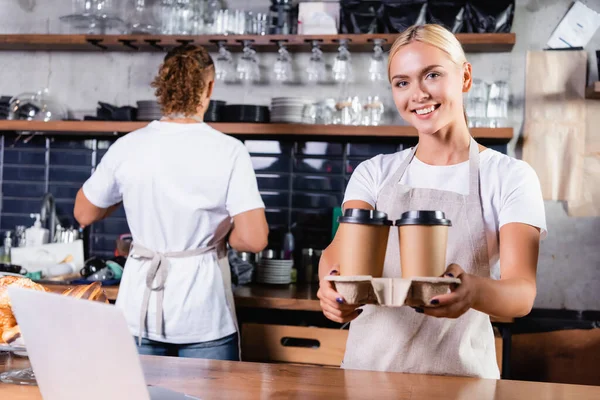
The worker side of the issue is more complicated than the checkout screen suggests. In full-service restaurants, tips remain a major part of pay, and industry leaders told Fox News Digital that tipped servers can earn strong hourly income when that model works. The National Restaurant Association said tipped servers earn a median of $27 per hour But reference reporting from Bon Appétit showed why the debate is so uneven across settings. Counter workers, bakery staff, and quick-service employees may rely on tips for a meaningful share of income, yet customers often do not view those roles the same way they view table service. That mismatch is part of what keeps the argument alive.
6. The pandemic reshaped expectations and the reset never fully happened
During the pandemic, many customers tipped more freely to support workers in disrupted businesses. Operators also faced labor pressure and rising costs, and digital systems made gratuity prompts easy to add. What began as an emergency-era accommodation gradually settled into the standard checkout flow. Restaurant Business noted that restaurant wages rose 40% from March 2020 to March 2025, while operators also faced inflation and higher labor costs. That helps explain why tip requests spread, but it does not erase how jarring they feel to customers who remember a simpler norm.
7. Fast-food tipping stands out because the category still carries old assumptions
A tip prompt at a sit-down restaurant rarely surprises people. A tip prompt at a fast-food counter or drive-thru often does. The difference is cultural as much as financial: fast food is still widely understood as quick, fixed, and standardized, with little expectation of personalized service. That is why the Chick-fil-A clip resonated. It was not framed as opposition to workers. It was framed as disbelief that a familiar fast-food purchase now came with a moral decision at checkout.
8. Company policy and location rules can make the situation even murkier
The confusion deepens when customers are not sure whether a business even allows tips. The main article noted that Chick-fil-A officially prohibits employees from accepting tips, though practices can vary by location and airport settings may operate differently. That inconsistency makes the prompt feel even less transparent. When customers do not know who receives the money, whether it is optional, or whether it is normal for that setting, the screen feels less like a thank-you option and more like a test.

9. Automatic fees and preset percentages have become a separate flashpoint
Some of the sharpest pushback now targets mandatory service charges rather than voluntary tips. WalletHub found 83% of Americans support banning automatic service fees, and three in five believe businesses are replacing employee salaries with customer tips. Those numbers show that the public often treats automatic charges and tip prompts as part of the same problem. Even when the business explains the fee, many customers still want a clear difference between a voluntary gesture and a built-in charge. The more those lines blur, the more likely customers are to feel cornered rather than appreciative.
The larger debate is no longer only about generosity. It is about clarity, consent, and whether every checkout should ask the customer to solve a wage question in public. That is why a 14-second complaint can travel so far. It condenses a growing feeling that the modern payment screen asks for more than money it asks people to decide, instantly, what kind of service counts.