Handheld gaming history is full of machines that looked strange, launched at the wrong moment, or asked batteries to perform miracles. Even so, some of the most fascinating portables did something more important than sell well: they introduced ideas the rest of the industry eventually adopted.
These devices did not always win their generation. A few barely survived it. But each one pushed portable play toward features that later became normal, from interchangeable games to touch controls, media playback, online services, and hybrid play between handheld and TV gaming.
1. Microvision
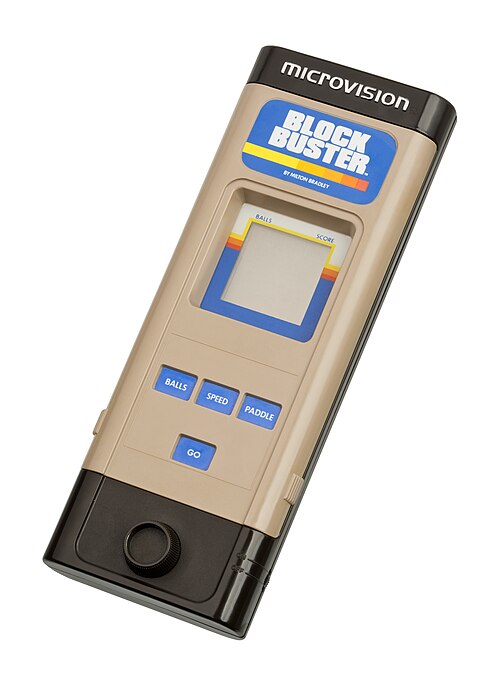
The Microvision arrived in 1979 and still holds one of the biggest firsts in portable gaming. It is widely recognized as the first handheld game console with interchangeable cartridges, a design choice that changed the category forever. Instead of buying a whole new unit for every game, players could swap software on a single device.
Its hardware was fragile, the screen was difficult to preserve, and its library stayed small. Even so, the idea mattered more than the limitations. The whole handheld market would later be built around the same promise: one machine, many games.
2. Atari Lynx
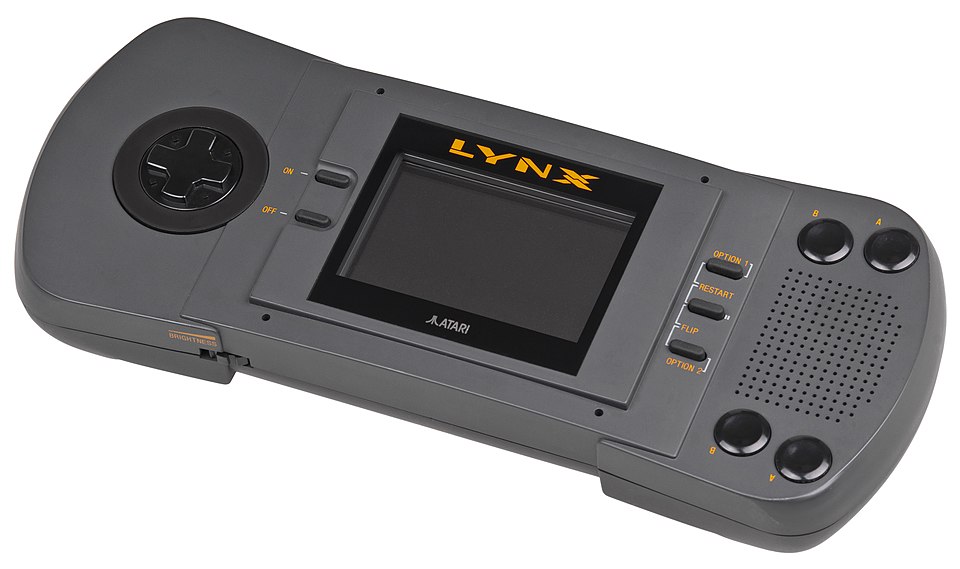
The Lynx launched in 1989 with features that looked dramatically ahead of what portable play usually offered at the time. It brought a color backlit screen, sprite scaling, zoom effects, and even a reversible layout that made it comfortable for left-handed players. It also supported multiplayer linking for up to 17 systems.
That ambition came with a cost. The machine was bulky, power-hungry, and hard to keep running for long stretches on batteries. Still, the Lynx helped establish the idea that handhelds did not have to be stripped-down compromises. They could chase premium visuals and flexible design, even if the technology around them was not ready to support that dream cleanly.

3. TurboExpress
The TurboExpress took a bold swing at something modern players now take for granted: portable access to the same library used on a home system. Rather than relying on reduced versions of console games, it played TurboGrafx-16 HuCards directly. In an era when handheld conversions usually involved major compromises, that was a huge statement.
Its optional tuner pushed the concept even further by turning it into a portable screen for television content. The battery demands were severe, but the larger point landed. A handheld could be more than a side device. It could act like a true extension of a living-room platform.
4. Sega Nomad
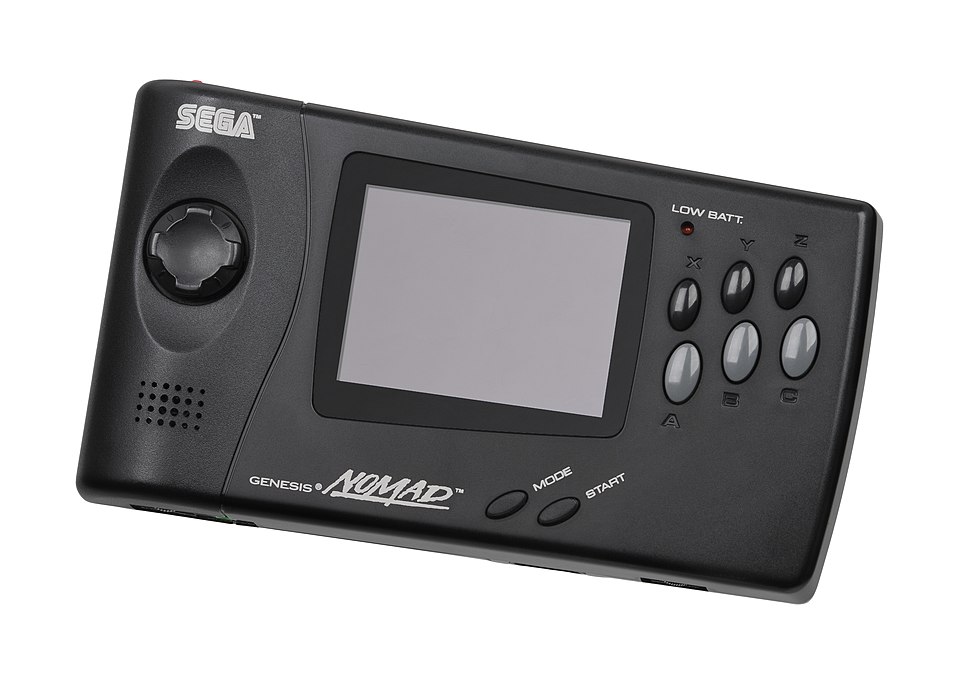
The Nomad pushed the home-and-portable crossover even closer to what later became standard. Released only in North America in 1995, it could play Genesis cartridges from a library that already included more than 500 Genesis games. It also connected to a television and included a controller port for additional play options.
This was not just a handheld. It was an early draft of the hybrid idea that would become far more mainstream years later. Its timing hurt it, and Sega’s crowded hardware strategy did not help, but the basic appeal was clear: one machine moving between couch play and travel play.
5. WonderSwan
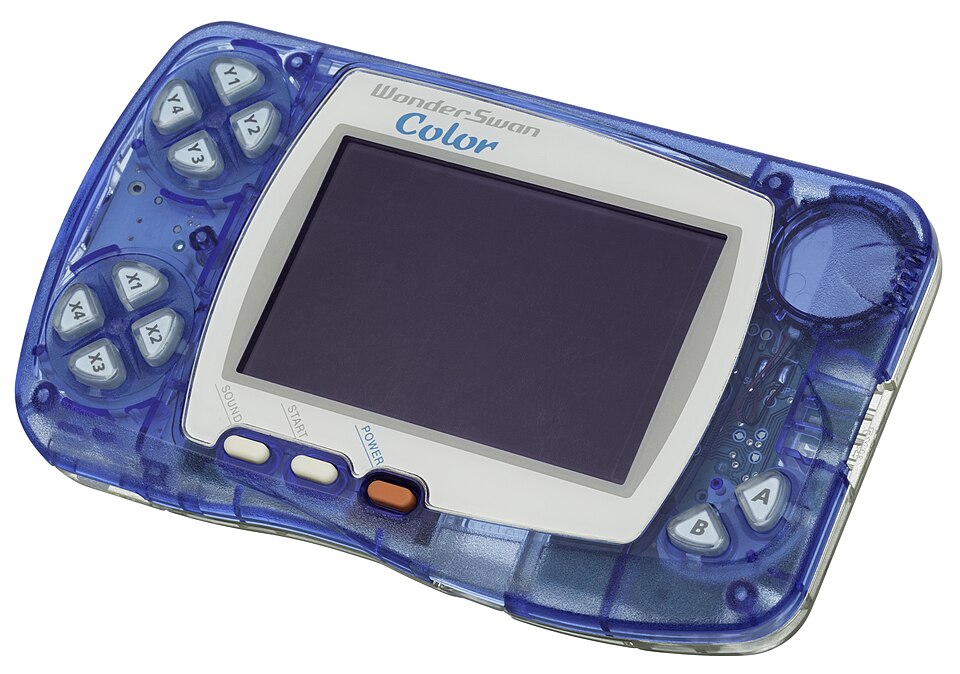
The WonderSwan proved that innovation did not always have to mean more raw power. Designed by Gunpei Yokoi, it leaned into efficiency and smart ergonomics. The system could run on a single AA battery, a major advantage in a market where better screens often meant constant battery anxiety.
Its control layout also allowed games to be played vertically or horizontally, giving developers room to build around screen orientation long before phones made rotating displays feel normal. That flexibility made the hardware memorable, especially in Japan, where Bandai briefly carved out meaningful space against Nintendo.
6. Nokia N-Gage
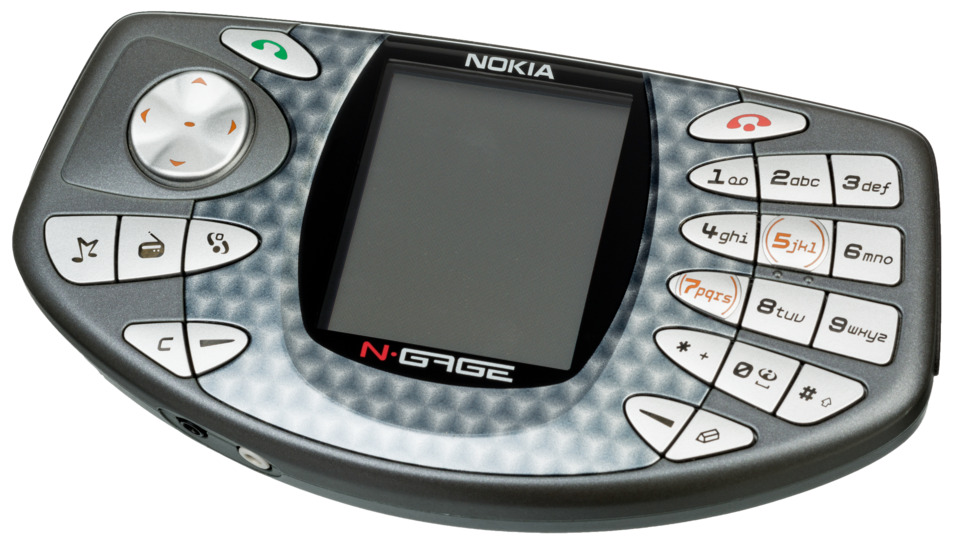
The N-Gage is often remembered for its awkward design, but its bigger story is convergence. Nokia tried to combine a phone, music player, PDA functions, and a game system years before smartphone gaming became dominant. It also included Bluetooth multiplayer and online features tied to the N-Gage Arena service.
Its controls and physical layout made it an easy target, and the cartridge-swapping design was notoriously clumsy. Yet the central idea was sound. Portable gaming would not stay separate from communication devices forever. The N-Gage was messy, but it saw the direction clearly.
7. Tapwave Zodiac
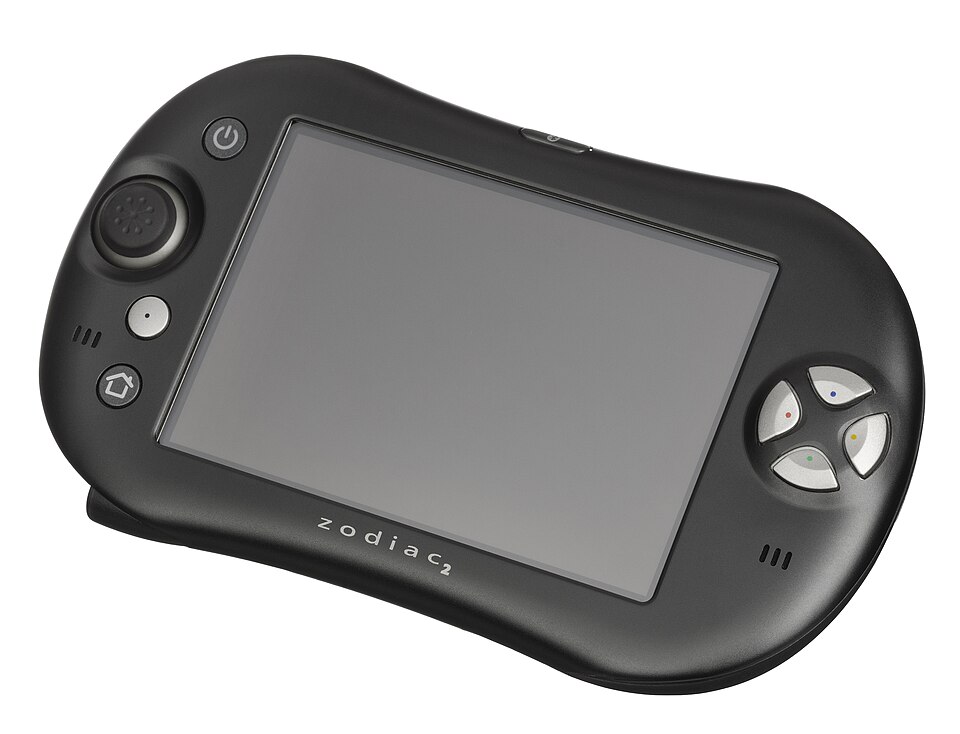
The Zodiac was a different kind of convergence machine. Built on Palm OS, it combined PDA utility with gaming hardware, adding dedicated controls, multimedia playback, and a premium build. It also packed a special version of Palm OS 5 designed to support gaming buttons and graphics features.
That blend now feels familiar because modern mobile devices are expected to do everything. In 2003, it was still an unusual pitch. The Zodiac never broke through in retail, but it showed how gaming could sit inside a broader digital lifestyle device rather than occupy a separate plastic lane.
8. PlayStation Portable
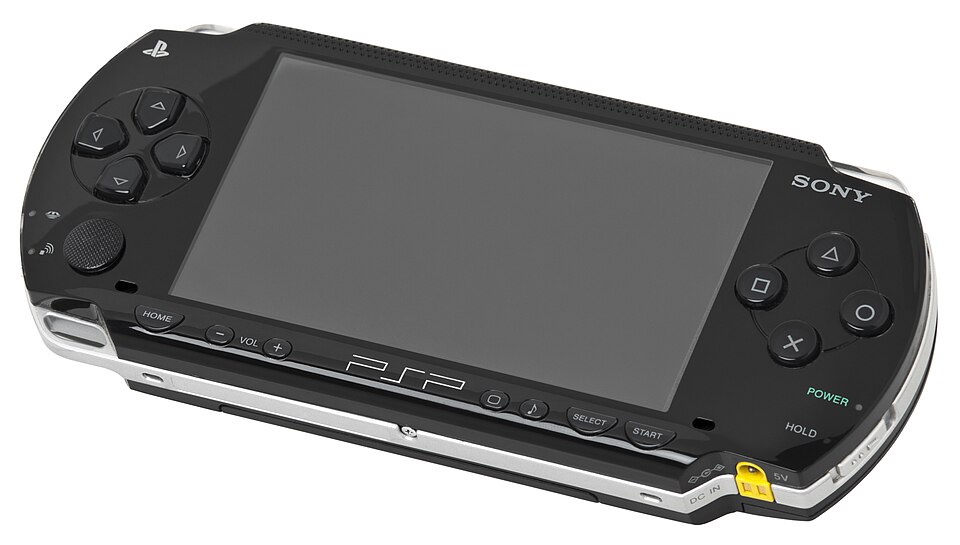
The PSP helped redefine what “premium handheld” could mean. Its wide screen, sharper graphics, multimedia focus, and Wi-Fi support made it feel like a portable entertainment hub instead of a toy-first machine. Sony also pushed movies and music into the package, making the system feel built for older players as much as younger ones.
Its success mattered because it proved Nintendo was not the only company that could thrive in handhelds. The PSP eventually sold 81.09 million units, a reminder that ambitious portable hardware could find a global audience when the design, software, and image lined up.
9. Gizmondo
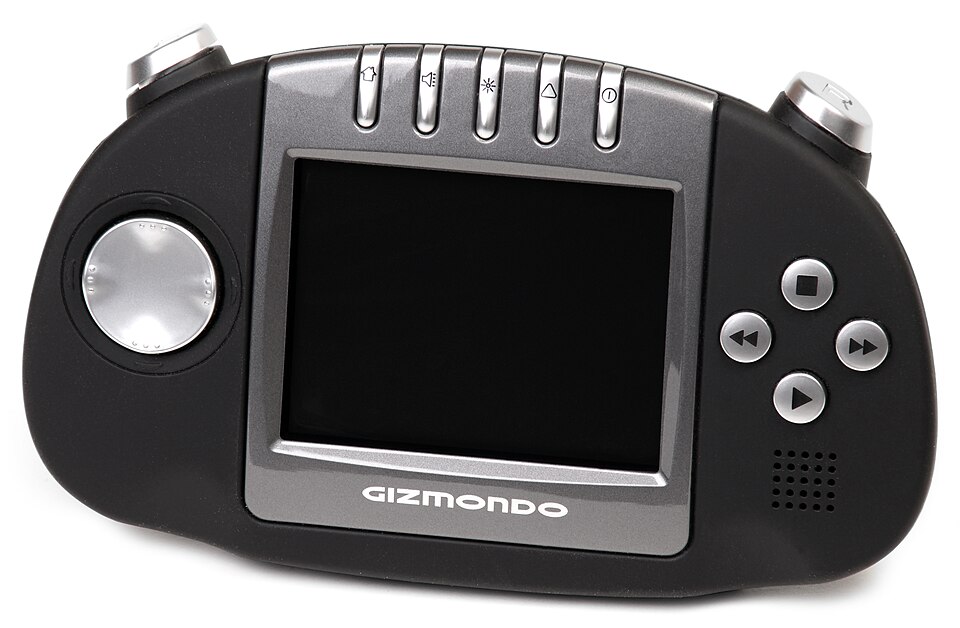
The Gizmondo had a chaotic reputation, but its feature list still reads like a machine trying to jump ahead several product cycles. It included GPS, a camera, messaging support, and location-aware ideas that sounded unusually modern for 2005.
Its most interesting legacy is how it flirted with location-based play long before that became a major mobile habit. The hardware never had the stability or support to turn those ideas into a lasting platform. Still, it hinted at a future where movement, mapping, and real-world positioning could become part of game design.
10. PlayStation Vita
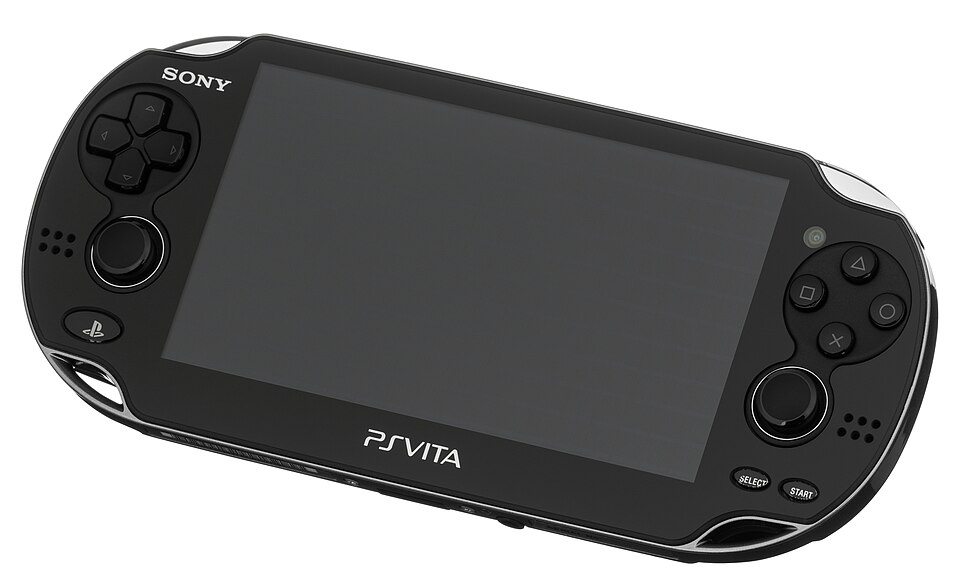
The Vita arrived with a feature set that looked built for a more connected handheld era. It included dual analog sticks, a 5-inch OLED screen on the original model, touchscreen input, rear touch support, and Remote Play links to console gaming at home. It also fit neatly into the broader shift toward digital libraries and cross-platform account ecosystems.
Those features made the system feel advanced even when software support became uneven. The hardware itself aged better than its market performance suggested. In many ways, the Vita anticipated the appeal of portable systems that could bridge dedicated handheld design with console-style controls and a more networked library.
The through line across all of these systems is not commercial dominance. It is direction. Some introduced the cartridge model, some chased color and multimedia, and some tried to merge phones, organizers, online services, and games before consumers fully expected that combination.
Modern handheld gaming looks smoother and more refined, but many of its core ideas were tested years earlier by devices that took the risk first. That is what keeps these machines relevant long after their original hardware left store shelves.