

Science fiction has a built-in advantage: scale. A movie can arrive with a new planet, a new language, a new theory of time, or a whole new visual grammar, and that ambition alone can make it feel larger than criticism. That is part of the genre’s magic, and part of the reason certain titles end up treated like untouchable classics.
But “overrated” has never meant worthless. In sci-fi, it usually means a film delivered something unforgettable while still leaving major blind spots behind, whether that was thin character work, borrowed plotting, or an idea so big that the movie around it struggled to hold together.
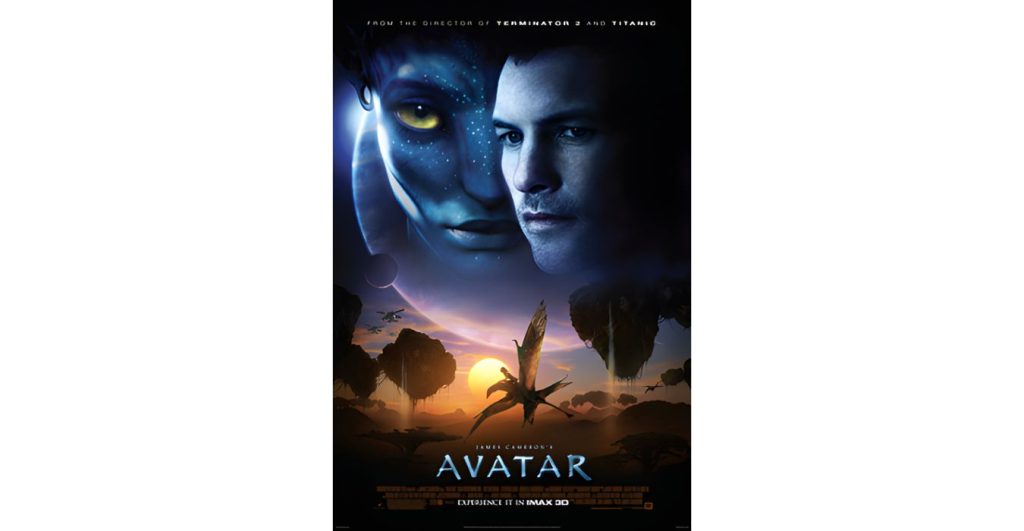
1. Avatar
James Cameron’s 2009 blockbuster remains one of the clearest examples of technical achievement outpacing story. Its motion-capture breakthroughs, immersive world design, and the highest-grossing film of all time label gave it an aura of inevitability, yet much of the pushback has stayed consistent for years. The central plot follows a familiar outsider-goes-native arc, and its anti-colonial themes are often described as more surface-level than searching. The spectacle is undeniable, but the emotional and narrative architecture is far less singular than its reputation suggests.
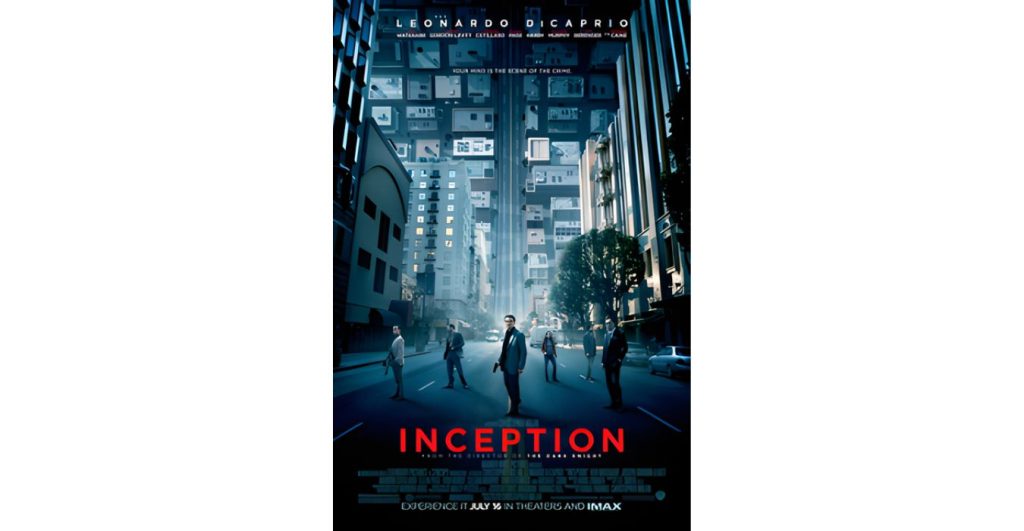
2. Inception
Christopher Nolan built a dream-heist machine that audiences still enjoy decoding, and the film’s puzzle-box design turned its ending into a permanent debate topic. Even so, the admiration it receives often leans heavily on concept over feeling. The nested dream structure is clever, but several supporting characters function more like delivery systems for exposition than fully textured people. What remains most impressive is the engineering of the movie, not necessarily the human drama at its center.
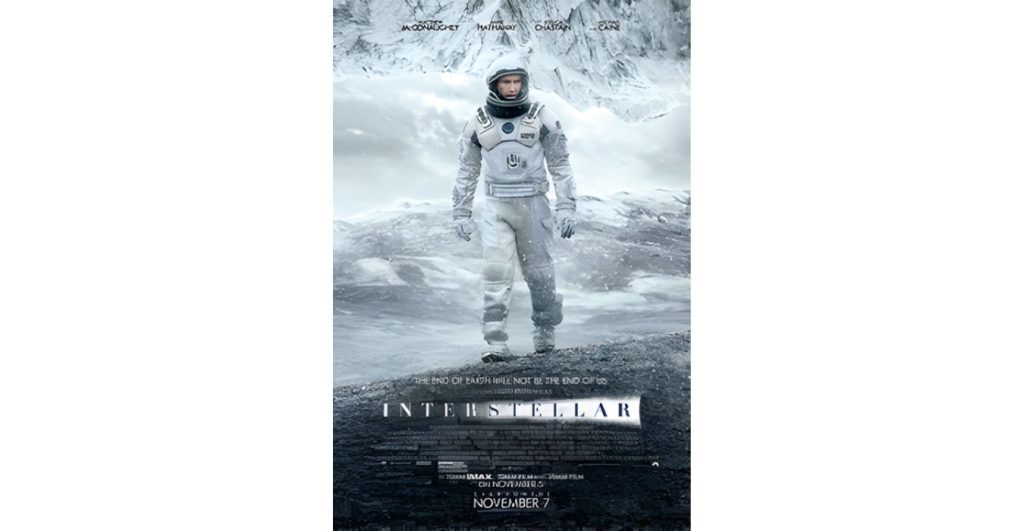
3. Interstellar
Interstellar still carries immense emotional force for many viewers, especially in its parent-child storyline, but it also sits at the center of a long-running divide between awe and overload. The film drew attention for its scientific consultation and its depiction of black holes, with later discussion often circling the visual influence of time-bending sci-fi on modern blockbusters more broadly. Yet the movie’s reputation as a near-sacred epic can obscure how much of it depends on extended explanation, swelling sentiment, and a finale that asks the audience to accept a hard pivot from cosmic realism to emotional abstraction.
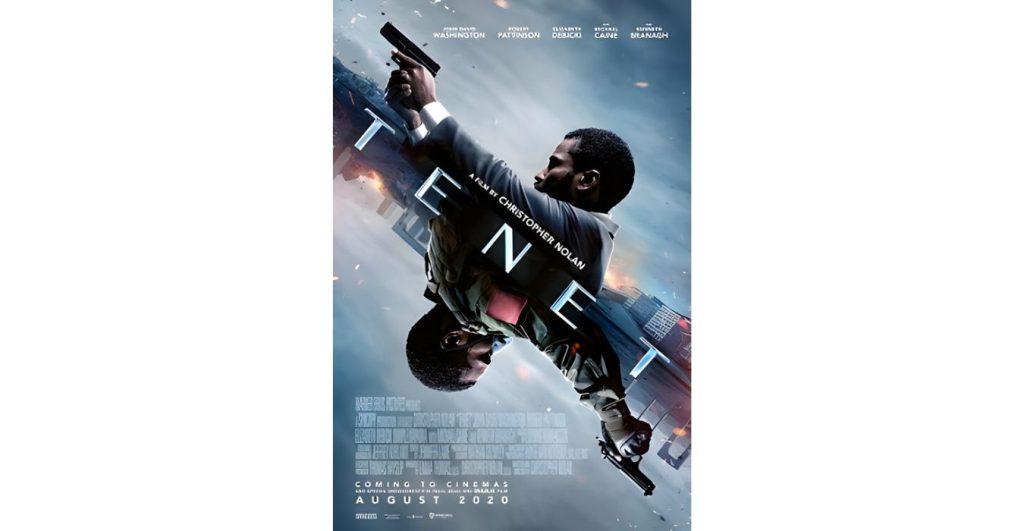
4. Tenet
Nolan returned to high-concept sci-fi with a film built around inversion, espionage, and practical set pieces so intricate they became the conversation. That ambition helped make the movie feel important on arrival. It also created one of the genre’s more familiar modern complaints: complexity mistaken for depth. For many viewers, the challenge was not only the dense mechanics but the blunt dialogue and widely criticized audio mix. A movie can be difficult and still emotionally immediate; Tenet often feels difficult first and rewarding second.
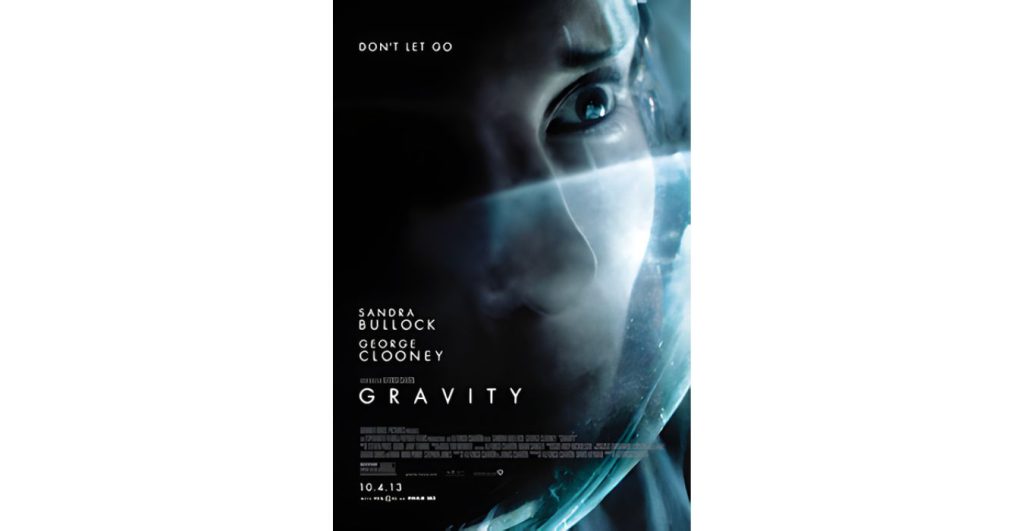
5. Gravity
Few space thrillers have delivered pure sensory panic as effectively as Alfonso Cuarón’s survival drama. The floating debris, the silence, and Sandra Bullock’s performance gave the movie a gripping immediacy that turned a minimalist premise into an awards juggernaut. Still, the praise sometimes flattens legitimate criticism. The film’s beauty and tension can overshadow the fact that many viewers took issue with its orbital shortcuts and with a narrative built more on escalating disaster than on layered characterization.
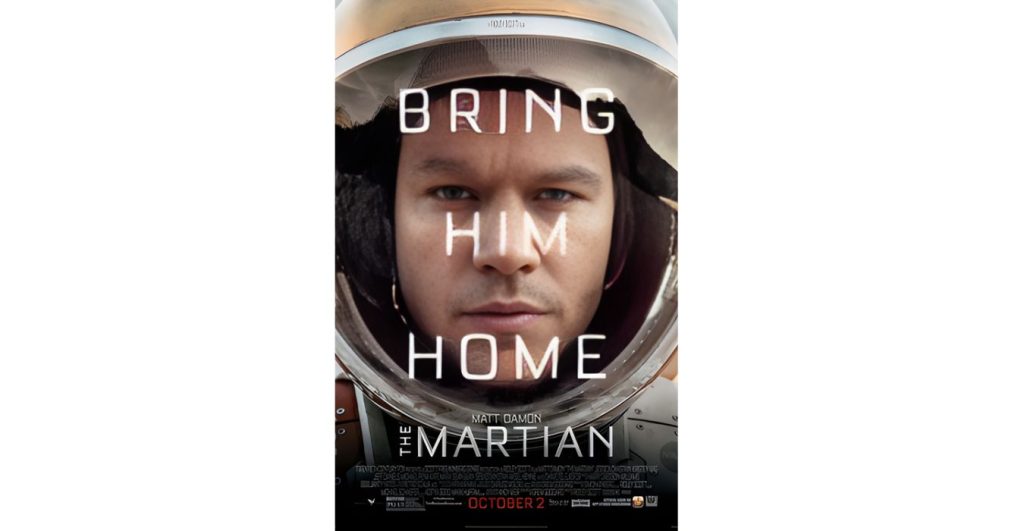
6. The Martian
Ridley Scott’s Mars rescue story won affection by making competence exciting. Mark Watney’s problem-solving, the ensemble cast, and the movie’s upbeat rhythm gave mainstream sci-fi a rare burst of optimism. That appeal is real. So is the argument that the film smooths away too much danger. Watney is so consistently capable, and the tone so determinedly buoyant, that the story can feel less like a bruising survival tale than a sequence of clever recoveries.
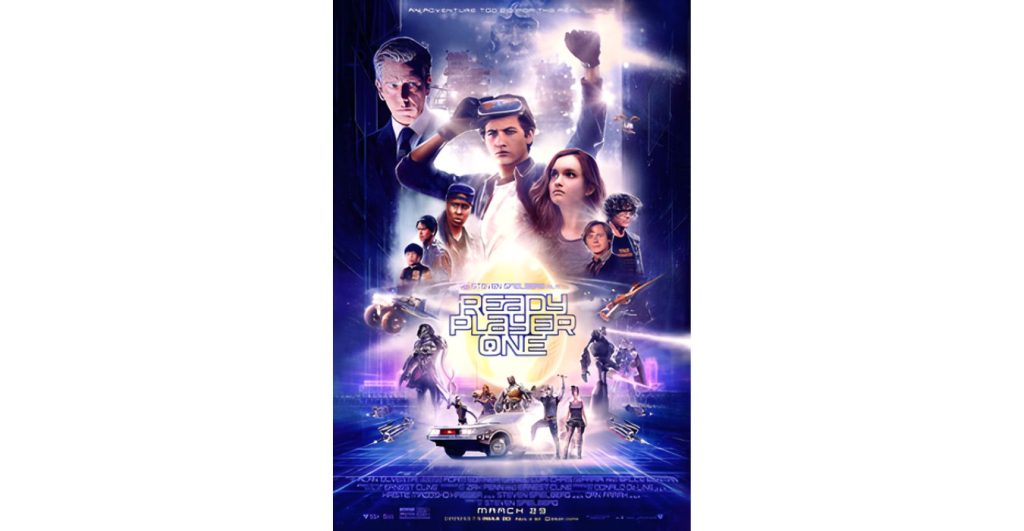
7. Ready Player One
Steven Spielberg turned a virtual scavenger hunt into a barrage of references, action, and digital excess. For some audiences, that was the point. For others, it exposed the movie’s main weakness: the sensation of being assembled from recognition. Pop culture callbacks can be playful, but they can also become a substitute for personality. Ready Player One often moves at the speed of memory rather than insight, asking viewers to admire what they spot more than what the film itself says.
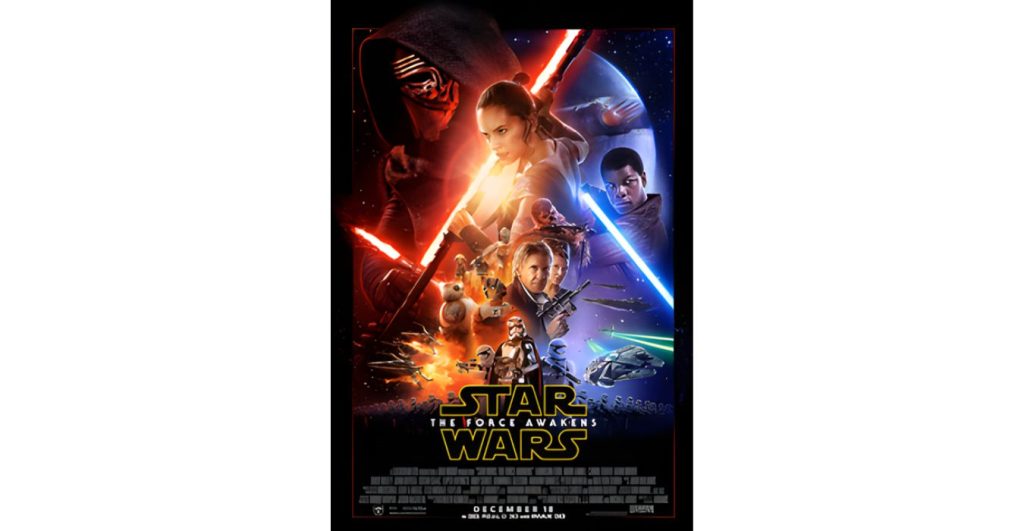
8. Star Wars: The Force Awakens
The film had a difficult job and, commercially, it did it brilliantly. It reintroduced Star Wars to a new generation, restored visual warmth after the prequels, and became a box-office event on a massive scale. It also triggered a recurring complaint that never really faded: it plays like a polished echo of 1977. As a franchise restart, that familiarity was useful. As a landmark sci-fi film in its own right, it limited how bold the movie could actually be.
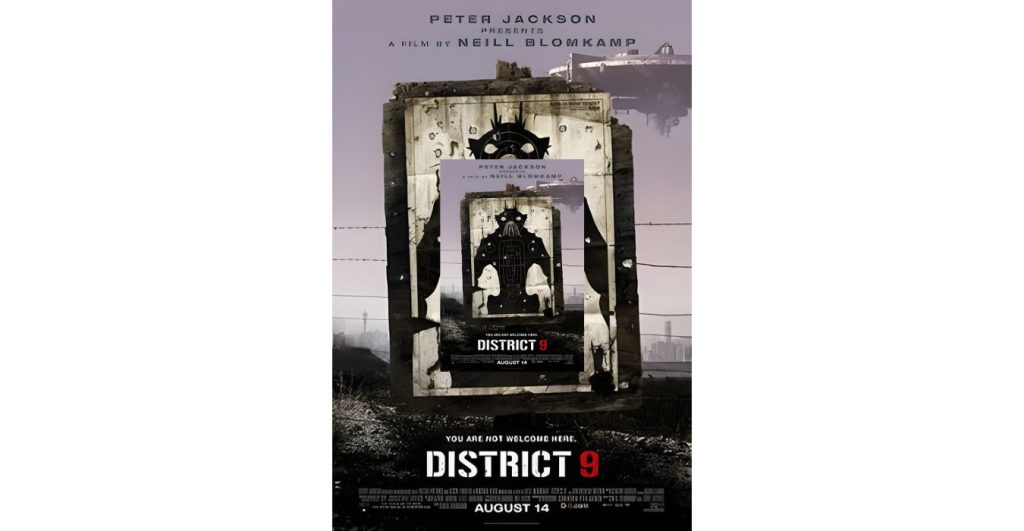
9. District 9
Neill Blomkamp’s breakthrough feature still stands out for its world-building, Johannesburg setting, and its fusion of alien fiction with social allegory. The opening movement, with its faux-documentary texture, remains especially potent. But the film’s reputation as a fully revolutionary work has invited closer reappraisal. Critics and viewers alike have noted that after its daring setup, it shifts toward a more conventional action structure, softening some of the sharpness that made its first act feel so fresh.
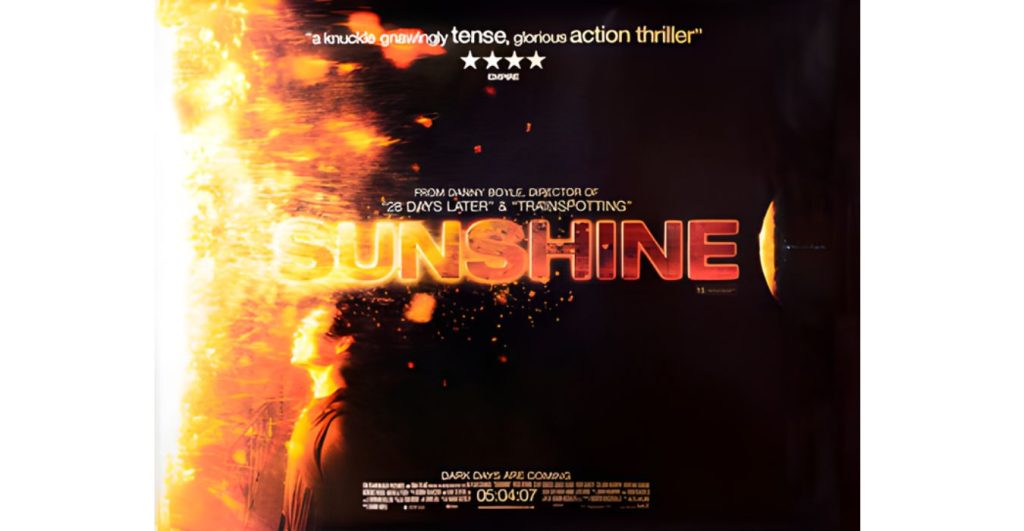
10. Sunshine
Danny Boyle’s sun-bound mission movie has long inspired passionate defenders and equally passionate skeptics. Boyle once said, “no director who has ever been in space ever goes back to space unless he’s got to do a sequel”, a line that neatly captures how punishing the genre can be. Sunshine’s divisive reputation owes much to that famous tonal break in the final stretch, when a cerebral survival story lurches into something closer to horror. For some viewers, that turn is bold. For others, it damages a film that had been building toward something more haunting and precise.
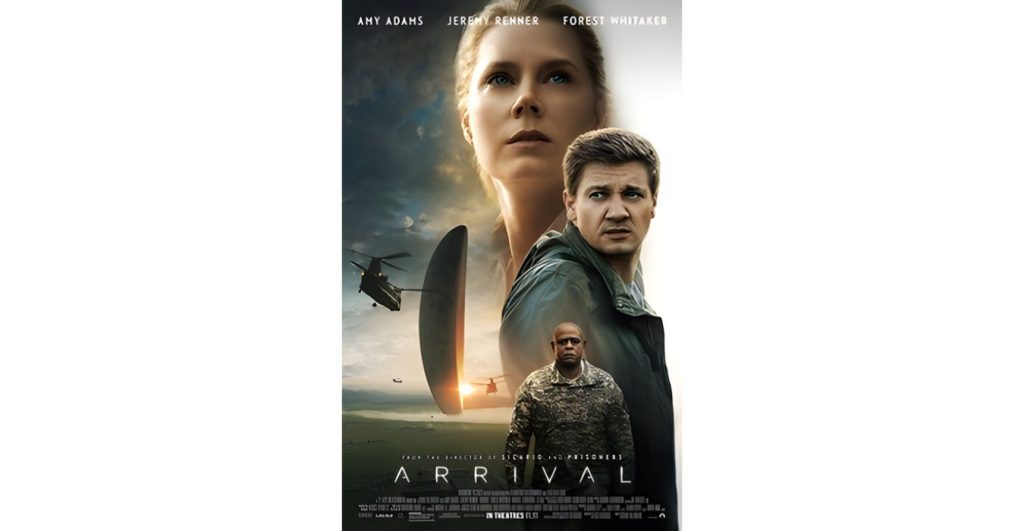
11. Arrival
Denis Villeneuve’s first-contact drama earned deep respect for treating language as action and grief as structure. That alone made it unusual in a market crowded with louder science fiction. Yet its prestige has sometimes made it harder to discuss its limits plainly. The pacing is patient to the point of distance for some viewers, and its cerebral design can feel more admired than felt. Its best ideas are strong enough to justify the acclaim, but not every audience experiences the film’s emotional reveal with the same intensity its reputation assumes.
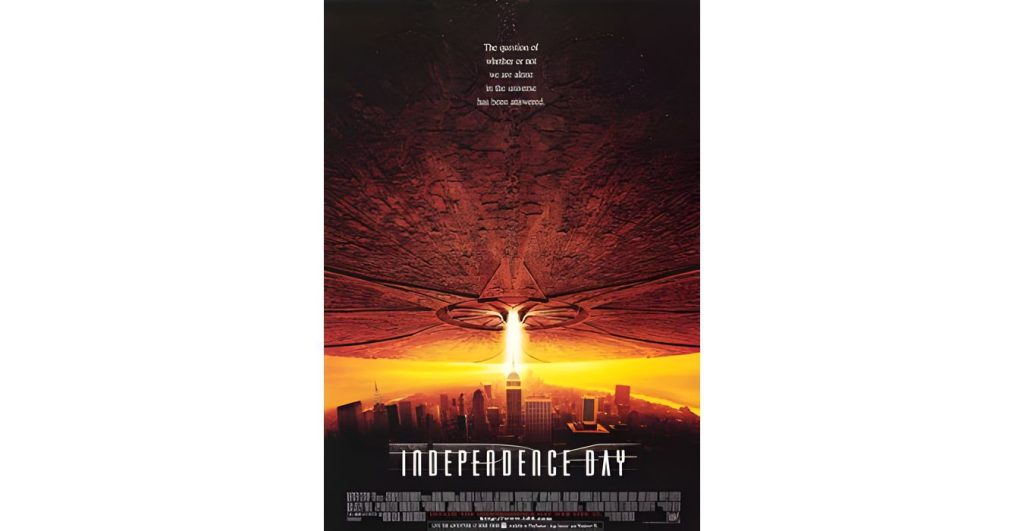
12. Independence Day
Roland Emmerich’s alien-invasion hit helped define a certain kind of blockbuster pleasure: huge destruction, broad heroism, and a sense of global peril turned into crowd-pleasing entertainment. Nearly three decades later, what holds up best is the scale and energy. What looks thinner now is almost everything underneath. The characters are sketched in broad strokes, the solutions are famously convenient, and the movie’s status as an all-timer often rests more on its cultural footprint than on its writing.
Sci-fi tends to reward ambition, and that is why these films still matter. Each one delivered something audiences wanted to revisit, quote, debate, or simply stare at in disbelief.
That staying power is real, even when the praise runs ahead of the actual movie. In a genre built on big ideas, being overrated often means a film did enough right to become unavoidable, while leaving just enough unresolved to keep the argument alive.


