
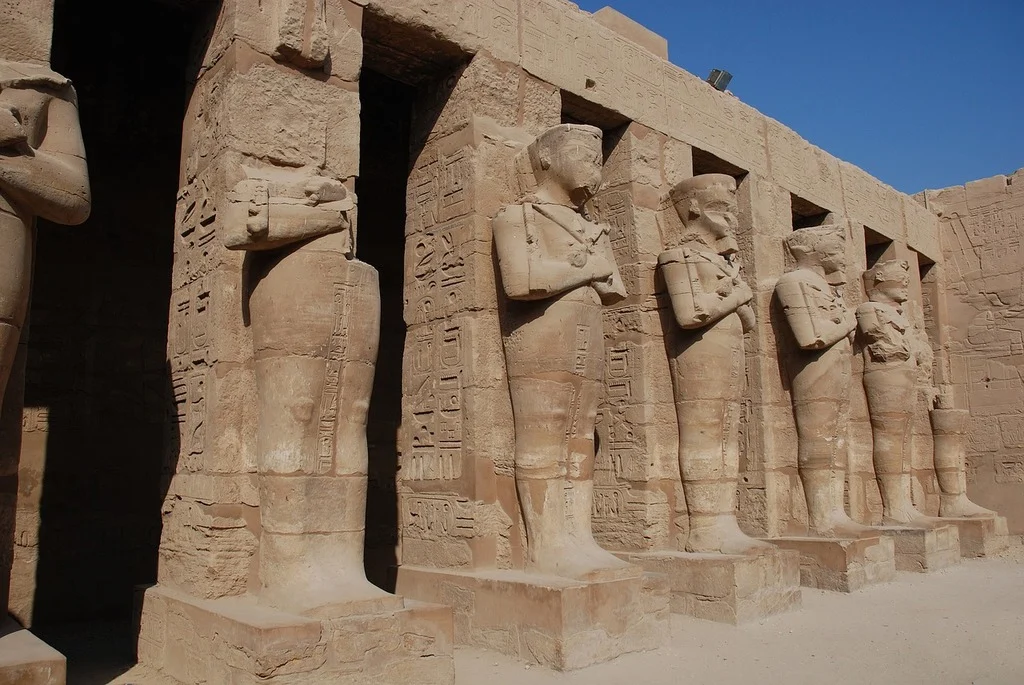
The Exodus has long occupied a space between sacred memory, cultural identity, and historical argument. No single inscription or excavation settles the question, but several strands of evidence continue to draw attention because they touch the story’s geography, language, and religious world in unexpectedly concrete ways.
What makes the subject enduring is not a clean archaeological trail. It is the way Egyptian records, biblical poetry, place names, and later traditions sometimes seem to brush against one another, leaving a pattern that remains difficult to ignore.
1. An Egyptian monument names Israel earlier than many expect
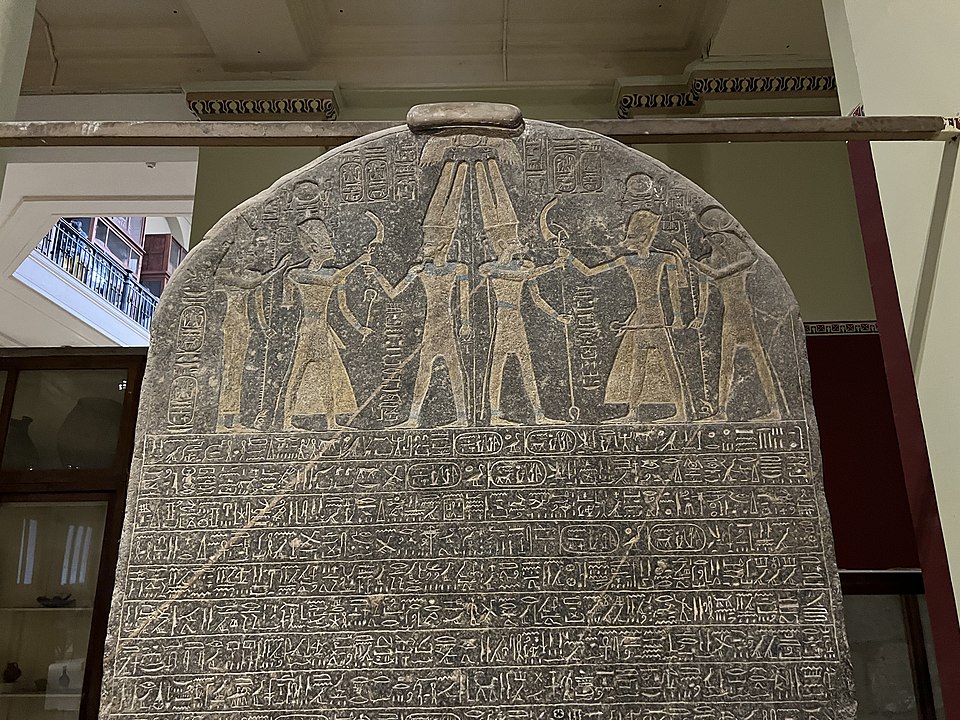
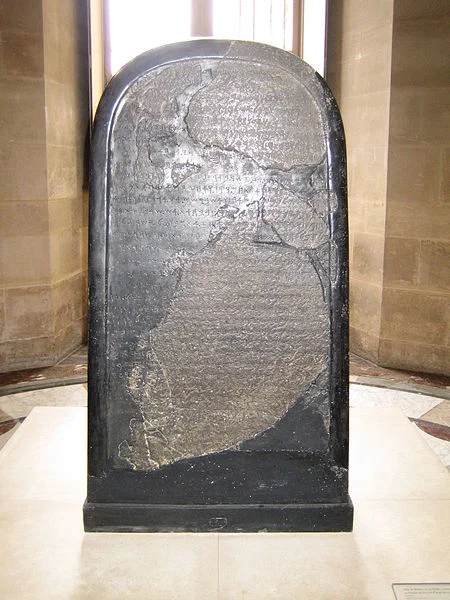
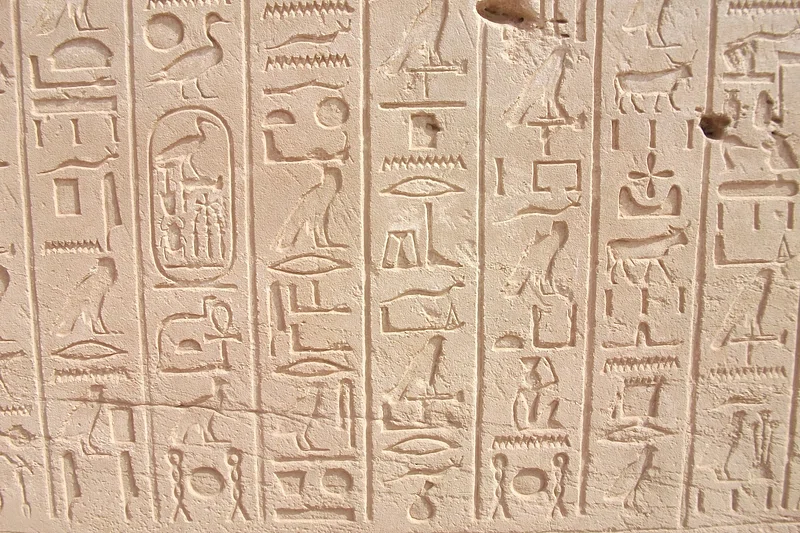
One of the most discussed artifacts in the entire debate is the earliest textual reference to Israel outside the Bible. The Merneptah Stele, dated to about 1208 BCE, refers to Israel as a people rather than a city-state, which matters because it places a group called Israel in Canaan by the late 13th century BCE.
That does not prove an Exodus, but it does establish that Israel was known in the historical record far earlier than many casual readers assume. It also narrows the field for anyone considering whether memories of migration from Egypt could have been circulating behind later biblical tradition.
2. The eastern frontier of Egypt was heavily fortified
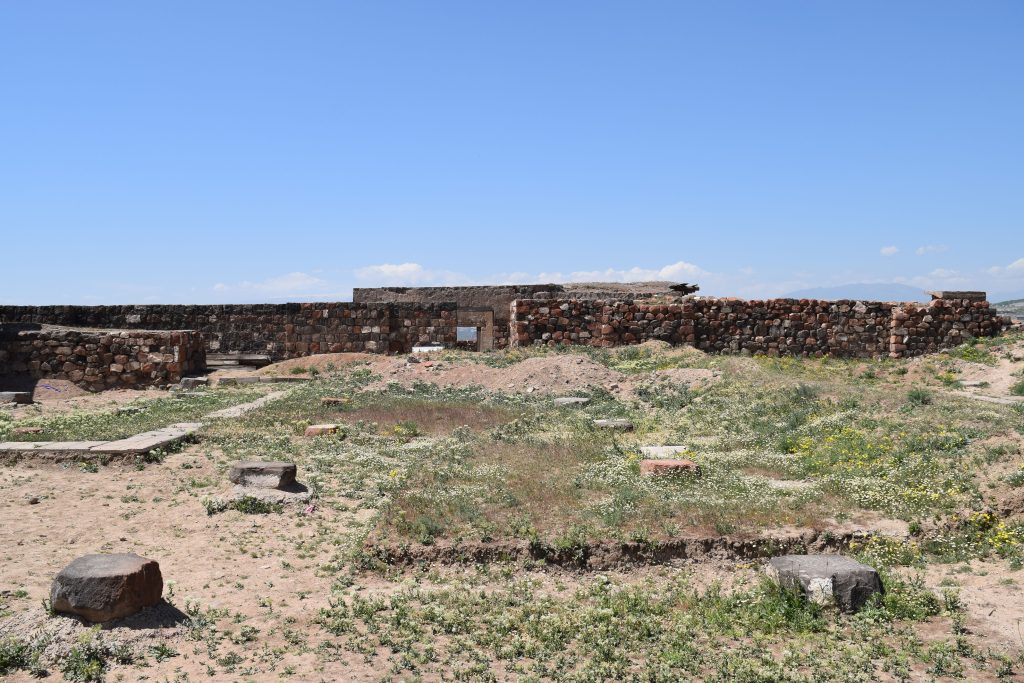
A recent discovery in North Sinai adds texture to the biblical route problem rather than solving it outright. Archaeologists uncovered a large New Kingdom fortress at Tell El-Kharouba along the Horus Military Road, the strategic corridor linking Egypt to Canaan. The site reportedly includes 11 defensive towers and covers about 86,100 square feet, reinforcing how tightly Egypt monitored its northeastern border.
That matters because Exodus 13:17 says the people were not led by the shorter road through Philistine country. In historical terms, this frontier was not an empty edge of empire but a watched and militarized zone. The fortress does not verify the biblical journey, yet it supports the broader idea that any movement out of Egypt toward Canaan had to reckon with real military infrastructure.
3. Egyptian texts preserve stories of expulsion and disorder
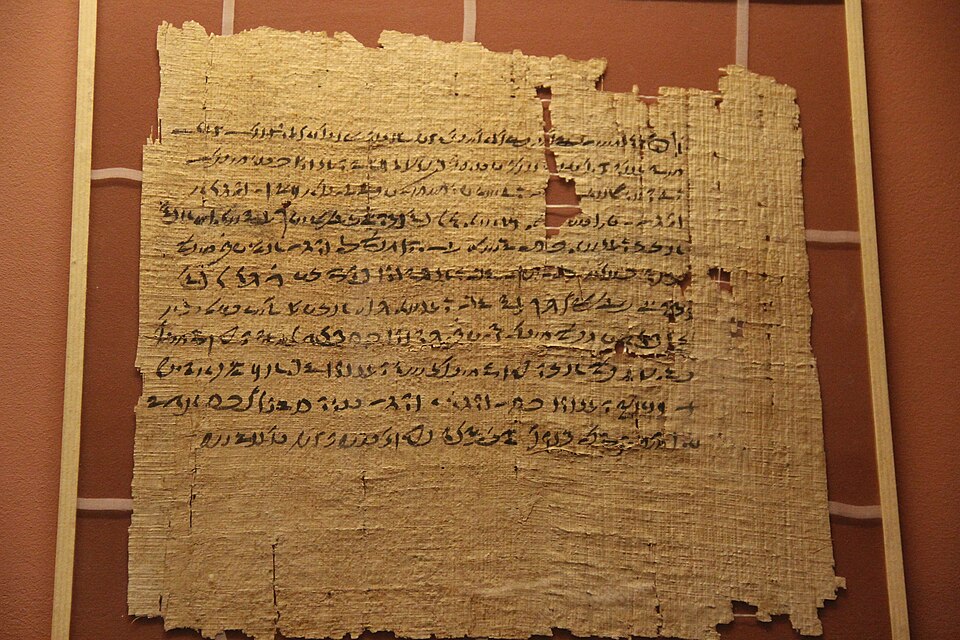
Later Egyptian and Greco-Egyptian traditions contain striking stories about foreigners, social upheaval, and a leader associated with the name Moses. The most famous is Manetho’s account of Osarseph, preserved by Josephus, in which a marginalized group rebels, joins outside allies, and eventually leaves Egypt. Scholars do not treat this as a straightforward historical report of the Bible’s Exodus.
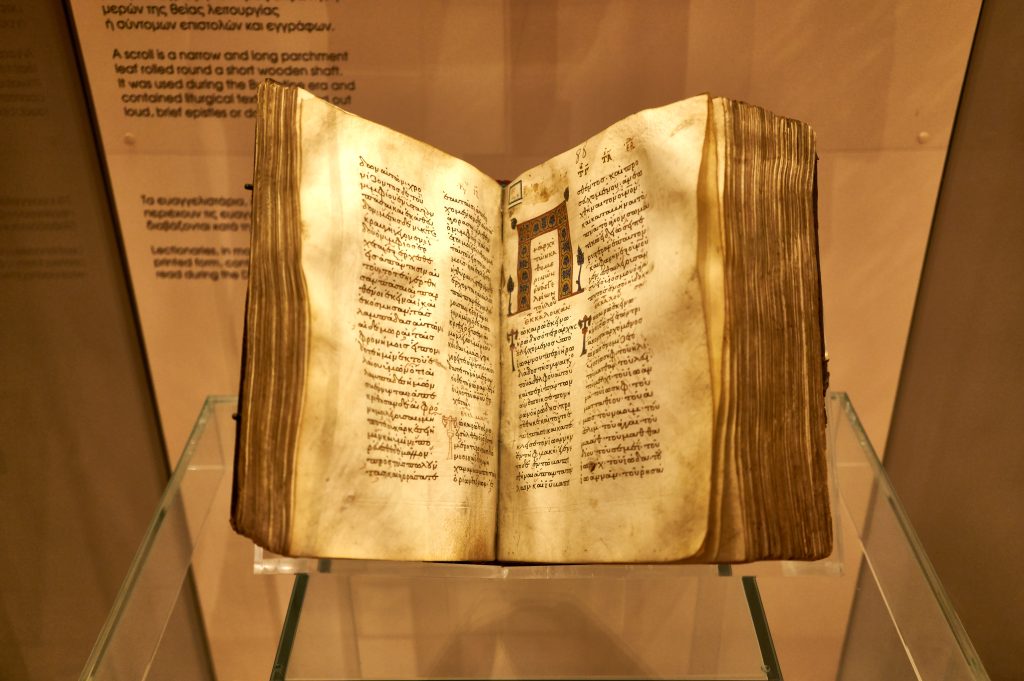
Even so, it shows that Egypt itself preserved memories and polemics about expulsions, impurity, religious conflict, and eastern departures. Those echoes are important because they suggest the Exodus tradition did not emerge in a vacuum. It grew in a wider ancient environment where stories of foreign groups in Egypt, and their dramatic exit, already had cultural life.
4. Some scholars see a smaller Exodus hidden inside the larger story
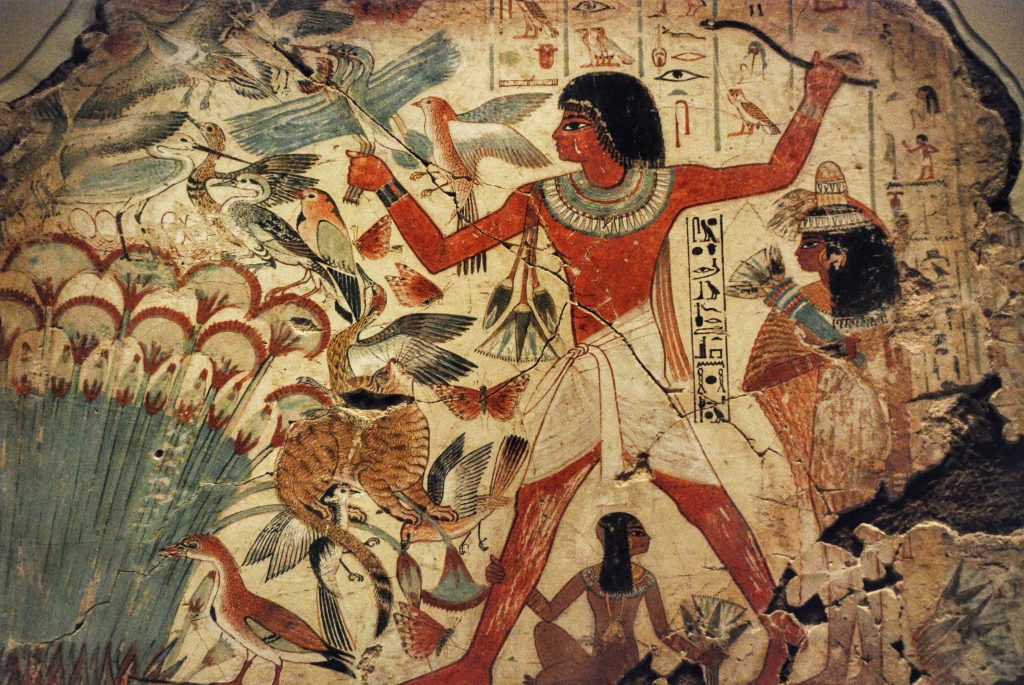
One of the most influential modern approaches argues that the biblical account may preserve the memory of a smaller group rather than a mass migration. In this reading, the Levites carry the Egypt-linked memory. The case rests on several details: a cluster of Levite names with Egyptian associations, unusual attention to Egyptian-linked customs, and the possibility that this group later merged its story into Israel’s national story.
This approach also helps explain why archaeology has not produced evidence for the biblical census-sized population in Sinai. A limited departure by one group fits more comfortably with the broader scholarly view that early Israel largely emerged from within Canaan while still allowing for an Egyptian strand in its memory.

5. The oldest biblical songs may preserve an earlier layer of memory
Poetic texts often survive long after their original setting has faded. The Song of the Sea in Exodus 15 and the Song of Deborah in Judges 5 are frequently treated as among the oldest material in the Hebrew Bible. Their value in this debate is subtle: they do not sound like later prose retellings trying to explain every detail. Instead, they preserve compressed memories of deliverance, battle, and divine intervention.
Their silences are part of the discussion too. Some scholars note that one poem celebrates deliverance from Egypt without emphasizing all Israel in later terms, while the other focuses on tribal life in Canaan without centering Levi. That unevenness has encouraged the view that different memories were woven together over time.
6. Egyptian fingerprints appear in parts of Israel’s religious tradition
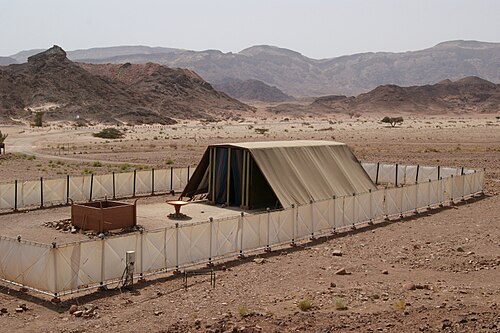
Several features associated with priestly and Levite material have long attracted attention: stronger emphasis on circumcision, concern for outsiders in communal law, and tabernacle imagery that some scholars compare to Egyptian military tent design. None of these details proves a direct line from pharaonic Egypt to biblical religion. Together, though, they suggest contact rather than total separation.
This is where the Exodus discussion becomes more than a search for a single artifact. It turns into a question of cultural residue. Traditions can carry borrowed forms, inherited names, and remembered practices even when the original event behind them has been reshaped by centuries of retelling.
7. The Exodus may have shaped how Israel understood God
For many scholars, the most significant clue is not a ruin or inscription but a theological merger. Early Israelite religion appears to have included devotion to El, while later biblical tradition identifies Israel’s God as Yahweh. One influential theory proposes that a group with Egyptian experience, often associated with Levi, brought Yahweh devotion into Canaan, where it merged with existing worship.
That would make the Exodus tradition central not only to a migration memory but to Israel’s religious self-understanding. In that sense, the story’s endurance reflects more than a dispute about historical detail. It reflects a foundational narrative about liberation, belonging, and the naming of God.
No single clue proves the Exodus. The strongest case is cumulative: an Egyptian mention of Israel, fortified border routes, old expulsion traditions, early Hebrew poetry, and cultural traces that look as if they came from more than one world. The result is not certainty. It is a layered historical conversation, one that continues because the evidence resists both easy dismissal and easy closure.


