
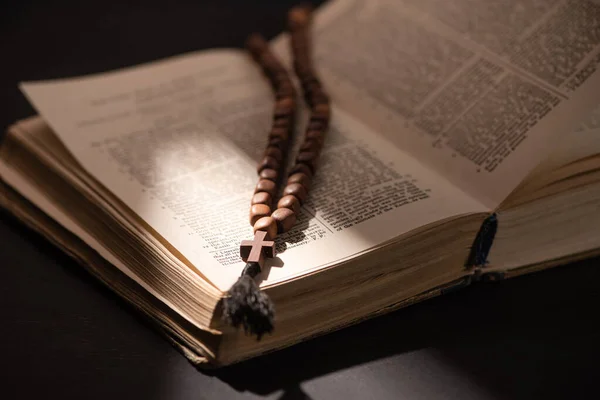
Churches often say there is room for honest questions. Many believers still learn, quietly and over time, that some questions feel easier to ask in private than in a sanctuary full of people. That tension is not always about bad motives or weak faith.
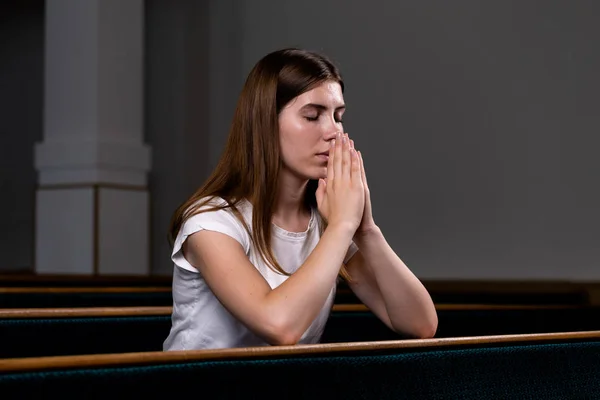
In many cases, it reflects the difference between worship, pastoral care, doctrinal teaching, and public accountability. It also reflects a broader reality: 52% of U.S. adults and teens say they have experienced religious doubts in recent years, according to 52% of U.S. adults and teens. Questions are common. The setting is often the harder part.
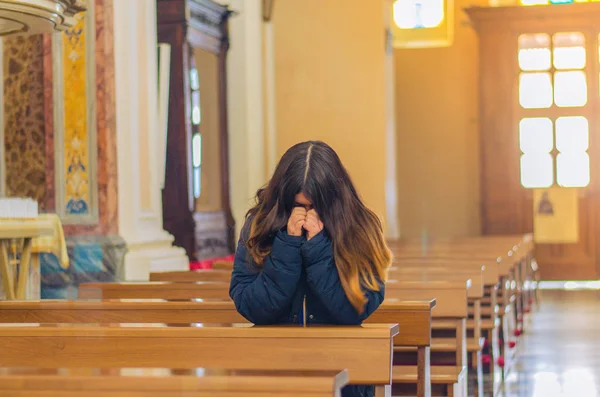
1. Why does church feel open to questions until the questions get difficult?
This is often the question beneath all the others. Many congregations welcome curiosity in principle, but the public worship service is usually built for prayer, preaching, sacraments, and shared confession rather than open-ended interrogation. That can leave thoughtful people feeling as if there is a hidden line they were expected to recognize without anyone naming it.
The discomfort is not imaginary. Research also shows that past experiences with a religious institution and perceived hypocrisy are major reasons people begin to doubt. When difficult questions are treated as threats instead of invitations, silence can deepen distance.
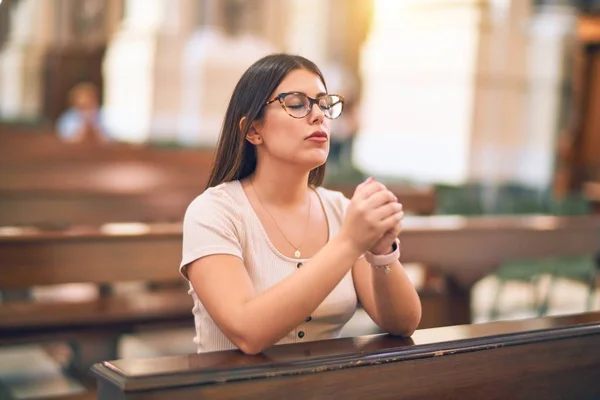
2. Why can someone ask God hard questions, but not always ask them out loud in church?
Scripture includes blunt cries of pain, confusion, and lament. Moses, David, Jeremiah, Job, and even Jesus voiced anguished questions before God. As Vaneetha Risner writes, “Don’t be afraid to ask God questions. He invites them.” What many churchgoers discover, however, is that a worship gathering and a prayer of lament are not the same kind of space.
A public service usually has limits of time, order, and tone. That does not make the questions improper. It means churches often redirect them toward counseling, small groups, classes, or pastoral conversation where they can be handled with care rather than reduced to a quick exchange.
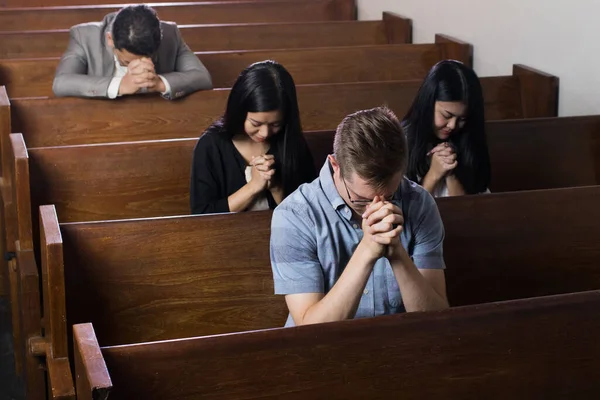
3. Why do questions about suffering feel especially hard to raise in church?
Suffering tends to expose the gap between polished religious language and lived experience. Questions such as “Where is God?” or “Why has healing not come?” are deeply biblical, yet many believers still fear that speaking them aloud will sound faithless. Beth M. Broom notes that these kinds of cries are “not strange or un-Christian,” and points to the psalms as evidence that pain often speaks in questions.
This is where church culture matters. When a congregation mainly rewards certainty, sufferers often go quiet. When it makes room for lament, people are less likely to confuse honesty with rebellion. A short answer from the stage rarely carries the weight needed for grief.

4. Why are doctrinal questions often redirected somewhere other than the service?
Questions about whether a teaching is essential, optional, historic, or debated can sound simple, but they rarely are. Once raised in a public gathering, they can quickly become shorthand for larger disputes about authority, interpretation, and belonging.That is why many churches move doctrinal questions into teaching settings.
A sermon can proclaim; a class can define terms, trace biblical themes, and show where traditions agree or differ. One recent seminary interview argued that clear reasoning matters because you cannot interpret the Bible apart from reason. In practice, that means some questions need more room than a worship service can provide.
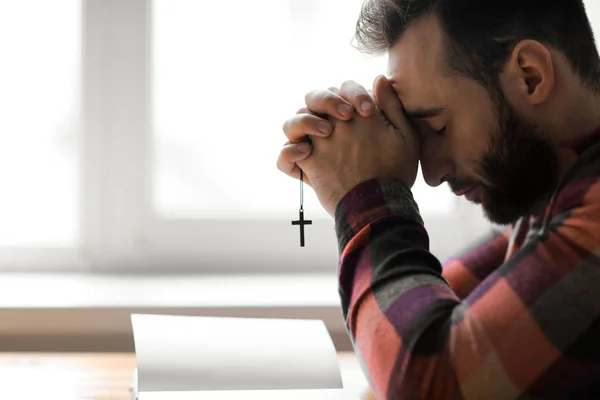
5. Why do questions about other religions make rooms tense so quickly?
Questions about salvation, truth, and people of other faiths often carry emotional weight because they are rarely abstract. They usually involve neighbors, spouses, parents, or friends. In a public church setting, one sentence can flatten a subject that pastors know requires patience, precision, and pastoral sensitivity.
The deeper problem is often not the question itself but the fear around it. As one ministry article put it, “Let’s stop talking about each other and start talking to each other.” Conversations about belief differences tend to go better when they are shaped by listening rather than pressure for a fast, definitive line.
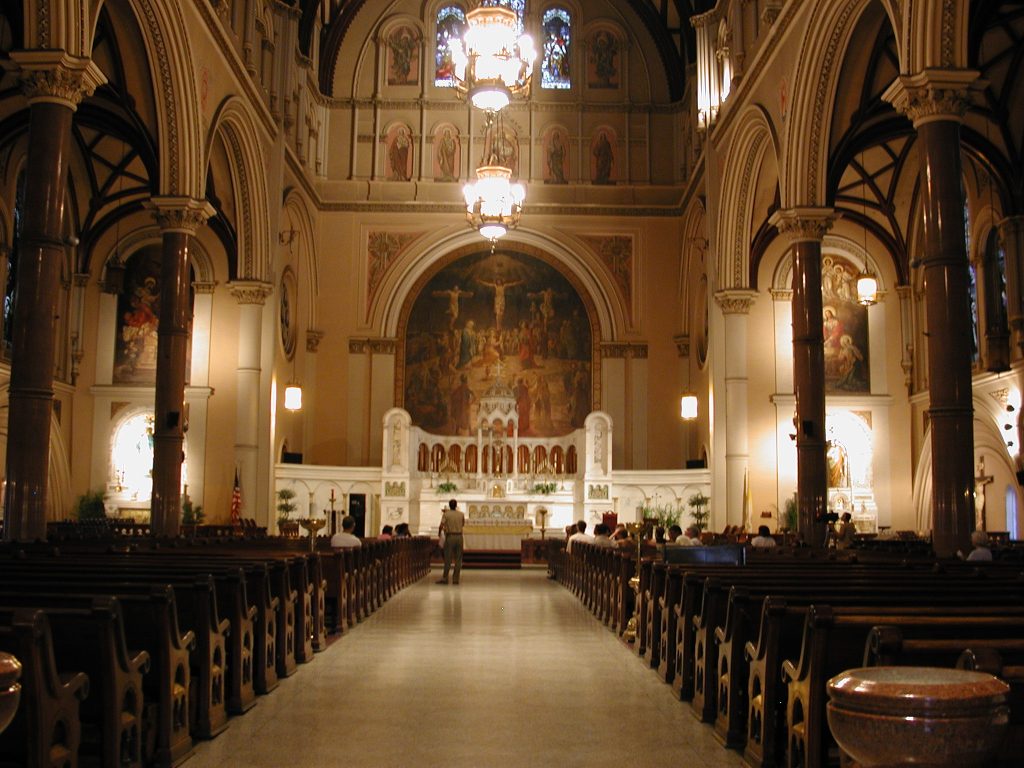
6. Why are public questions about church discipline or private cases usually shut down?
These questions can sound like calls for transparency, and sometimes they are. But in live church settings, they can also force leaders to speak about allegations, private counsel, family pain, or unfinished processes in front of a congregation that does not know the full context.
That restraint can feel evasive. It can also reflect the fact that some matters involve confidentiality, due process, and care for multiple people at once. Public worship is rarely the place where a church can responsibly discuss private accusations or disciplinary steps in detail.

7. Why do churches need better places for difficult questions than the sanctuary microphone?
The real issue is not whether Christians have questions. They do. The issue is whether a church has trustworthy places for those questions to be heard, clarified, and answered without embarrassment. When that pathway is missing, people often assume their doubts are unwelcome.
Churches that handle this well tend to distinguish between what belongs in worship and what belongs in conversation. They make space for lament, catechesis, pastoral care, and careful disagreement. Honest faith is not the absence of hard questions. It is the willingness to bring them into the light, in the right place, with the expectation that truth does not need fear to protect it.

Many believers are not looking to disrupt church. They are trying to stay present while carrying real grief, confusion, or intellectual tension. When congregations recognize that difference, difficult questions stop sounding like threats and start sounding like discipleship.


