
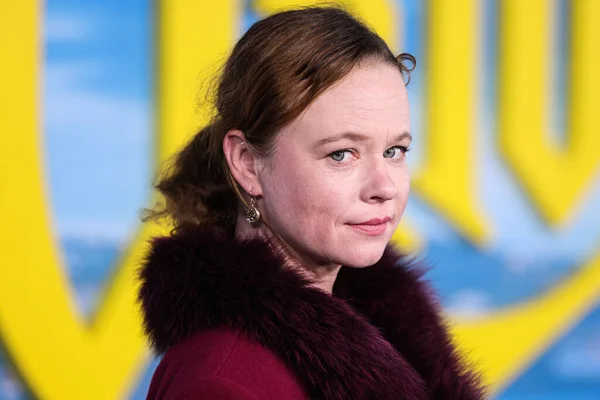
Hollywood careers are shaped by more than talent. A strong performance can open doors, but an actor’s reputation, fair or unfair, can influence who gets called in, who gets passed over, and who quietly disappears from the shortlist.
That tension has become easier to understand as more attention has shifted to how casting actually works. Casting directors often balance creative fit, studio demands, scheduling, ensemble chemistry, and market concerns, and the process can involve thousands of auditions for a single major role. In that environment, a damaging label can travel fast.
1. Katherine Heigl
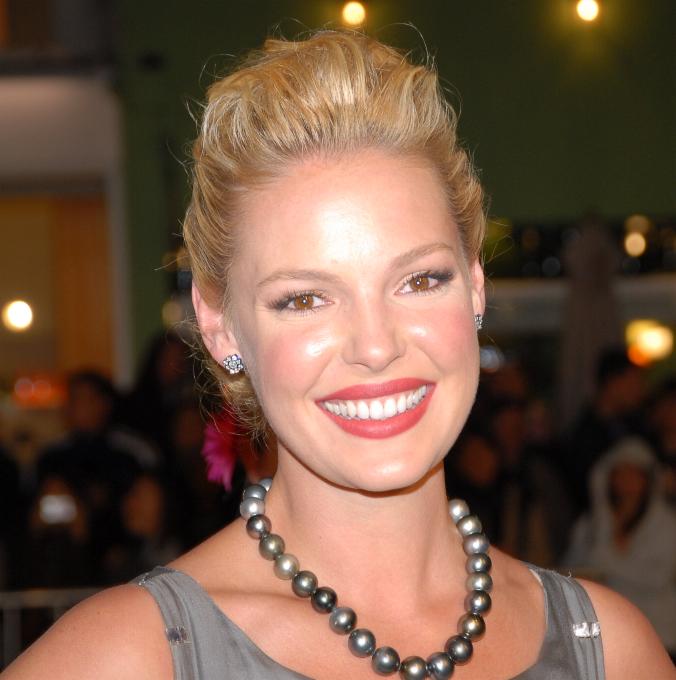
Katherine Heigl remains one of the clearest examples of how public perception can harden into an industry reputation. After becoming a breakout television and romantic-comedy star, she faced years of commentary that framed her as “difficult,” a label that followed her long after her biggest projects.
Several moments fed that image: criticism surrounding her work on Grey’s Anatomy, comments about Knocked Up, and repeated stories about on-set friction. Heigl later pushed back on the escalation of that narrative, saying, “I may have said a couple of things you didn’t like, but then that escalated to ‘she’s ungrateful,’ then that escalated to ‘she’s difficult,’ and that escalated to ‘she’s unprofessional.’” Her career did continue, but the path changed noticeably from the fast-rising momentum she once had.
2. Ashley Judd
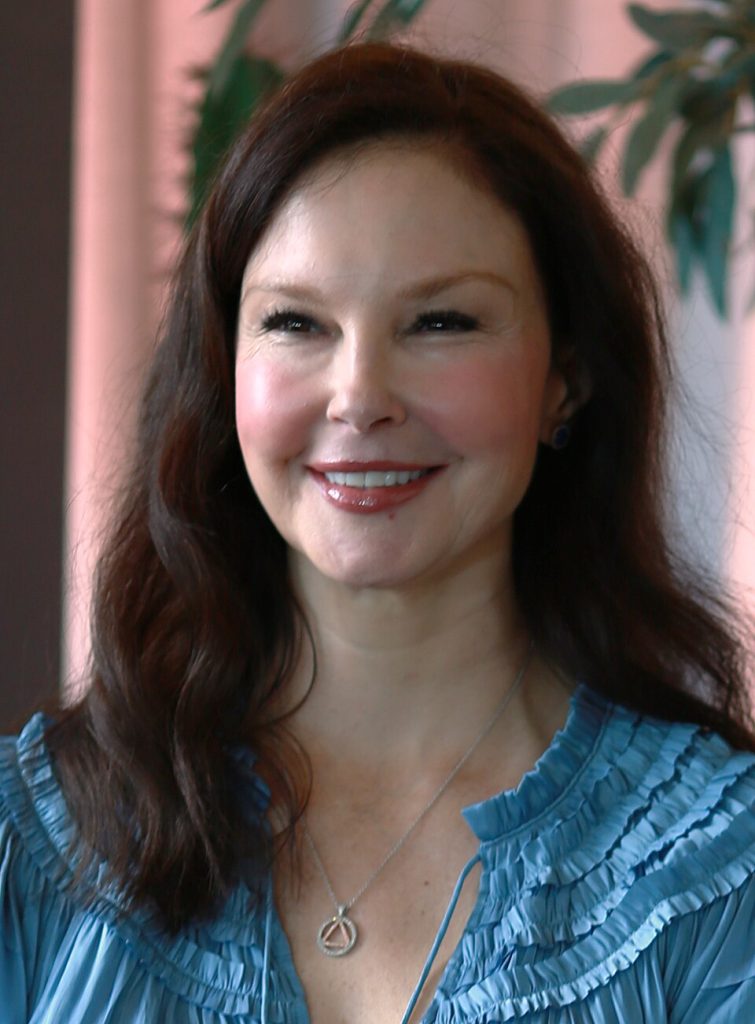
Ashley Judd’s experience became one of the most widely discussed examples of how reputation can be manipulated behind the scenes. Her name was reportedly damaged in industry circles after she rejected Harvey Weinstein, affecting how decision-makers viewed her during a critical period of her career.
Director Peter Jackson later said Weinstein had described Judd as a “nightmare” to work with, leading her to be removed from consideration during the casting process for a major franchise. The case became part of a broader public reckoning over how women were branded with career-damaging labels when they resisted powerful figures.

3. Mira Sorvino
Mira Sorvino’s career slowdown has often been discussed alongside Judd’s for similar reasons. After her Oscar-winning ascent, opportunities narrowed in ways that later appeared connected to private retaliation rather than public box-office shifts or changing audience taste.
Her story drew renewed attention when it emerged that directors admitted to blacklisting her after Weinstein allegedly smeared her professionally. Sorvino said she felt “iced out,” and later reporting gave that feeling much sharper context. The lasting point was not only that roles were lost, but that the damage was carried out through whispers rather than open decisions.
4. Tippi Hedren
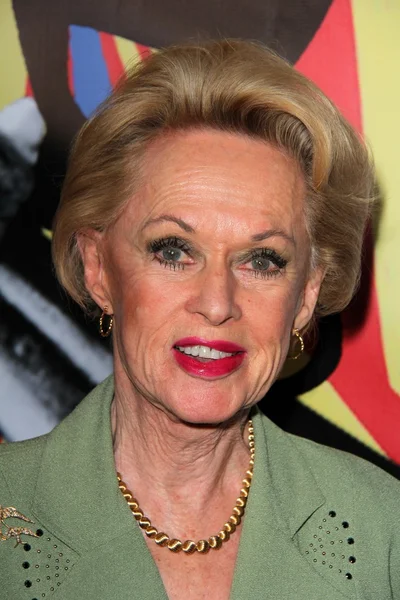
Tippi Hedren’s career has long stood as a classic Hollywood example of how a powerful person’s opinion could control an actress’s options. After rejecting Alfred Hitchcock’s make love advances, she said he used his contractual control to block her from outside opportunities.
That kind of reputational damage did not need a formal announcement. In the studio-era model, one influential figure could make an actress appear unavailable, difficult, or too risky to pursue. Hedren later summed up the result with unusual clarity: “He ruined my career, but he didn’t ruin my life.”
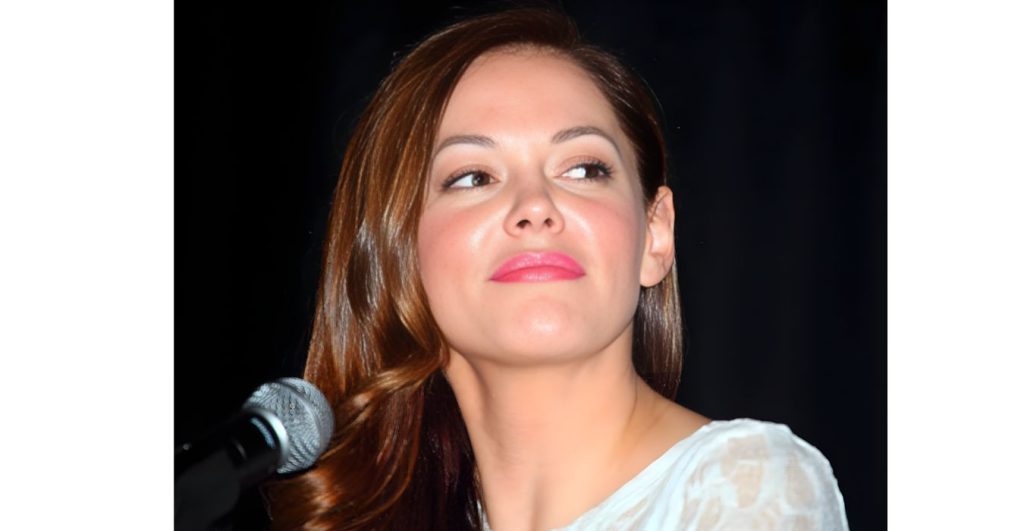
5. Rose McGowan
Rose McGowan’s career became inseparable from the larger story of industry retaliation. Long before public accountability shifted the conversation, she had described being pushed aside after confronting abuse and refusing silence.
Her situation is often cited as a case where the actress’s “reputation” in the business was shaped less by conduct than by resistance. Once that image takes hold, fewer calls, fewer meetings, and fewer offers can do the rest. The pattern exposed how reputational harm can function as an informal gatekeeping tool.

6. Mo’Nique
Mo’Nique’s post-awards career sparked years of discussion because the slowdown came after major acclaim rather than failure. She said she was told she had been blackballed for not “playing the game,” a phrase that captured how professional reputation can be tied to compliance as much as performance.
Lee Daniels publicly said, “Mo’Nique, you’ve been blackballed,” linking the issue to strained campaign expectations during the awards season for Precious. Her case highlighted a different version of the same problem: a perception that an actress was not aligned with the industry’s unwritten rules.
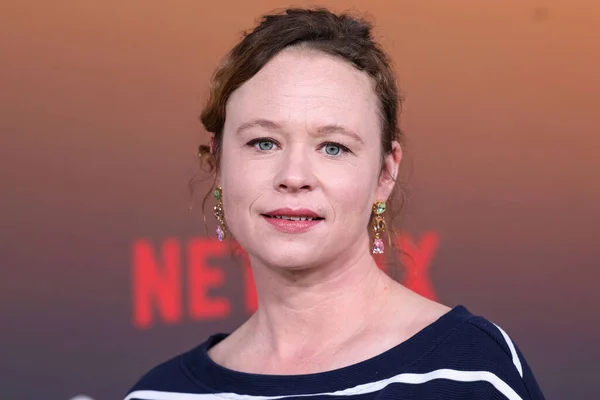
7. Thora Birch
Thora Birch had the kind of early résumé that usually leads to a long A-list run, with acclaimed work in American Beauty and Ghost World. Instead, her momentum faded, and discussion around her career often centered on off-screen complications rather than screen presence.
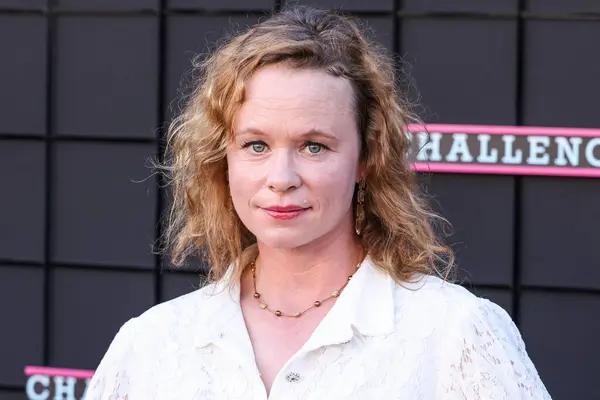
Reports about clashes, management issues, and tension around professional relationships became part of the story. Birch herself later acknowledged that she had upset people over time. In Hollywood, that sort of reputation can be enough to narrow a once-promising path.
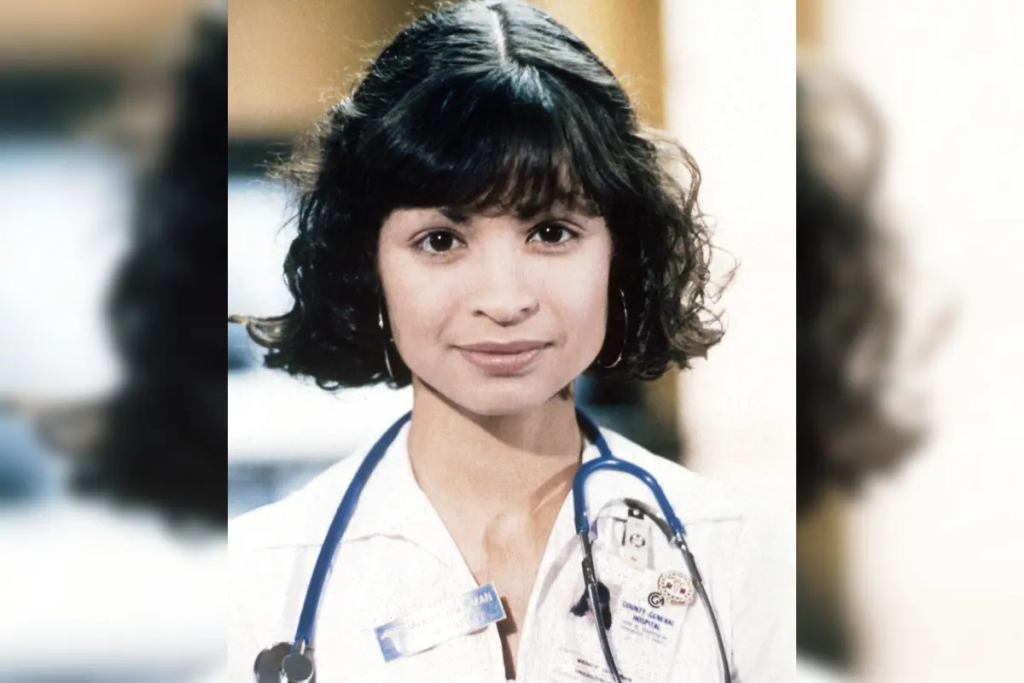
8. Vanessa Marquez
Vanessa Marquez’s story is frequently mentioned in conversations about actresses who believed they paid a professional price after speaking up. She alleged that her career suffered after raising concerns about harassment and workplace treatment connected to her time on ER.
The claims were disputed, but the larger pattern remains notable: once an actress is viewed as a problem rather than a performer, her working opportunities can shrink quickly. Whether the label is deserved, exaggerated, or contested, its effect can still be profound.
These careers do not all follow the same pattern, and the reasons behind lost roles are rarely simple. Some actresses were tagged as demanding, some were called difficult, and others were undermined by people with far more power than they had.
What links these stories is the quiet force of reputation in an industry built on access. A role is not always lost in public. Sometimes it disappears in the room before the audition is even offered.


