
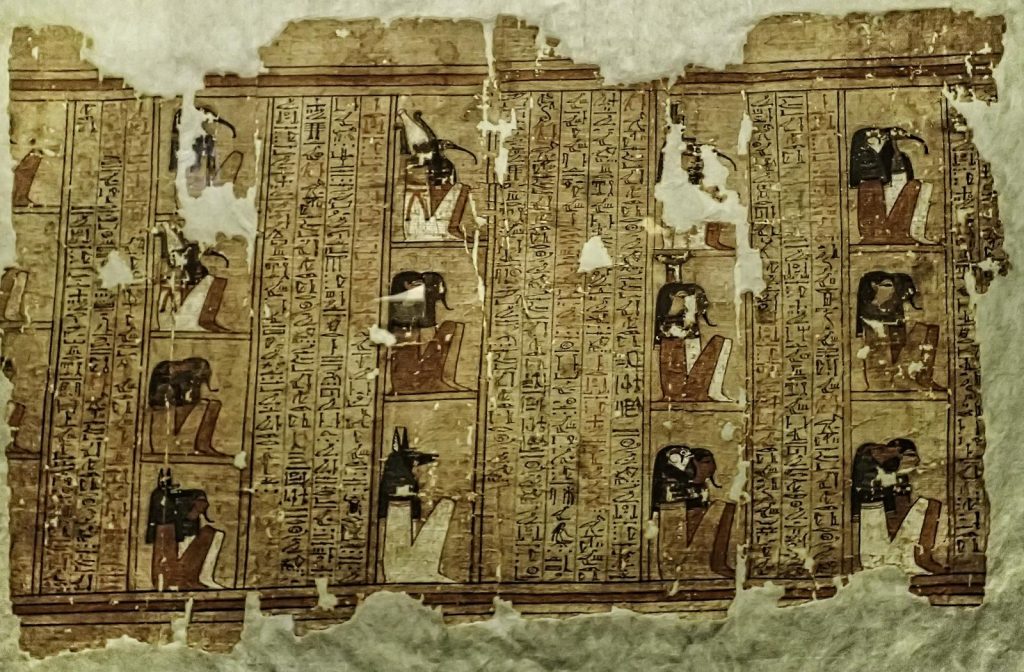
Ancient Egypt did not preserve its past in a single, tidy archive. In the Nile Delta especially, mudbrick settlements vanished, papyri decayed, and official memory often favored royal prestige over public embarrassment. That makes every surviving inscription, papyrus, and later historical retelling unusually important when readers look for echoes of early Israelite history.
These texts do not speak with one voice. Some are royal, some literary, some copied centuries after the events they describe, and some survive only through later quotations. Still, several stand out because they preserve motifs that overlap with biblical themes: Semitic migration into Egypt, famine, forced labor, social collapse, Avaris, and the memory of a departure reframed from an Egyptian point of view.
1. The Beni Hasan “Asiatics” Scene
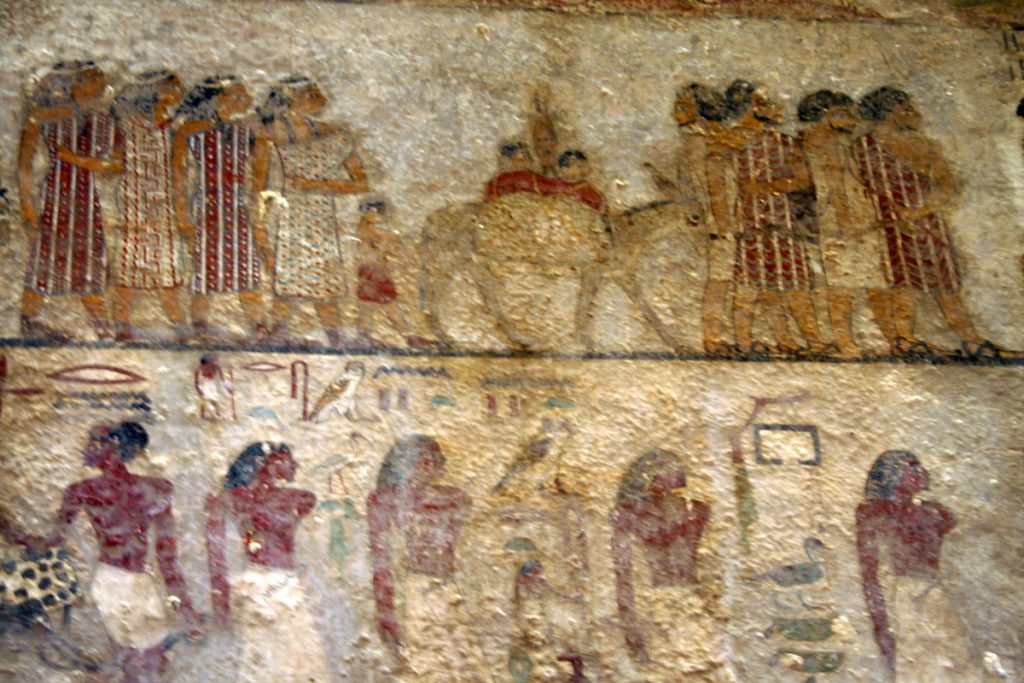
Among the most vivid images is the tomb painting at Beni Hasan, often called the Ibscha relief. It shows a group of Semitic migrants entering Egypt with animals, goods, and distinctive clothing. Scholars identify the figures as people from the Levant, and the scene is widely noted for its close attention to foreign appearance and movement. Its importance lies in atmosphere as much as detail. The image demonstrates that Semitic families did enter Egypt in organized groups, not merely as isolated traders or captives. For readers of early Israelite traditions, that matters because biblical memory also begins with families from Canaan moving into Egypt during hardship. The painting is not a portrait of Jacob’s household, but it gives historical texture to the world behind that story, including Semitic migration into Egypt.
2. The Famine Stele
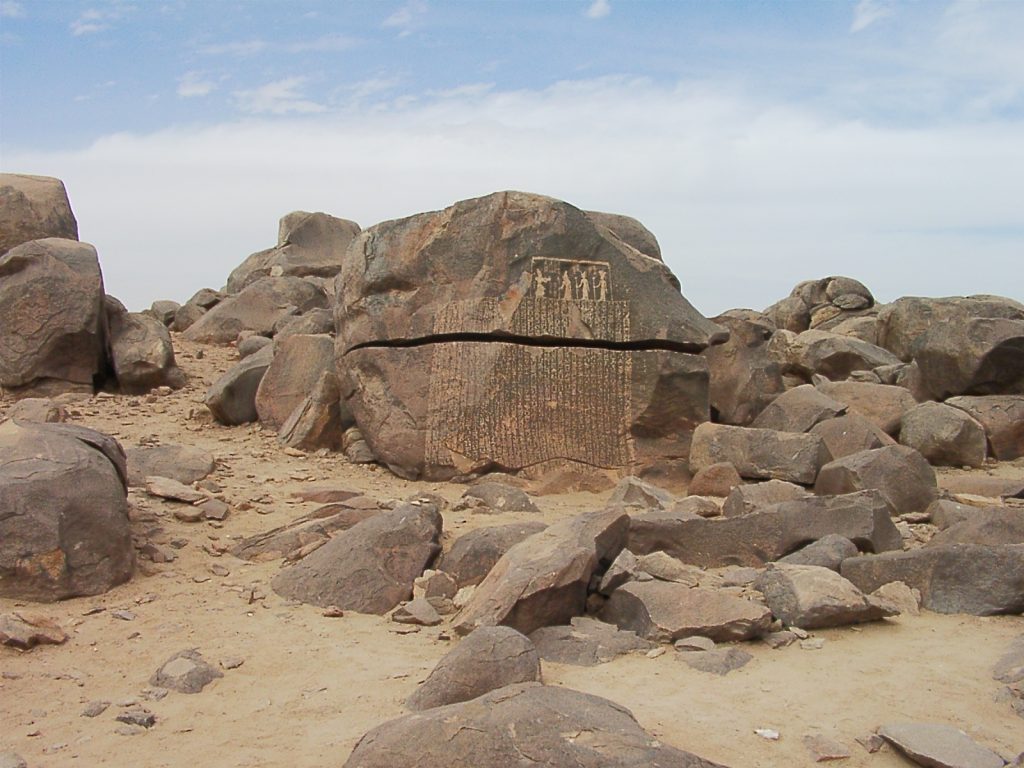
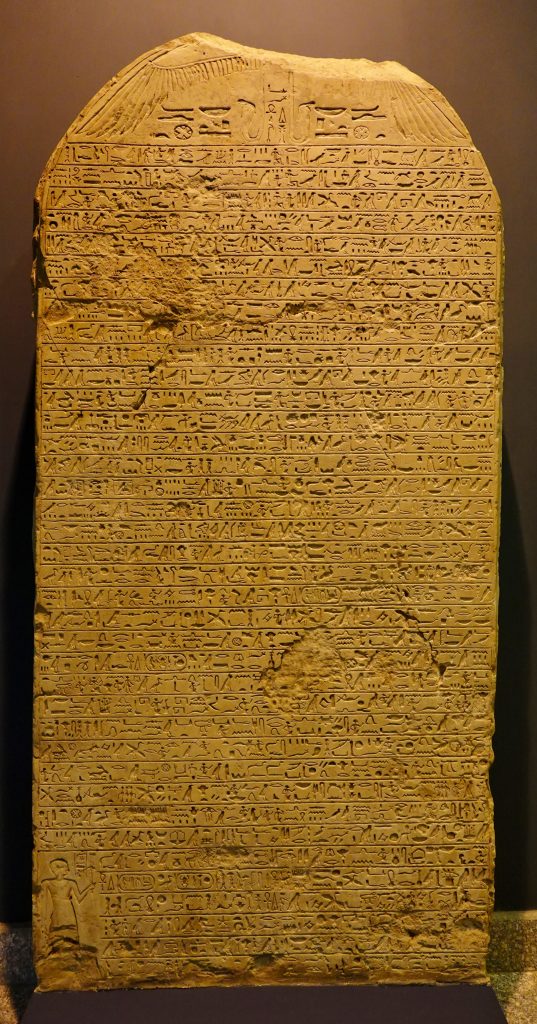
The Famine Stele, carved much later than the era it describes, tells of a seven-year famine in Egypt. It speaks of scarcity, public distress, a troubled ruler, and a reversal brought about after divine insight. Even with its late inscription date, the narrative preserved on the stone has drawn attention because of those striking elements. The strongest echo is the pairing of famine and royal dream-like revelation, a pattern familiar from the Joseph story. The text does not name Joseph, and it should not be read as a direct duplicate of Genesis. Yet the overlap is unmistakable enough that it continues to appear in discussions of Egyptian memories that resemble Israelite tradition.
3. The Turin King List and Manetho’s Hyksos Memory
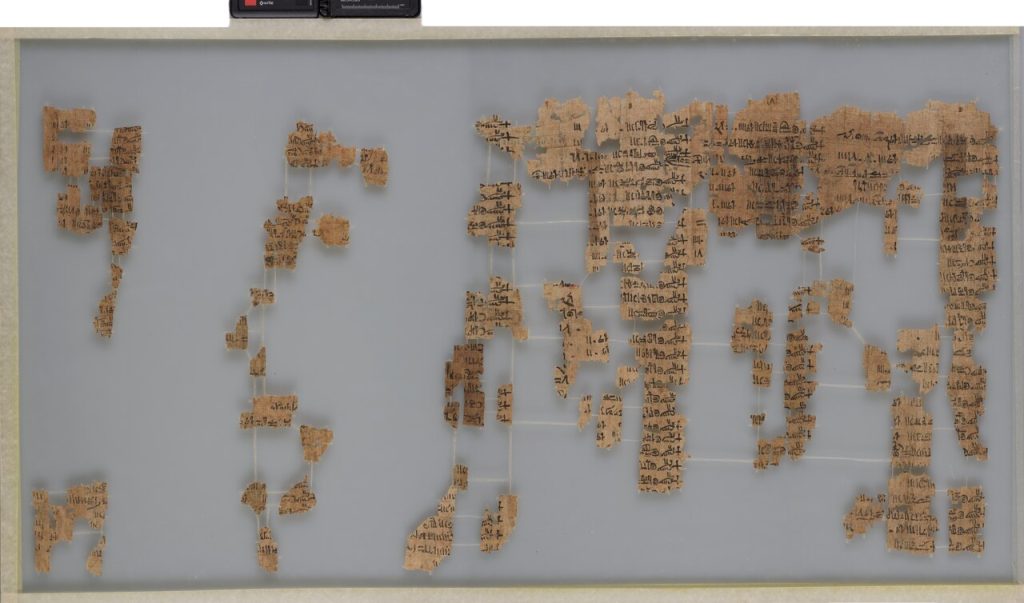
The Hyksos period occupies a complicated place in Egyptian remembrance. Later rulers often treated it as an unwelcome chapter, but the Turin King List preserves a record of rulers from that era, while Manetho’s history, known through later writers, also remembers foreign domination in the Delta. This matters because the Hyksos were associated with western Asiatic, broadly Semitic populations in northern Egypt. In later interpretation, some Jewish and Christian writers connected these memories with Israelite origins. That identification remains disputed, but the textual pattern is clear: Egyptian tradition did preserve a memory of foreigners rising in influence in the region linked to Goshen and Avaris. The overlap is especially strong around Hyksos rule in the Delta.
4. The Carnarvon Tablet of Kamose
The Carnarvon Tablet preserves a royal voice from a divided Egypt. Kamose speaks of rival powers controlling different parts of the land and expresses frustration over Asiatic strength in the north. The language is political, forceful, and openly hostile. For readers comparing texts, the value of the tablet is not that it retells Exodus. It does something narrower and just as useful: it preserves an Egyptian ruler’s anxiety about a powerful Asiatic population entrenched in the Delta. That background resembles the fear found in the opening chapter of Exodus, where a new ruler worries that a foreign-descended population has become too numerous and too strong.
5. The Rekhmire Tomb Scenes
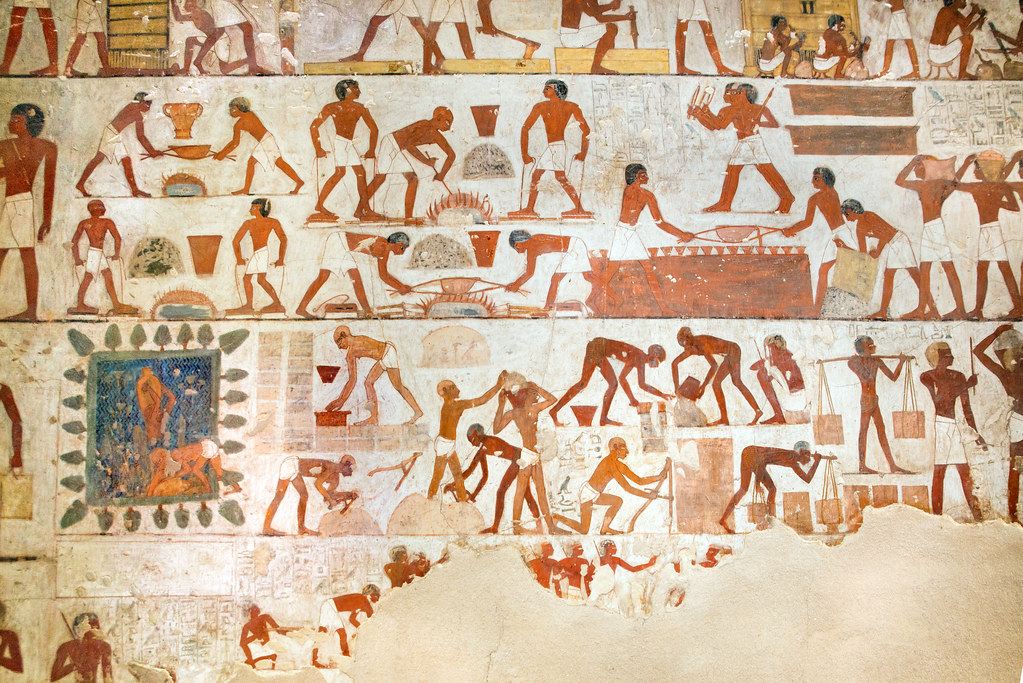
Some of the most concrete echoes come not from long narratives but from painted labor scenes. In the tomb of Rekhmire, foreign workers are shown making bricks from mud, water, and straw under supervision. These images are routinely cited because they provide a visual counterpart to one of the Bible’s most memorable descriptions of oppression. The connection is practical rather than dramatic. Brickmaking with straw was part of Egyptian labor systems, and Semitic workers were involved in such work. The biblical account of Hebrews pressed into brick labor therefore sits comfortably within a known Egyptian setting. The scene does not identify Israelites by name, but it gives real-world context to brickmaking with straw in Egypt.
6. The Proto-Sinaitic Inscriptions from Serabit el-Khadim
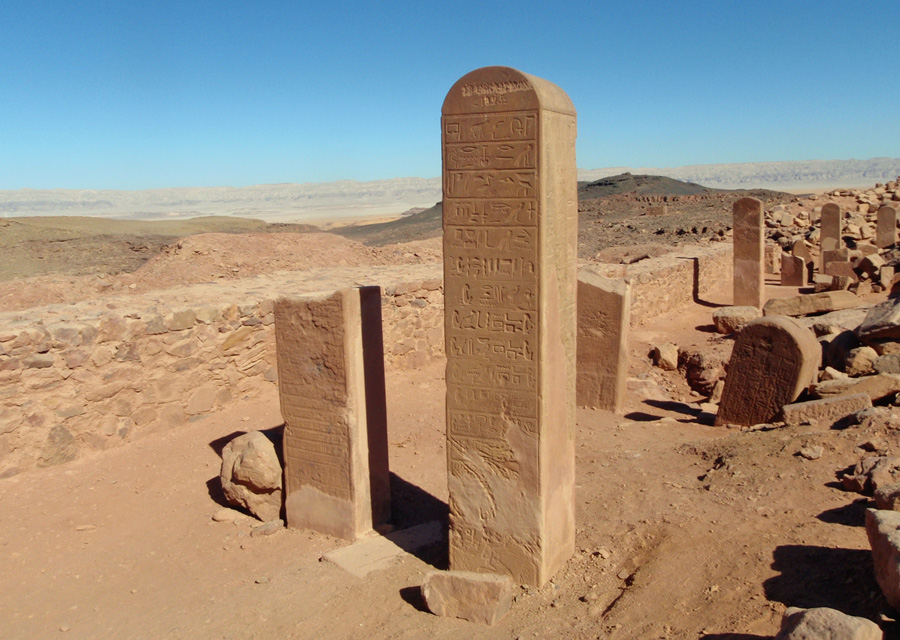
At the turquoise mines of Serabit el-Khadim in Sinai, archaeologists found early alphabetic inscriptions created by Semitic speakers working in an Egyptian mining environment. These inscriptions are among the most important witnesses to the early history of alphabetic writing. Their relevance to Israelite history lies in setting and language. Egyptian control, Semitic labor, and the emergence of a script ancestral to later Levantine alphabets all meet in one place. Some researchers have argued for specifically Hebrew readings in a few inscriptions, though those claims remain debated. Even without that stronger claim, the site preserves a world in which Semitic workers in an Egyptian sphere were already adapting writing to their own speech.
7. The Ipuwer Papyrus
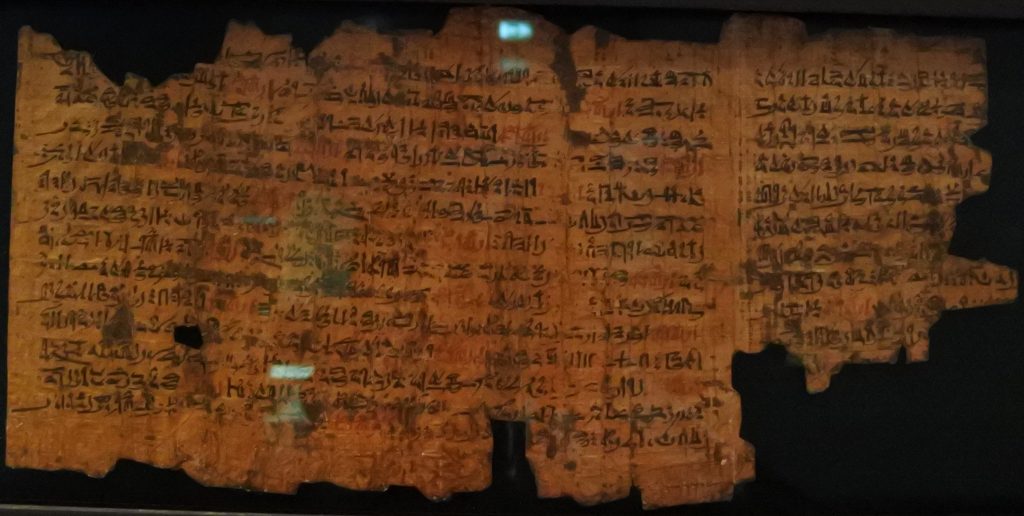
The Ipuwer Papyrus is often discussed because its language of disaster is so dramatic. It describes a land in upheaval, social inversion, ruined crops, darkness, blood, and grief. The text is literary and difficult, and scholars debate both its date and how literally it should be read. Still, several lines are regularly compared with plague traditions. “Indeed, the river is blood,” the papyrus says, and elsewhere it describes a land without light and a society in collapse. These are not neat one-to-one confirmations of Exodus, but they show that Egyptian literature could frame national trauma in images that sound remarkably familiar to readers of the biblical plagues.
8. Manetho’s Story of Osarsiph, Avaris, and Moses
One of the most provocative texts is Manetho’s account, preserved by Josephus. In that retelling, a group of impure or diseased people is segregated, sent to labor, allowed to settle in the city Avaris, and led by a priest named Osarsiph, who later “was called Moses.” The narrative is hostile, face-saving, and written from an Egyptian viewpoint that reverses the moral center of the biblical story. That reversal is the reason the text matters. It remembers a disruptive departure tradition involving Moses, Avaris, foreigners, and religious conflict, but casts Egypt as the injured party and the departing group as polluting enemies. Even in distortion, the account preserves a memory structure that many readers have recognized as an Egyptian counter-version of Exodus.
Josephus himself quoted it while arguing against it, which helped preserve the tradition at all. Taken together, these texts do not form a single proof or a single narrative. They are fragments from different centuries, genres, and political settings. Yet they show that Egyptian records and Egyptian memory preserved recurring themes that brush against early Israelite tradition: Semitic arrival, famine, Delta settlements, foreign labor, Avaris, disaster language, and a contested memory of Moses. For that reason, these ancient texts continue to hold a special place in the long conversation between archaeology, scripture, and cultural memory.


