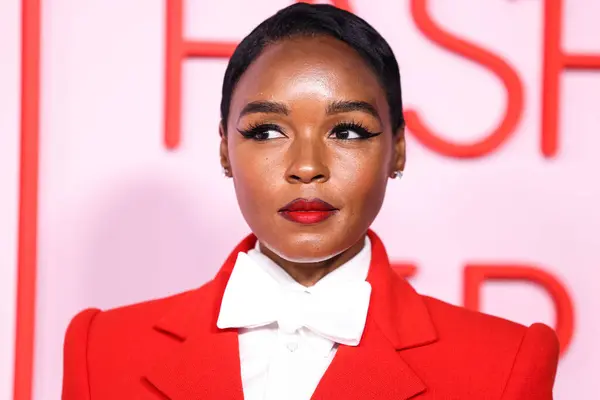
Visibility around identity and attraction in entertainment has become more layered, more public, and more personal. For Black performers especially, that openness has carried cultural weight far beyond a single interview or social post, giving audiences a wider view of what identity can look like on screen and off. These names stand out not only for their film, television, and music careers, but also for how they have spoken about attraction, self-definition, and authenticity in their own words.
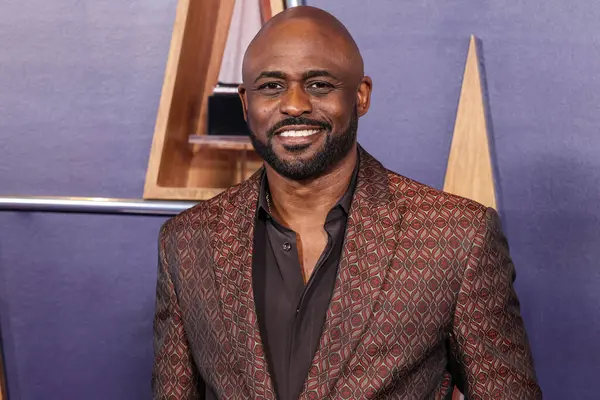
1. Wayne Brady
Wayne Brady added a new chapter to his long public career in 2023 when he opened up about his identity. He also spoke about it with humor. The moment resonated differently because Brady was already a familiar presence to mainstream audiences through Whose Line Is It Anyway?, Let’s Make a Deal, and stage work that includes Broadway.
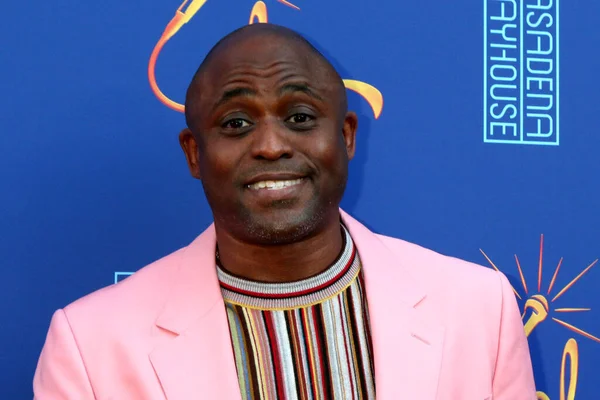
That combination matters. A performer known for improv, hosting, comedy, and theater brought a term that many viewers still misunderstand into a very recognizable space, making the conversation feel less niche and more everyday.
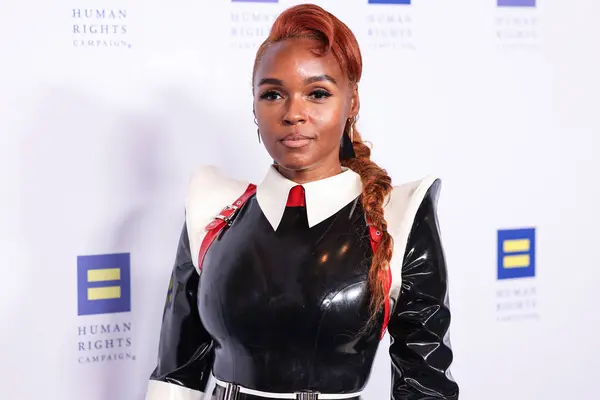
2. Janelle Monáe
Janelle Monáe remains one of the clearest examples of a star linking identity, artistry, and screen presence. In a 2018 interview, Monáe said, “I’m open to learning more about who I am,” while discussing their personal journey of self-understanding and identity. That moment became a touchstone because it framed identity as something honest and evolving rather than boxed in.
As an actor, Monáe has built a standout résumé with Moonlight, Hidden Figures, Glass Onion, and Homecoming. Their visibility also extends beyond acting, which has helped make conversations about queer identity feel connected to style, music, storytelling, and public image all at once.
3. Madison Bailey
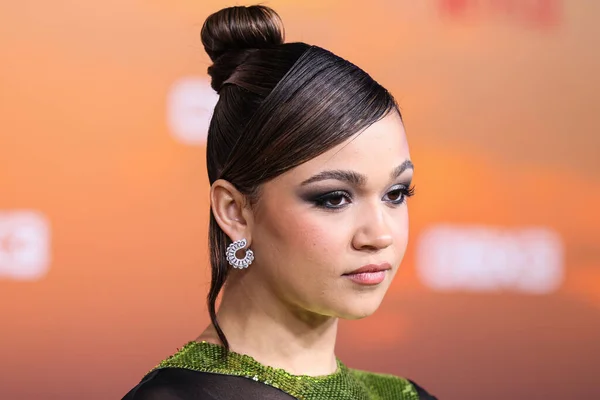
Madison Bailey connected with a younger audience when she spoke openly about her identity through TikTok and later interviews. Because Bailey’s breakout role as Kiara “Kie” Carrera on Outer Banks arrived during the social-media era, her openness reached fans in the same spaces where many of them were already exploring language around identity.
Her impact has been tied to timing as much as fame. Bailey spoke candidly early in her career, and that gave younger viewers a contemporary reference point rather than a distant celebrity story. Her work on Outer Banks and appearances in Black Lightning helped keep that visibility grounded in a fast-rising acting career.
4. Amandla Stenberg
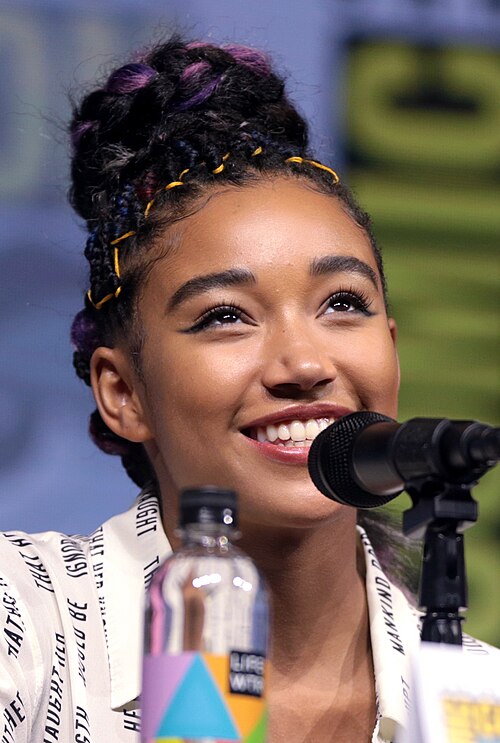
Amandla Stenberg often appears in older conversations about identity in entertainment, but their public self-description later changed in a way that deserves clarity. Earlier media coverage linked Stenberg to a broader discussion about identity, yet by 2018 Stenberg clarified that they were “gay not bi, not pan, but gay.”
That distinction is part of why Stenberg still belongs in discussions like this one: as a reminder that public identity can develop over time and should be reflected accurately. Their acting work in The Hate U Give, Bodies Bodies Bodies, The Hunger Games, and The Acolyte has kept them central to broader conversations about Black queer visibility in Hollywood.
5. Tessa Thompson
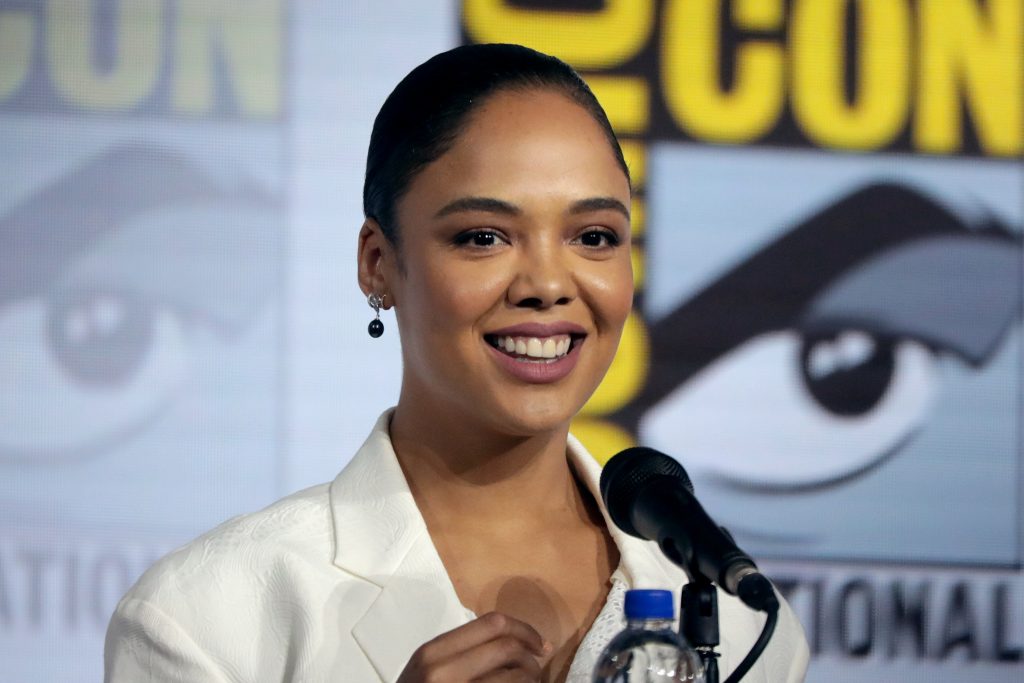
Tessa Thompson has also been widely cited in entertainment coverage about identity and representation. In discussing love and attraction, Thompson said in 2020, “I fall in love with the person and that’s that.” That phrasing gave audiences a concise and memorable explanation of how attraction can be understood on a personal level.
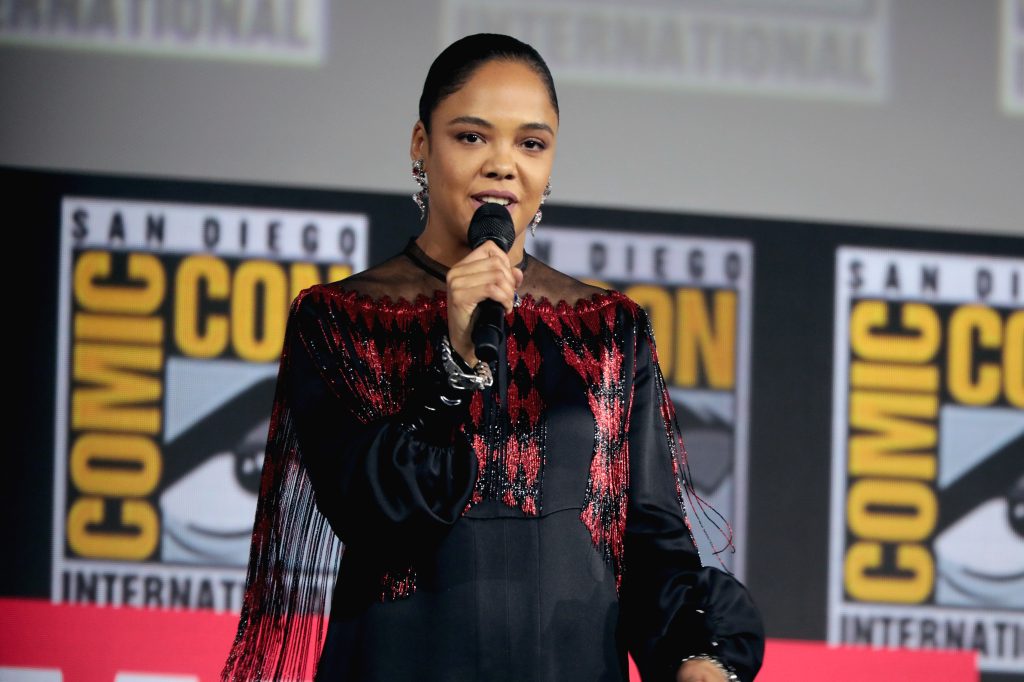
Thompson’s acting career spans franchise work, prestige projects, and genre storytelling, which gives that visibility unusual reach. When performers who move easily between arthouse credibility and major studio releases speak openly about identity, the audience is not limited to one corner of pop culture.
6. Willow Smith
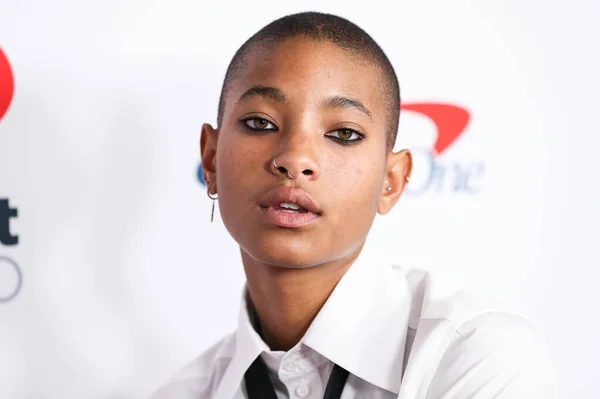
Willow Smith is more often discussed as a musician and creative personality than strictly as an actor, but her public comments still belong in this wider conversation about identity and representation in entertainment. She once described attraction in especially direct terms, saying, “You like beings.”You like what you like.” That plainspoken definition resonated because it stripped away jargon. In celebrity culture, concise language often shapes public understanding more effectively than formal definitions do.
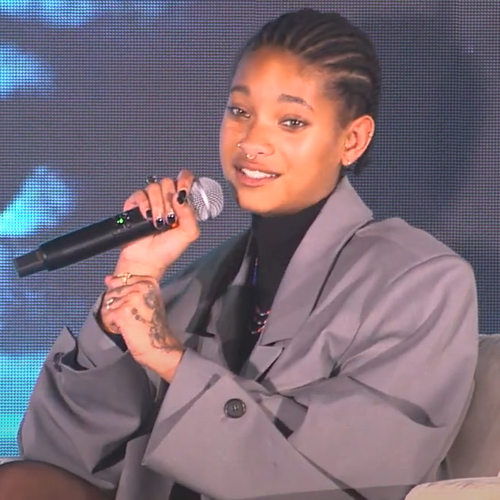
Taken together, these performers show that visibility is not one fixed story. Some have firmly embraced the label, some have described it in their own language, and one notably clarified a different identity later on. What connects them is a larger shift in entertainment: Black artists and actors are making identity conversations more visible, more nuanced, and far less abstract for the audiences following their work.