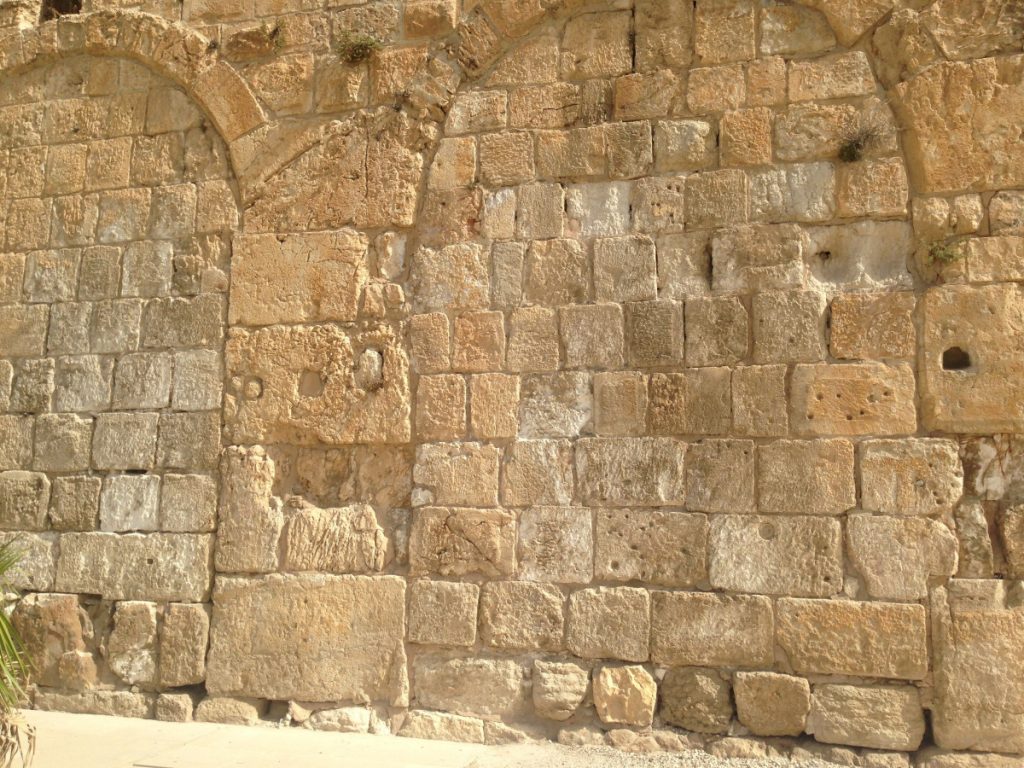
Walls in Jerusalem have long carried more than stone and plaster. They have also preserved traces of devotion: names, symbols, prayers, and marks left behind by travelers who came seeking proximity to sacred memory.
Recent imaging work at a medieval hall in Jerusalem, using advanced photographic technology to decipher inscriptions, has made many of those traces visible again. Read together with the broader history of Christian pilgrimage, these inscriptions show how worship was expressed not only in formal liturgy, but also in movement, presence, and the urge to leave a witness of having arrived.
1. The inscriptions turn pilgrimage into a physical record of worship
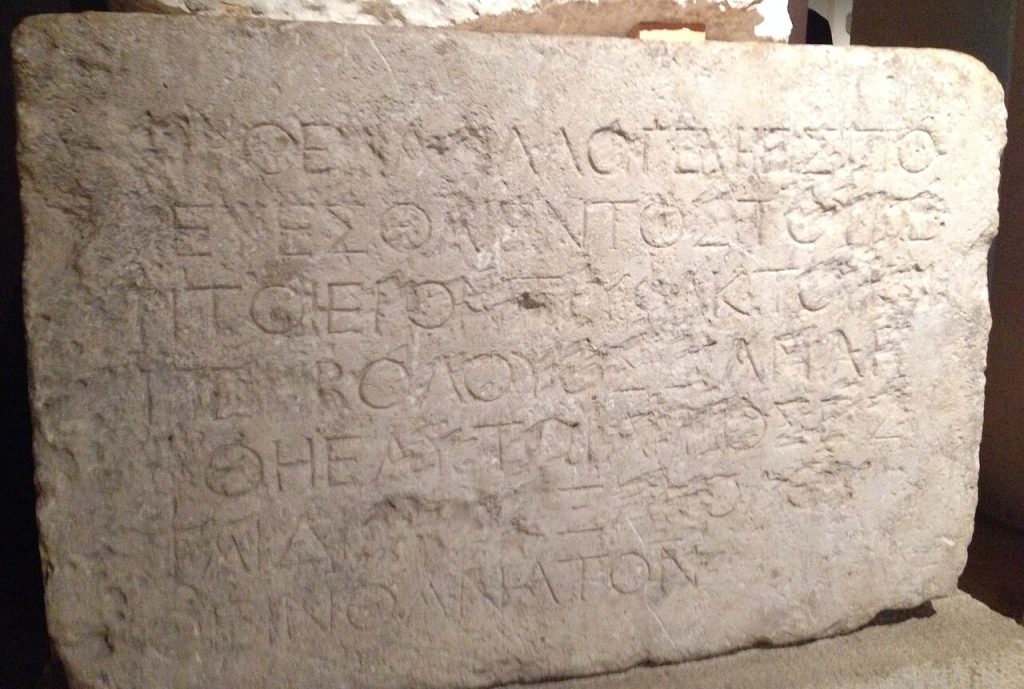
Pilgrimage is often described through texts, legends, and later church traditions, but inscriptions offer something more immediate. A carved line, a name, or a brief message on a wall shows that devotion was practiced with the body as well as the voice. Travelers walked, entered, paused, and marked the space. That matters because Christian pilgrimage developed over time. Historical discussion around the earliest Holy Land journeys has often centered on texts such as the Bordeaux pilgrim and later travelers like Egeria, yet inscriptions add a different kind of evidence. They show worship not as abstract belief, but as an act of presence.
2. Jerusalem’s sacred geography shaped how Christians worshipped
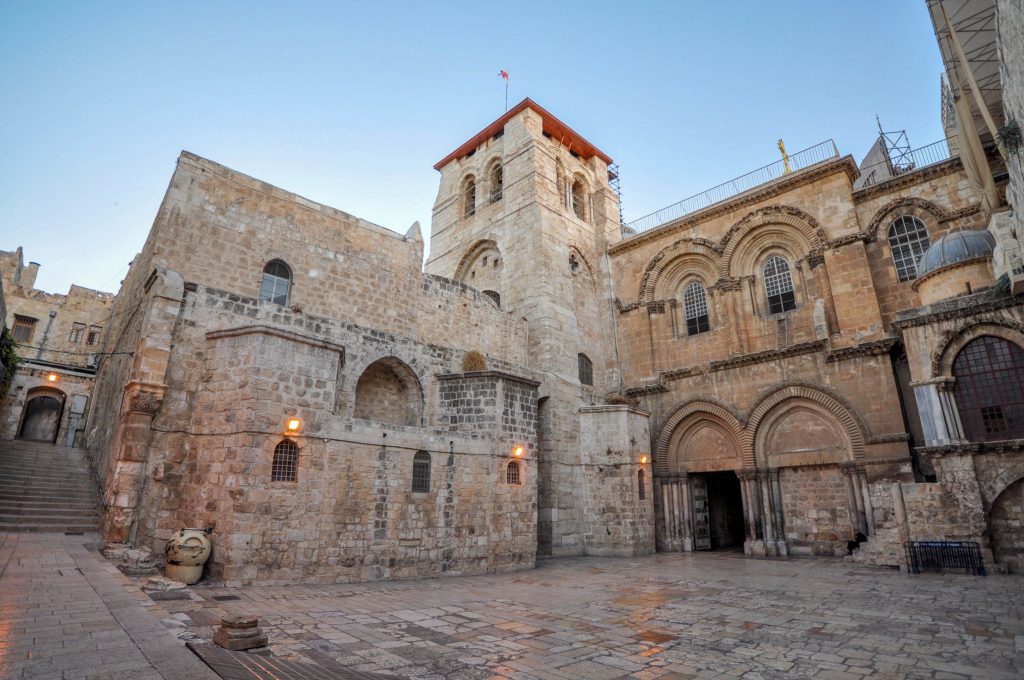
Christian pilgrimage depended on the idea that specific places in and around Jerusalem could be linked to the life of Jesus. By the fourth century, those places had begun to form a recognizable sacred landscape, especially after imperial and ecclesiastical efforts connected local sites to Gospel memory. That transformation changed worship itself. Prayer was no longer only something offered anywhere by the faithful; it could also be attached to sites of passion, burial, resurrection, and ascension. The growth of this sacred map gave pilgrims destinations, and inscriptions became one way of confirming that the journey had reached its spiritual goal.
3. The newly revealed graffiti point to a far more diverse Christian world
The recovered marks were not left by one narrow stream of visitors. Researchers identified evidence of travelers from Armenia, Syria, Serbia, and Germanic-speaking lands, with the strongest single cluster tied to Arabic-speaking Christians from the East. This widens the picture of medieval devotion in Jerusalem. As researcher Ilya Berkovich said, “When put together, the inscriptions provide a unique insight into the geographical origins of the pilgrims.” He added, “This was far more diverse than current Western-dominated research perspective led us to believe.” The result is a less simplified view of Christian worship in Jerusalem, one shaped by many languages, rites, and regional identities.
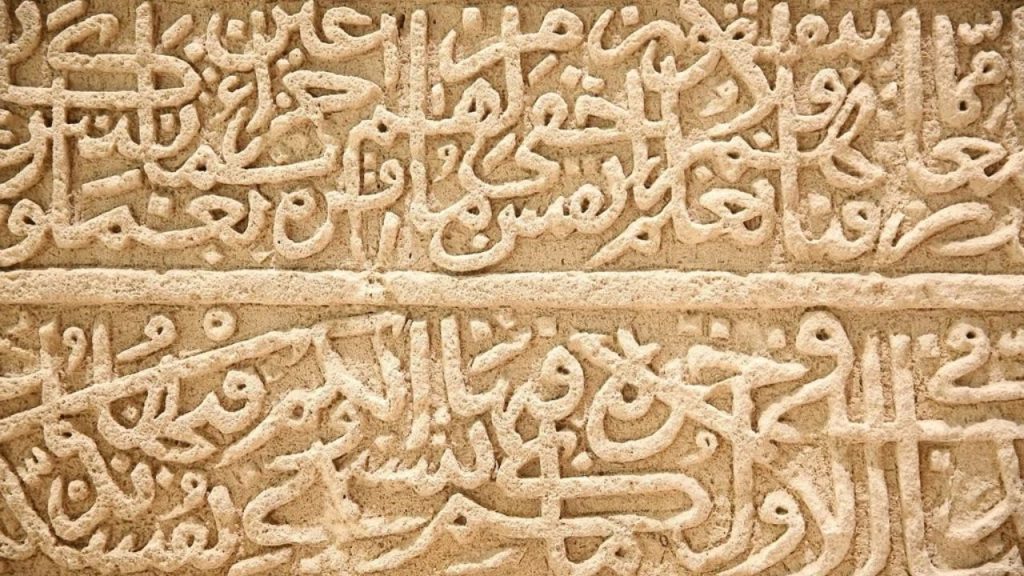
4. A female pilgrim’s inscription preserves a rare devotional presence
Among the most striking finds was an Arabic inscription attributed to a Christian woman from Aleppo. Material traces of pre-modern female pilgrimage are rare, which makes this inscription especially valuable. Its significance goes beyond identity alone. It shows that the devotional life surrounding Jerusalem was not exclusively documented by male clerics, nobles, or famous travel writers. A woman’s inscription on a wall becomes evidence that worship at sacred sites included people whose presence is often much harder to recover from the historical record.
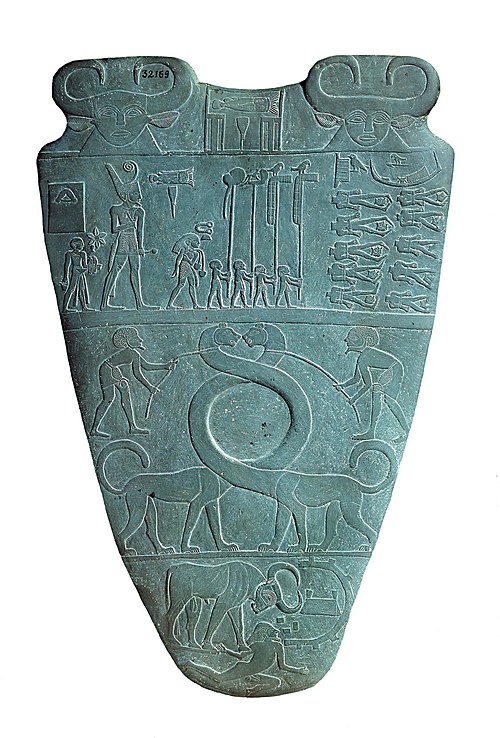
5. Noble heraldry and personal marks reveal different ways of leaving a testimony
The same research also identified the family crest of an Austrian noble connected to a journey to Jerusalem in 1436. Not every pilgrim left behind a prayer in words. Some left symbols of family, origin, or status. That variety suggests that devotional marking had multiple functions. For some, the wall may have served as witness: proof of arrival in a revered place. For others, it may have expressed thanksgiving, remembrance, or affiliation. In each case, the inscription joined personal identity to sacred space.
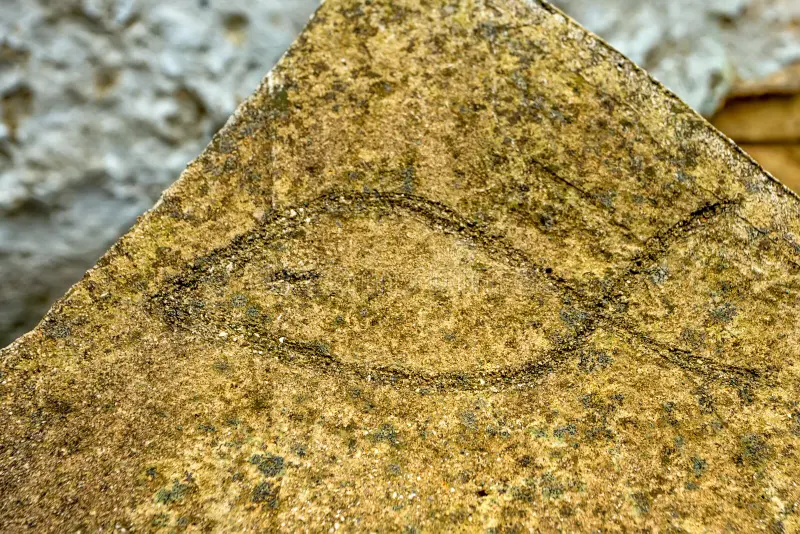
6. Christian symbols helped believers communicate faith quickly and visually
Inscriptions did not stand alone from the wider symbolic language of early Christianity. Across the Christian world, believers used visual signs such as fish, anchors, and shepherd imagery to communicate meaning in compact form. Those symbols carried layers of scriptural association while remaining instantly legible within a community of faith.
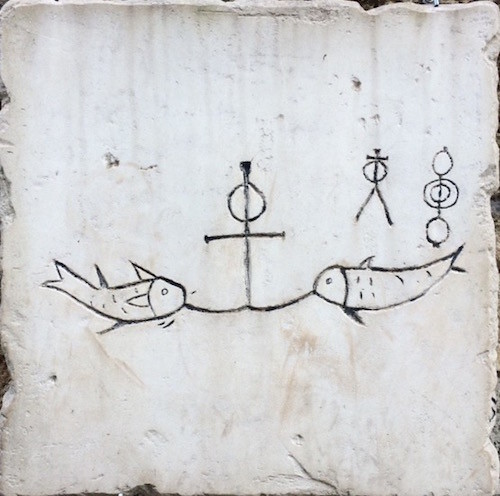
Jerusalem’s scratched walls belong to that same habit of expression. A brief drawing or emblem could work like a compressed confession, especially in places visited by multilingual pilgrims. In a sacred setting, even a small visual sign could function as prayer, identity, and memory at once.
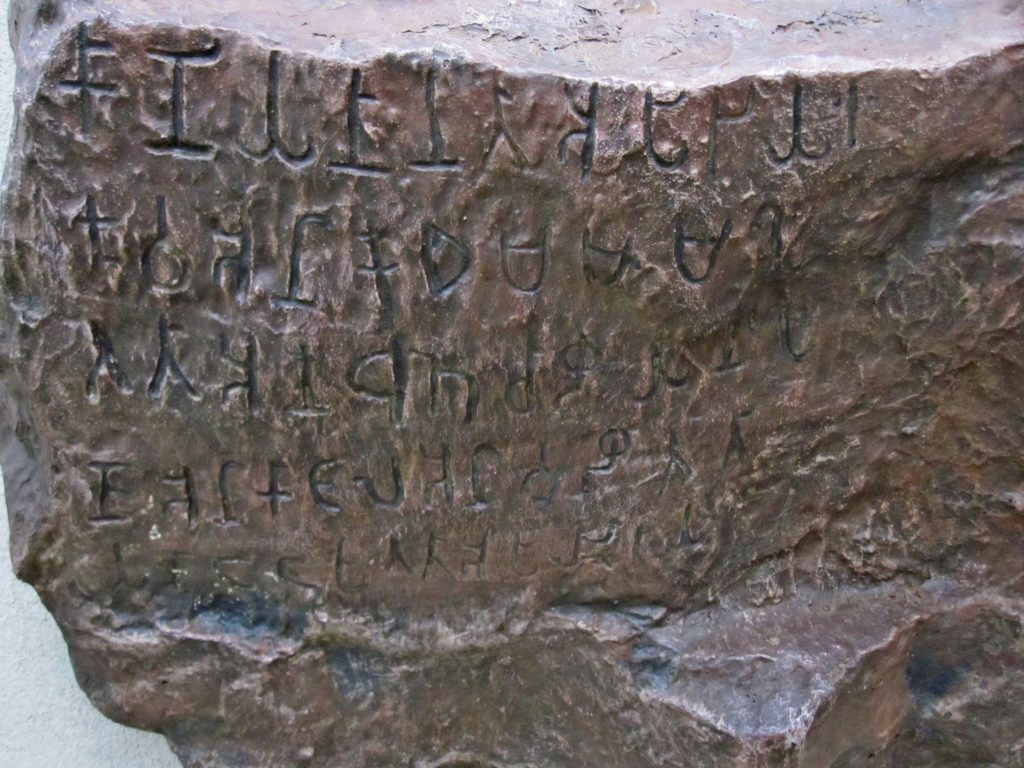
7. Hidden inscriptions show how technology is reshaping the study of devotion
Many of the Jerusalem markings were not newly made discoveries, but newly legible ones. Their recovery depended on imaging methods that revealed writing and drawings no longer visible to the naked eye. This changes how the history of worship can be studied. Rather than relying only on monumental architecture or literary accounts, scholars can now recover quieter traces left by ordinary visitors. The devotional life of a sacred site becomes less about official narratives alone and more about accumulated human contact over centuries.
The hidden inscriptions of Jerusalem do not simply identify who passed through. They show how Christians made worship tangible: by traveling, by touching holy places with words and signs, and by leaving behind evidence that faith had taken physical form. In that sense, these marks are small, but not minor. They preserve a lived history of Christian devotion in which sacred geography, personal memory, and communal worship met on the surface of a wall.