Few ideas have traveled as widely through human culture as the hope, fear, and mystery of returning from death. Christianity gave the subject its most influential resurrection story, but it did not create the concept.
Long before and beyond the New Testament, cultures across the ancient world told stories of gods, heroes, and holy figures crossing the boundary between death and life. In scripture, myth, and later testimony, resurrection appears in more than one form: seasonal return, divine miracle, visionary encounter, and physical restoration.
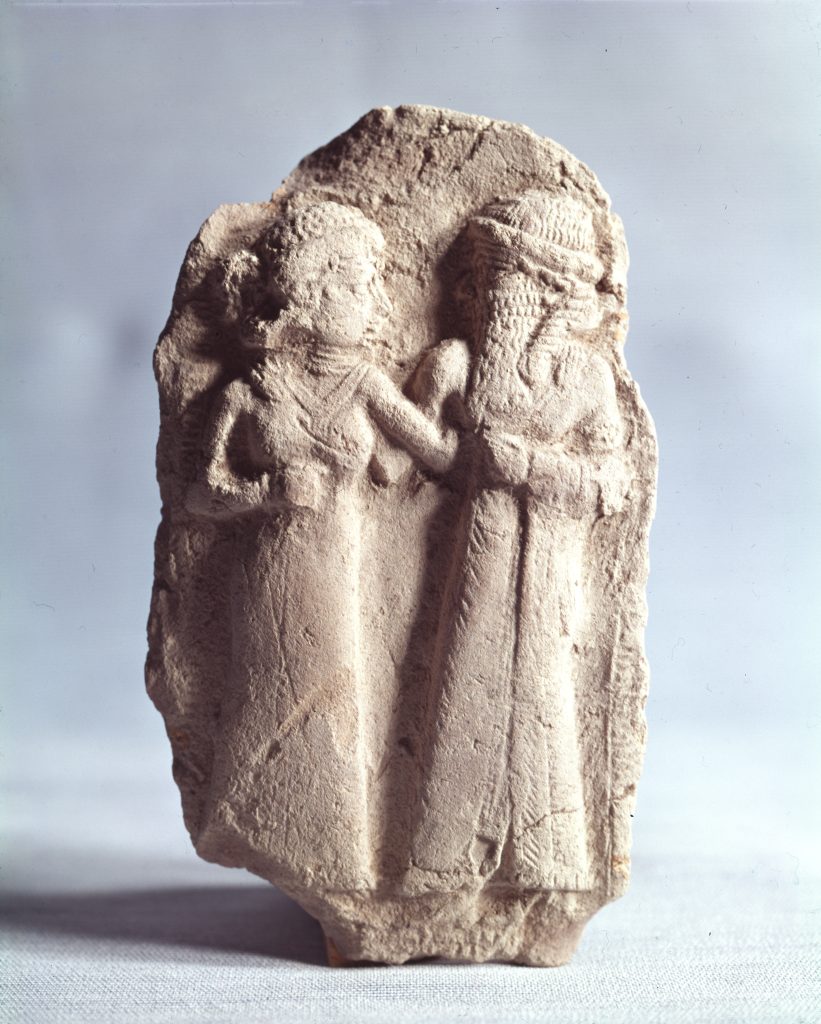
1. Ancient fertility gods returned with the seasons
Some of the oldest resurrection traditions were tied to agriculture rather than individual salvation. In Mesopotamia, Tammuz was linked to the yearly dying and return of plant life, making rebirth part of the natural calendar rather than a one-time miracle. Greek tradition expressed a similar pattern through Persephone, whose time in the underworld and return helped explain the movement from winter into spring. Slavic mythology attached that same cycle to Jarylo, a god associated with fertility and vegetation. In each case, death and return helped communities explain renewal in the world around them.
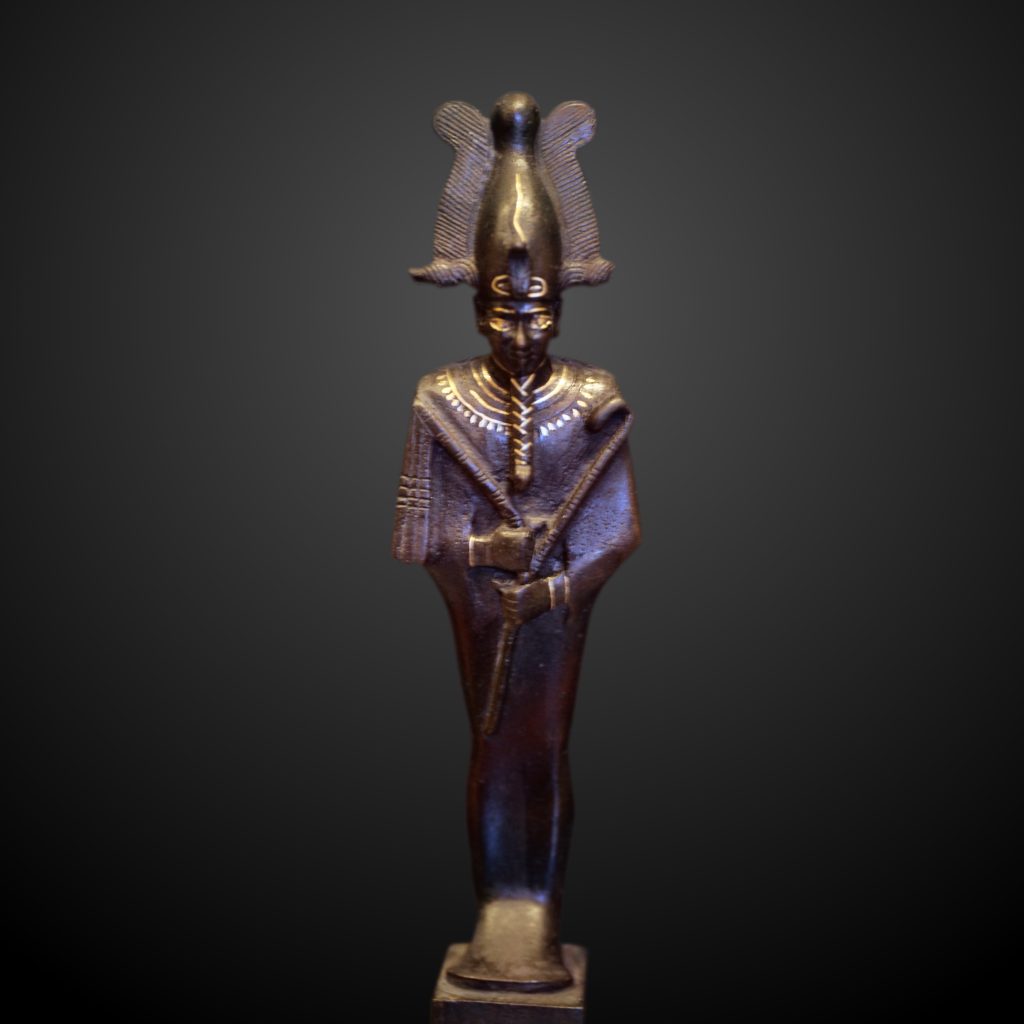
2. Osiris turned resurrection into a model for the afterlife
In ancient Egypt, resurrection was not only a mythic event but also a religious template. Osiris, slain by his brother Set and restored through Isis, became ruler of the underworld after his return. That story shaped Egyptian funeral culture in lasting ways. Practices such as embalming and mummification reflected the desire to imitate Osiris and participate in a form of enduring life beyond death. Resurrection here was both cosmic drama and ritual hope.
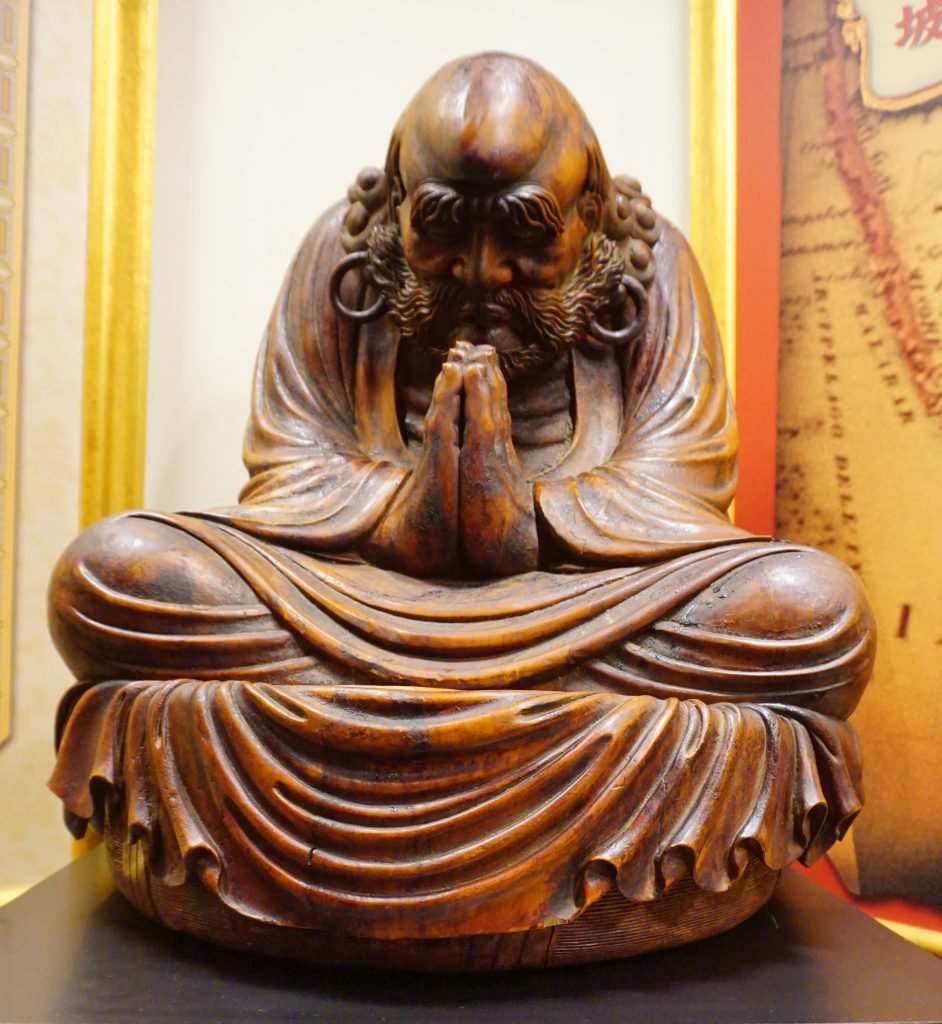
3. Some traditions treated return from death as a test, not a triumph
Not every revival story was framed as a clean victory. In Hindu tradition, Savitri wins back Satyavan through persistence and intelligence after his death, turning resurrection into a moral and relational drama rather than a display of brute power. Buddhist lore about Bodhidharma moves in another direction. The story of the monk being encountered after death, with only one shoe left in his tomb, centers less on spectacle than on spiritual mystery. It presents return not as public proof, but as a sign of an extraordinary holy figure whose life could not be neatly contained by burial.
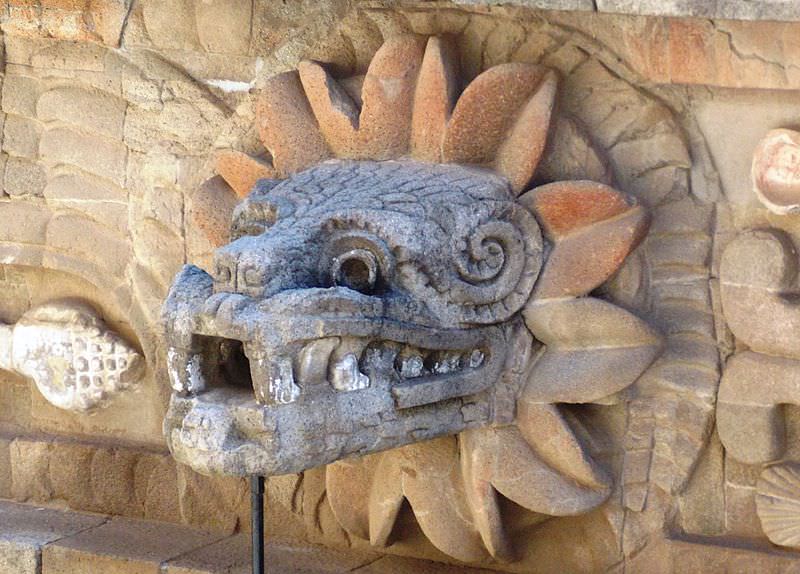
4. Norse and Mesoamerican stories imagined rebirth through transformation
In Norse mythology, Odin’s ordeal on the world tree gave resurrection a harsher shape. He sacrificed himself, hung wounded for nine nights, and emerged with the knowledge of the runes. The return mattered because it brought power, wisdom, and altered status. Mesoamerican traditions surrounding Quetzalcóatl also include death-and-return motifs, though they vary by culture. Across these stories, resurrection often marks transformation. The figure who comes back is not merely restored, but changed.

5. The phoenix made rebirth larger than any single religion
The phoenix may be the most portable resurrection image of all. Versions of the bird’s story appeared in ancient Egyptian, Greek, and Persian traditions, each emphasizing destruction followed by renewal. Its endurance comes from simplicity. The old life burns away, and new life rises from what looked final. Unlike many sacred narratives, the phoenix could move easily between religion, folklore, literature, and later popular imagination.
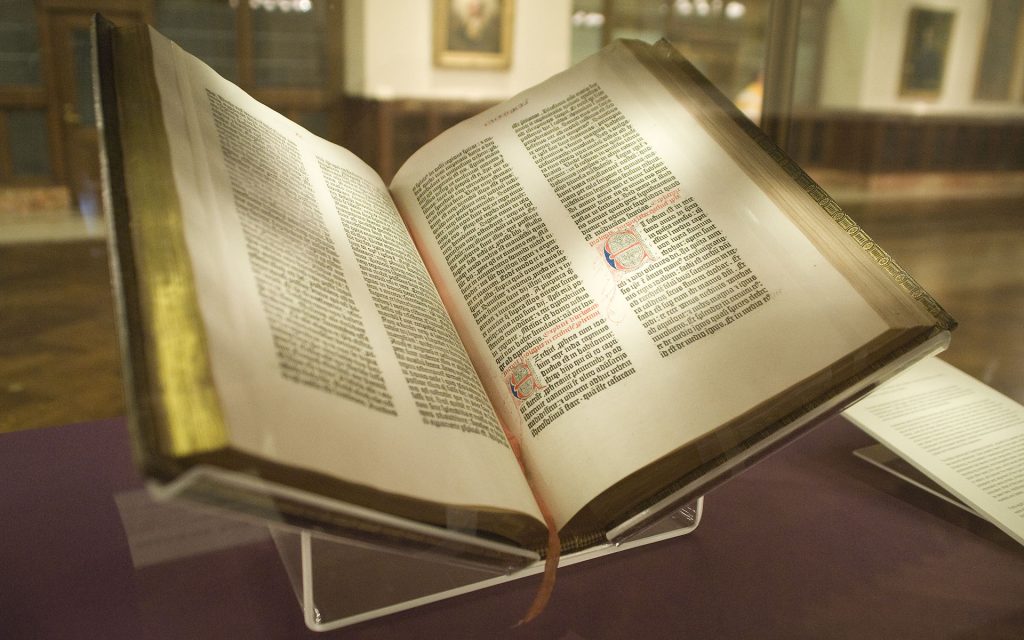
6. The Hebrew Bible includes several revivals before the New Testament
The Bible’s resurrection stories do not begin with Easter. In the Hebrew Bible, Elijah raises the widow of Zarephath’s son in 1 Kings 17, and Elisha restores the Shunammite woman’s son in 2 Kings 4. Another account in 2 Kings 13 describes a dead man reviving after touching Elisha’s bones. These stories are significant because they establish a pattern: life returning through divine action, often in moments of grief, helplessness, and public astonishment. They also show that biblical resurrection traditions were already well established before the New Testament era.
7. The New Testament records multiple people raised besides Jesus
Jesus is central to Christian belief, but the New Testament also describes other returns from death. The widow’s son at Nain, Jairus’s daughter, and Lazarus all appear in Gospel accounts. In Acts, Peter raises Tabitha, and Paul revives Eutychus after a fatal fall from a window. One detail often noted by Christian commentators is that these restorations differ from the resurrection of Jesus in theological meaning. According to New Testament summaries of these accounts, the others are restored to mortal life, while Jesus’ resurrection is presented as permanent. That distinction became foundational to Christian doctrine.
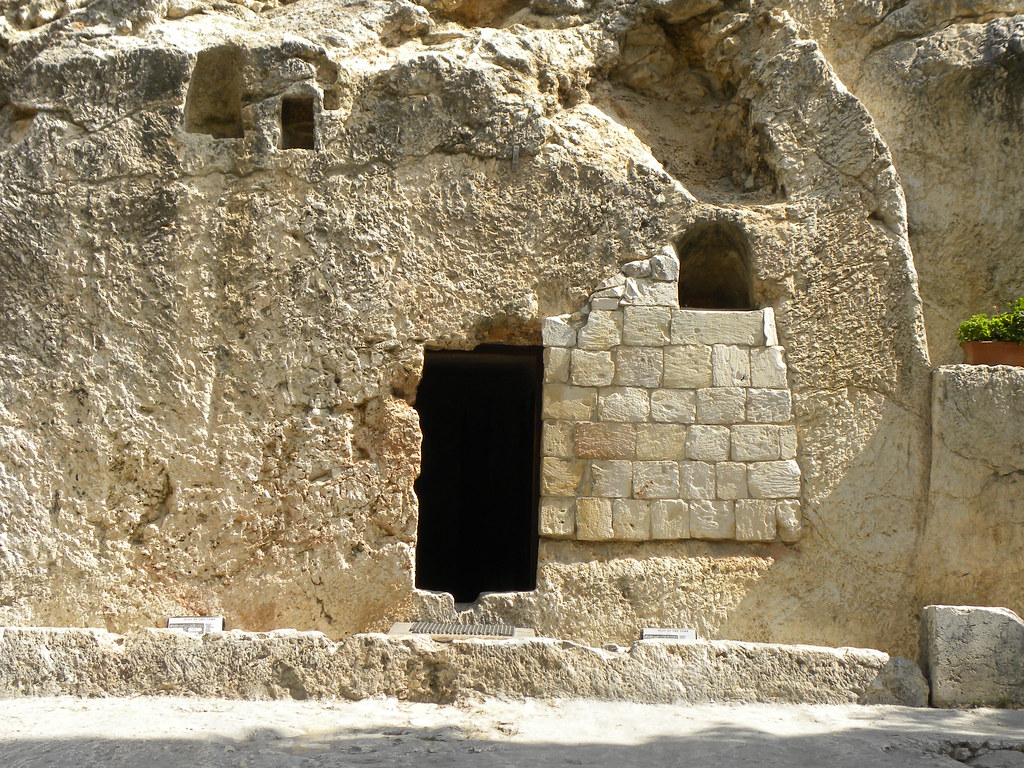
8. Matthew’s “saints in Jerusalem” remains one of the Bible’s most debated passages
Among biblical resurrection stories, few are discussed more than Matthew 27:52–53, which says that after Jesus’ resurrection, “many bodies of the saints who had fallen asleep were raised” and appeared in the holy city.The passage has drawn centuries of interpretation because it is so brief and unusual. Early Christian writers such as Ignatius, Irenaeus, and Clement of Alexandria referred to it, showing that the passage was known very early. Modern discussion continues over how the text should be understood, with debate centering on Matthew 27:52–53 rather than any settled historical consensus.

9. Some returns from death are curses in folklore, not miracles
Resurrection is not always welcome in cultural storytelling. Folklore across regions includes vampires, zombies, revenants, and ghouls figures whose return signals disorder rather than redemption. That darker tradition matters because it reveals the other side of the same human concern. Returning from death can symbolize hope, but it can also symbolize contamination, unfinished business, or fear of the grave refusing to stay closed.

10. Modern medicine created a new category: near-death return
Modern resuscitation introduced a different kind of “coming back.” In medical settings, people whose hearts stopped have sometimes been revived and later reported vivid memories, peace, darkness, light, or out-of-body awareness. Research into near-death experience reports has grown as resuscitation science improved. One recent line of study found that some revived cardiac arrest patients described conscious experiences during resuscitation, while the so-called Lazarus phenomenon became a term for delayed return of circulation after failed revival attempts.
These cases do not function like myth or scripture, but they show that the language of death and return still shapes modern imagination. The idea of rising after death has never belonged to one story alone. It appears in crop cycles, royal myths, sacred texts, folk fears, and hospital testimony. That breadth helps explain why resurrection remains such a durable human theme. Whether presented as doctrine, symbol, miracle, or mystery, it continues to express the same ancient refusal to see death as the final word.