Hollywood careers often look permanent from the outside. For many Black actors, though, visibility faded for very different reasons: some chose privacy, some shifted to teaching or ministry, and some simply found more purpose away from the screen. The result is a group of performers whose absence still stands out to fans. These careers did not all end the same way, and that contrast remains part of what makes their stories memorable.
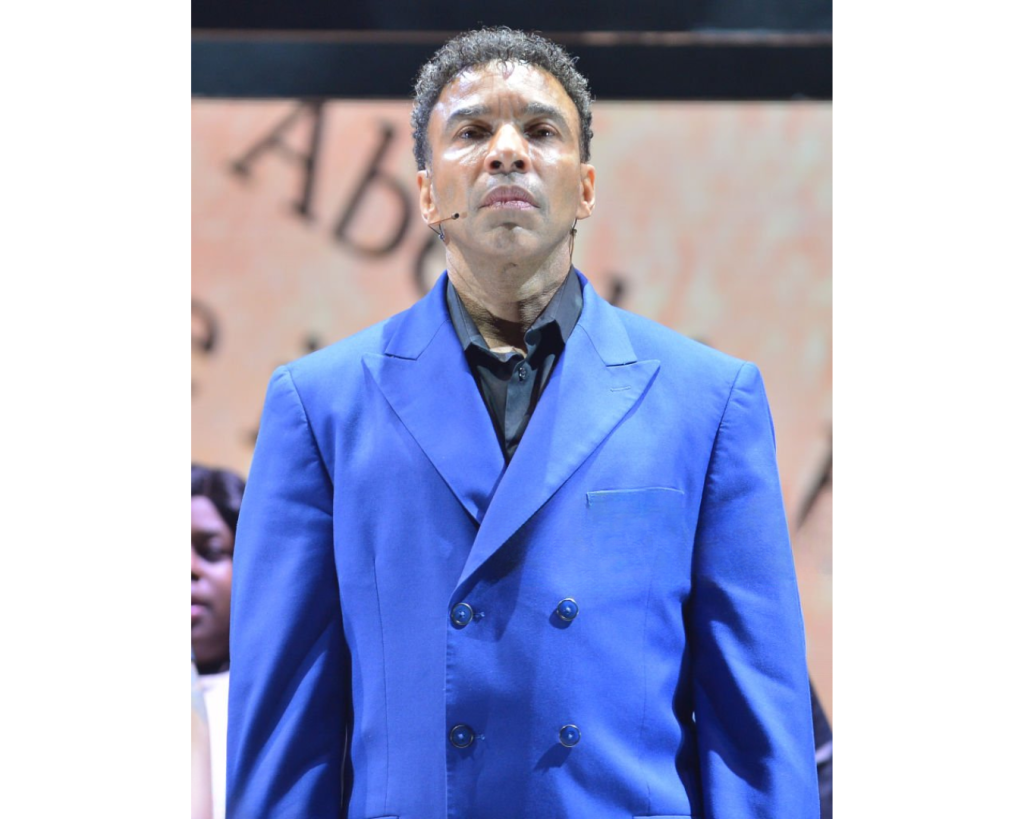
1. Allen Payne quietly became one of TV’s biggest mysteries
Allen Payne built a strong following through films like New Jack City and years of visibility on Tyler Perry’s House of Payne. That steady presence made his retreat from the spotlight feel especially abrupt. Unlike actors who publicly announced a new direction, Payne largely stopped appearing in major projects and kept his personal life out of circulation. That silence is part of why his name still surfaces so often in fan conversations. His career never lacked recognizable roles, but his later absence created an unusual gap between past fame and present visibility.
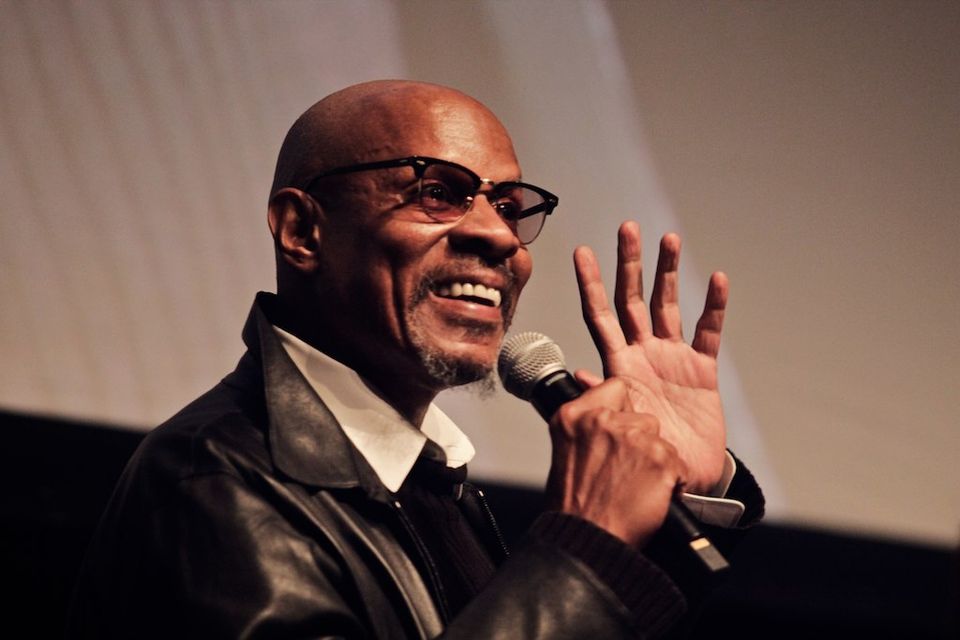
2. Avery Brooks traded Hollywood for the classroom and the stage
Avery Brooks remains inseparable from Captain Benjamin Sisko on Star Trek: Deep Space Nine, a role that gave him a lasting place in television history. After that era, his path moved away from film and TV work and toward teaching, theater, and academic life. He later served as a professor at Rutgers University, a shift that reflected a deeper commitment to performance as craft rather than celebrity. His reduced screen presence gave him a reclusive reputation, but his legacy never depended on constant output. For many viewers, Brooks represents a performer who left mainstream Hollywood without losing cultural stature.

3. Haywood Nelson moved from sitcom fame into tech and production
As Dwayne on What’s Happening!!, Haywood Nelson became one of the most familiar young faces on television. Instead of trying to stretch that fame indefinitely, he moved toward behind-the-scenes work and technology. Reference coverage describes his later career as focused on digital media and production, far from the attention that defined his sitcom years. That transition helps explain why his acting career seemed to disappear even though he did not disappear from work entirely. He simply redirected it.
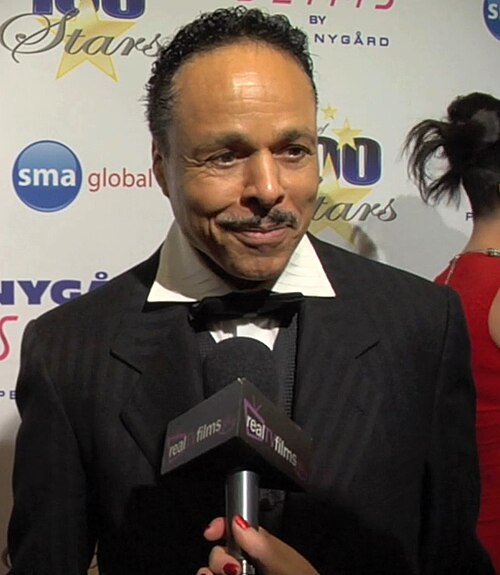
4. Leon Isaac Kennedy left acting for ministry
Leon Isaac Kennedy was once a visible leading man, especially through the Penitentiary films and other 1970s and 1980s projects. At a time when many actors would have chased more screen roles, he chose a different identity altogether. His later years centered on religious work and ministry rather than entertainment. That kind of exit tends to feel sudden because it is not just a career slowdown. It is a full shift in purpose, one that places public recognition behind spiritual commitment.
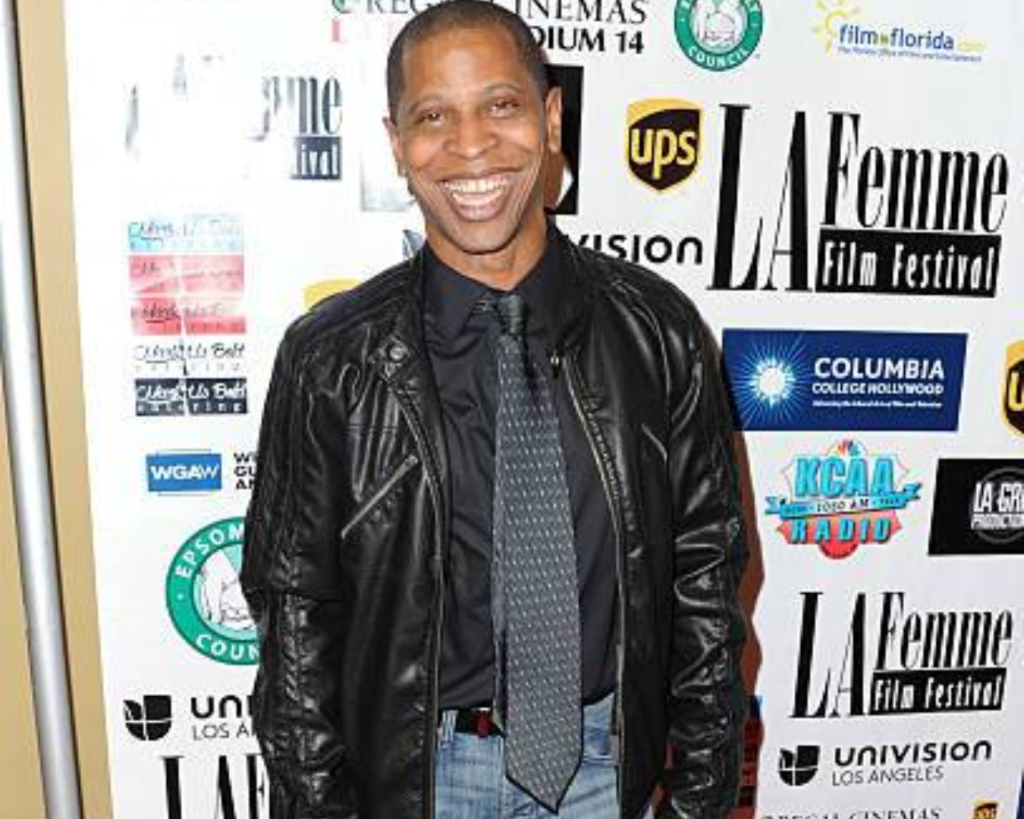
5. Larry B. Scott built a second act by helping other actors
Larry B. Scott is still instantly recognized for Lamar in Revenge of the Nerds, but his career did not stay centered on appearing in front of the camera. Over time, he focused on coaching and mentoring performers, eventually becoming known for running an acting studio for rising talent. That move changed the nature of his visibility without ending his connection to the industry. For audiences, though, the effect was similar to retirement. A familiar face from major films was no longer showing up on screen, even while shaping careers behind it.
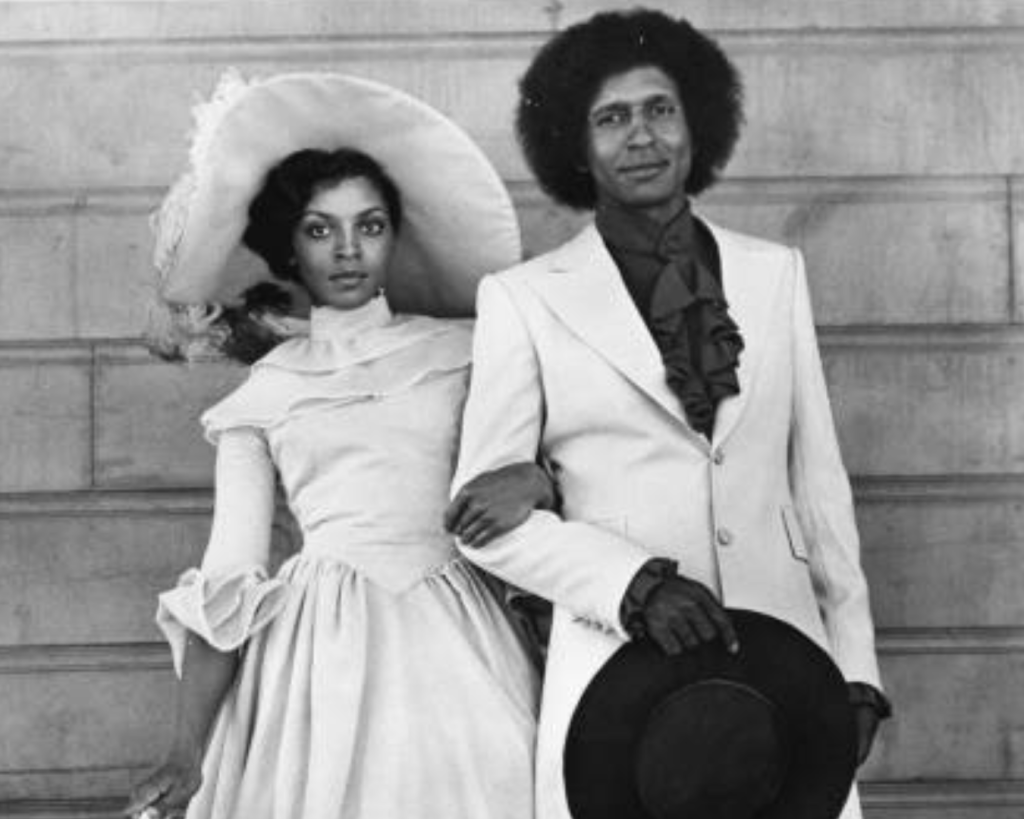
6. Max Julien stepped back after becoming a 1970s icon
Max Julien’s name remains linked to The Mack, a film that gave him enduring status in Black cinema. He also wrote Cleopatra Jones, showing that his influence extended beyond acting. Yet after reaching that level of recognition, he became increasingly distant from Hollywood and spent much of his later life focused on art and personal work. His retreat added to the mystique around his career. He was not overexposed, rarely overexplained himself, and left behind a film legacy that stayed larger than his public profile.
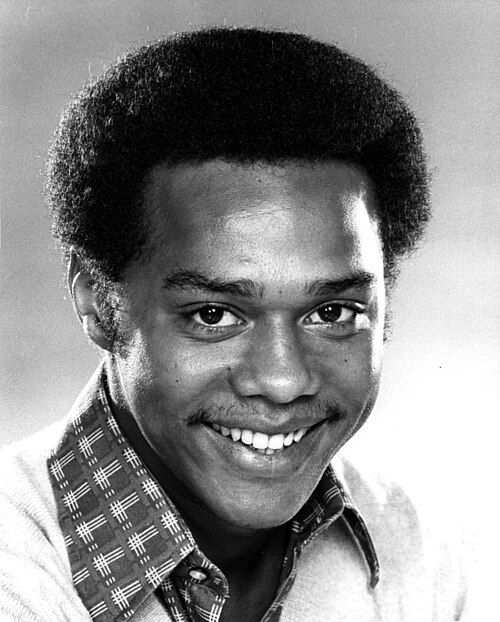
7. Michael Evans left one classic role to focus on creating shows
Michael Evans is remembered by many viewers as Lionel Jefferson on All in the Family and The Jeffersons. What makes his story stand out is that acting was only part of his impact. He also helped create Good Times, which made his move away from acting less like disappearance and more like a shift toward authorship. In his case, stepping back from the camera did not mean stepping away from television entirely. It meant choosing influence behind the scenes over familiarity in front of the audience.
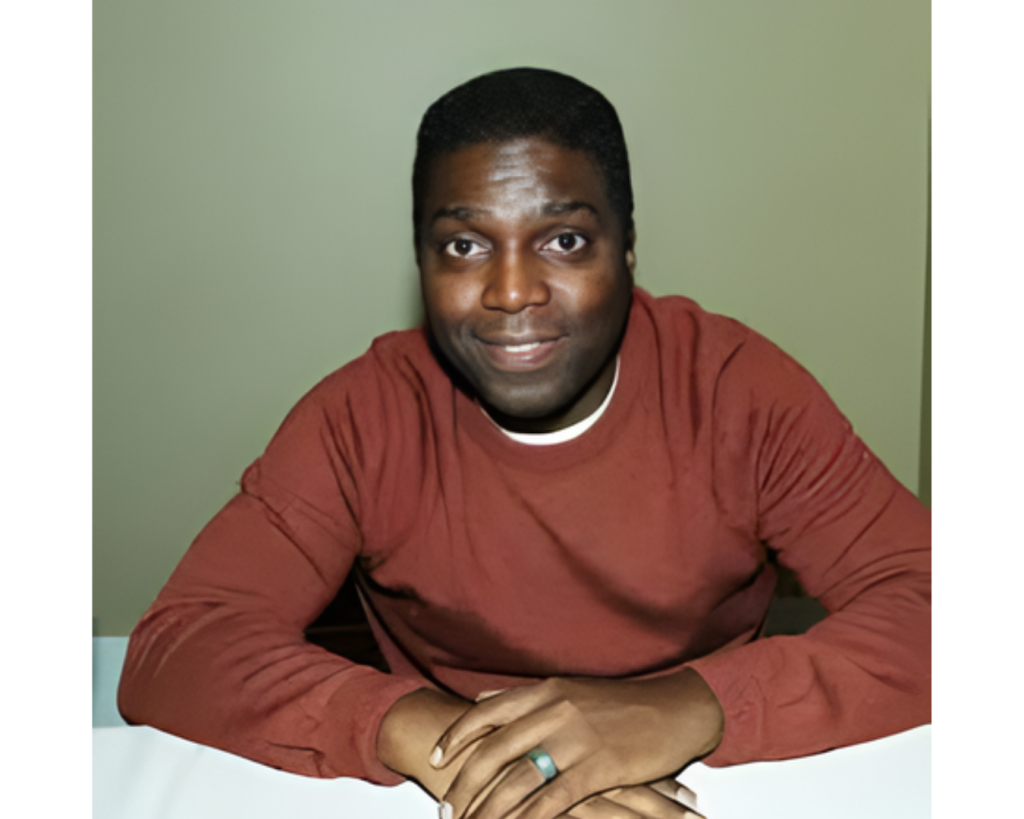
8. Shavar Ross turned child-star recognition into ministry and business
Shavar Ross never lost his connection with viewers who knew him as Dudley on Diff’rent Strokes. But his life moved in a markedly different direction as he got older. Later profiles describe him as founding The Alive Church in Los Angeles while also pursuing entrepreneurship. That combination helps explain why he stopped chasing major acting work. His public identity expanded beyond television, and Hollywood no longer appeared to be the center of it.
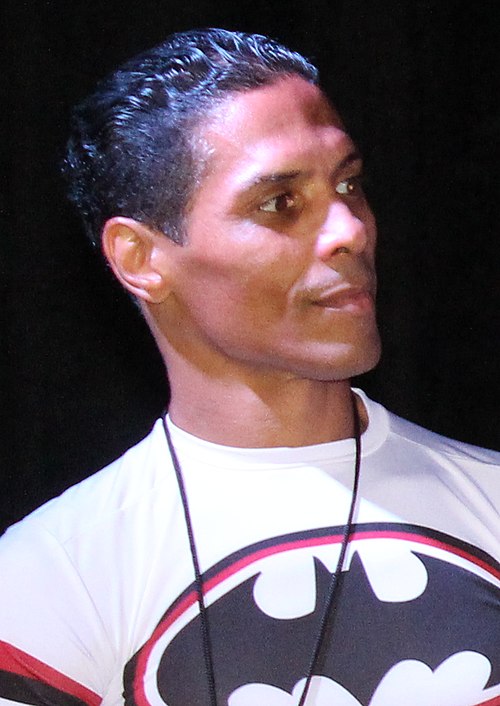
9. Taimak turned cult-film fame into wellness work
Taimak became a breakout name through The Last Dragon, and the movie’s afterlife kept him popular long after its original release. But he did not follow that success with a conventional Hollywood path. Instead, he leaned into martial arts, fitness, choreography, and the broader wellness space, with later coverage noting work as an instructor and trainer. That made his absence from mainstream film feel less like failure and more like specialization. Fans still knew him. They just had to look outside studio casting lists to find him.
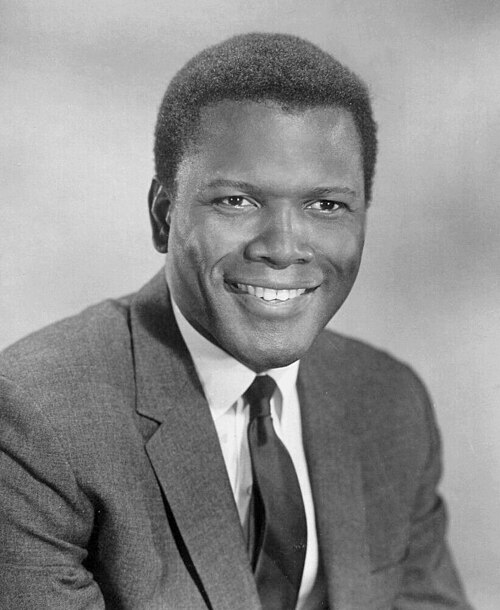
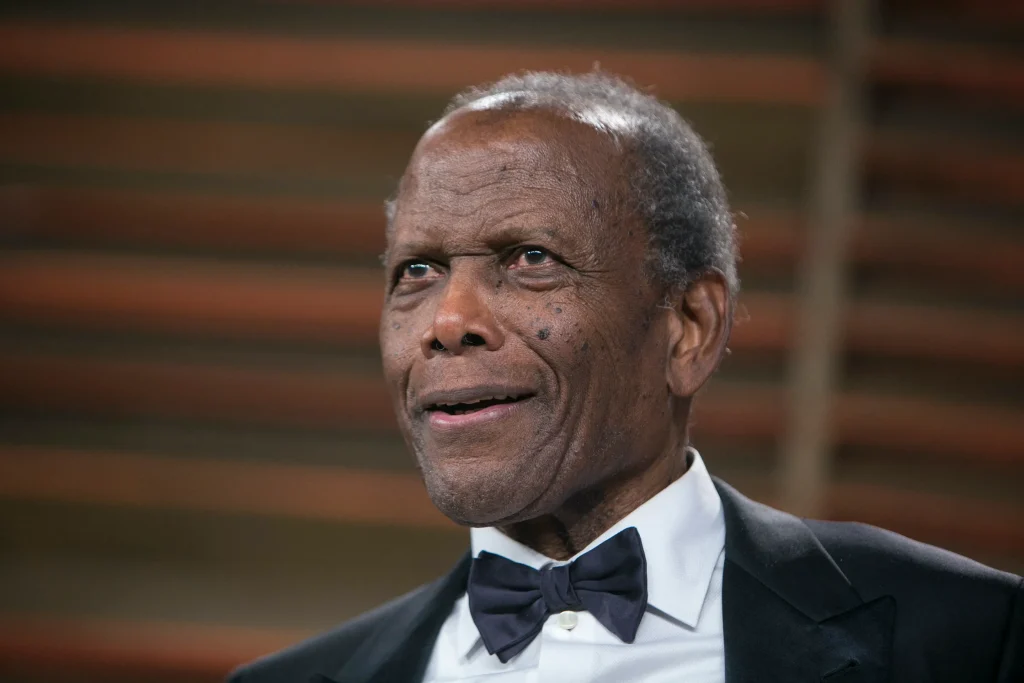
10. Sidney Poitier chose a final chapter beyond acting
Sidney Poitier did not vanish in the same way as others on this list, but his withdrawal from acting still marked a clear ending to one of cinema’s most important careers. After becoming the first Black man to win the Academy Award for Best Actor, he later shifted into directing, writing, diplomacy, and public service. His later life was defined less by new performances and more by stature. That distinction matters. Poitier’s reduced screen presence was not a fading away so much as a deliberate transition into elder statesman status, one that allowed his body of work to stand on its own.
What links these actors is not a single reason for leaving. Some found privacy, some found service, and some found new professions that gave them more control than Hollywood ever did. Their exits also underline a larger truth: disappearing from the screen does not mean disappearing altogether. In many cases, it meant choosing a different life after fame had already done its work.