
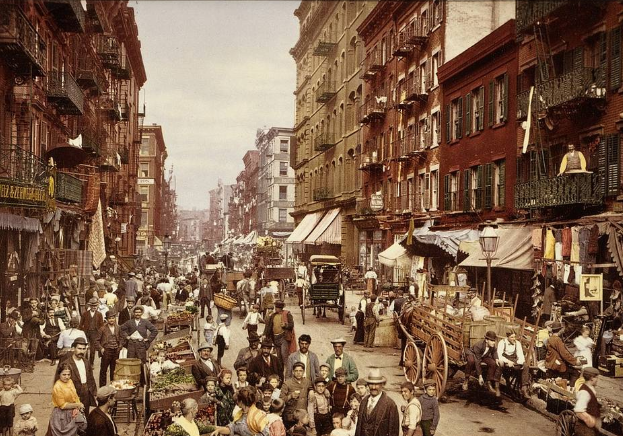
The 1950s still carry a polished image: broad cars, smoky diners, loose neighborhood rules, and children moving through the day with little supervision. Yet many routine behaviors from that era now sit on the wrong side of safety law, public health rules, and civil rights enforcement.
The shift did not happen because modern life became allergic to risk. It happened because injury patterns became measurable, pollution proved lasting, and conduct once dismissed as private or harmless was redefined as danger, abuse, or discrimination.

1. Letting children ride unrestrained in a moving car
In many midcentury family cars, children stood on the floor, leaned over front seats, or stretched across the rear shelf under the back window. Seat belts were not standard in most vehicles until 1968 federal seat belt requirements, and early child seats often focused on containment rather than crash protection. Today, transporting a child without the required restraint can lead to citations, enhanced penalties, and in severe cases child endangerment allegations. Modern enforcement rests on decades of crash data, not changing taste. The same long road trip that once looked carefree now reads as preventable injury exposure.

2. Treating drunk driving as a social mistake instead of a crime
For much of the 1950s, an impaired driver could be seen as embarrassing rather than plainly dangerous. That attitude collapsed as crash science, victim advocacy, and uniform blood alcohol rules reshaped traffic law. The national 0.08% BAC standard became law in 2000, and tougher enforcement helped drive a nearly 44% drop in impaired-driving fatalities between 1982 and 2022, according to NHTSA data cited here. What once might have ended with a warning now commonly means arrest, license consequences, court costs, and a lasting record.

3. Putting children in the open bed of a pickup
Pickup beds once doubled as summer seating for ball teams, cousins, and neighborhood friends. Today, many states restrict or prohibit minors from riding there, especially on public roads. The legal details vary, but the safety logic is consistent: sudden stops, side impacts, and ejections turn an ordinary ride into a severe trauma event. What used to be defended with “hold on tight” is now treated as improper transportation at minimum, and negligence at worst.

4. Dumping oil, paint, and chemicals behind the garage
Midcentury household cleanup often meant pouring used motor oil into a ditch, burying paint cans, or throwing solvents into empty lots. Later environmental law replaced that casual disposal culture with hazardous waste rules because contamination does not stay put. Soil absorbs it. Groundwater carries it. Neighborhoods can live with the result for decades. Since the EPA was created in 1970, illegal dumping has been tied to fines, cleanup liability, and in some cases criminal penalties. A private shortcut became a public contamination problem.

5. Enforcing segregation in everyday public life
Refusing service, demanding separated seating, or using local power to maintain racial separation was once built into ordinary commerce across much of the country. Today, that conduct can trigger civil penalties, lawsuits, and regulatory action because equal access is not optional. The decisive legal break came with the Civil Rights Act of 1964, which barred discrimination based on race, color, religion, or national origin in key areas of public life. What had been called custom is now recognized as unlawful discrimination.
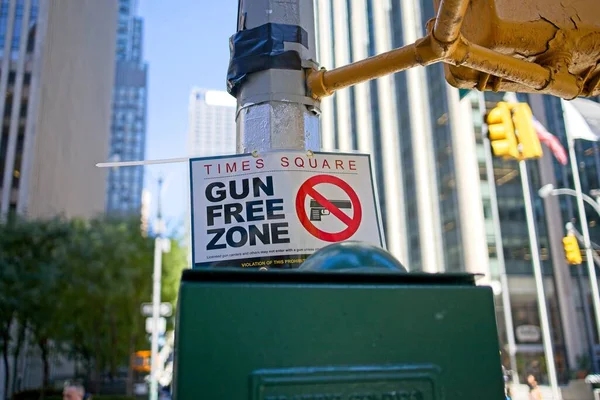
6. Bringing guns onto school property without alarm
In some rural communities, students once left rifles in vehicles or carried hunting guns onto school grounds with little reaction. That world is gone. Modern school safety laws and zero-tolerance policies treat weapons on campus as a major offense, often a felony. The cultural change is obvious, but the legal change matters more: school property is now a highly regulated space where intent does not erase possession.
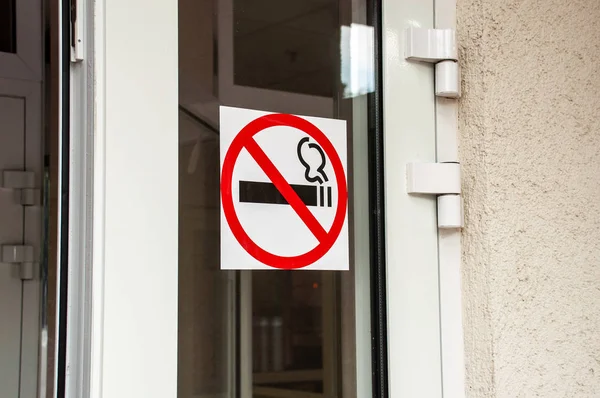
7. Smoking almost anywhere indoors
Few habits reveal the distance between eras more clearly. Cigarettes once burned in waiting rooms, restaurants, offices, and airplanes, with smoke treated as background atmosphere rather than secondhand exposure. That norm steadily disappeared under local and state clean-air rules, federal flight bans, and smoke-free housing policies. By 2021, 82.1% of the U.S. population lived under some ban covering workplaces, restaurants, or bars. Lighting up where smoking is prohibited can now bring fines for individuals and penalties for businesses. A routine social act became a regulated public health issue.

8. Setting off fireworks in crowded neighborhoods
Backyard fireworks were once treated as a patriotic nuisance, even when bottle rockets flew near roofs and trees. Current fire codes, local ordinances, and age restrictions treat unsanctioned use far more seriously, especially in dense neighborhoods or dry conditions. The risk is not only burns. It is structure fires, property damage, and injuries to bystanders who never agreed to take part. A porch-side tradition can now end with confiscation, citations, or criminal charges.

9. Leaving bruises under the label of discipline
Visible injury to a child was often hidden inside the language of discipline in the 1950s, and outsiders were far less likely to intervene. That changed as child protection systems expanded and mandatory reporting became embedded in schools, medicine, and social services. Under CAPTA in 1974, reporting systems gained stronger federal backing, and visible welts or bruises now routinely trigger investigation. Conduct once shielded as a family matter can now bring abuse charges.

10. Dismissing cruelty to animals as mischief
Tormenting strays, injuring pets, or treating animal suffering as entertainment was often brushed aside as childish behavior. The law moved in the opposite direction. The Animal Welfare Act of 1966 and later state statutes helped establish cruelty as a serious offense, and many jurisdictions now treat severe abuse as a felony. Modern law no longer treats animals as disposable property in the way earlier communities often did.
What separates the 1950s from the present is not nostalgia versus scolding. It is evidence. Crash research, civil rights law, environmental science, and child-protection standards all changed what society could still excuse. Seen together, these habits show how law does more than punish. It records the moment a culture finally decides that ordinary harm is no longer ordinary.


