
Celebrity breakups already arrive with enough costume changes, grainy photos, and unsolicited certainty. For women in same-gender relationships, the split often brings a second spectacle a rush to decide whether the relationship was ever “real” in the first place.
The pattern is older than social media and sharper than gossip. The term queerbaiting was originally used to describe a media tactic in entertainment media, not a verdict on real people, and its meaning has widened far beyond fiction. In celebrity culture, that expansion has collided with tabloids’ long-running discomfort with relationships that do not fit a conventional romantic script.
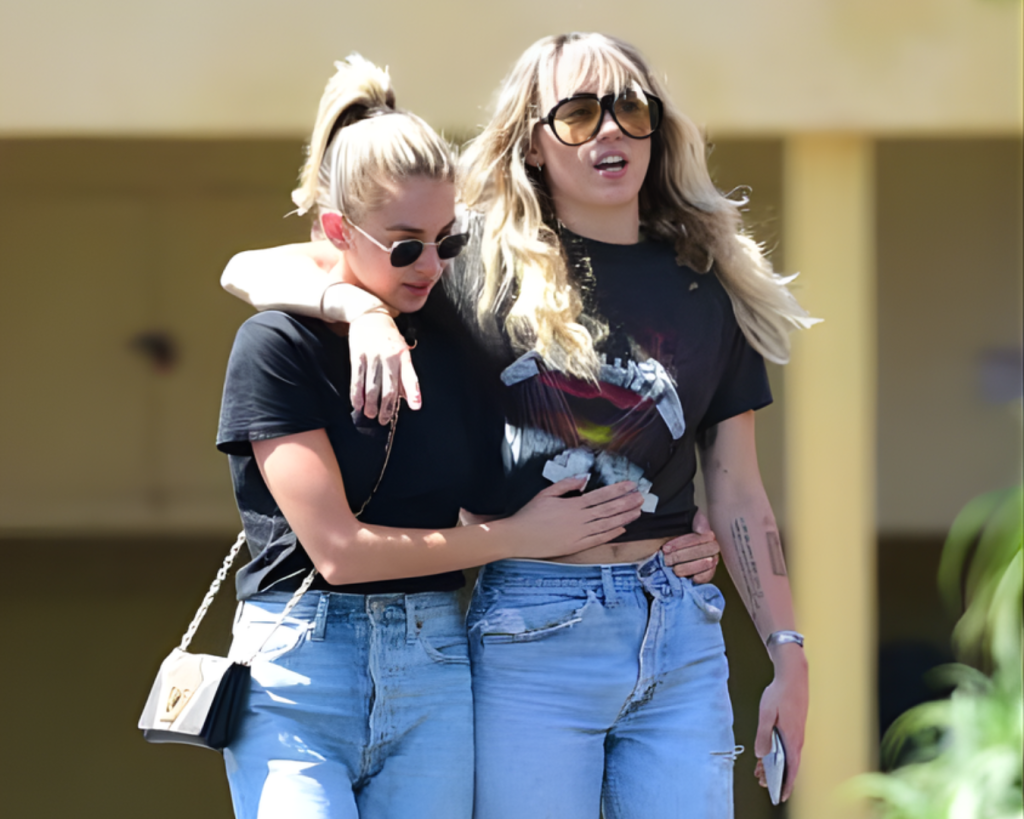
1. Miley Cyrus and Kaitlynn Carter
When Miley Cyrus and Kaitlynn Carter were photographed together after their respective splits, the romance was treated less like a relationship and more like a thesis topic. Once it ended, the commentary hardened into a familiar claim: that the connection had been a rebound, a media event, or a passing experiment. The speed of the coverage mattered. So did the assumption behind it, which was that a brief relationship between women needed extra proof of seriousness to be believed. Carter later pushed back on that flattening, describing the relationship as emotionally meaningful rather than a stunt. The breakup did not just end a romance; it opened the floodgates for strangers to debate identity, motive, and timing all at once.
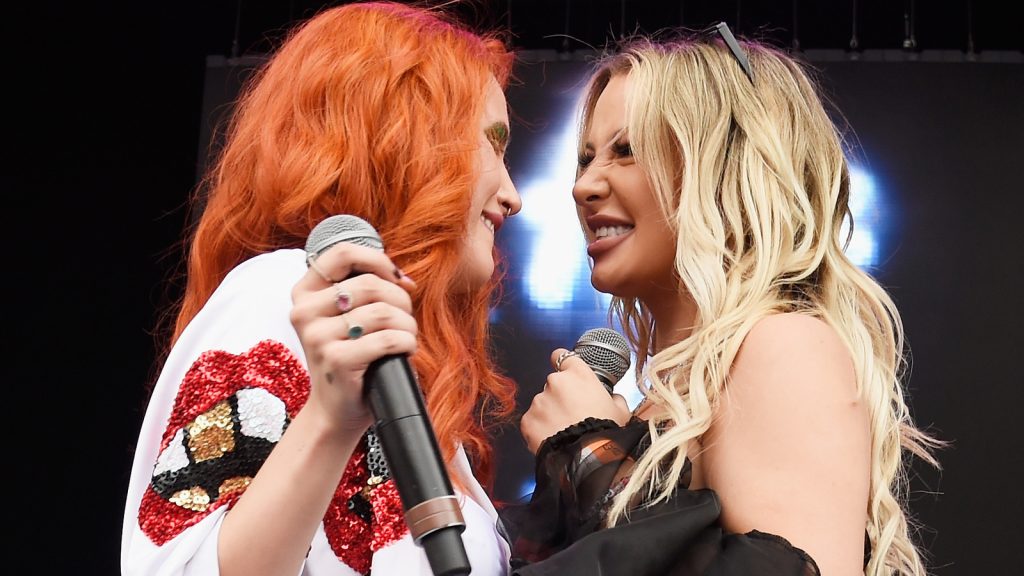
2. Bella Thorne and Tana Mongeau
Bella Thorne and Tana Mongeau made their relationship unusually public, which meant the breakup was interpreted through the lens of internet performance. Because both women lived partly online, critics treated visibility itself as evidence of fabrication. After the split, the relationship was frequently rewritten as content strategy. That logic skipped over an obvious reality of modern celebrity life: some couples share too much because they are public, not because they are invented.Thorne spent years fending off dismissals of her identity, while Mongeau’s later highly theatrical public choices caused people to retroactively treat every queer relationship as suspect.

3. Cara Delevingne and Ashley Benson
Cara Delevingne and Ashley Benson dated for about two years, which did not stop tabloids from reducing the relationship to image management after they split. When Benson was seen soon after with G-Eazy, the breakup was used to revive one of celebrity culture’s laziest ideas: that a woman dating both men and women must have been “trying on” queerness. The subtext was unmistakable. A long relationship between two women still was not granted the same presumption of legitimacy routinely extended to brief male-female pairings.
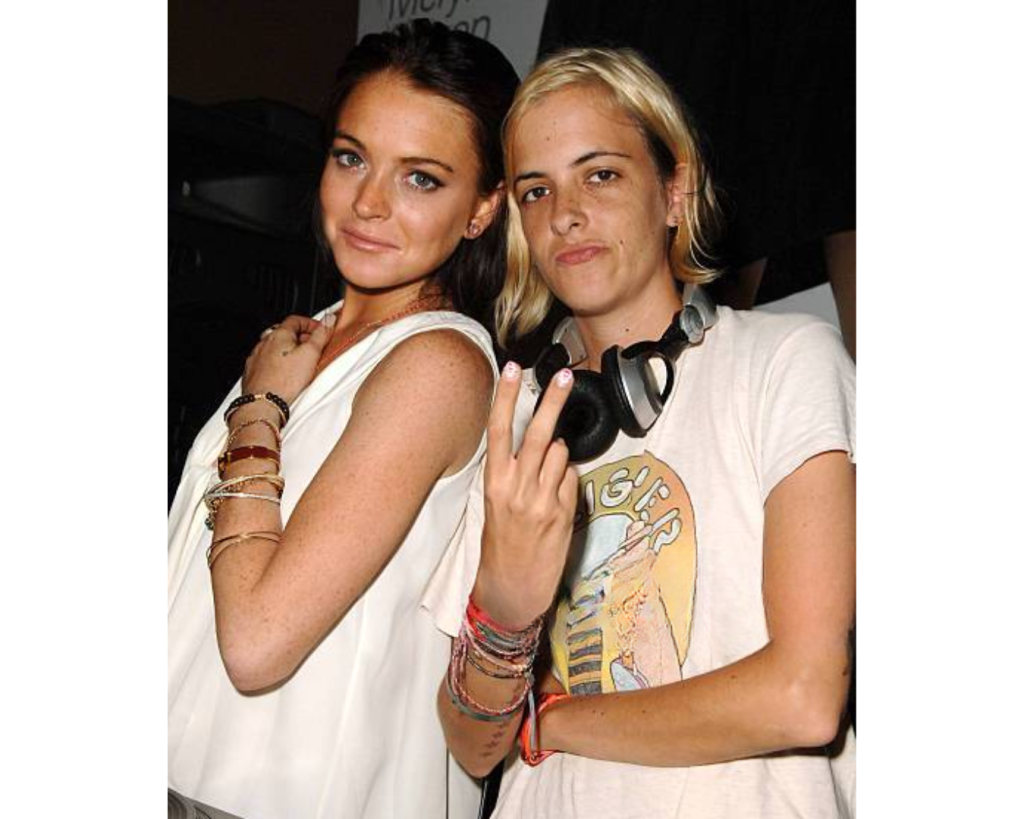
4. Lindsay Lohan and Samantha Ronson
Lindsay Lohan and Samantha Ronson were pursued so relentlessly during their relationship that the breakup almost seemed prewritten by the press. The romance was often framed as rebellion, chaos, or spectacle rather than intimacy. When it ended, many outlets quickly snapped Lohan back into a straight narrative, as if the relationship had been a detour instead of part of her life. It remains one of the clearest examples of how celebrity culture can sensationalize queer relationships while refusing to absorb what they mean.

5. JoJo Siwa and Avery Cyrus
JoJo Siwa’s relationship with Avery Cyrus unfolded in the native language of Gen Z fame: TikTok clips, collaborative videos, and an audience that expects access. After the breakup, that same format was used against them. The more documented the romance appeared, the more some viewers insisted it had been manufactured. Siwa’s public life has repeatedly shown how quickly young queer celebrities are asked to prove sincerity in ways their straight peers are not. Even a breakup becomes evidence for someone else’s theory.
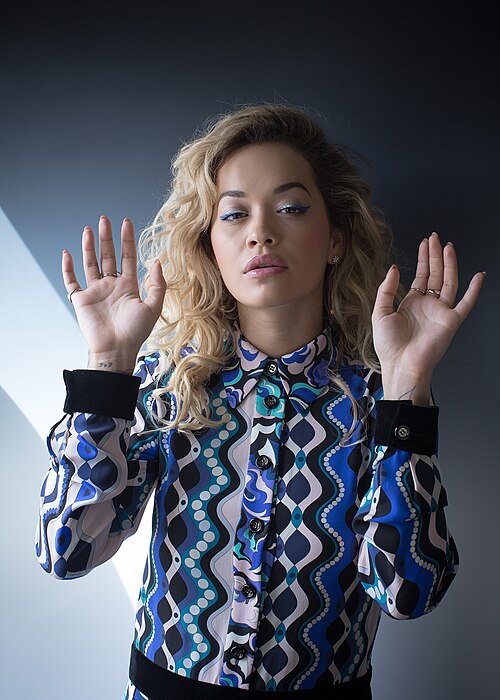
6. Rita Ora
Rita Ora’s case differed from a standard breakup narrative, but it fit the same policing instinct. After backlash to “Girls,” she issued an apology and said, “I have had romantic relationships with women and men throughout my life and this is my personal journey.” That statement should have settled at least one question. Instead, it illustrated how often public culture demands a dossier of proof before accepting a woman’s identity. The scrutiny around Ora was tied to visibility: if a star had not dated women publicly enough, some people treated that absence as disqualification. It was gatekeeping dressed as media analysis.
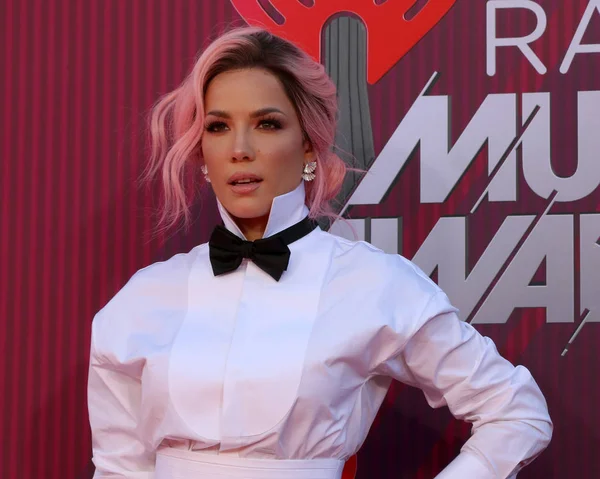
7. Halsey
Halsey has long spoken against bi-erasure, yet coverage of her dating life still swings according to the gender of her partner. Relationships with men often prompt lazy assumptions that overwrite her queer identity, while relationships with women invite suspicion that they are aesthetic, strategic, or album-cycle adjacent. That double bind is the point. A public figure can be treated as “not fitting expectations” in one headline and “performing an identity” in the next, with no contradiction acknowledged.

8. Amber Heard
Amber Heard’s past relationship with Tasya van Ree drew fresh attention during later legal and tabloid storms, when her personal identity was dissected as part of a broader attempt to define her character. Rather than treat that relationship as a fact of her life, some coverage used it as another tool of suspicion. This is where gossip becomes something older and uglier. Tabloid culture has a long history of targeting women and queer people through implication and innuendo, echoing a gossip tradition that punished the vulnerable more than it examined the powerful.
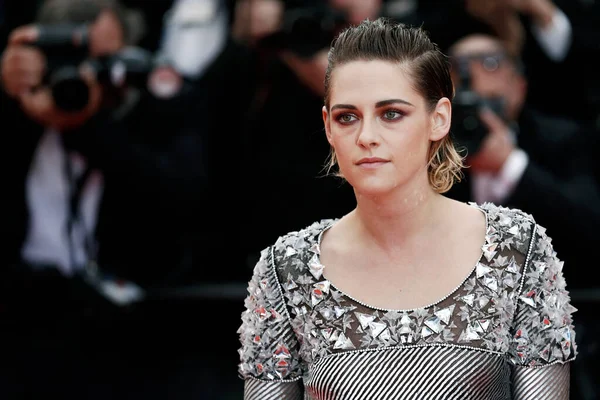
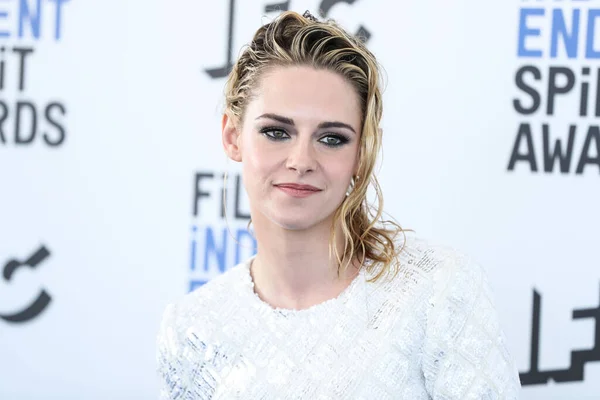
9. Kristen Stewart
When Kristen Stewart began dating women publicly after years of being framed within a traditional blockbuster romance narrative, portions of the press treated the shift as a rebrand. Her relationship with Soko, in particular, was watched with a suspicious eye, and the breakup fed the idea that her personal identity had been an interlude. That reading never quite made sense, but it fit the tabloid appetite for legibility. As one cultural critique observed, some tabloids still project socially conservative morals onto relationships that do not follow a conventional arc of courtship, marriage, and domestic neatness.

10. St. Vincent
Annie Clark, better known as St. Vincent, has often been discussed in other people’s narratives rather than her own. Because she has dated high-profile women, post-breakup coverage has sometimes cast her as a kind of transitional figure in someone else’s identity story. That framing erases the mutual reality of the relationship and turns one partner into a symbol. Silence tends to make it worse. When a celebrity declines to narrate a breakup, gossip fills the vacuum with stereotypes.
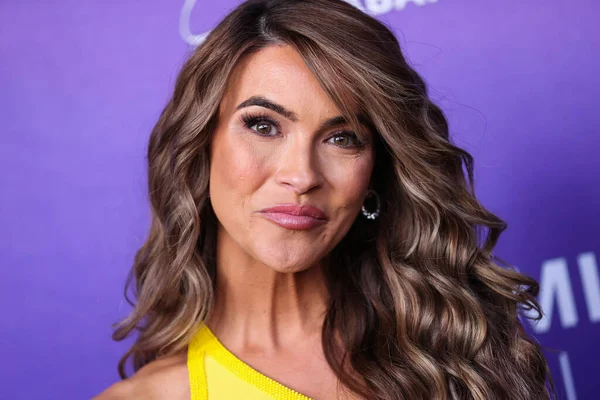
11. Chrishell Stause
Chrishell Stause’s relationship with G Flip drew intense attention not only because of her profile but because it disrupted expectations about timing, age, and what a post-divorce love story should look like. Critics rushed to label the relationship a phase, a storyline, or a reinvention. Instead, Stause repeatedly had to affirm that the relationship was real. That repetition says plenty on its own. Straight celebrity romances are often allowed to be messy; queer ones are too often put on trial.
The broader pattern is less about any one breakup than the culture interpreting it. Queer women in public life are still asked to produce certainty on demand, especially after a romance ends, and the burden falls hardest on celebrities whose personal identities have only recently become public. For readers, the more revealing story is not whether a tabloid romance satisfied public expectations. It is how quickly celebrity culture still mistakes ambiguity, privacy, or change for deception.


