

TV casts change for all kinds of reasons, but the result on screen is what viewers remember. In some series, losing a major performer exposed weak spots. In others, it cleared room for sharper writing, stronger ensemble chemistry, or a character pivot the show needed anyway.
These series did not all improve in the same way. Some found a better tone, some redistributed attention to overdue standouts, and some simply proved they could survive a disruption that looked fatal at the time.

1. Charmed
When Shannen Doherty exited after three seasons, Charmed avoided a collapse by rebuilding its core mythology. Rose McGowan arrived as Paige Matthews, a half-sister who restored the Power of Three while changing the energy of the series. The mood became lighter, the supernatural stories opened up, and the show gained a new character who could create tension without repeating Prue Halliwell beat for beat. The reset helped the WB drama continue for five more seasons.
2. NYPD Blue
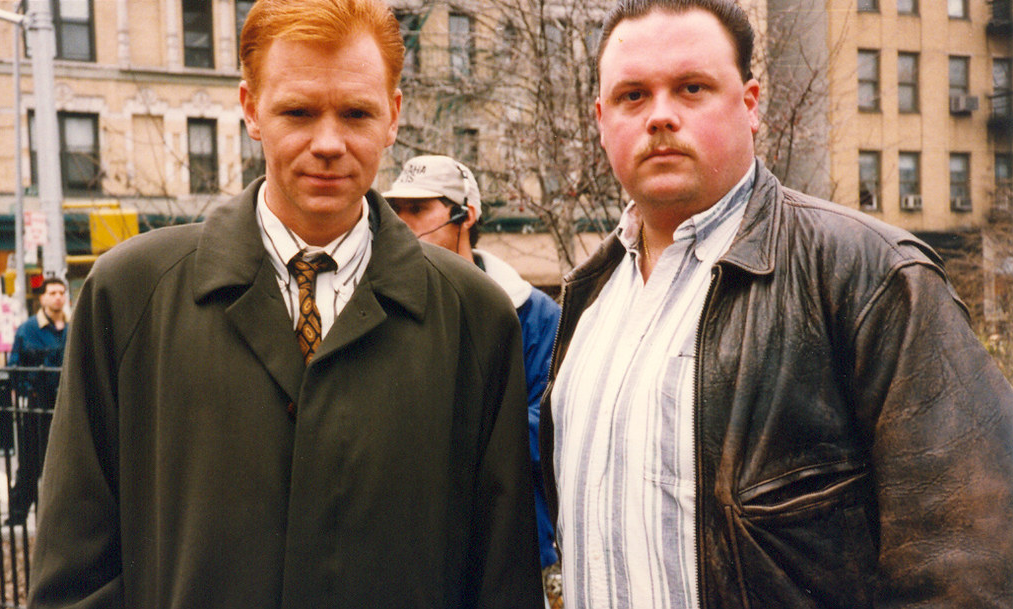
David Caruso’s departure after the breakout first season could have derailed the show’s momentum. Instead, Jimmy Smits stepped in and created a different kind of partnership with Dennis Franz. The series traded one kind of star power for a more grounded emotional texture, and the precinct dynamic settled into something deeper and more durable. That stability helped NYPD Blue run for 12 seasons.
3. The Conners
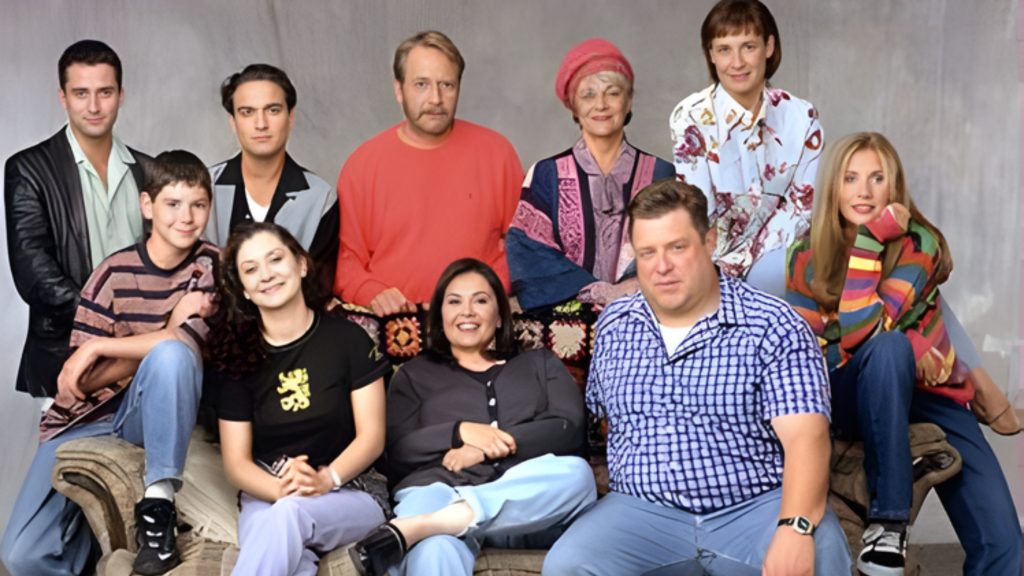
After Roseanne Barr was removed, the revival did not try to pretend nothing had changed. It restructured itself around grief, bills, parenting stress, and the wider family unit. That shift turned the series into more of a true ensemble, giving Laurie Metcalf, John Goodman, Sara Gilbert, and Lecy Goranson more room to drive stories. The result felt less like a single-star vehicle and more like a working-class family comedy with a broader center.

4. Beverly Hills, 90210
Shannen Doherty’s exit from Beverly Hills, 90210 opened the door for Tiffani Thiessen’s Valerie Malone, and the show used that entrance well. Valerie was not a substitute for Brenda Walsh in personality or purpose. She was more disruptive, more strategic, and perfectly suited to the series as it aged out of high school stories and leaned harder into soap plotting. Her arrival gave the show a fresh source of conflict exactly when it needed one.
5. Valerie
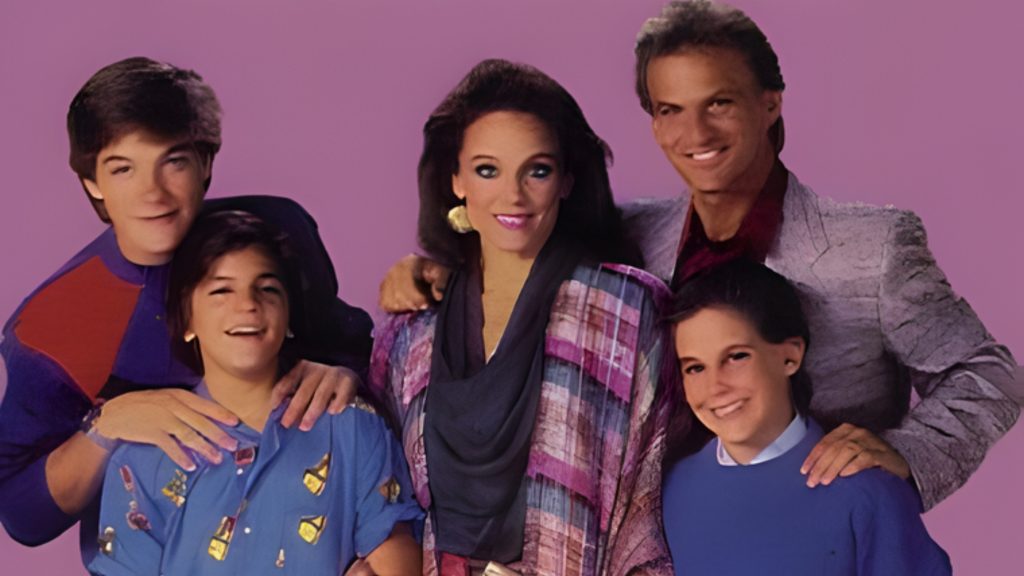
Few TV pivots were more dramatic than a sitcom losing the star whose name was in the title. After Valerie Harper’s exit, the show shifted its focus to the family as a unit, brought in Sandy Duncan, and eventually rebranded itself. That kind of overhaul rarely works. Here, it did, because the series recognized that its strongest asset was the household dynamic rather than a single performer.
6. Three’s Company
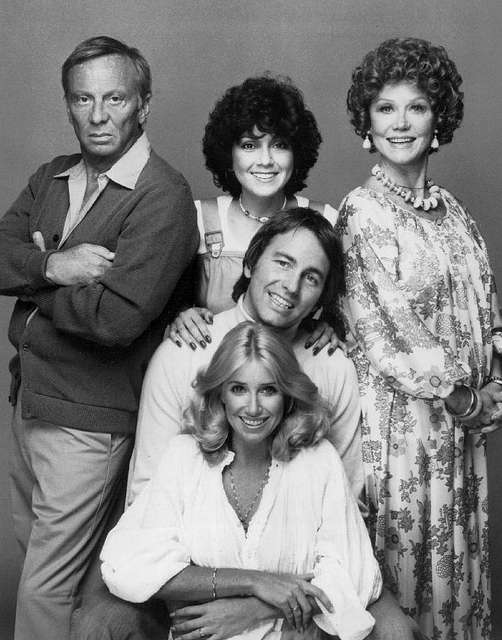
Suzanne Somers’ departure became one of television’s best-known contract disputes, but the comedy itself stayed intact longer than many expected. The reason was simple: John Ritter remained the engine. As the roommate setup changed, the slapstick rhythm and misunderstanding-driven farce still worked, and Priscilla Barnes helped keep the apartment chemistry moving. Sometimes continuity comes less from one character than from the show’s comic structure.

7. Criminal Minds
When Thomas Gibson left, Criminal Minds avoided a major identity crisis by leaning into the team rather than a stern central authority figure. Paget Brewster’s expanded leadership role changed the feel of the BAU in a useful way, and the series let more characters contribute strategically and emotionally. The procedural remained familiar, but the balance inside the group became less rigid after an altercation with a writer and producer.
8. Grey’s Anatomy
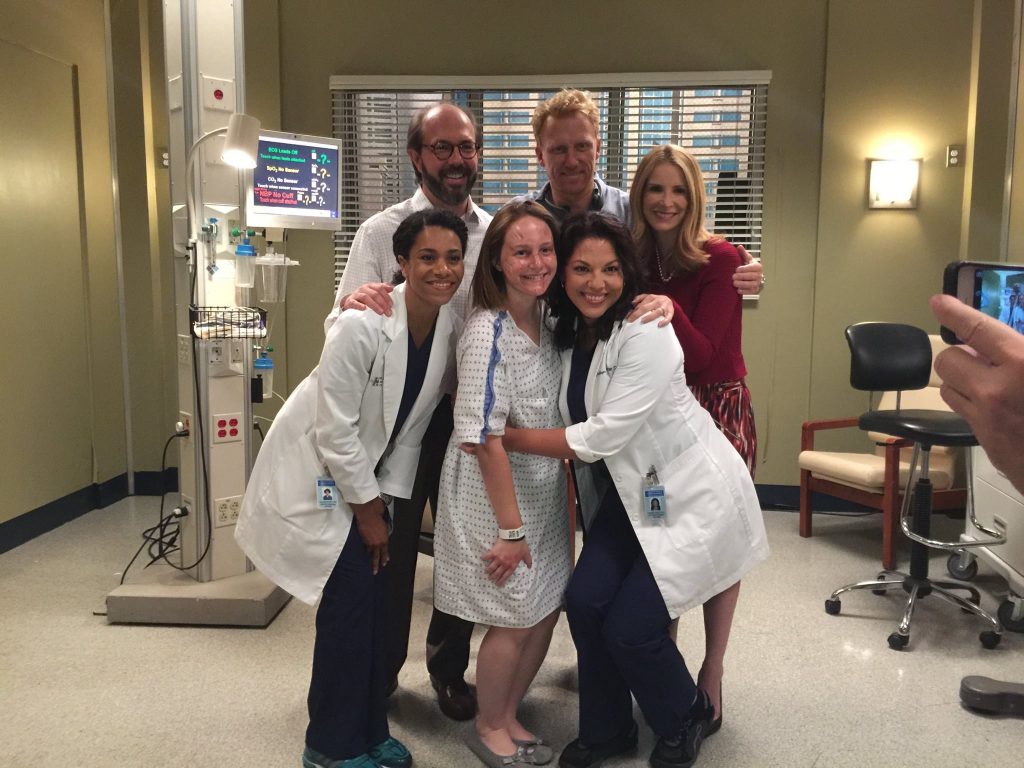
Isaiah Washington’s removal did more than write Preston Burke out of Seattle Grace. It gave Cristina Yang one of the show’s most defining turns, as her story moved away from being tied so closely to a mentor-romance arc. Grey’s Anatomy has survived many cast exits, but this one mattered because it accelerated the show’s long-term strength: a rotating ensemble where ambition, rivalry, and friendship matter more than any single pairing.

9. Desperate Housewives
Edie Britt brought chaos to Wisteria Lane, but once Nicollette Sheridan was gone, the series tightened its attention around the original central women. That concentration helped later seasons feel more focused. Instead of scattering energy across too many competing side fires, the show pushed the neighborhood’s main relationships and secrets back to the front. It was less about replacing Edie than about streamlining the machine.

10. Silicon Valley
T.J. Miller was a huge presence early on, but his exit forced Silicon Valley to stop orbiting one character’s outsized antics. The comedy became more of a group show, giving Jared, Dinesh, and Gilfoyle sharper material and more consistent arcs. Reports tied the departure to arriving late during many filmings, and on screen the aftermath produced a cleaner comic balance. The jokes felt more precise once the ensemble had to carry more of the weight.

11. Lethal Weapon
Rather than forcing a new actor into the same mold, Lethal Weapon introduced Seann William Scott as a different character entirely. That was the smart move. The series could preserve the buddy-cop framework without pretending the old chemistry was still there, and the third season played with a lighter rhythm. The show did not become a different genre, but it did become less dependent on tension behind the scenes.
12. House of Cards
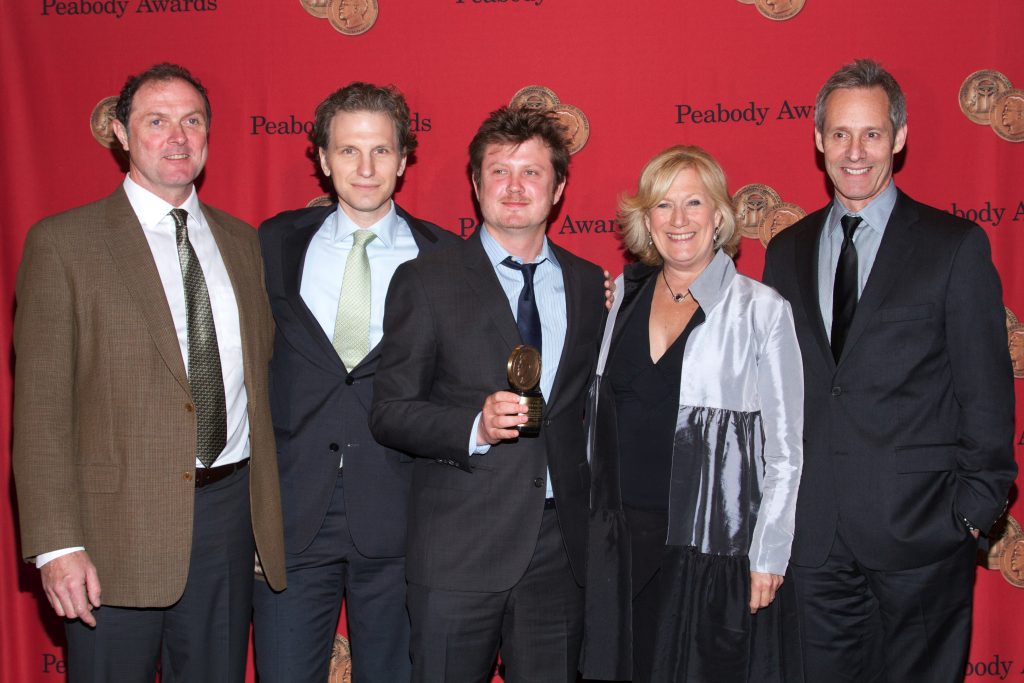
Kevin Spacey’s removal left the series with few easy options, so the final season centered Claire Underwood instead. Robin Wright’s promotion to the narrative foreground gave the show a colder, more deliberate power struggle and allowed it to complete its run rather than ending unfinished. For a drama built around ambition, the handoff at least preserved a path to closure.
A replacement does not need to copy what came before. The stronger examples usually work because the incoming performer changes the temperature of the show, not because the show tries to freeze itself in place. That is the thread connecting these series. Whether the fix was a new character, a recast, or a wider ensemble focus, the improvement came when the writers accepted the disruption and built something cleaner around it.


