Lincoln cents look simple at first glance. That is part of the reason new collectors so often misread them. A tiny letter under the date, a set of initials near the rim, or a doubled word can seem like instant proof of rarity. In practice, those details only matter when they appear in the right place, with the right shape, and on the right year.
The Lincoln cent series has been studied for more than a century, and many of its most famous coins are also the ones most often altered, overread, or misunderstood. For beginners, the useful skill is not memorizing every famous date. It is learning what a detail actually means before attaching value to it.
1. A missing mint mark does not automatically signal an error
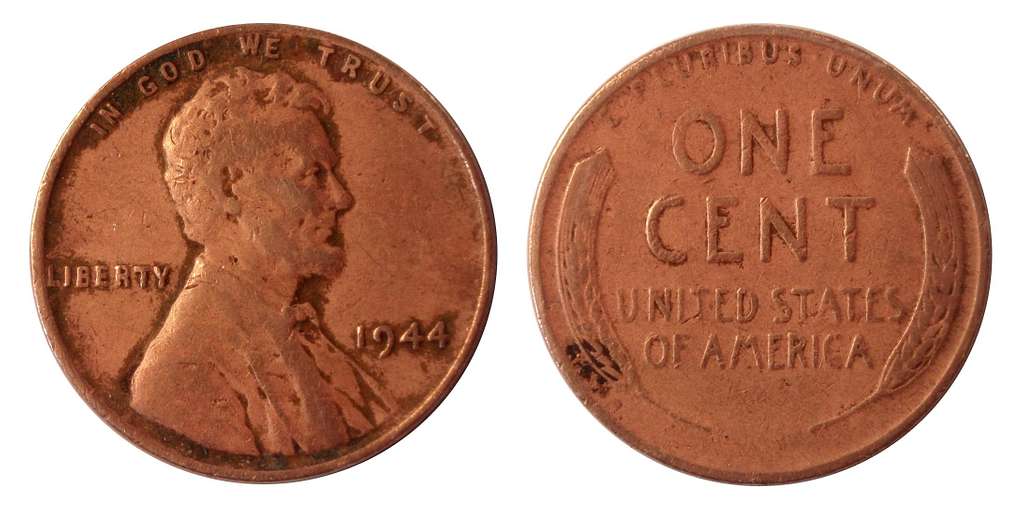
Many beginners assume a blank space under the date means something went wrong at the Mint. On Lincoln cents, that is often not true at all. For long stretches of the series, Philadelphia cents simply carried no mint mark, and the cent still does not use a “P” today, even though other denominations do. The broader history of Philadelphia coins without mint marks explains why a plain date is usually normal, not rare.

The confusion deepens with famous exceptions such as the 1922 “No D” cent. That coin matters because all 1922 Lincoln cents were struck in Denver, so the absence of the D on certain examples points to a specific production problem. Without that year-specific context, a missing mint mark means very little.

2. “VDB” is not a secret code for rarity
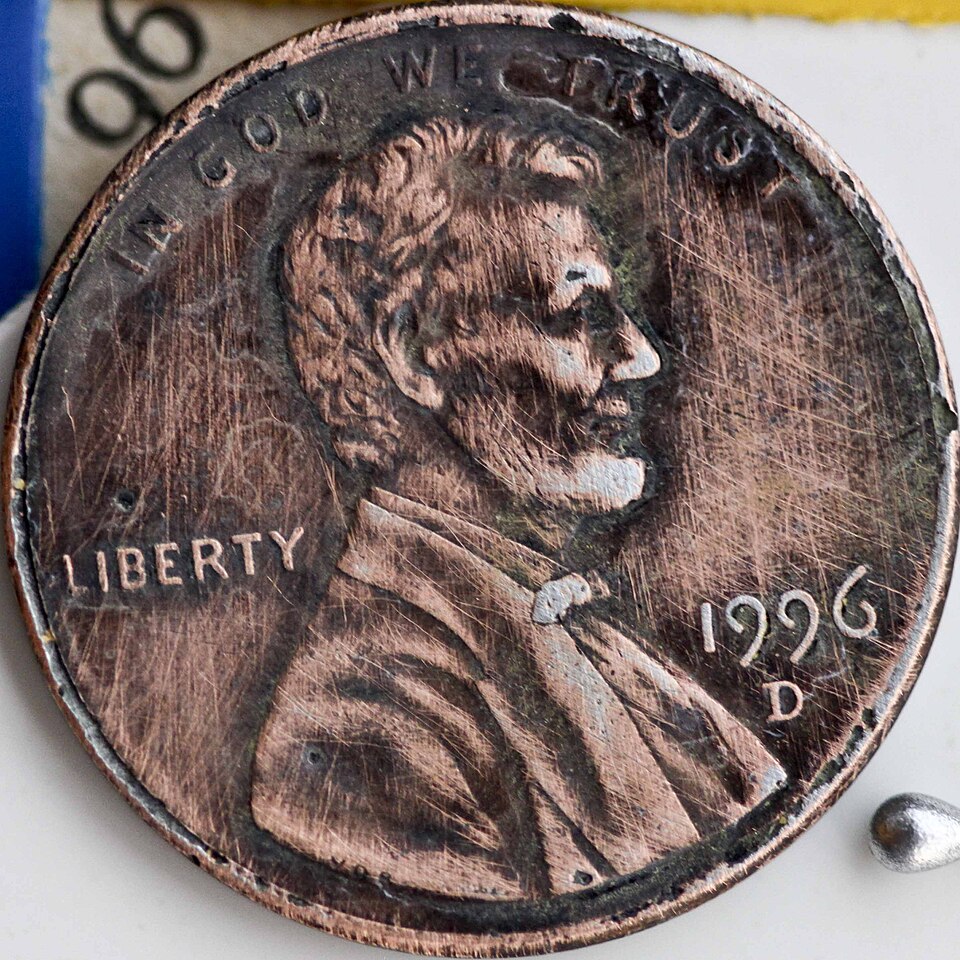
The initials VDB refer to designer Victor David Brenner, not to a special issue by themselves. On the first 1909 cents, his initials appeared prominently on the reverse, then were removed after public criticism, and later restored in smaller form on the obverse in 1918 near Lincoln’s shoulder. That design history is what gives the initials their meaning.

Beginners often hear that a 1909 VDB cent is important and then treat any VDB as a major find. What actually matters is the combination of year, mint, and placement. The most famous example is the 1909-S VDB, struck in a comparatively low mintage of 484,000 pieces. A 1909 VDB without the S is still a notable first-year coin, but it is not the same thing. And later cents with tiny VDB initials on Lincoln’s shoulder are normal for their era.
3. An “S” mint mark can be the most misleading detail on the coin
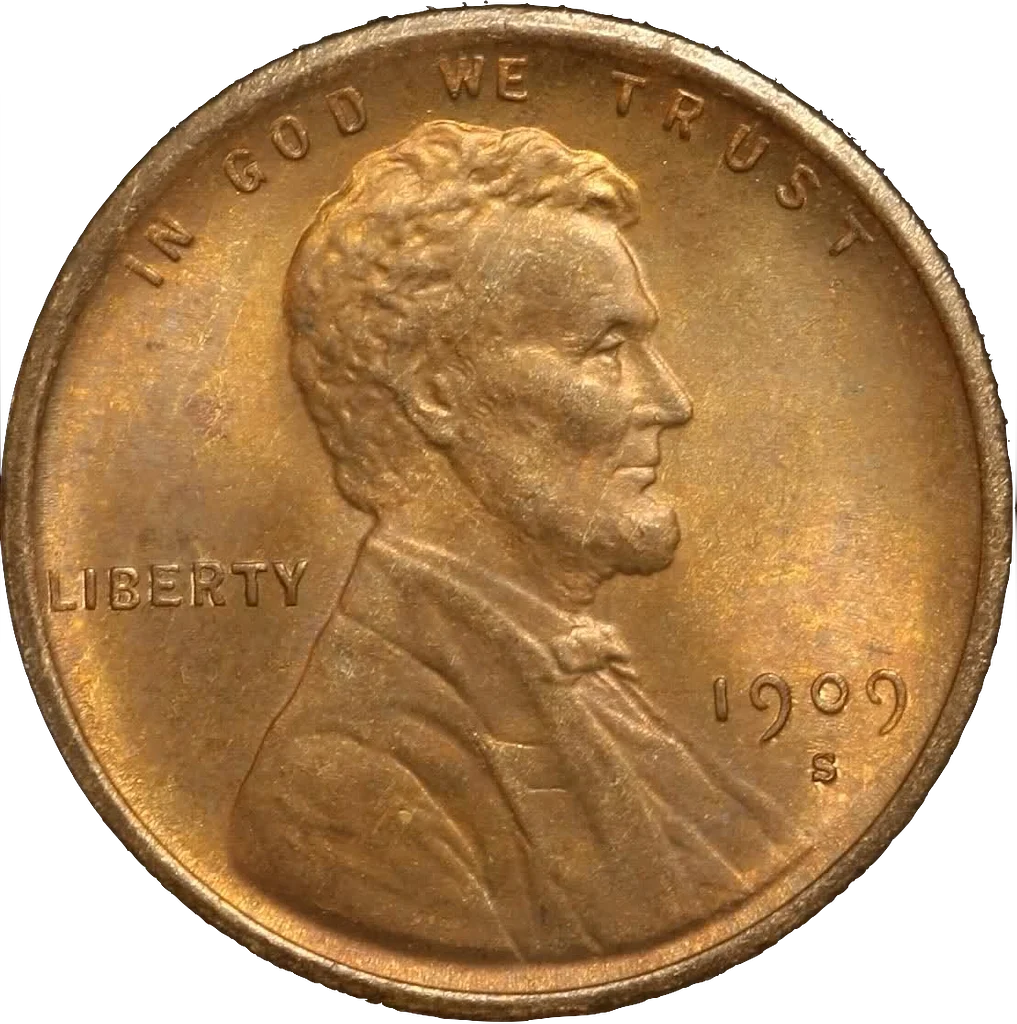
Because the 1909-S VDB is so famous, the small S beneath the date has been added to less valuable coins for generations. That makes the mint mark one of the first places a beginner should slow down. Authentication depends on more than seeing the right letter. Specialists note that genuine early San Francisco Lincoln cents used the same style of punch across several years, and the shape matters.
On authentic examples from that period, the S often shows a small raised dot inside the upper loop, and the serifs should look straight rather than oddly slanted. Placement matters too: researchers have identified four genuine mintmark positions for the 1909-S VDB, which is why the mintmark’s position relative to the date is part of authentication. A mint mark is not just a letter. It is a diagnostic detail with a known form.

4. Doubling is not always a doubled die
New collectors often spot blurry or thick lettering and assume they have discovered a major error. Most of the time, they are looking at strike-related distortion, wear, or machine doubling rather than a true doubled die. A true doubled die begins at the die-making stage, so every coin struck from that die repeats the same duplicated design. The visual clue is usually rounded, raised doubling rather than flat, shelf-like doubling.
That difference matters because famous varieties such as the 1955 Doubled Die Obverse or the 1917 doubled die are identified by specific, repeatable shapes in the lettering and date, not by general fuzziness. On the 1955 cent, the doubling is dramatic enough that words like LIBERTY and IN GOD WE TRUST stand out plainly; on other varieties, magnification is needed. What beginners misread as “double struck” or “smashed letters” often has no relation to those recognized varieties. The eye-catching look of doubling is only meaningful when the form matches a documented die variety.
5. Unusual metal color does not prove a rare composition
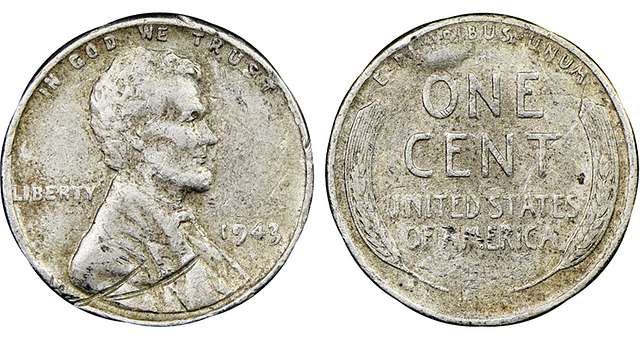
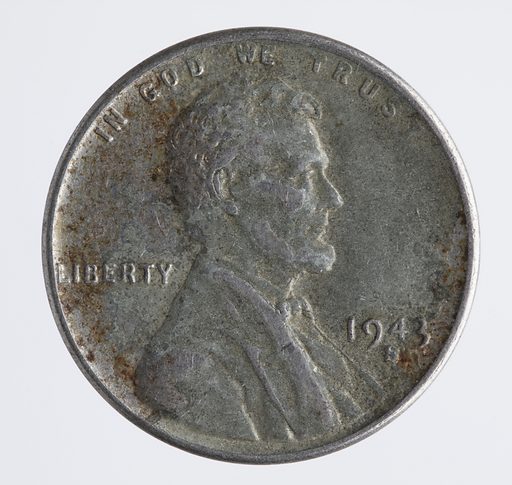
Color is one of the easiest details to overinterpret. A silvery 1943 cent may be perfectly ordinary, because the U.S. Mint changed the cent to zinc-coated steel that year when copper was redirected for wartime use. Likewise, a brown or bronze-looking cent from that period is not automatically a treasure.
The Lincoln series includes some genuinely famous composition errors, including the 1943 bronze cents and the 1944 steel cents, but those are rare precisely because they came from leftover planchets crossing into the wrong year. The normal wartime shift to zinc-coated steel in 1943 is part of the series’ standard history, not an error. That is why collectors are warned about altered pieces, such as plated coins or dates manipulated to imitate key varieties. Metal alone never tells the full story; the date, weight, surface, and overall diagnostics have to agree.
The beginner’s mistake is rarely a lack of enthusiasm. It is treating one visible feature as a complete answer. Lincoln cents reward closer reading than that. A mint mark needs the right shape, initials need the right year, doubling needs the right texture, and unusual color needs the right context. Once those details are understood on their own terms, the series becomes less about rumor and more about evidence.