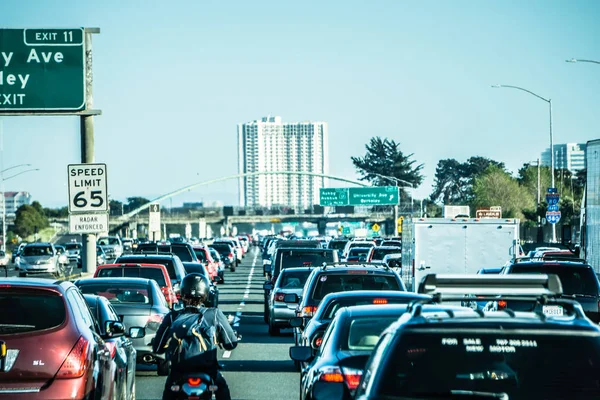
California’s 2026 traffic updates reach beyond major offenses. Several rules now touch ordinary driving behavior, including habits many motorists picked up without thinking much about them.
Some changes target visibility, some expand automated enforcement, and others widen duties drivers already had. Together, they make routine choices on the road more expensive when ignored.
1. Driving with a tinted or covered license plate
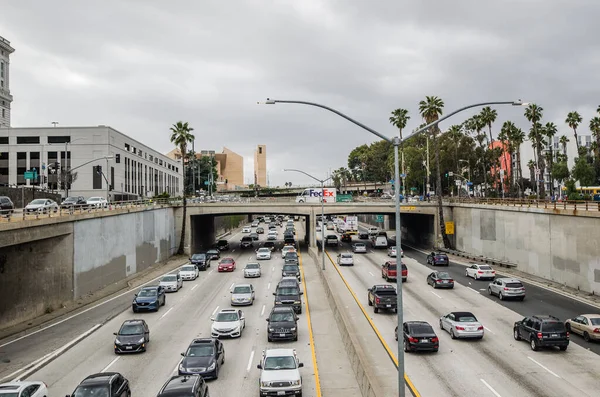
A smoked plate cover, reflective film, or flip-style gadget is no longer a minor add-on issue. Under AB 1085, California now treats products that interfere with the visual or electronic reading of a plate much more aggressively. The state says the rule is aimed at devices used to avoid toll systems and automated cameras.
Drivers who use plate-obscuring products can face fines, while manufacturers and sellers face even steeper penalties. One statewide summary of the law describes a $1,000 fine tied to manufacturing these devices, and motorists using obstructive covers also risk being cited during a traffic stop.
2. Passing a stopped vehicle without moving over or slowing down
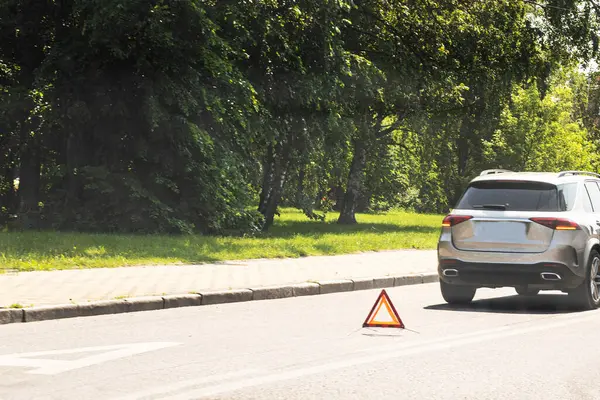
Many drivers still associate the move-over rule only with police cars, fire engines, or tow trucks. That is outdated in 2026. California’s expanded move-over law now applies to any stationary vehicle displaying hazard lights or warning devices. That can include a disabled personal car, a maintenance vehicle, or another roadside stop marked by flares, cones, or reflective triangles. If a lane change cannot be made safely, the driver must slow to a prudent speed instead of continuing past at normal pace.
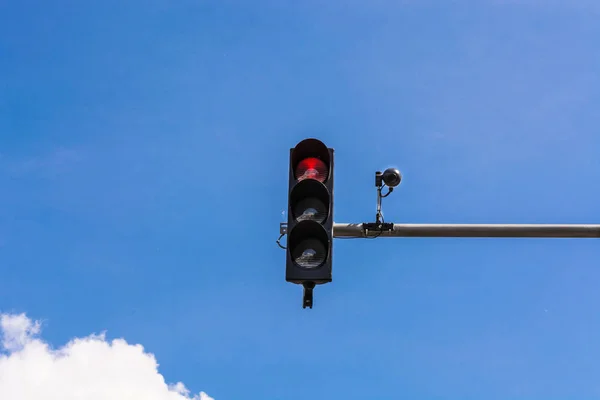
3. Treating red-light camera tickets like they can be ignored
Automated red-light enforcement is shifting in form, not disappearing. California now allows local governments to use alternative camera programs, and violations are treated as civil penalties rather than criminal infractions. That changes the process, but not the need to respond. The DMV says automated traffic enforcement system programs can now be used locally for red-light enforcement under SB 720. For drivers, the everyday habit that creates trouble is assuming a mailed camera notice carries less weight because it is civil. The penalty still exists, and contesting it requires action rather than neglect.
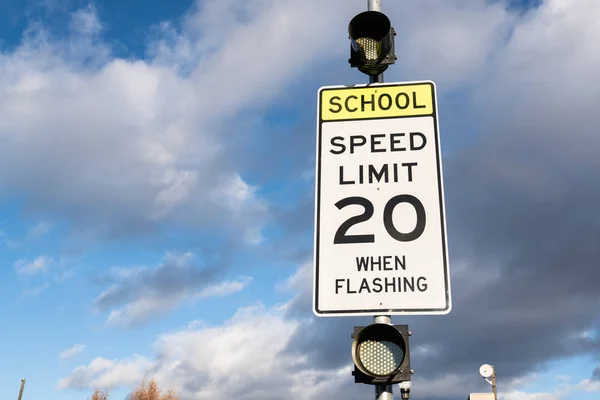
4. Speeding through school areas as if the old 25 mph standard always applies
The familiar school-zone number is no longer the only one California drivers need to remember. State law now gives local authorities the ability to lower certain school-zone speeds from 25 mph to 20 mph. That means an ordinary habit seeing a school sign and assuming the traditional limit still controls can become an expensive mistake where local changes have been adopted. Drivers need to watch posted signs closely instead of relying on memory, especially around pickup and drop-off corridors where enforcement tends to be visible and complaints from residents are persistent.
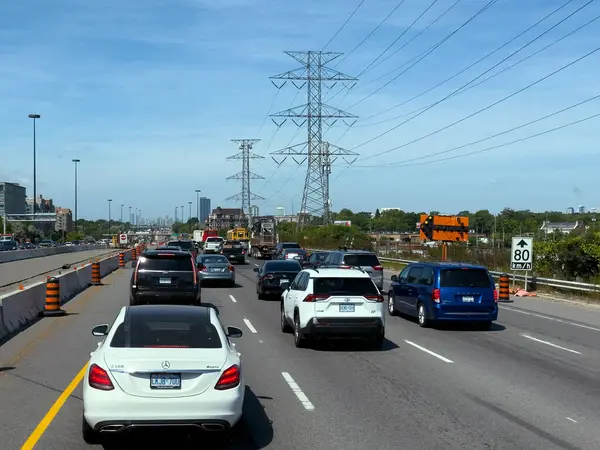
5. Assuming construction-zone speed rules only matter when an officer is present
California’s 2026 changes also expand the role of automation in traffic enforcement. A new pilot program allows automated speed enforcement systems in active highway construction zones, widening the circumstances in which a speeding citation can be generated without a traditional stop. The practical shift is simple: slowing down in a work zone is no longer just about spotting patrol lights ahead. One summary of the 2026 changes notes that automated speed enforcement systems in active highway construction zones can issue civil penalties to the registered owner. The old habit of treating work-zone limits as flexible when workers are not immediately visible carries more risk now.
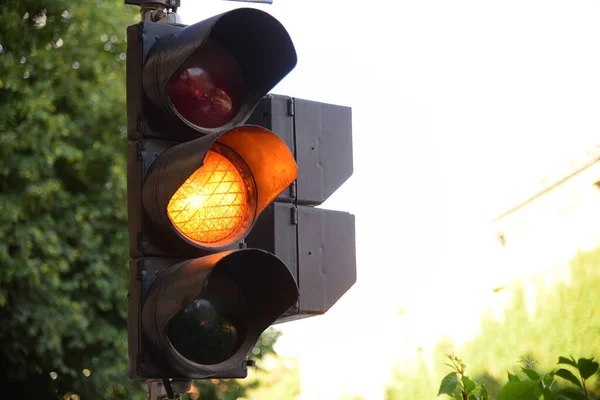
6. Rolling through a stale yellow that becomes a camera-caught red
This is not a new driving maneuver, but the enforcement environment around it has changed. As cities and counties gain broader authority to run updated red-light camera programs, the common habit of accelerating into an intersection late in the light cycle becomes easier to document. The violation remains a civil matter under the updated framework, yet the consequence is still a fine. For drivers, the takeaway is behavioral rather than legalistic: the split-second decision to push through an intersection now intersects more often with camera-based enforcement than with the chance of a warning.
7. Leaving plate visibility to chance because “it’s still readable enough”
California’s plate rules are not limited to dramatic flip devices. The broader standard centers on whether the license plate remains clearly visible and legible, including for electronic capture systems. That puts everyday neglect in the spotlight. A dirty cover, heavy shading, or any accessory that reduces readability can trigger scrutiny under the same crackdown that targets intentional obstruction. In practical terms, drivers who treat plate clarity as a cosmetic detail rather than a compliance issue are more exposed in 2026 than they were before.

These changes do not rewrite every part of daily driving, but they do narrow the margin for casual habits. Plate visibility, roadside caution, school-zone awareness, and camera-enforced intersections now carry more direct financial consequences. For California motorists, the safest adjustment is also the simplest one: read posted signs, keep the plate unobstructed, and assume automated enforcement may be active where older habits once went unchecked.