
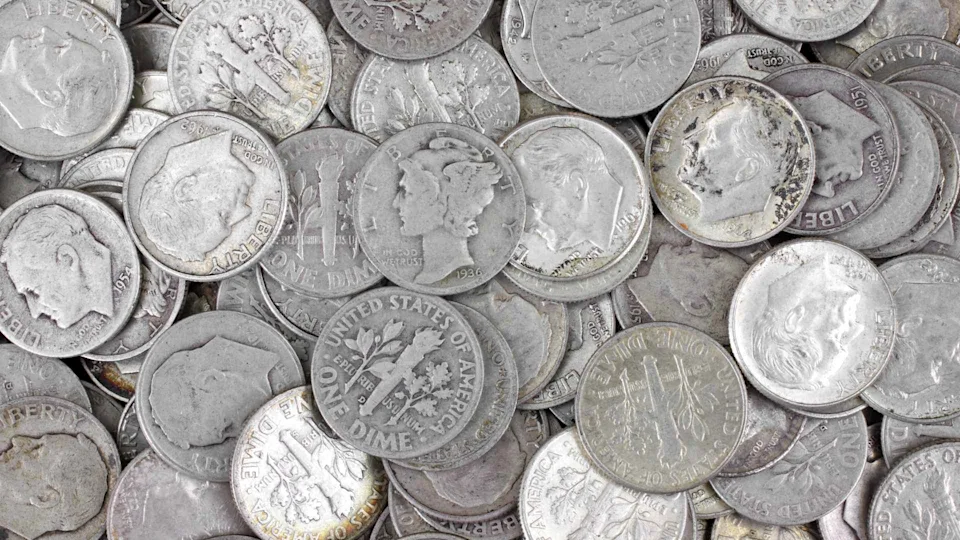
A dime is easy to ignore. It is the smallest everyday U.S. coin in regular use, and for many people it passes from hand to hand without a second look.
Yet a few dimes have built an outsized reputation among collectors because of tiny details: a missing mintmark, an unusually low mintage, silver content, or a production mistake that slipped through the Mint. One famous example, the 1894-S Barber dime, has sold for nearly $2 million, while another Carson City rarity reached $3.6 million. For anyone sorting old jars, inherited sets, or loose change, the real lesson is simple: the date, mintmark, and condition matter far more than the coin’s face value.
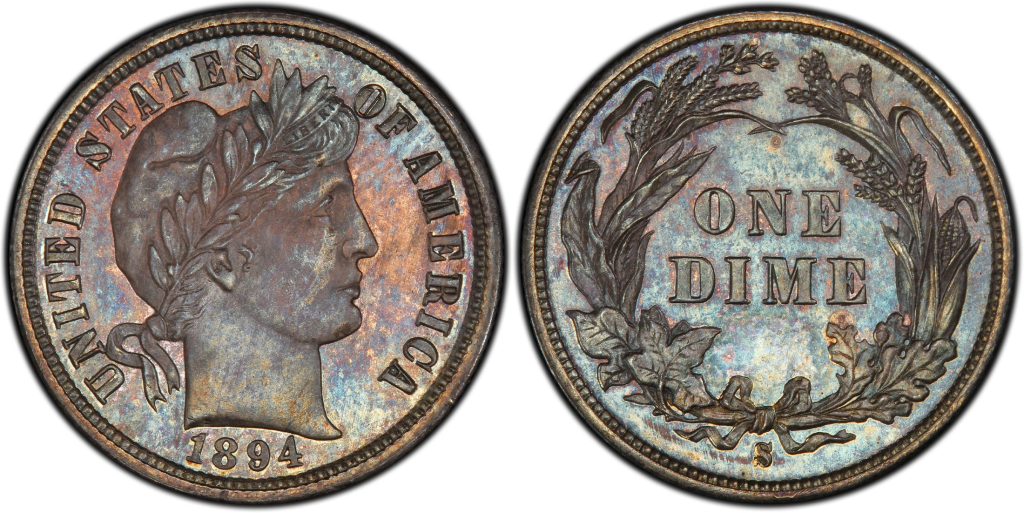
1. 1894-S Barber Dime
This is the dime that anchors almost every conversation about rare U.S. coinage. Only 24 pieces were struck at the San Francisco Mint, and just a handful are confirmed today. Its scarcity alone would make it important, but the mystery around why it was made has kept collector interest high for generations.
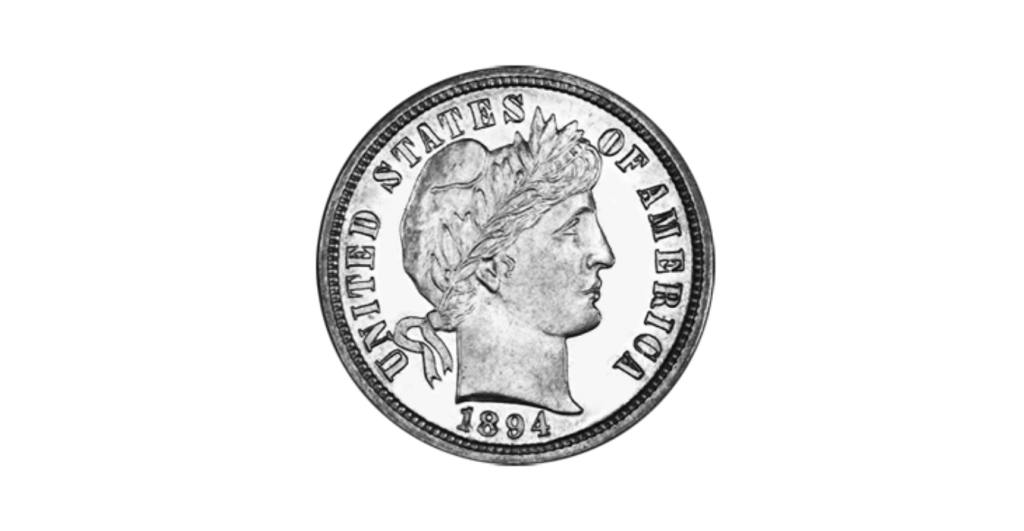
A widely repeated explanation says the tiny issue may have been tied to an accounting adjustment at the mint, though the story has never lost its air of uncertainty. What is clear is the market result: examples have sold for about $2 million, including an auction record of $1,997,500. For collectors, this is less a pocket-change coin than a benchmark for rarity.
2. 1975 No-S Roosevelt Proof Dime
This modern rarity proves that age is not the only path to value. The 1975 No-S Roosevelt proof dime was struck without the “S” mintmark normally found on San Francisco proof coins, and only two verified examples are widely recognized.
The distinction matters because ordinary 1975 Philadelphia dimes also lack a mintmark, so the missing letter alone does not make a circulating coin rare. The valuable version is a proof coin, made for collectors with a sharper finish and special production quality. One example reached nearly half a million dollars, showing how a tiny omission can create one of the most coveted Roosevelt dimes ever made.
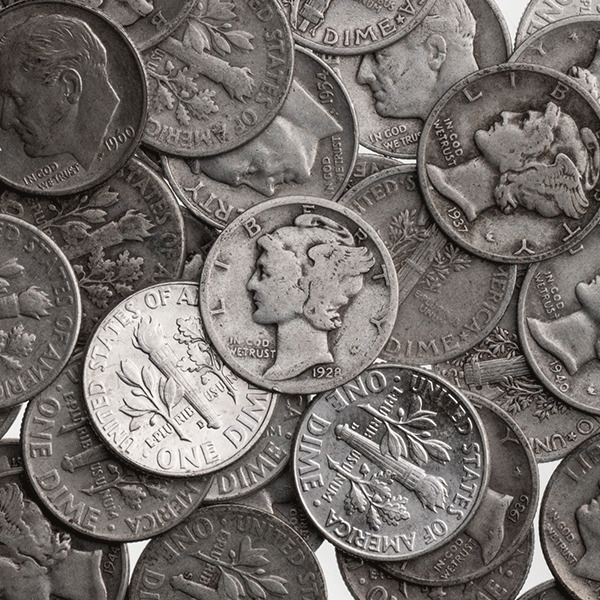
3. 1916-D Mercury Dime
The 1916-D Mercury dime remains one of the classic collector targets in American coinage. It was the first year of the Mercury design, and the Denver Mint produced only 264,000 pieces, a low total that still shapes demand today.
Even worn examples attract attention, and strong-condition coins can rise much higher in value. The coin is also known as one of the most counterfeited U.S. dimes, which is why authentication matters. Its combination of artistic appeal, silver composition, and low mintage keeps it near the top of many want lists.
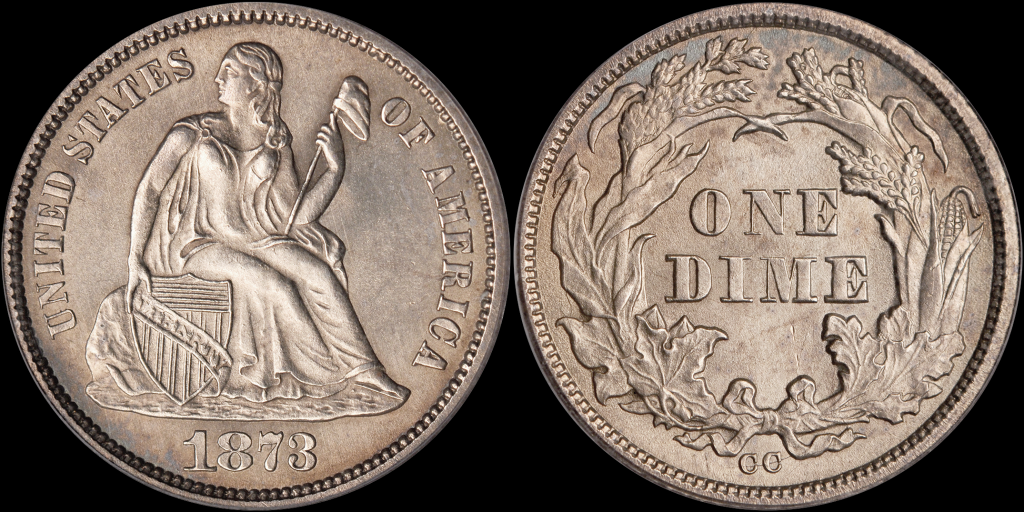
4. 1873-CC Liberty Seated Dime Without Arrows
Among rare dimes, this Carson City issue has a special place. In 1873, the Mint adjusted coin weights and added arrows beside the date, which meant earlier Carson City dimes struck without arrows were largely melted down.
One survivor changed the conversation entirely. The 1873-CC Liberty Seated dime without arrows sold in 2023 for $3.6 million, making it one of the most valuable dimes ever recorded. It also shows why Carson City coins carry such lasting interest: they connect directly to frontier-era minting, low survival rates, and dramatic U.S. coin history.
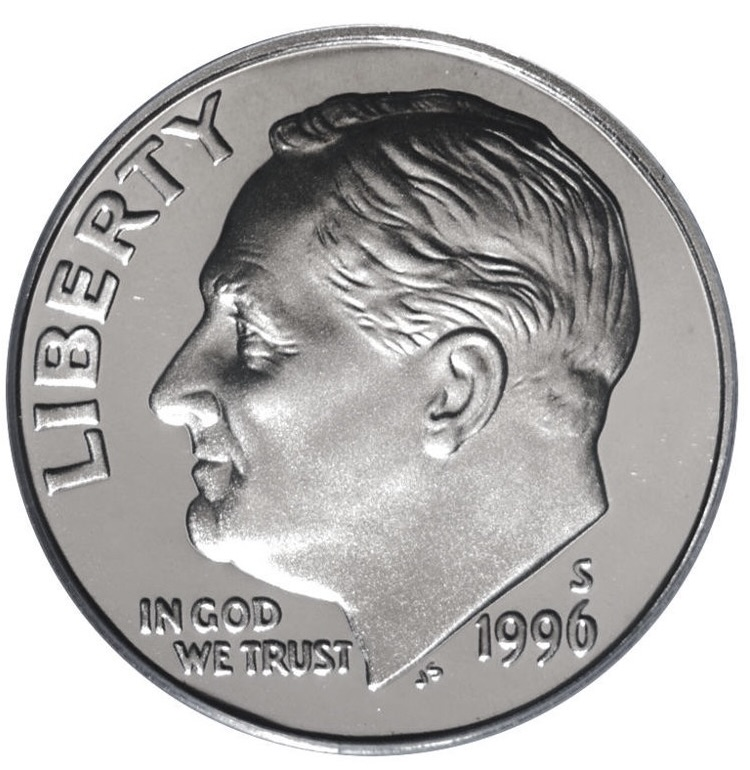
5. Pre-1965 Silver Roosevelt Dimes
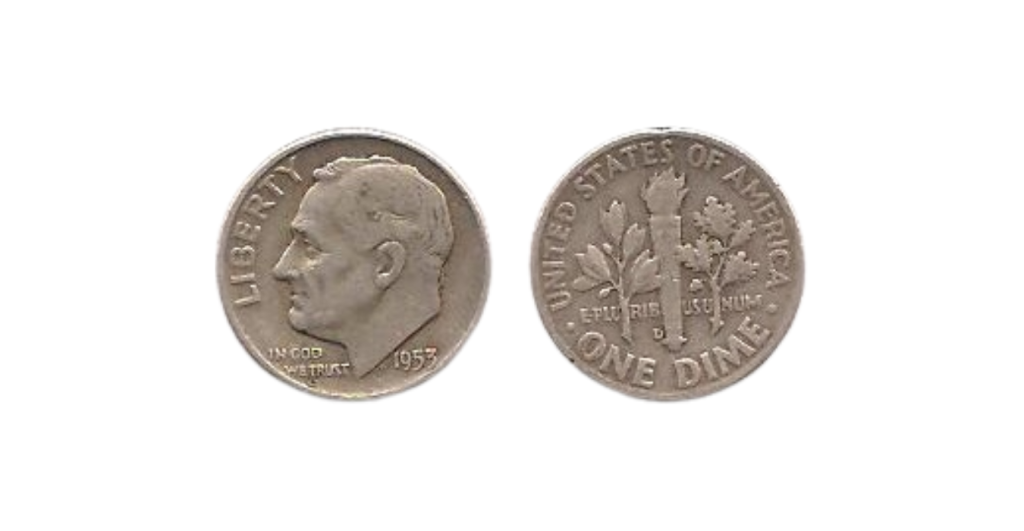
Not every worthwhile dime is a headline-maker. Roosevelt dimes dated 1946 through 1964 were struck in 90% silver, which gives them built-in value beyond face amount even when they are common dates.
That makes them a practical entry point for beginners. They are easier to identify than obscure proof errors, and they remain popular with collectors who want history without chasing only high-end rarities. The silver composition ended in 1965, when the Mint shifted to clad coinage, a change outlined in the 1946-1964 silver Roosevelt run. In everyday sorting, these are often the first dimes worth pulling aside.
6. 1982 No-P Roosevelt Dime
This coin holds an unusual place in modern collecting because it was released into circulation without the expected “P” mintmark from Philadelphia. It is often described as the most valuable Roosevelt dime known to have entered everyday commerce in noticeable numbers.
Specialists have long watched this issue closely, and error references continue to list the 1982 “no-P” Roosevelt dime as a recognized mintmark omission. Values vary sharply with condition, but the coin’s real appeal is accessibility: unlike proof-only rarities, this is an error that circulated, which means ordinary coin roll hunters still know the date by heart.
7. Condition and authentication often decide the real value
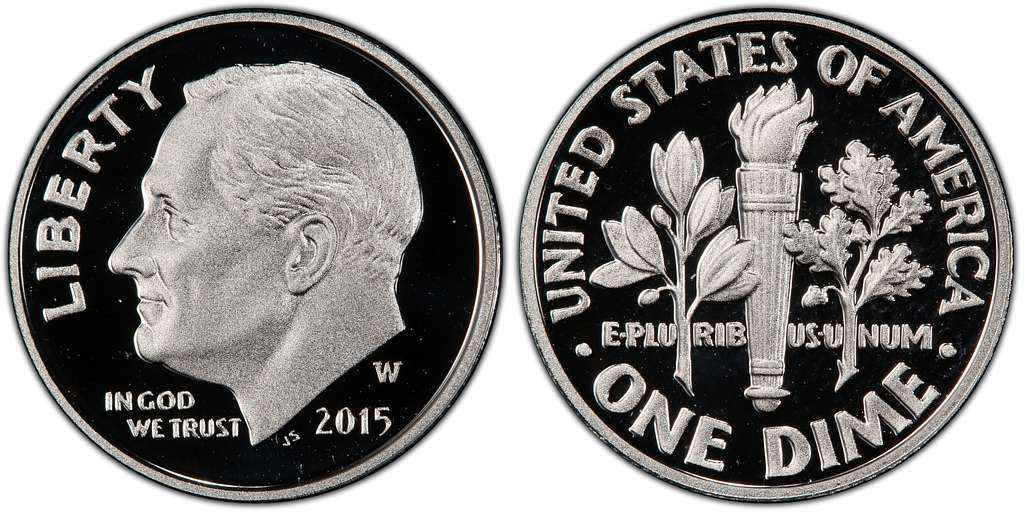
A rare date is only part of the story. A coin with heavy wear, damage, cleaning, or questionable surfaces can lose much of its appeal, while a sharp example with strong details may command a major premium. This is especially true for dimes with similar-looking ordinary counterparts, such as No-S proof issues or key-date Mercury dimes. Professional grading services such as PCGS and NGC are frequently used to confirm both authenticity and condition, and that confirmation can make a major difference in market confidence.
For new collectors, the smartest habit is often not buying anything at all, but learning to inspect edges, surfaces, mintmarks, and strike quality before assuming a coin is special. Rare dimes reward patience more than luck. A coin jar will not usually hide a multimillion-dollar find, but older silver pieces, key dates, and legitimate mint errors still give collectors plenty of reasons to look closely. That is the lasting appeal of dimes: a very small object can carry a remarkable amount of history.


