
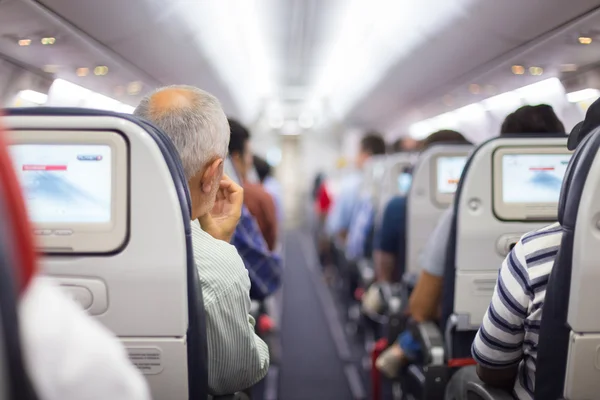
On a full flight, a seat-swap request can sound harmless. It is often framed as a small favor, a quick fix, or a polite appeal to empathy. For cabin crews, though, these exchanges can create delays, confusion, payment mix-ups, and safety headaches in a cabin already running on tight timing.
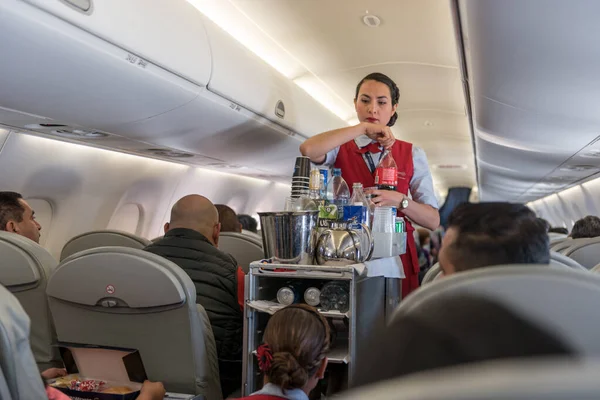
Flight attendants are not only managing comfort; they are also tracking who is seated where, following operational rules, and keeping boarding from slipping off schedule.
1. The request that starts after someone already took the seat
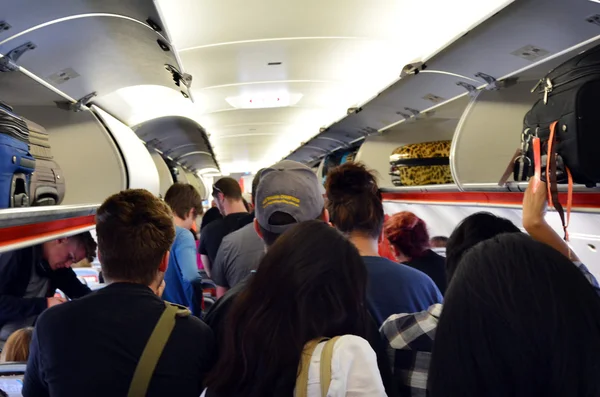
Few things complicate boarding faster than a passenger settling into a seat that is not theirs and then asking for forgiveness afterward. Travel etiquette guidance consistently warns against this approach because it forces the person with the boarding pass to negotiate in public, often with bags in hand and a line building in the aisle.
That kind of presumptive swap also pushes flight attendants into avoidable conflict resolution. On busy flights, the cleanest rule is simple: the seat on the boarding pass is the starting point, and any change should happen only after the crew is asked.
2. The “just moving to an empty row” request during boarding
An apparently open seat is not always available for the taking. Former flight attendant Lia Ocampo told Condé Nast Traveller that jumping to an open seat without permission is “unacceptable.” There is a practical reason for that firmness.
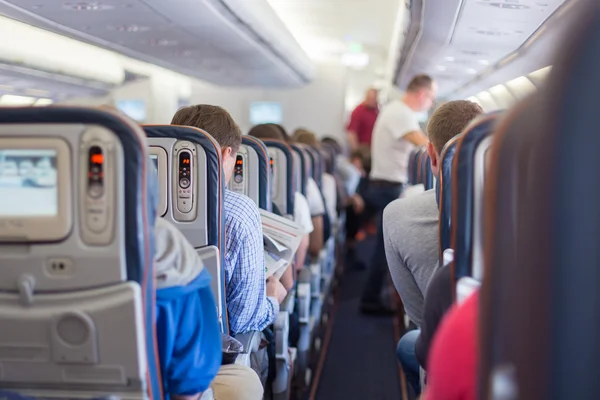
During boarding, crews are still verifying occupied seats, monitoring cabin flow, and preparing for departure. A passenger who relocates early can trigger a game of catch-up for staff who now have to identify who moved, whether the seat is truly free, and whether the shift creates a problem for operations.

3. The swap that downgrades someone into a worse seat
Flight attendants quietly dread requests built on obvious imbalance: asking for an aisle in exchange for a middle, a forward seat in exchange for a back-row spot, or extra legroom for standard economy. These are less requests than attempts to transfer inconvenience.
Seat-swap etiquette experts generally describe the fairest version as like-for-like, or better. Aisle for aisle is reasonable. Window for middle is not. When a request ignores that basic standard, it tends to create tension quickly, especially when the passenger being asked may have specifically selected or paid for that location.
4. The emotional-pressure plea that refuses to accept no
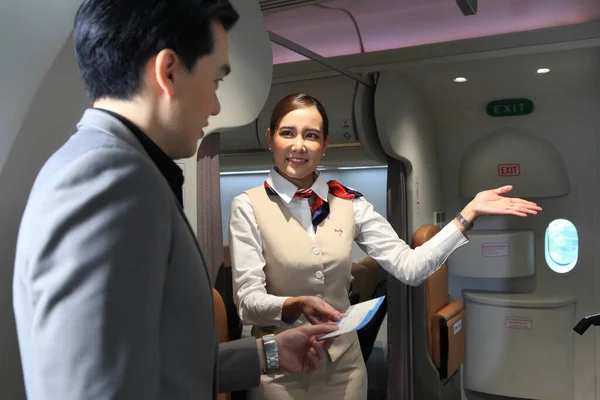
Some requests are not difficult because of the seat itself, but because of the social pressure attached to them. A passenger may keep asking after a refusal, recruit others nearby, or imply that declining is selfish. That behavior leaves crew members managing emotions instead of the cabin.
Guidance on seat-change etiquette is clear that passengers should accept no for an answer. A refusal does not require a defense, and flight attendants are often left to step in when a simple request becomes a drawn-out confrontation.
5. The swap that tangles with the airline’s seat records
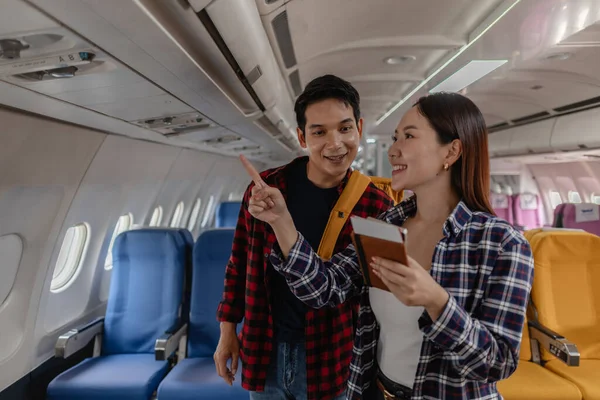
A seat number is more than a place to sit. It can also be tied to a manifest, service records, and in some cases onboard purchases. Flight attendant Leanna Coy said in a viral account that if a swapped passenger later misbehaves, “my name is gonna be on the manifest.”
She also described a separate concern on a United flight: a payment method linked in the airline app could be accessible through the occupied seat number. After asking a crew member whether the new occupant could charge purchases, she said the answer was, “Oh, yeah. Technically, they do.” That does not make every seat switch risky, but it explains why an informal swap can create complications that are invisible to most passengers.
6. The request that ignores operational or safety constraints
Not every open seat is operationally interchangeable. According to airline contracts of carriage, airlines retain broad authority to change seat assignments, and crew-directed moves may happen for family seating, caregiver needs, employee placement, or safety reasons.
There is also the issue of aircraft balance. On some flights, especially smaller aircraft, where passengers sit matters. Ocampo noted that weight and balance issues can limit when moving seats is allowed. A request that seems like a minor comfort upgrade to one traveler can interfere with calculations the crew and pilots are actively managing.

7. The last-minute family request that should have been handled earlier
This is the most delicate category because it often involves children, and flight attendants are usually sympathetic to the goal of keeping families together. Still, on a full flight, a last-second scramble can create a ripple effect across several rows.
Some crew members draw a hard line on one point: other passengers should not be bullied into solving poor planning. At the same time, family-seating issues can become more urgent when a young child is separated from a parent. That is why these requests are best handled through the airline or gate staff before boarding whenever possible, rather than turning the cabin into a negotiation zone once everyone is seated.
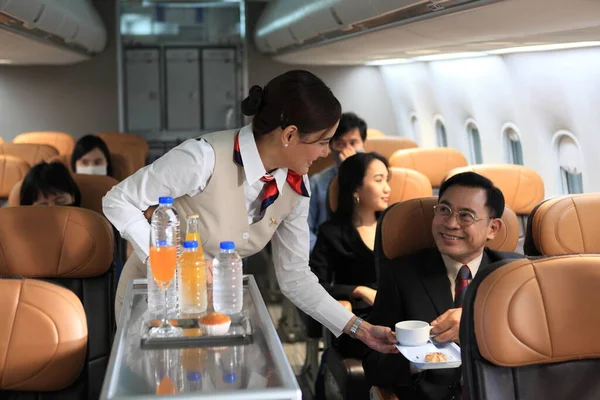
The requests flight attendants dread most are rarely about kindness itself. They are about timing, fairness, and the extra work created when a simple favor collides with rules, records, and a packed cabin. On full flights, the smoothest swaps tend to share the same traits: they are comparable, politely asked, quickly resolved, and approved before anyone moves. Everything else can turn one seat into a much bigger problem.


