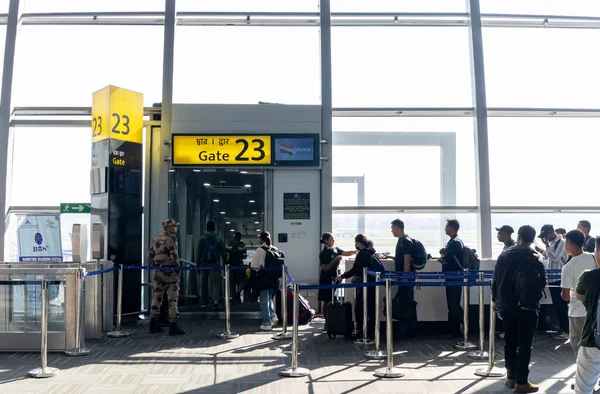
Boarding rarely slows down because of one dramatic moment. More often, the hold-up comes from a string of small carry-on habits that create bottlenecks at the gate, in the jet bridge, and once passengers step into the aisle.
Former gate agents and flight attendants describe the same pattern over and over: passengers who are not quite ready, bags that do not fit the space, and items that should have been sorted before boarding even begins. These are eight carry-on habits that quietly drag out the process for everyone behind them.

1. Digging for a boarding pass at the scanner
One of the fastest ways to stall a boarding line is reaching the podium and only then starting to unlock a phone, search an app, or shuffle through a bag for ID. A former gate agent told Travel + Leisure that even five seconds per passenger adds up quickly on a full flight, especially when hundreds of people are moving through a narrow checkpoint. Gate staff consistently urge passengers to have documents ready before stepping forward. That means a boarding pass open and scannable, with identification easy to reach if needed. The delay is small in isolation, but multiplied across a cabin, it becomes a real drain on departure time.
2. Treating the gate like a last-minute packing station
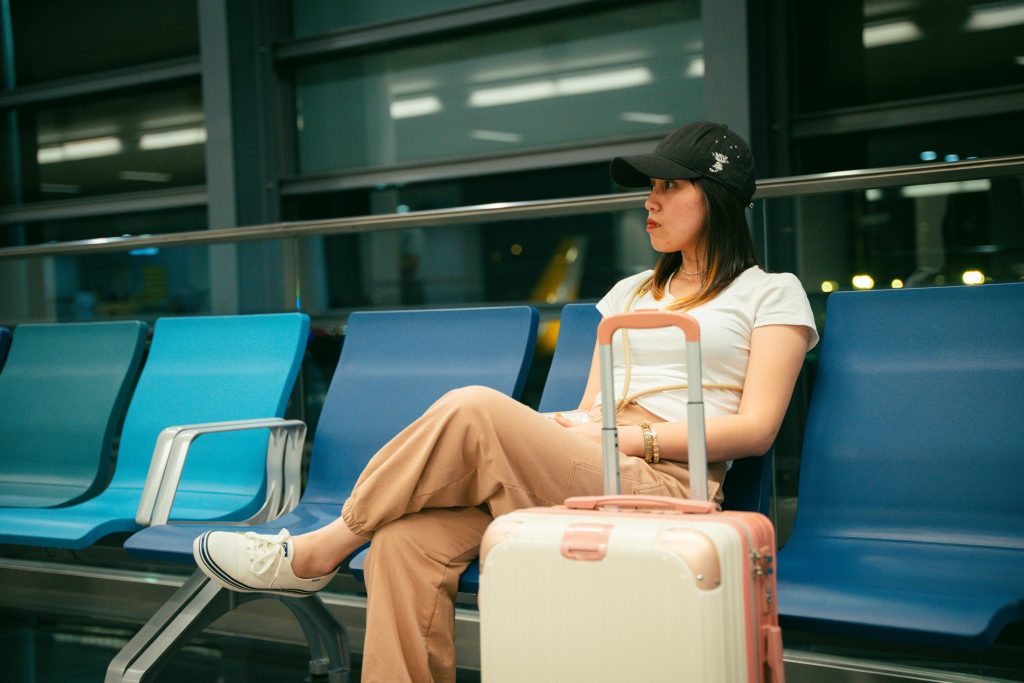
Repacking at the gate tends to create confusion before boarding even starts. Travelers often begin consolidating shopping bags, moving chargers, stuffing jackets into carry-ons, or rearranging snacks just as their group is called. That scramble usually continues into the doorway of the aircraft. According to flight crew members who described common pre-boarding delays, last-minute bag adjustments are a repeat source of bottlenecks. A carry-on that is packed and closed before boarding moves through the process far more smoothly than one that still needs editing.
3. Bringing a carry-on that is too big, too full, or too heavy
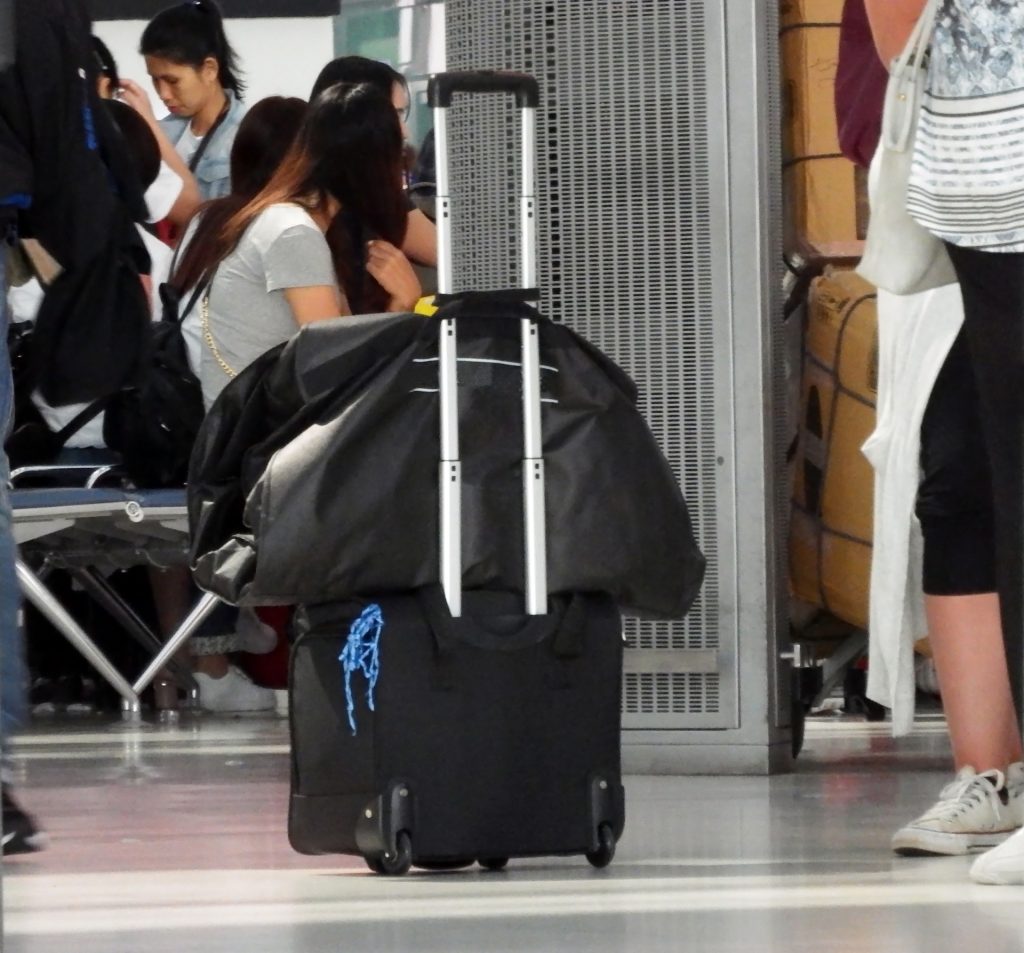
Oversized bags create delays twice: first at the gate, and then again at the overhead bin. If a suitcase does not fit the sizer or has been overpacked to the point that it loses flexibility, agents may need to intervene, print tags, or start gate-check procedures. Weight matters, too. Travel + Leisure noted that on flights that are more than 80 percent full, gate agents often have to seek volunteers to check carry-ons because overhead bins fill quickly. Crew members also stress that passengers should be able to lift their own bags. Asking attendants to hoist a heavy suitcase slows boarding and adds to a known injury risk for flight crews.
4. Stopping in the aisle to pull out headphones, snacks, or medicine
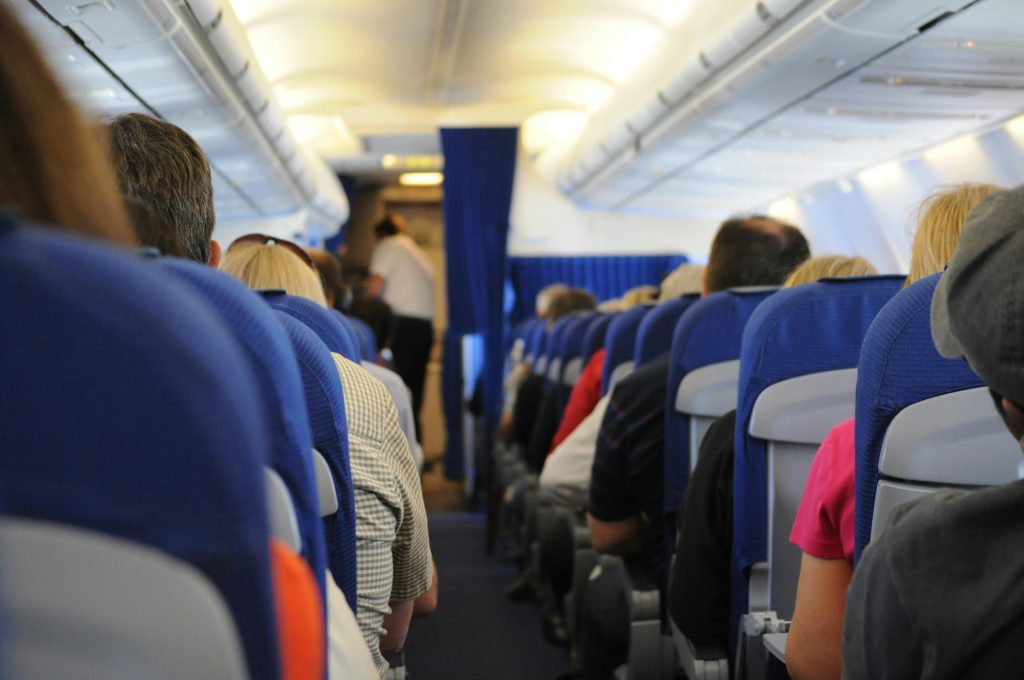
The aisle is not the place to organize in-flight essentials. Yet it happens constantly: a passenger reaches their row, opens the larger carry-on, and starts searching for earbuds, a book, water, or medication while everyone behind them waits. This habit is especially disruptive because it freezes movement in the tightest part of the plane. Flight attendants generally advise keeping anything needed during the flight out of the overhead bin and accessible before takeoff. Essentials that are already in a smaller pouch or personal item keep the line moving and reduce repeated bin openings later.
5. Using overhead bins for everything, including items meant for the seat below
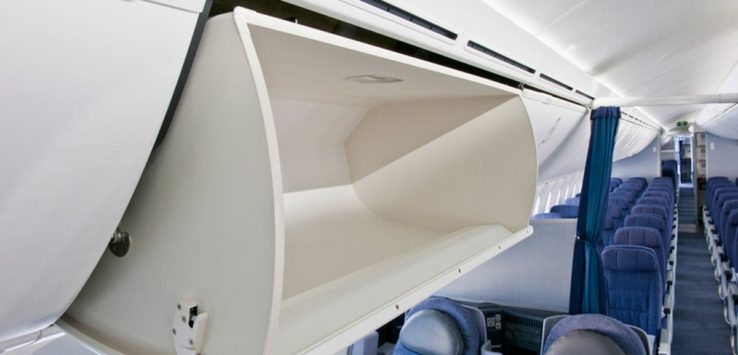
Overhead bins are shared space, not private storage. Crew members repeatedly note that passengers often place purses, small backpacks, and loose personal items overhead simply to free up legroom, which squeezes out room for larger bags. That is where boarding starts to drag. As Condé Nast Traveler explained in its reporting on overhead bin etiquette, once passengers begin searching for remaining space, the odds of a late departure rise because the cabin cannot be secured until everything is properly stowed. Personal items belong under the seat in front whenever possible, particularly during the busiest part of boarding.

6. Stowing bags the wrong way and taking more bin space than necessary
Not every aircraft stores bags the same way, but crew guidance is consistent on one point: the way a bag is placed matters. A poorly positioned suitcase can waste space that would have fit one or two more bags. Delta flight attendant Daniel Compton told Travel + Leisure, “Delta has a wide range of aircraft in our fleet, so there’s not just one right way to stow your bag in the overhead bin as they are all different shapes and sizes.” Play Airlines flight attendant Denise Margrét Yaghi added, “The best way to store your carry-on in the overhead bin is wheels-first and vertically, like a book on a shelf.” When passengers ignore posted directions or crew instructions, bins fill faster and gate-checking begins sooner.
7. Carrying too many loose extras onto the plane
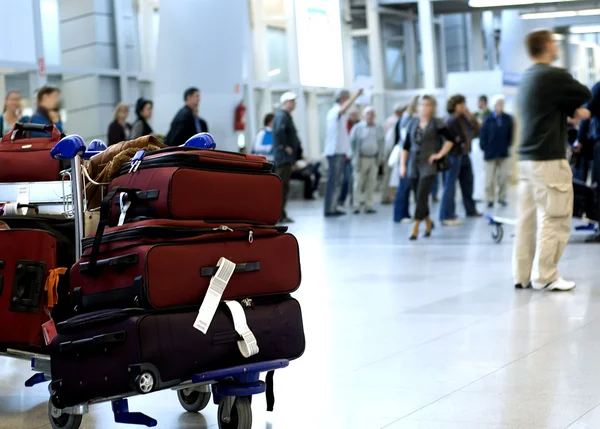
A carry-on, a personal item, a shopping bag, a pillow, a drink, and a jacket may all seem manageable in the gate area. They become much less manageable when boarding starts. Loose extras drop, spill, snag, and force passengers to stop in the aisle while they reorganize. Former gate agents say this is one of the most common slowdowns because it often ends with passengers discovering they have more items than their fare permits. That leads to hurried consolidation at the aircraft door, which holds up everyone behind them. Fewer separate pieces generally means a faster boarding experience.

8. Crowd-waiting near the gate before the zone is called
This habit is not inside the carry-on itself, but it often starts with it. Passengers who gather near the boarding lane early, rolling bags into the path of others, make it harder for the right group to move forward cleanly. Gate agents regularly say that boarding works best when travelers wait until their zone is called and then approach with their bags ready to go. A congested gate area slows scanning, creates uncertainty about line order, and increases the chance that passengers will start sorting belongings in the middle of the crowd.

Most boarding delays linked to carry-ons are preventable. They come from small moments of disorganization, not from rare travel disasters. Passengers who board efficiently tend to do the same few things well: they keep documents ready, limit loose items, store smaller belongings under the seat, and bring a bag they can lift and stow without drama. Those habits do not draw attention, which is exactly why they help the whole cabin move faster.