
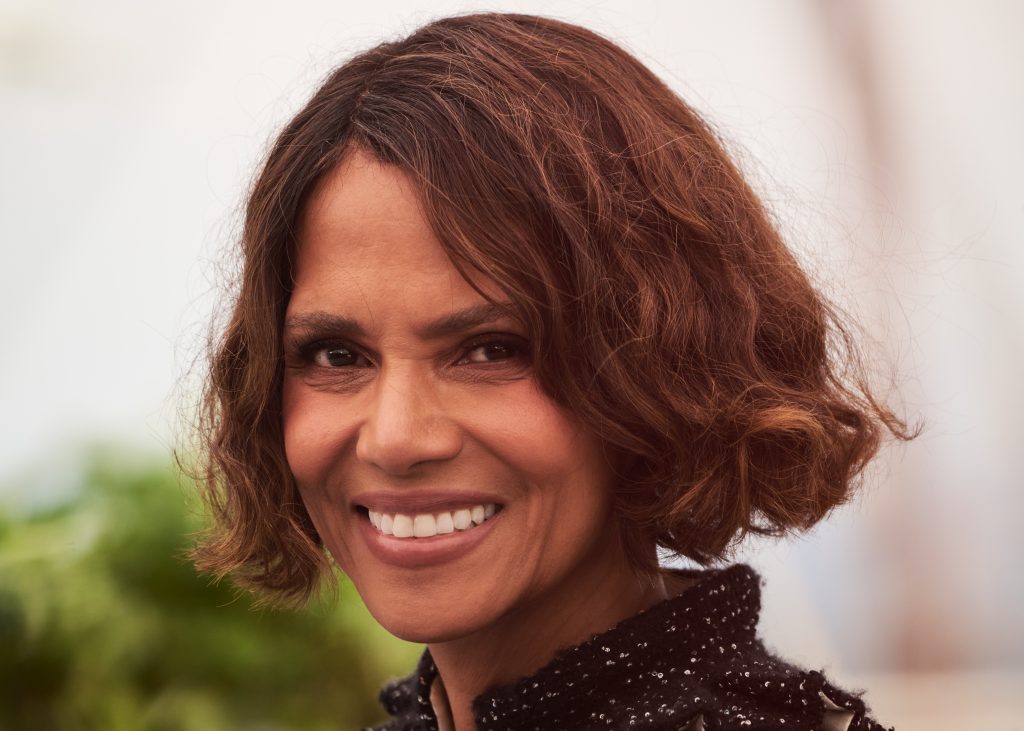
Some casting changes land with little warning but leave a lasting imprint on how audiences read a character, a story, or even an era of screen culture. When darker-skinned Black women are replaced by lighter-skinned, biracial, or white actresses, the change often registers as more than a swap in talent. It changes the visual language of representation.
The pattern has also been measured, not just debated. A Geena Davis Institute study found that nearly 80% of Black female characters had light or medium skin tones, while only 19% of Black leading women in popular films over the prior decade had dark skin. Against that backdrop, several high-profile recastings and adaptations stand out as cultural flashpoints.
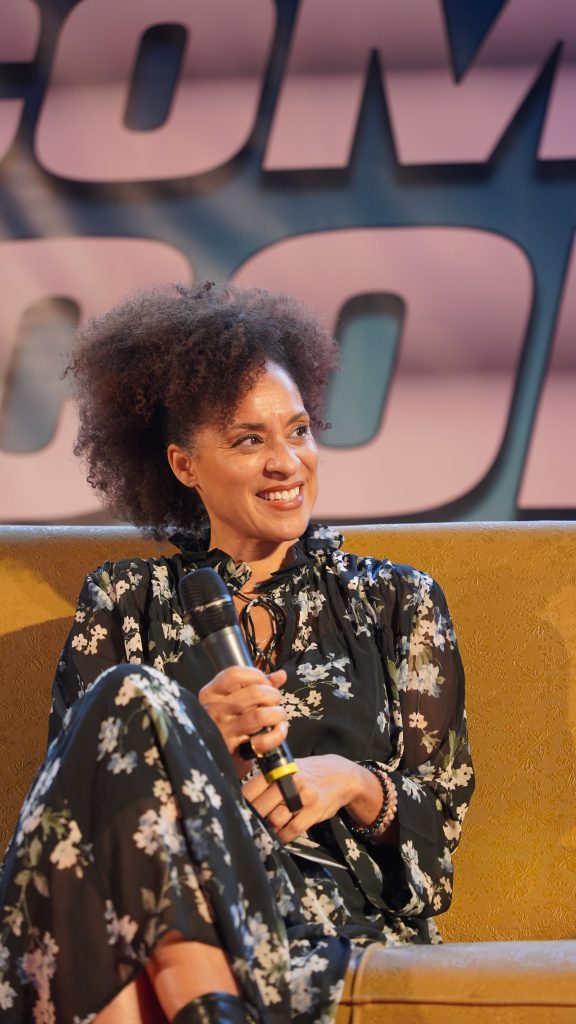
1. Vivian Banks on The Fresh Prince of Bel-Air
Few TV recastings remain as instantly recognizable as the shift from Janet Hubert to Daphne Maxwell Reid. Hubert’s Aunt Viv carried authority, sharp humor, and a commanding presence that many viewers connected with as a dark-skinned Black mother figure on a hit sitcom. When the role changed, the character’s energy changed with it, and audiences noticed both the tonal reset and the difference in complexion. The conversation around the recast never stayed limited to behind-the-scenes conflict. It became one of the clearest examples cited in discussions about how dark-skinned Black women can be treated as replaceable even in beloved, long-running roles.
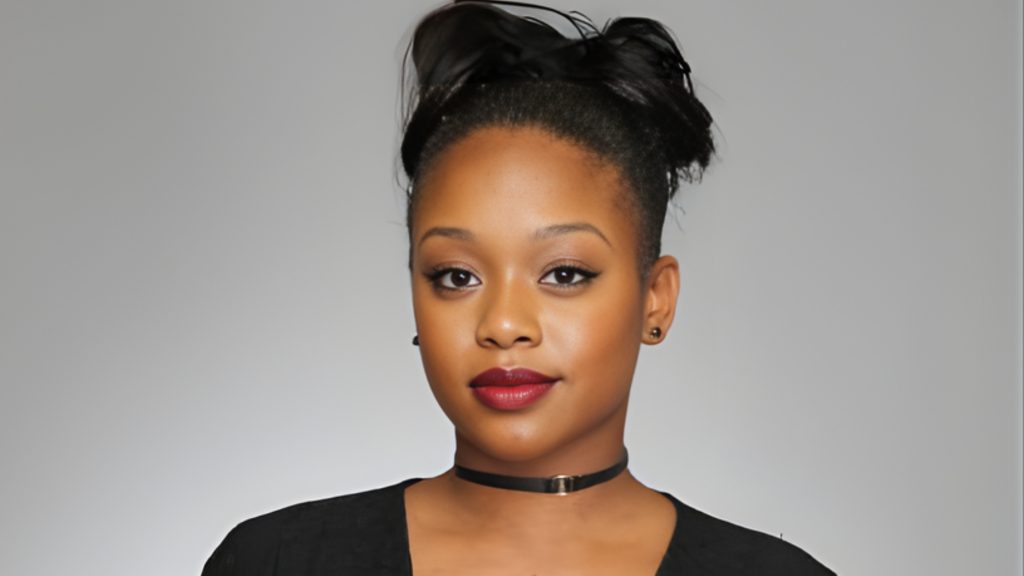
2. Claire Kyle on My Wife and Kids
Jazz Raycole’s Claire Kyle was replaced by Jennifer Freeman after the first season, and the shift did not go unnoticed. The series moved forward without lingering on the visual contrast, but many viewers read the recast as part of a familiar television pattern: the darker-skinned daughter disappears, and a lighter-skinned version takes her place. What made the recasting especially memorable was how quickly it altered the family’s visual balance. In sitcoms built on domestic chemistry, appearance is part of character continuity, and audiences often remember when that continuity is broken.
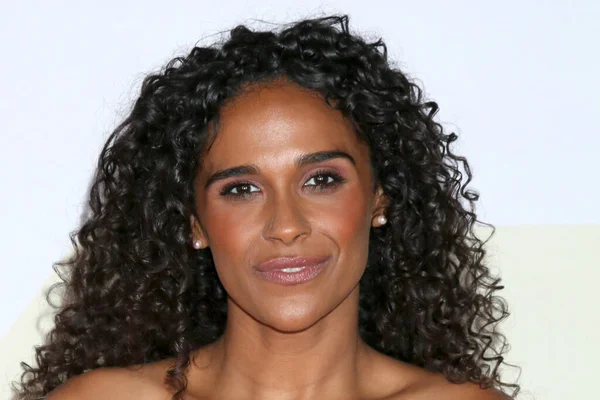
3. Jordan Ashford on General Hospital
Soap operas recast characters regularly, but the replacement of Vinessa Antoine with Briana Nicole Henry brought a more specific conversation into daytime TV. Antoine had defined Jordan Ashford for years, and when a lighter-skinned biracial actress inherited the role, fans immediately discussed how the character’s racial presentation had shifted. That reaction reflected a larger tension in serial television, where a character may stay the same on paper while looking culturally different on screen.
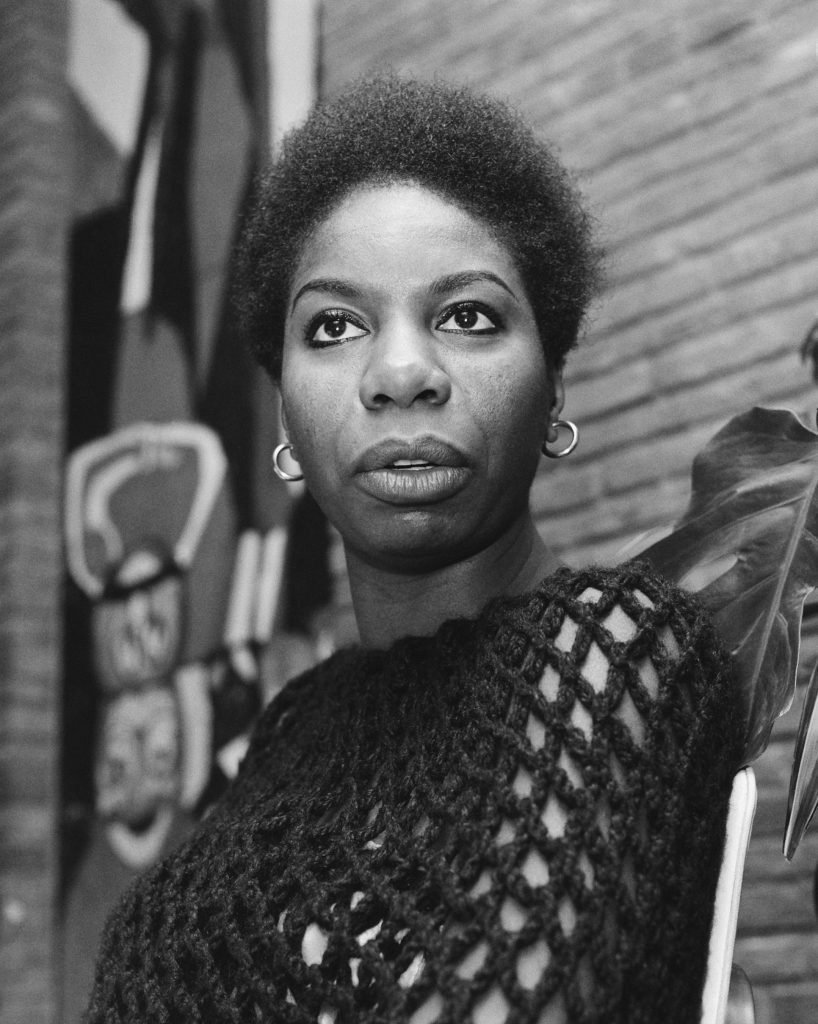
4. Nina Simone in Nina
The casting of Zoe Saldaña as Nina Simone triggered one of the most sustained representation debates of the last decade. Simone’s dark skin and features were not incidental to her public life; they shaped how she moved through the music industry and how she was treated within it. The production’s use of darker makeup and prosthetics intensified criticism rather than quieting it. Years later, Saldaña publicly addressed the backlash, saying, “I should have never played Nina” in a 2020 interview discussing the role. The quote endured because it acknowledged what many critics had argued from the start: some stories lose specificity when colorism is treated as cosmetic.
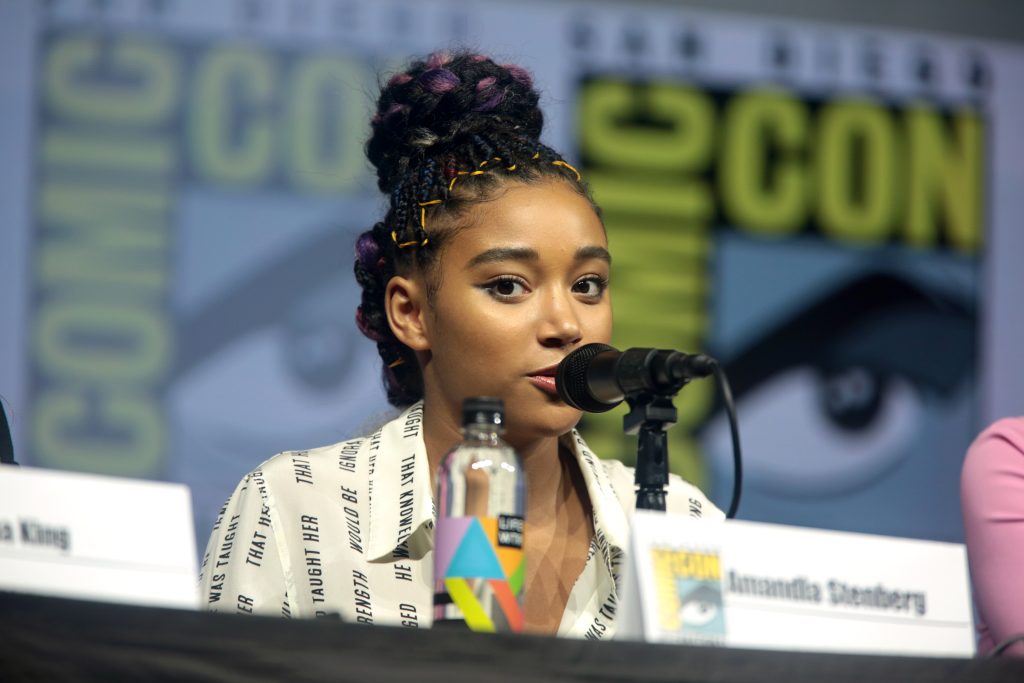
5. Starr Carter in The Hate U Give
Angie Thomas wrote Starr Carter as a dark-skinned Black girl, and that detail mattered to many readers because color affects how Black girls are seen, judged, and protected. The film cast Amandla Stenberg, whose performance earned praise, but the adaptation still drew criticism for changing the heroine’s visual identity. This case stayed complicated rather than simple. The issue was not performance quality. It was whether an adaptation can preserve a character’s social meaning after changing one of the traits that helped define how she moves through the world.
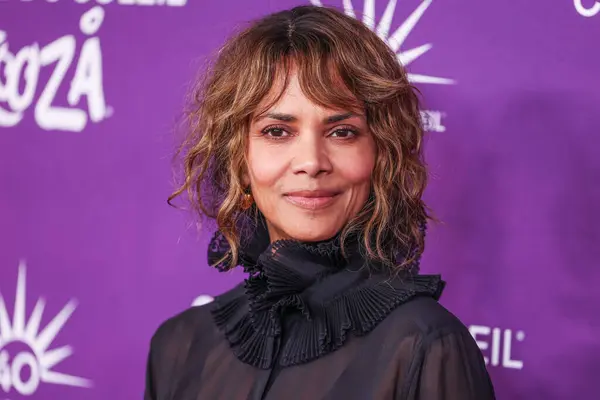
6. Storm in the X-Men films
For a generation of moviegoers, Halle Berry became Storm. For many comic readers, however, the casting represented a long-running Hollywood habit: a dark-skinned African heroine reaches the screen in a lighter form. Storm’s Kenyan identity and visual design were central to her status in comics, and the films gave audiences a version that was easier for the industry to package. The character’s popularity did not erase the underlying question. It simply made it easier to overlook.
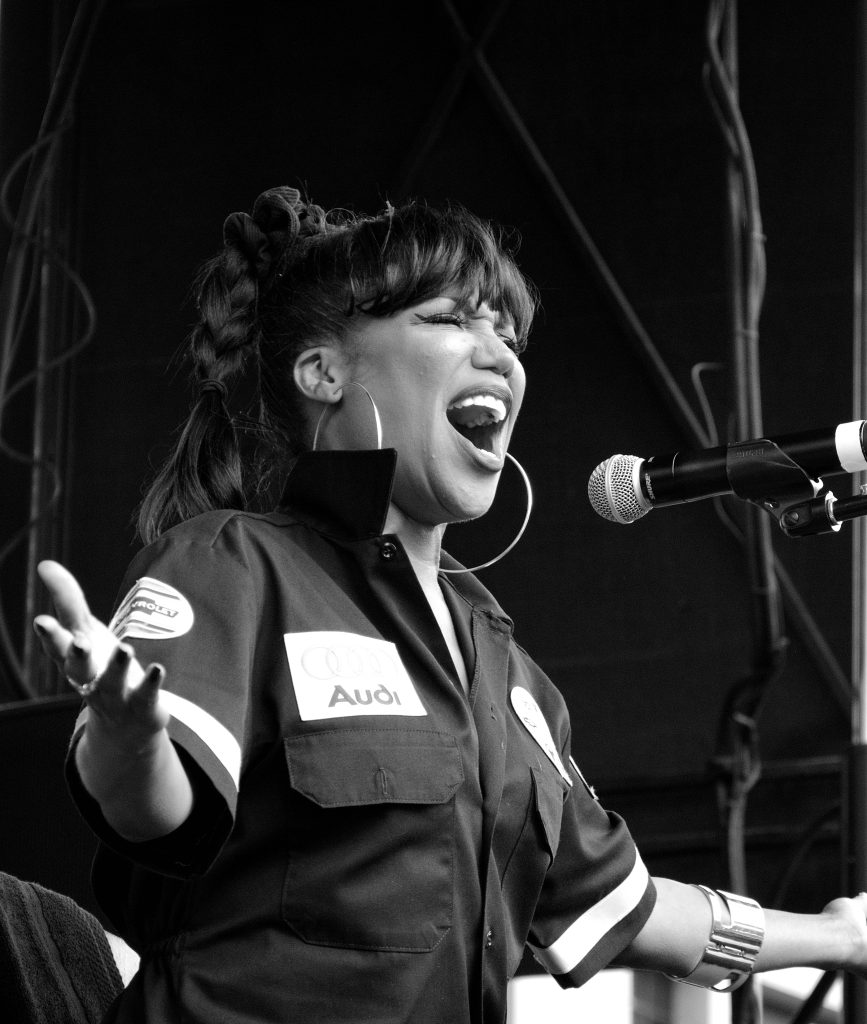
7. Michel’le in Straight Outta Compton
Biopics often claim authenticity, which is why casting choices in them can feel especially charged. Michel’le, a real singer with a distinctly darker complexion, was portrayed by Rhyon Nicole Brown, and critics saw the choice as another example of history being subtly lightened in retelling. That concern extends beyond one film. The National Museum of African American History and Culture notes that lighter-skinned Black actors were often preferred for prominent roles, a practice with deep roots in Hollywood’s image-making machinery.
8. Julie and Pinky in classic Hollywood dramas
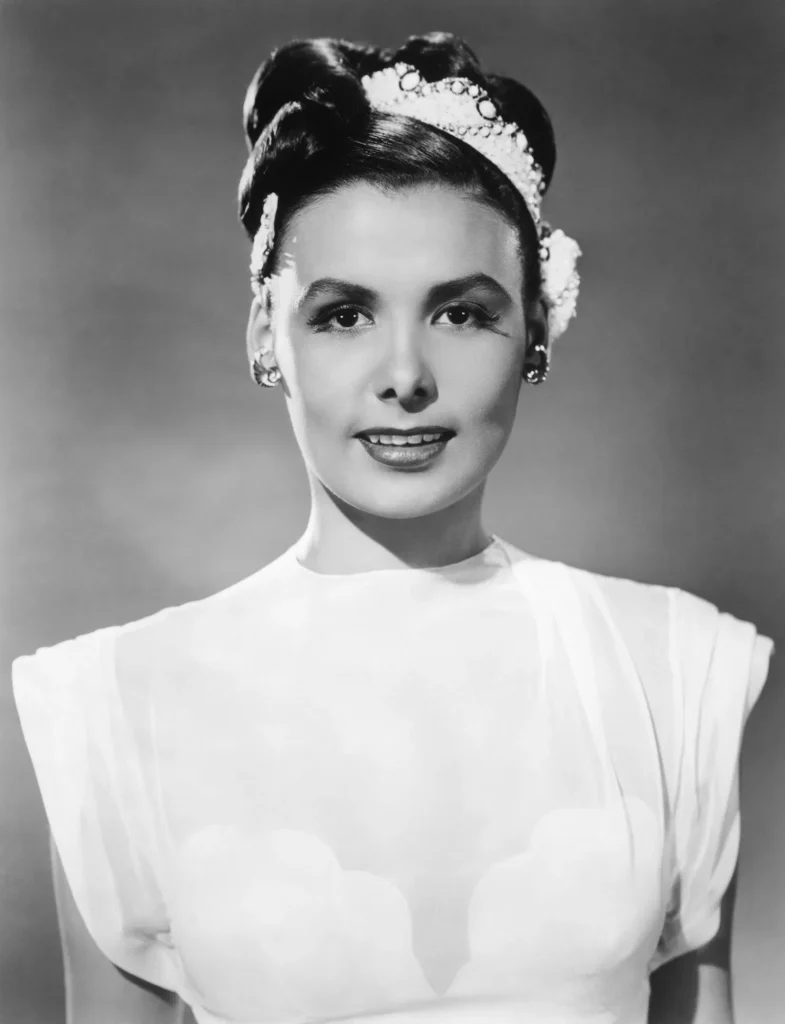
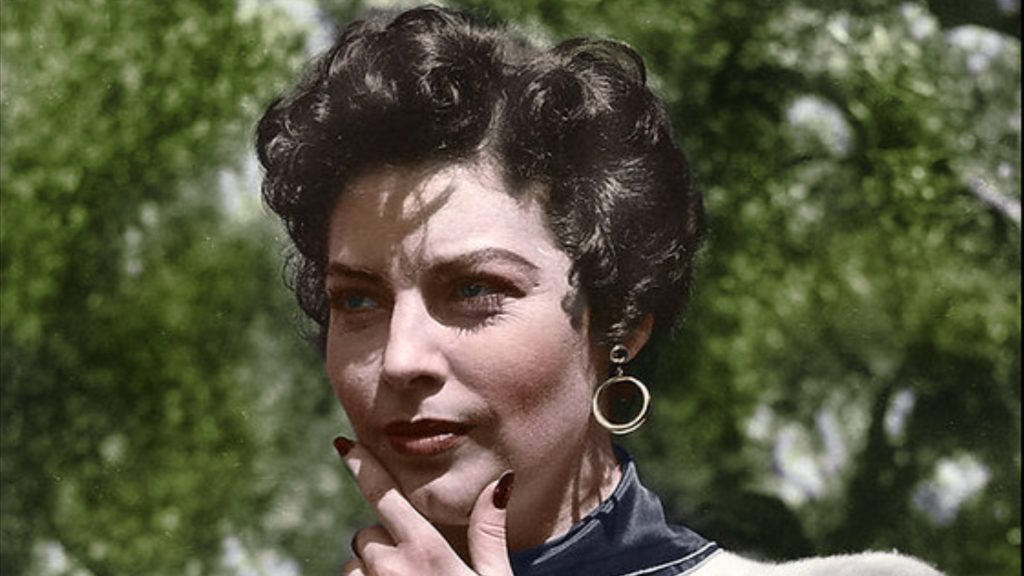
Long before modern franchise debates, studio-era films were already building this pattern into canon. In Show Boat, Lena Horne campaigned for Julie LaVerne, a mixed-race character, but the role went to Ava Gardner in darkened makeup. In Pinky, a Black woman passing for white was ultimately played by Jeanne Crain rather than a Black actress. These were not isolated choices from a distant past. They helped establish an old Hollywood logic in which Black identity could be central to the story while Black actresses remained excluded from embodying it.
The pattern matters because casting is never only about who gets the job. It shapes which faces become familiar, which kinds of Black womanhood are treated as marketable, and which identities are quietly edited out of mainstream memory. Even the business case has moved in the opposite direction. UCLA’s latest diversity research found that films with casts that were 41–50% BIPOC performed best across several categories, reinforcing that fuller representation is not a niche concern. Audiences have already shown they can recognize themselves in a broader screen picture.


