
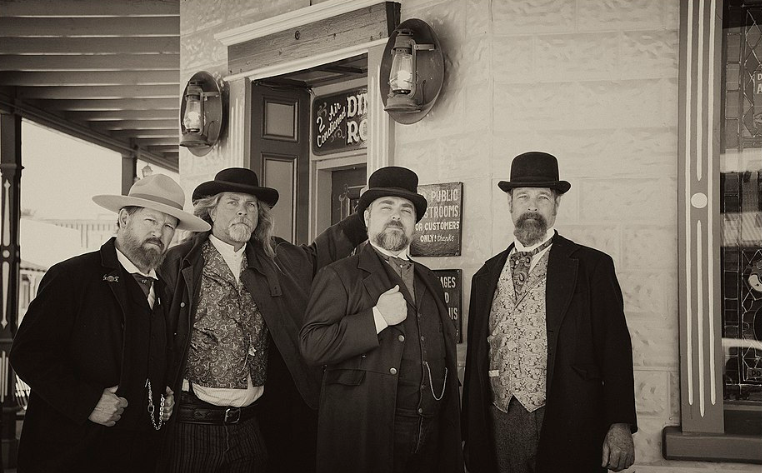
The American West has long been staged as a place of noon duels, fearless outlaws, and men who lived by reflex alone. The surviving record tells a stranger story. Reputation often mattered as much as marksmanship, and fame could spread faster than facts.
That is what keeps certain frontier figures alive in cultural memory. Their names endured not because their stories were simple, but because each life kept slipping free of the version that later novels, films, and biographies tried to fix in place.
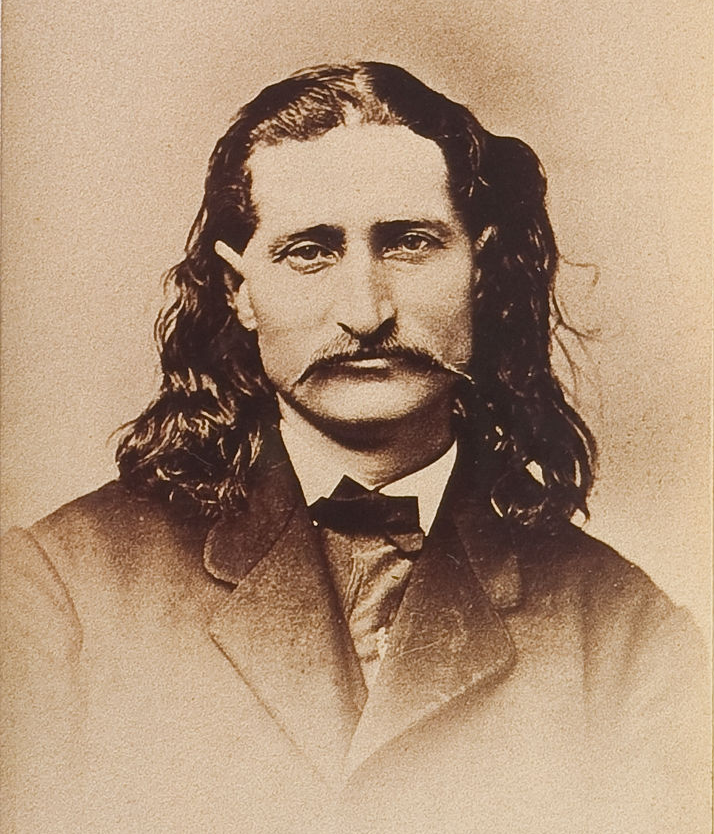
1. Wild Bill Hickok
Hickok remains tied to one of the West’s most famous public shootouts: the 1865 clash with Davis Tutt in Springfield, Missouri. What made it memorable was not theatrical speed but distance and control. Accounts place the men roughly 75 yards apart, a detail that makes the encounter look less like a movie draw and more like a test of nerve and aim.
His image as the model gunfighter also fits Wyatt Earp’s later remark that “Whoever won at gunplay most often was the man who did it slow.” Hickok’s reputation was built on exactly that quality. Even later writers who argued that such street confrontations were rare still treated the Hickok-Tutt fight as a defining example of deliberation over flourish. The story grew larger after court proceedings and a coroner’s report helped separate witness testimony from the legend that hardened afterward.
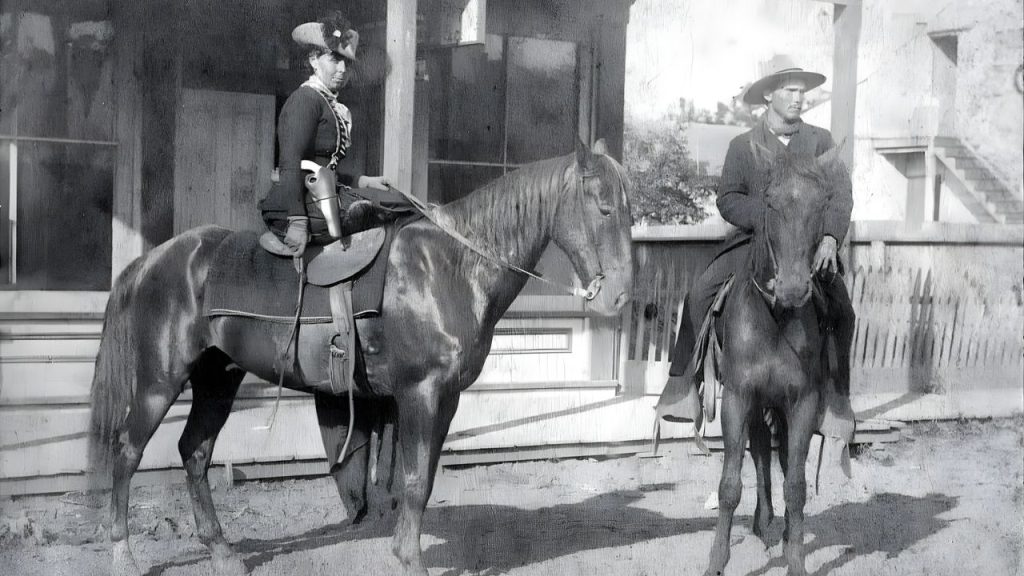
2. Belle Starr
Belle Starr became famous in a way that now feels strikingly modern: image first, certainty later. After she was killed near her Oklahoma home in 1889, the unresolved question of who murdered her gave later storytellers a wide opening. The public got a “bandit queen,” dressed in black velvet and plumed hats, whether the evidence supported such neat packaging or not.
Her afterlife says almost as much about national appetite as it does about frontier crime. Distant readers wanted glamour, danger, and a woman who could be marketed as a challenge to social order. The result was a persona that outlasted the patchier historical record beneath it.
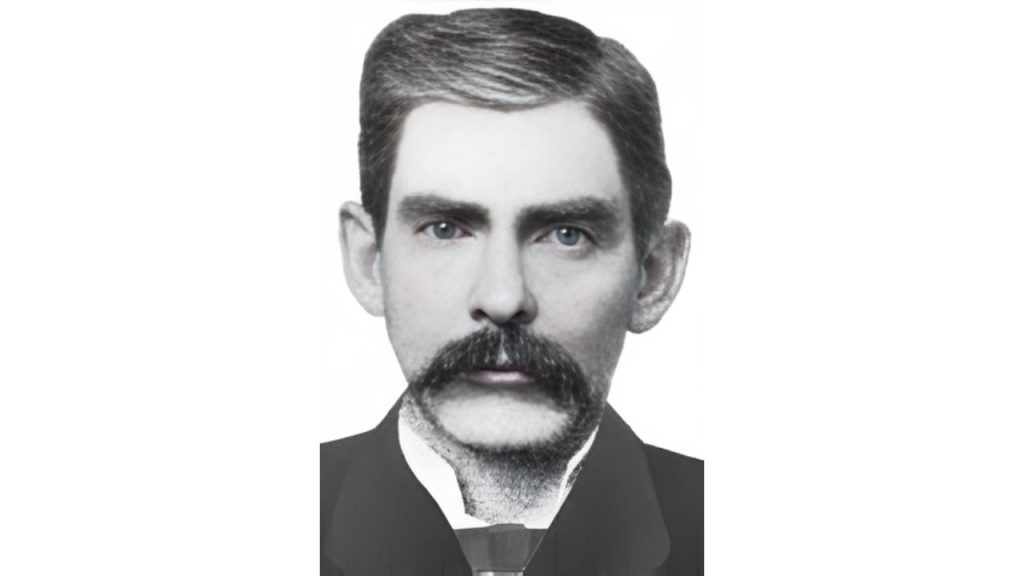
3. Doc Holliday
Holliday never fit a single type. He trained as a dentist, moved west as tuberculosis worsened, and made his living in gambling rooms where respect and volatility often sat at the same table. People who saw him up close described someone unexpectedly slight and neat, not the heavy-built menace of later fiction.
His place in history fused permanently with the Earps in Tombstone. The 1881 fight near the O.K. Corral, which allegedly lasted only 30 seconds, was brief enough to become legend and chaotic enough to resist simplification. Contemporary descriptions emphasize that it was not a ceremonial duel at all. More than 30 shots were said to have erupted in a compressed burst, leaving behind one of the clearest reminders that the most famous gunfights of the West were often cramped, sudden, and confused.
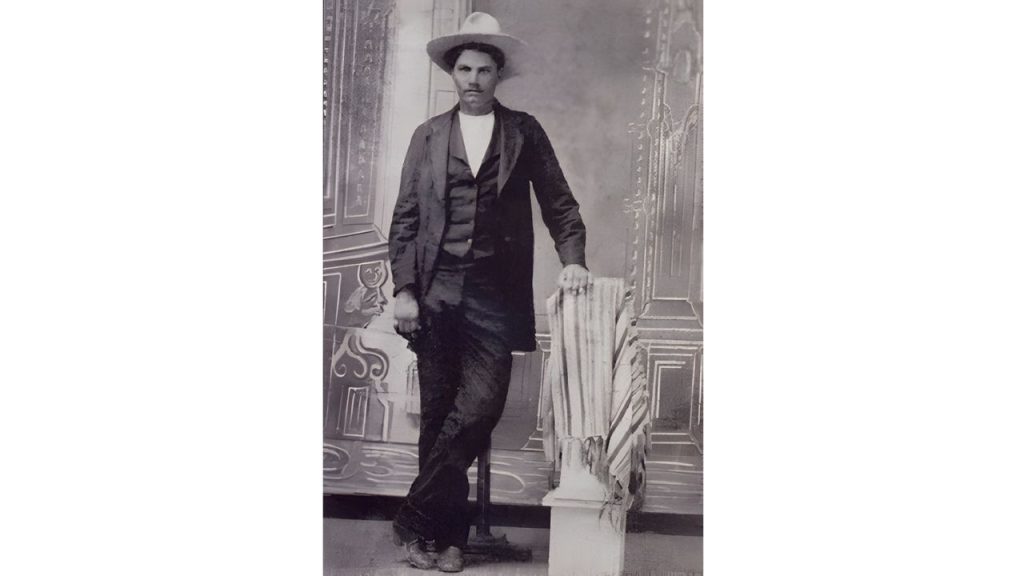
4. John Wesley Hardin
Hardin spent part of his life writing his own mythology. He claimed to have killed more than 40 men, while historians have often placed the number closer to about 20. That gap is not a minor quibble. It shows how frontier notoriety could be self-authored, especially by someone who understood that fear had practical value.
He was the son of a Methodist minister, later studied law, and attempted a more respectable identity after prison. None of that erased the violence attached to his name. His death in an El Paso saloon, shot from behind, also stripped away the romantic duel that later memory often tries to impose on the period.
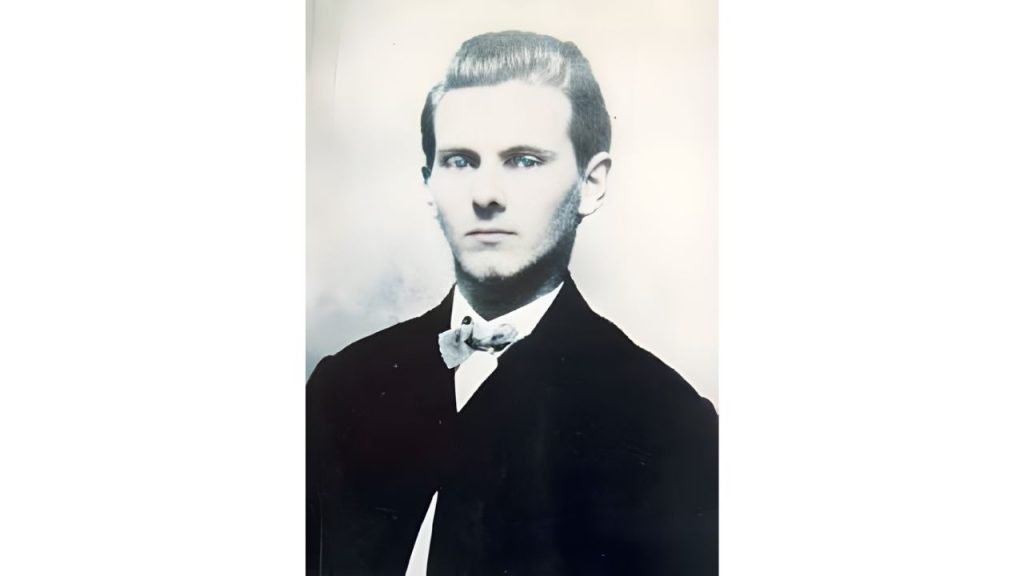
5. Jesse James
Jesse James became one of the West’s clearest examples of narrative distortion. He robbed banks and trains, but popular storytelling often painted him with the colors of rebellion and grievance rather than criminal profit. The folk-hero version proved durable because it converted theft into symbolism.
His death cut sharply against that heroic framing. Robert Ford shot him from behind, turning the end of James’s life into another lesson in how western fame worked: a feared outlaw could become even more useful to the culture as a dead legend than as a living man.
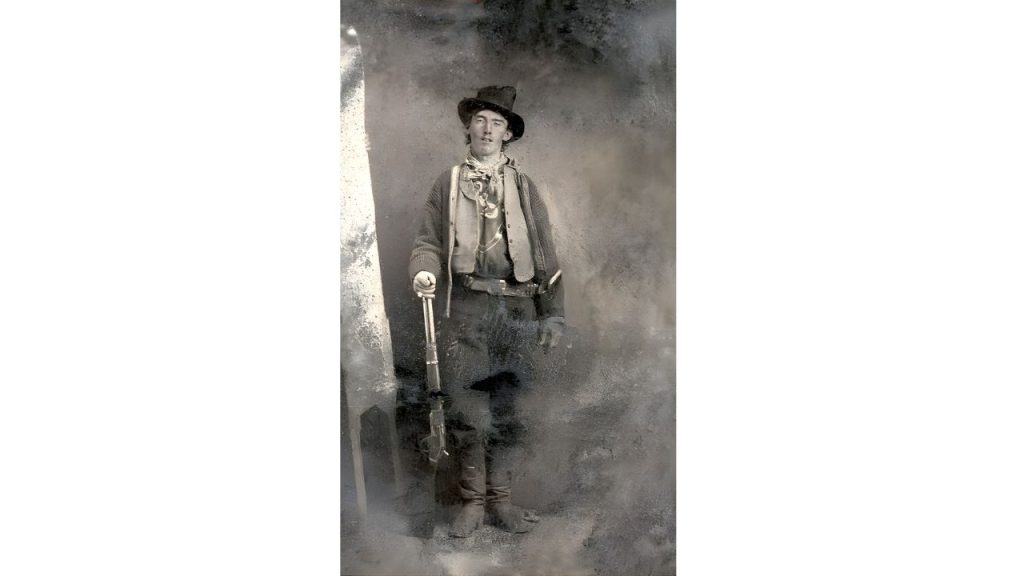
6. Billy the Kid
Billy the Kid may be the purest example of the gap between legend and evidence. He claimed to have killed 21 men, but major historical references place the real count likely less than 10. He was young, mobile, and repeatedly renamed Henry McCarty, Kid Antrim, William H. Bonney which only made him easier to mythologize.
His death in Fort Sumner did not settle the matter. Pat Garrett’s account fixed the scene in darkness and uncertainty, and later claimants kept trying to step into Billy’s identity for decades. Even a single tintype and one dramatic escape from jail were enough to keep expanding the story long after the person himself was gone.
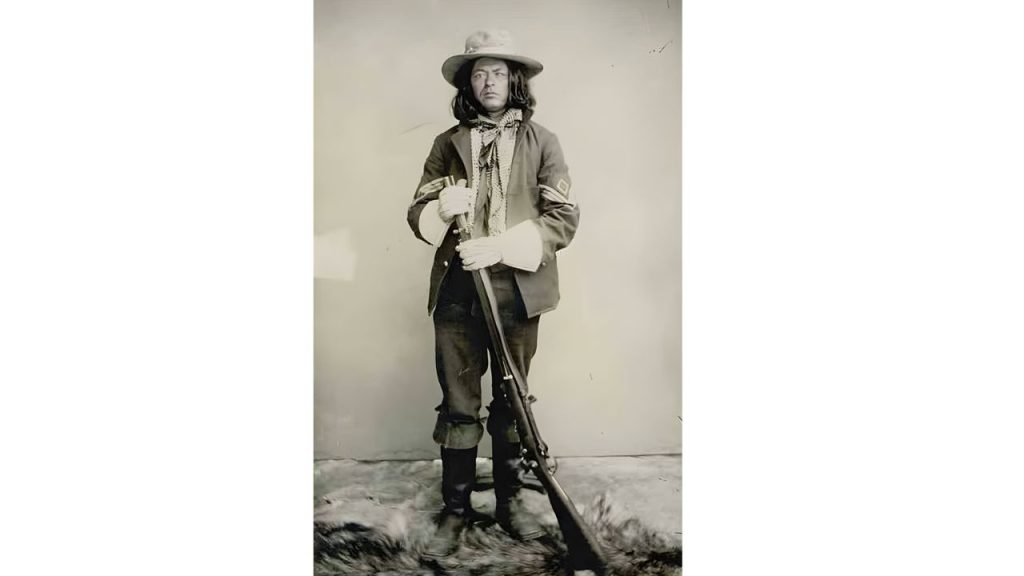
7. Tom Horn
Horn’s life points to a less romantic side of western violence: paid enforcement. He worked as a scout and tracker before becoming closely associated with the cattle conflicts of the 1890s, where economic interests could hire armed men to do dangerous work at a distance from public accountability.
He was convicted in the killing of 14-year-old Willie Nickell, a case that remained controversial because it mixed confession, disputed evidence, and powerful local motives. One line attributed to Horn before trial still shadows his story: “If I get killed now I have the satisfaction of knowing I have lived about 15 ordinary lives.” It reads as both boast and warning.
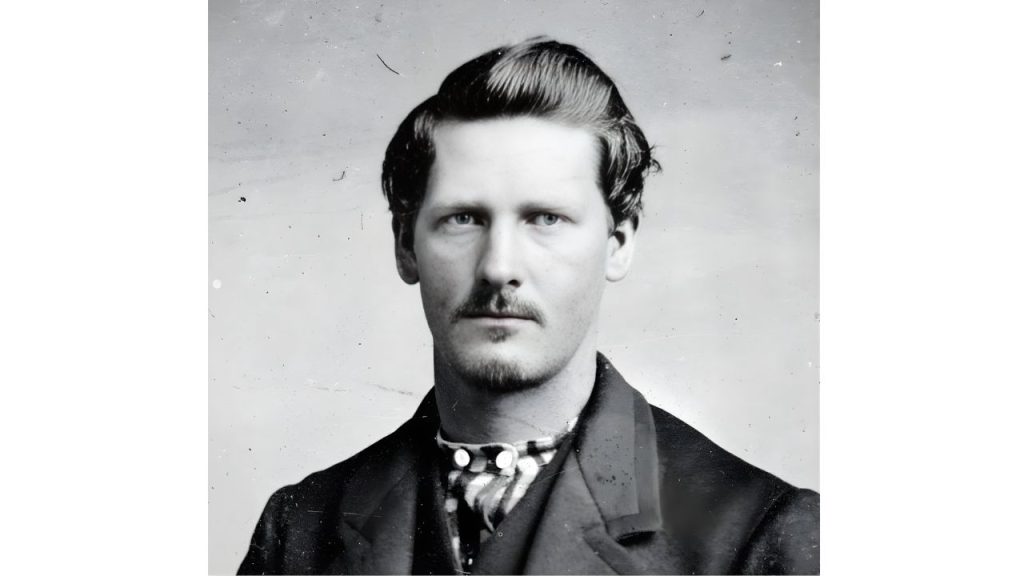
8. Wyatt Earp
Earp often stands just outside the gunfighter list and above it at the same time, less a single man than a machine for producing western legend. His real biography was far less tidy than the marble version. He worked at different times as a gambler, saloonkeeper, lawman, and even, according to a later reference account, a confidence man.
The first major biography, published in 1931 with Earp’s collaboration, helped cement an enlarged portrait of the fearless frontier marshal. Yet the actual record includes arrests, family feuds, business ventures, and the reality that at Tombstone his brother Virgil may have played the more central role. Earp lasted in memory because he understood what others learned too late: in the West, surviving the gunfight was only half the contest. Surviving the story was the rest.
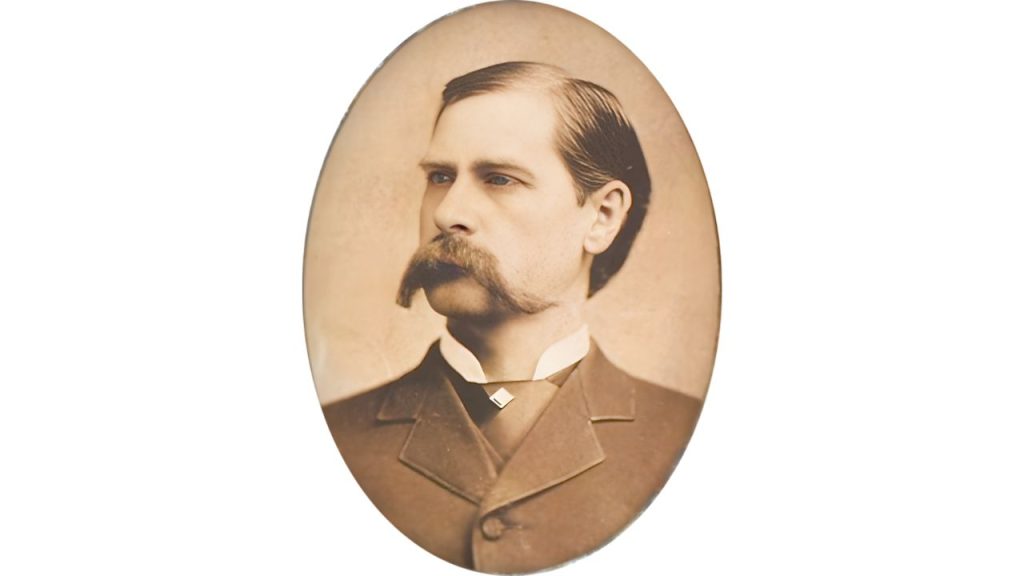
Across these lives, the most revealing pattern is not the showdown itself but the aftermath. Court records, memoirs, ghostwritten books, newspaper embellishment, and film all kept revising what the public thought it knew.
The Wild West still grips the imagination because it produced both danger and storytelling in the same breath. These figures endure not as fixed heroes or villains, but as examples of how quickly a human life can harden into myth and how stubbornly the record keeps pushing back.


