
Church life can be full, structured, and outwardly faithful while something quieter erodes underneath. A congregation may keep its schedule, protect its traditions, and maintain its language of devotion, yet still drift toward habits that train people to lean more on effort, image, and control than on God.
That drift rarely begins with open rebellion. It usually appears in respectable patterns: routines that look mature, leadership instincts that seem practical, and spiritual habits that continue externally even after dependence has weakened internally.
1. Treating activity as proof of spiritual health
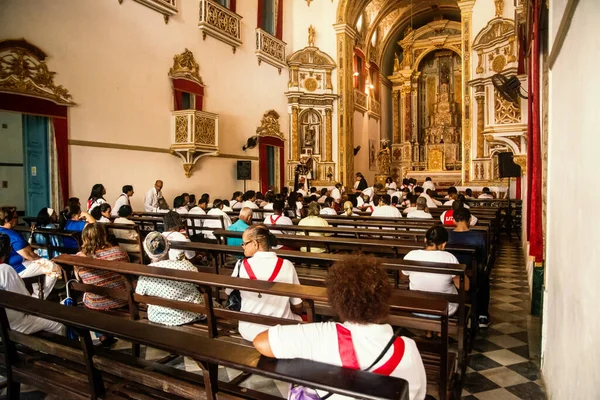
Busy churches often look strong from the outside. Calendars fill up, volunteers stay moving, and leaders become skilled at keeping momentum alive. Yet constant motion can hide a thin prayer life and a shrinking sense of need.
When activity becomes the measure of faithfulness, trust shifts from God’s presence to human output. Ministry starts to reward stamina more than surrender. Over time, people begin to believe that if enough programs are maintained, spiritual life will take care of itself.
2. Planning everything while praying as an afterthought
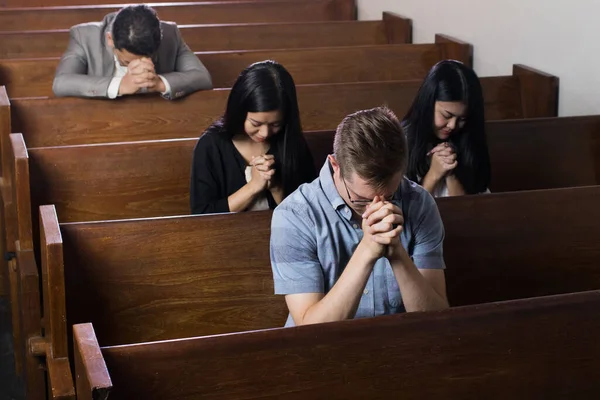
Good planning is not the problem. The deeper issue appears when prayer becomes ceremonial while confidence settles on strategy, experience, and management. That pattern reflects the pull of self-reliance.
Scripture warns that strength, systems, and visible resources can become false hopes. A church can build carefully, assign wisely, and troubleshoot quickly while rarely pausing to seek God with real dependence. In that environment, prayer remains present in language but absent in function.

3. Hearing sermons without practicing what is heard
Regular exposure to biblical teaching can create the illusion of growth. Listening, note-taking, and discussing truth are all valuable, but they do not replace obedience.
When churches normalize hearing without applying, knowledge begins to serve pride rather than love. People may become fluent in discernment, doctrine, and spiritual vocabulary while remaining untouched in daily conduct. What should lead to humility instead becomes a shield against it.

4. Critiquing others more than examining the heart
This habit often hides behind discernment. A church may become quick to identify weaknesses in other congregations, leaders, or members while remaining slow to confess its own sins. That spirit closely resembles what some writers describe as finding fault with others.
Pride makes other people’s failures feel clearer than personal ones. Once that pattern settles in, the community becomes sharper in judgment than in repentance, and trust quietly moves from God’s mercy to personal correctness.
5. Valuing public appearance over hidden holiness
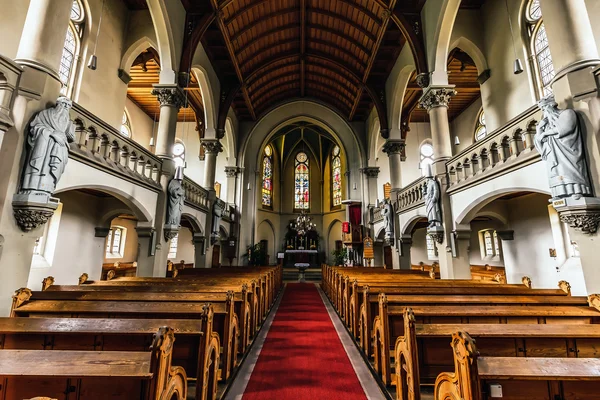
Church culture can become heavily shaped by what is seen: platform strength, polished language, visible service, and external composure. People learn what earns approval, and unseen faithfulness starts to lose value. Private prayer, secret repentance, and quiet integrity then seem less urgent than public usefulness.
A person may guard reputation carefully while neglecting the inner life. That kind of spiritual imbalance does not usually collapse all at once; it hollows trust out gradually.

6. Letting spiritual disciplines become mechanical
Routine is helpful until it becomes lifeless. Bible reading, prayer, worship, and attendance can continue with little attentiveness, little expectancy, and little affection. Many Christian leaders have described the danger of a faith that becomes routine.
The problem is not repetition itself but repetition without engagement. When church habits are performed mostly because they are familiar, trust can quietly migrate from the living God to the comfort of religious predictability.

7. Rewarding certainty more than humility
Some church environments treat confidence as the same thing as maturity. Quick answers, strong opinions, and unbending tones receive admiration, while questions, slowness, and humility appear weak. But spiritual maturity does not grow from self-assurance alone.
A community that cannot admit limits often becomes resistant to correction. In that setting, people stop leaning on God for wisdom and begin leaning on their own settled impressions.

8. Staying isolated behind respectable participation
It is possible to attend faithfully and still remain unknown. Many people sit in services, sing, serve, and speak kindly while never inviting honest accountability into their lives. Isolation protects image but weakens trust.
Without truthful relationships, hidden sins grow, discouragement deepens, and self-deception becomes easier. Churches that prize attendance without genuine fellowship may look connected while many members quietly carry their burdens alone.

9. Depending on human strength when pressure rises
Pressure reveals where trust actually rests. In difficult seasons, churches often move instinctively toward fixes: stronger messaging, tighter systems, more urgent effort, or visible restructuring. Some of those responses may be necessary, but they can also expose what the heart believes will save it.
When trouble comes, people learn what they trust most. If the first instinct is always control rather than dependence, the church slowly trains itself to believe that survival comes from talent, urgency, and adjustment rather than from God. That habit may look responsible, but it forms a community that is quick to prepare and slow to pray. These habits rarely announce themselves as unbelief. They usually appear respectable, practical, and even productive. That is why they are dangerous.
A healthy church does not reject planning, structure, teaching, or routine. It simply refuses to let those things take God’s place. Trust remains alive where humility stays near, repentance stays honest, and dependence is more than a sentence spoken aloud.