Franchises are built on familiarity, but Hollywood has never treated continuity as sacred when negotiations collapse or a set turns hostile. A breakout role can turn into a long-running payday, then disappear between one installment and the next when studios decide a replacement is easier than another round of conflict.
That pattern has played out across superhero films, sitcoms, prestige dramas, and legacy franchises. In some cases the break came down to money. In others, public behavior, legal trouble, or a reputation for being difficult changed the calculation overnight.
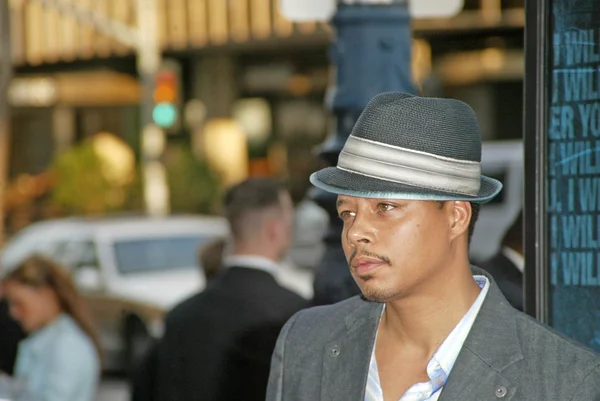
1. Terrence Howard lost War Machine just as Marvel was expanding
Howard entered Iron Man as one of its highest-paid cast members, but the sequel became an early example of how hardline franchise math works. He later said Marvel cut a promised payday down to one-eighth of the original figure, telling him the movie would succeed with or without him. Don Cheadle then took over James Rhodes and stayed with the character for years.
The dispute never settled into one clean version. Howard insisted the studio changed the terms, while industry coverage also pointed to Marvel wanting his pay reduced after he was paid significantly more than other cast members on the first film. Whatever the internal politics, the recast stuck immediately and permanently.

2. Edward Norton’s Hulk run ended before the Avengers era
Norton’s time as Bruce Banner was short, but the fallout became part of Marvel lore. Reports around The Incredible Hulk pointed to clashes over tone, editing, and the final cut, with Norton favoring a darker and longer version than the studio wanted. When Marvel moved toward The Avengers, it chose Mark Ruffalo instead.
Kevin Feige’s statement made the split unusually blunt, saying the studio wanted someone who embodied a collaborative spirit. That public wording turned a routine recast into an industry signal about how franchise studios value alignment as much as star power.
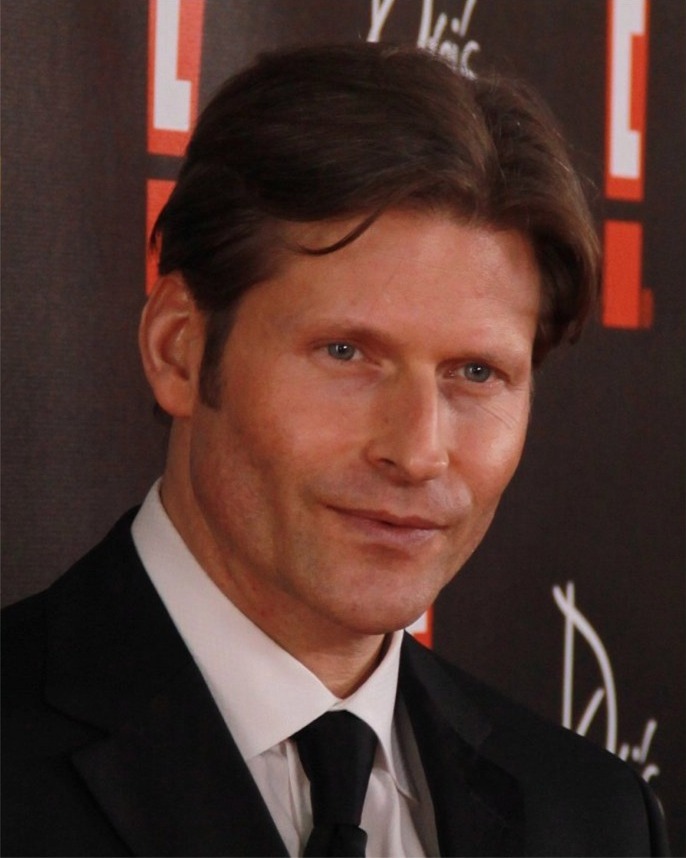
3. Crispin Glover turned a sequel exit into a landmark likeness case
Glover did not return as George McFly in Back to the Future Part II after a contract dispute and disagreements over the script. The production hired Jeffrey Weissman, then used prosthetics and old visual material to make the replacement resemble Glover as closely as possible.
The aftermath mattered beyond one film. Glover sued, and the case helped push broader protections around using an actor’s likeness without permission. What looked like a casting workaround became a defining cautionary tale for sequel-era filmmaking.
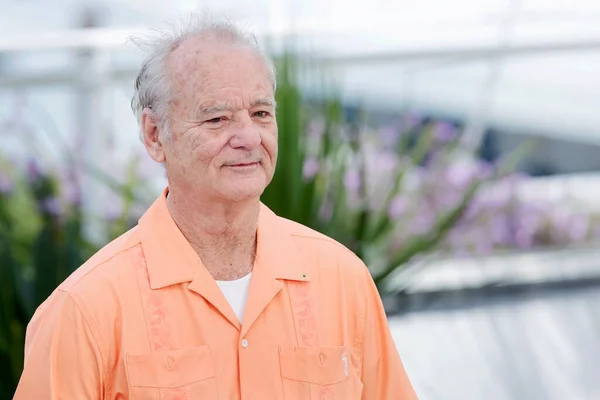
4. Bill Murray’s Bosley was replaced after a chaotic set feud
Charlie’s Angels carried glossy studio-energy on screen, but behind it sat one of the more infamous clash stories of the era. Murray reportedly battled with director McG and had a confrontation with Lucy Liu that lingered well beyond production. He did not return for Full Throttle, and Bernie Mac was brought in as a different Bosley.
Liu later described Murray’s language on set as “inexcusable and unacceptable.” Murray, for his part, dismissed parts of the reporting and denied the most dramatic claims. The sequel moved on without trying to repair the chemistry.
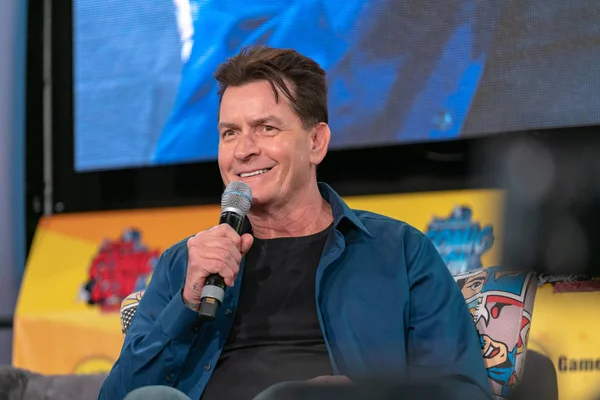
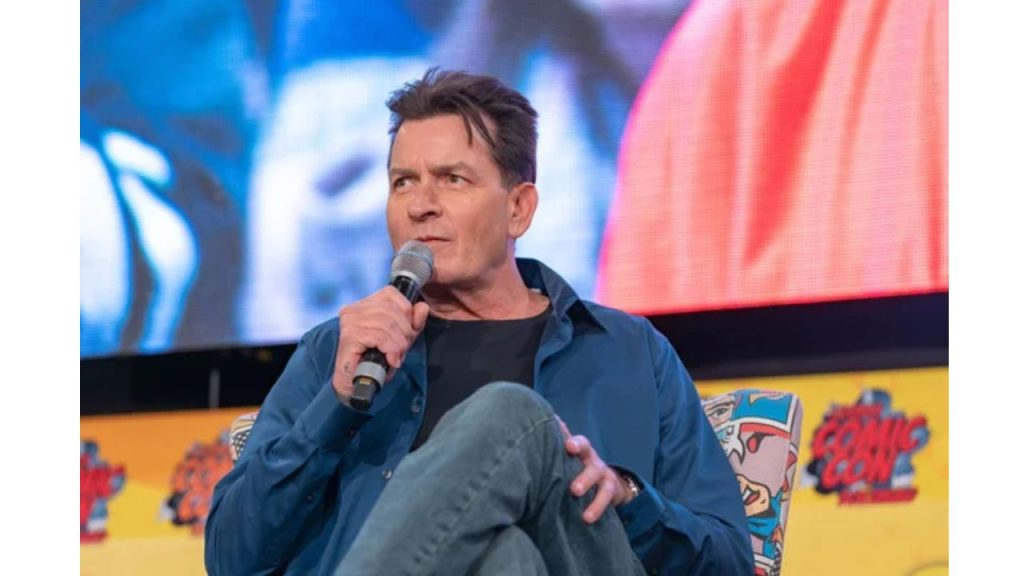
5. Charlie Sheen forced a hit sitcom to rebuild around his absence
Few TV demotions were louder than Sheen’s exit from Two and a Half Men. Production halted during his rehabilitation period, and the conflict escalated when he publicly attacked creator Chuck Lorre. CBS and Warner Bros. removed him, then killed off Charlie Harper and reshaped the series around Ashton Kutcher.
It was a reminder that even a lead actor on a major ratings machine can become replaceable once off-screen volatility overtakes the show itself. The character’s exit was written with the kind of finality usually reserved for burned bridges.
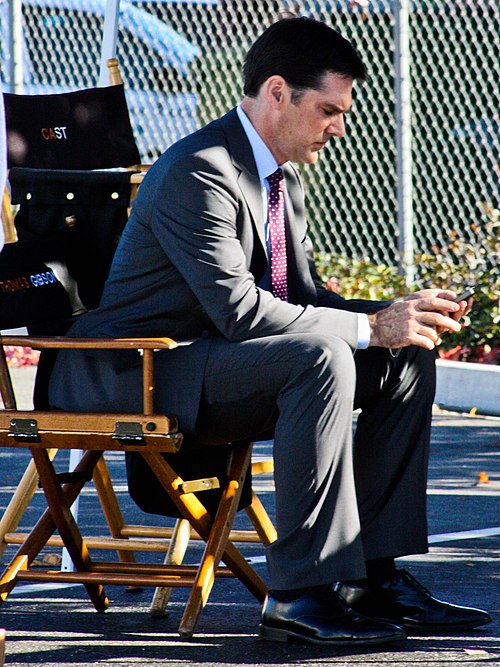
6. Thomas Gibson’s long run on Criminal Minds ended abruptly
After more than a decade as Aaron Hotchner, Gibson was fired following an on-set altercation in which he kicked a writer-producer. The incident followed earlier reports of anger-management issues during the series, making the final decision feel less isolated than cumulative.
The show explained his disappearance through witness protection for his character’s family. For a procedural built on stability, it was a sharp reminder that longevity does not protect a lead once workplace conduct becomes the central issue.
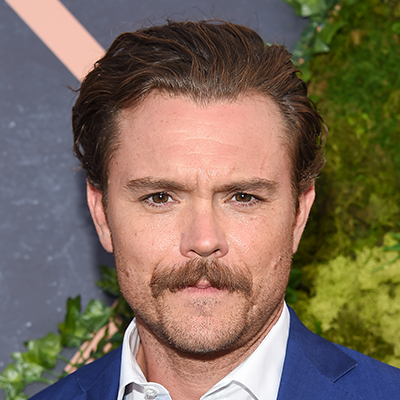
7. Clayne Crawford’s conflict changed Lethal Weapon midstream
Crawford’s version of Martin Riggs was central to the television adaptation, but accounts of hostile behavior and an unsafe environment pushed the production toward a reset. His co-star Damon Wayans reportedly stopped speaking to him off-camera during the second season.
The producers killed Riggs and replaced Crawford with Seann William Scott, effectively asking viewers to accept a new chemistry package instead of preserving the original core. That kind of pivot is rare, and it showed how quickly a network will rewrite a franchise formula when cast friction becomes unmanageable.
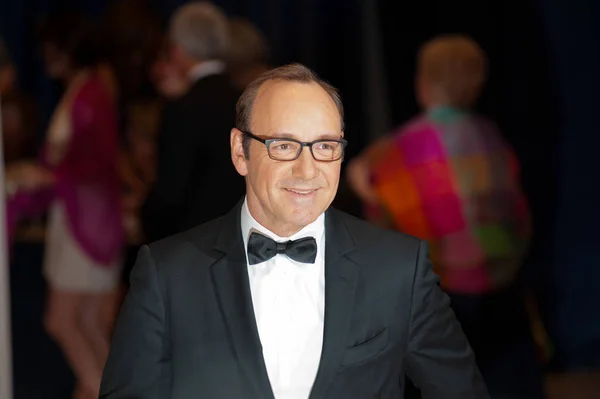
8. Kevin Spacey was erased from a franchise he helped define
Spacey’s removal from House of Cards followed multiple sexual misconduct allegations and led Netflix to sever ties completely. Production was halted while scripts were reworked, and Frank Underwood was written out off-screen as the final season shifted toward Robin Wright’s Claire Underwood.
This was more than a recast story. It was a case of a series attempting to preserve itself by removing the figure most associated with its identity.
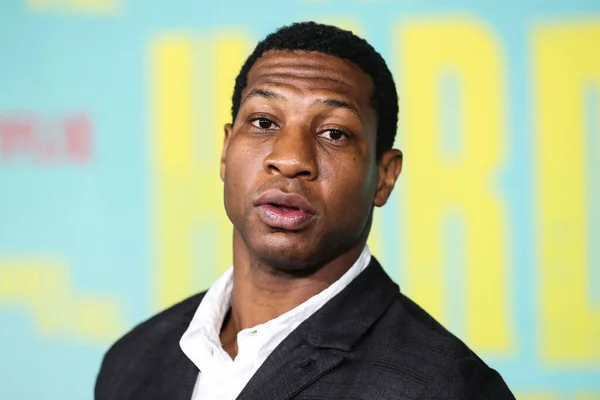
9. Jonathan Majors changed Marvel’s long-term plans in real time
Majors had been positioned as the major antagonist of Marvel’s next phase, with Kang set up across film and television. After he was found guilty of assault and harassment, Marvel dropped him and reworked its roadmap.
The shift was large enough to affect branding, with the studio moving away from Kang as its central future villain. Few modern examples show more clearly how one performer’s off-screen crisis can force a franchise to change direction at the top.
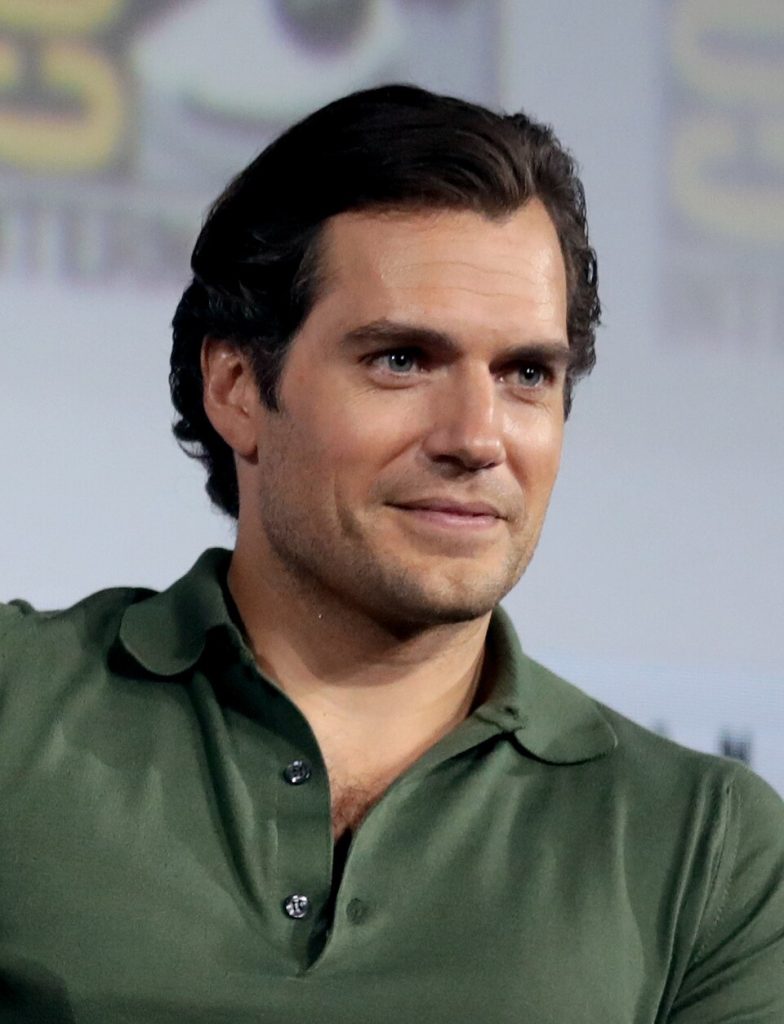
10. Henry Cavill’s exit turned a fantasy hit into a recast test
Cavill’s departure from The Witcher was framed around creative differences, with widespread discussion centering on his reported frustration over deviations from the source material. Instead of ending the series, the production recast Geralt with Liam Hemsworth.
That decision placed the spotlight on a difficult question every franchise eventually faces: whether the brand is bigger than the actor audiences most strongly associate with it. In this case, the lead change became the story before the next season even arrived.
These exits did not all stem from the same kind of ego, and not every dispute had a single agreed-upon version. Some were pay battles, some were creative standoffs, and some followed behavior that made continued employment untenable.
But the pattern is consistent. In sequel culture, a star can launch a role, define it, and still lose it the moment a studio decides the production has become easier to manage without them.