
A man from a small Galilean town would not usually be expected to leave behind a trail visible across stone, satire, and Roman prose. Yet Jesus of Nazareth remains tied to exactly that kind of scattered record, which is why the question of his existence keeps returning to the same historical ground.
No single relic settles the matter. What carries weight is the convergence: named officials, inhabited places, hostile references, and later memories that make little sense if no person stood at the center of them.
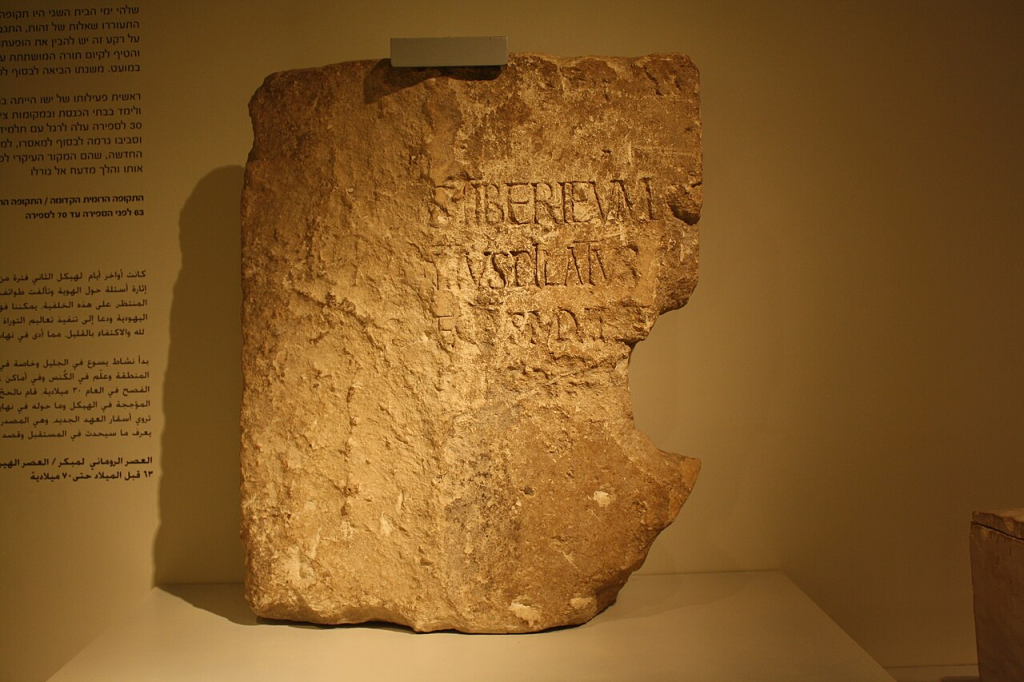
1. Pontius Pilate is not a biblical shadow
The argument for Jesus begins, oddly enough, with a Roman governor. The Pilate Stone inscription from Caesarea Maritima fixes Pontius Pilate in the administrative world of Roman Judea, matching the figure linked in early Christian sources to Jesus’s execution.
That does not recreate a courtroom scene. It does something more disciplined: it anchors the story to a real prefect operating in the right place and era. For historians, that matters because crucifixion under Roman authority was not legendary theater but a common instrument of imperial punishment. Once Pilate is firmly in view, the basic frame around Jesus looks less like later invention and more like a recognizable first-century setting.

2. Nazareth was a lived-in place, not a later backdrop
For years, debate over Jesus sometimes drifted into a simpler question: did Nazareth even exist in the early first century in the way the Gospels imply? Archaeology has steadily narrowed that doubt. Excavators have identified first-century homes, tombs, and agricultural features in the area, including a rock-hewn courtyard house beneath a Nazareth convent long associated in later tradition with Jesus’s early life.

The house itself is not accepted as a verified family address. Its value is more modest and more useful. It shows Nazareth as a functioning Jewish settlement with ordinary domestic life, not a symbolic town dropped into the story after the fact. That gives the Jesus tradition a real landscape under its feet.
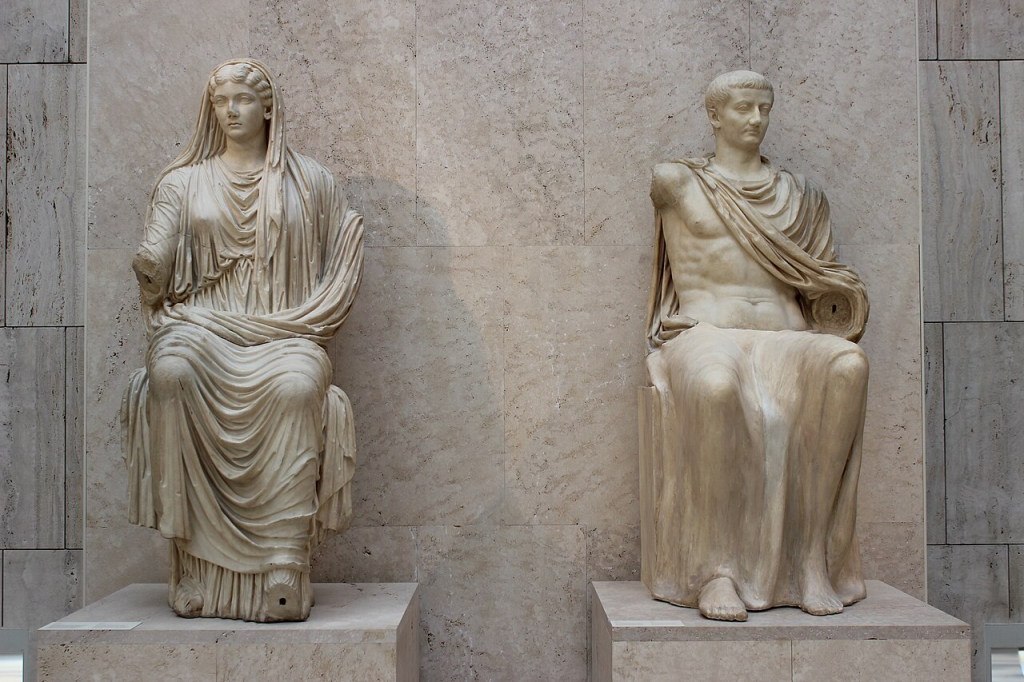
3. Tacitus wrote as an outsider, and that is the point
Roman historian Tacitus had no reason to protect Christian claims. In his Annals, he wrote that “Christus” suffered “the extreme penalty” during Tiberius’s reign at the hands of Pontius Pilate, a passage often treated as one of the clearest non-Christian references to Jesus.
The tone is dismissive, even contemptuous, which is precisely why historians return to it. Tacitus was not praising a founder or transmitting church devotion. He was identifying the source of a movement already visible enough in Rome to be blamed and punished. A hostile witness does not prove theology, but it can strongly support biography.
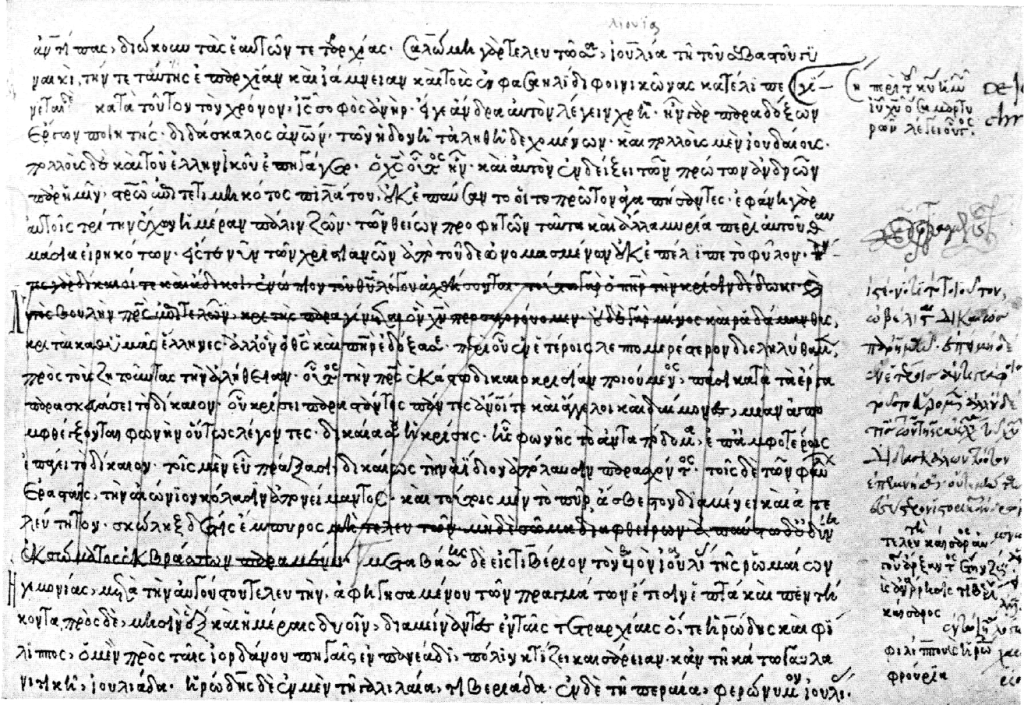
4. Josephus preserves a core that resists erasure
Josephus is the messier source, and for that reason one of the most debated. His Jewish Antiquities contains the famous Testimonium Flavianum, a passage many scholars believe was altered by later Christian copyists. Even so, the passage has remained difficult to dismiss altogether, especially because another reference to James describes him as the brother of Jesus “who is called Messiah.”

What gives Josephus continuing value is the surviving core. Some manuscript traditions preserve wording closer to “thought to be the Christ” than a direct confession of faith, which better fits a non-Christian Jewish historian. Strip away later embellishment, and a durable outline remains: Jesus was remembered as a teacher, he drew followers, and he was connected to Pilate’s rule.

5. Mockery works only when the target is already known
One of the strangest pieces of evidence is also one of the most revealing. The Alexamenos Graffito, usually dated to around 200 CE, shows a crucified figure with a donkey’s head and a mocking caption aimed at a Christian worshipper.
It says nothing direct about Jesus’s lifetime. It says a great deal about cultural memory. By that point, outsiders clearly understood Christians as people devoted to a crucified man, and they found that devotion ridiculous enough to caricature on a wall. Ridicule is not reverence, but it is recognition.
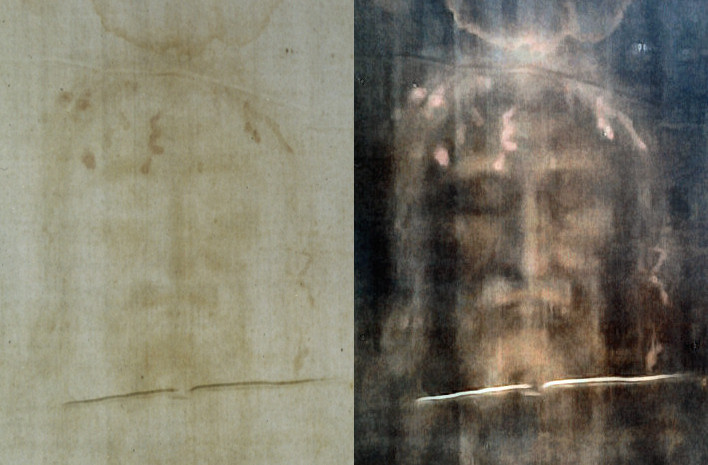
6. The weakest clue may be the most famous object
The Shroud of Turin remains the most emotionally charged artifact linked to Jesus, but it is also the least stable as historical evidence. Radiocarbon testing in 1988 dated the linen to the medieval period, and that result continues to shape mainstream scholarly caution.
The debate has not vanished. Some researchers have argued that factors such as carbon monoxide contamination deserve fresh scrutiny when considering the cloth’s age. Even so, the shroud does not carry the same historical force as inscriptions, settlement archaeology, or hostile ancient texts. Its importance is cultural as much as evidentiary: it shows how powerfully the search for a physical Jesus still grips the modern imagination.
Set side by side, these clues do not function like a modern identity file. They work the way ancient history usually works through fragments that become more persuasive when they point in the same direction. That is why the hardest historical question is no longer whether Jesus was a real man. It is how the memory of one executed teacher became durable enough to leave traces in Roman writing, village archaeology, and even contempt scratched into plaster centuries later.