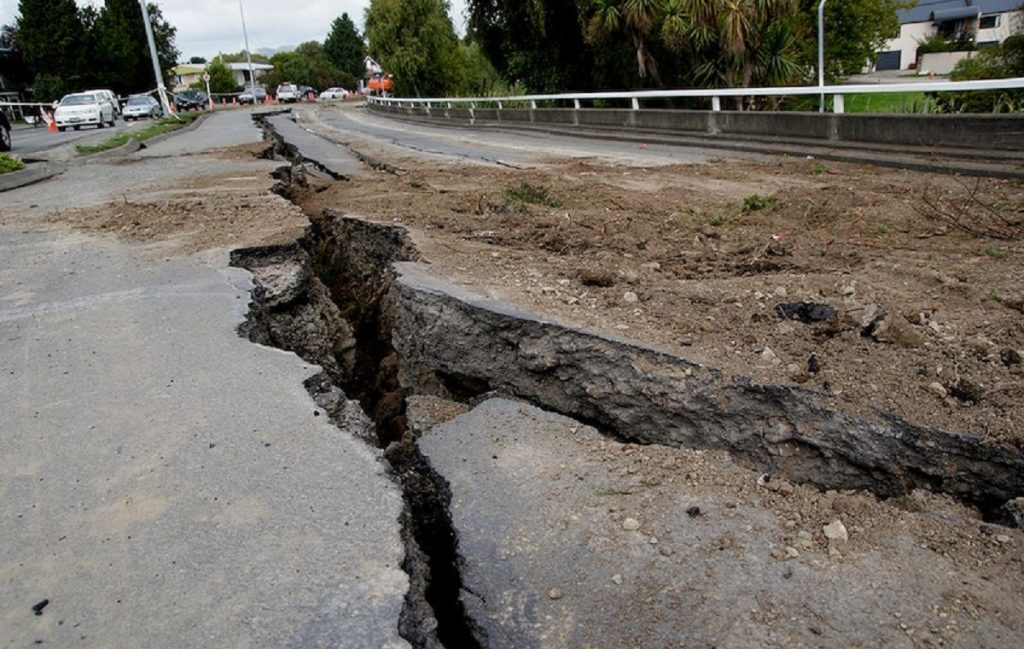
A run of powerful Pacific earthquakes can make the planet feel briefly synchronized, as if distant faults were moving in conversation. That impression is compelling, but seismology draws a harder line between public fear and measurable risk.
The recent concern around a possible “megaquake week” has centered less on certainty than on probability. In Japan, officials raised attention after a 7.5 magnitude earthquake triggered a rare watch for a much larger offshore event, but experts stressed that the heightened risk was still low.
1. A “megaquake watch” is not a prediction
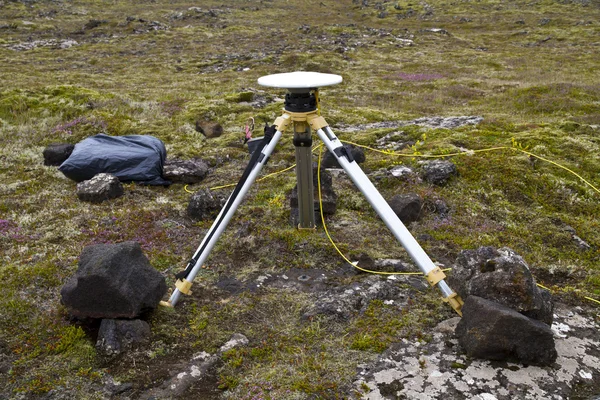
The phrase sounds definitive, which is part of the problem. In practice, the watch means the odds of a very large earthquake rose above the usual background level after a strong tremor, not that a catastrophic event became likely. Seismologist Richard Allen told NPR, “it’s important that we, the scientific community, let the public know about that and being very clear that yes, there’s a higher probability of a megaquake this week, but it’s still a low probability.” In Japan’s case, the estimate cited was about 1% for an offshore quake of magnitude 8.0 or higher within a week. That is elevated, but it remains a small chance.

2. The Pacific “Ring of Fire” is a hazard zone, not a domino line
When several large earthquakes strike around the Pacific, the instinct is to connect them into a single chain reaction. Scientists have long warned against that leap. During an earlier cluster of Pacific Rim quakes, Lucy Jones said, “the reality is it is essentially random and you haven’t changed your chance of having an earthquake.” She also noted that quakes grouped in headlines may occur on different tectonic plates, meaning a dramatic news pattern does not automatically reflect one shared geologic trigger. The Pacific basin is active because many plate boundaries meet there, but simultaneous activity is not the same as one basin-wide cascade.
3. Japan’s worry is tied to subduction zones and tsunami risk
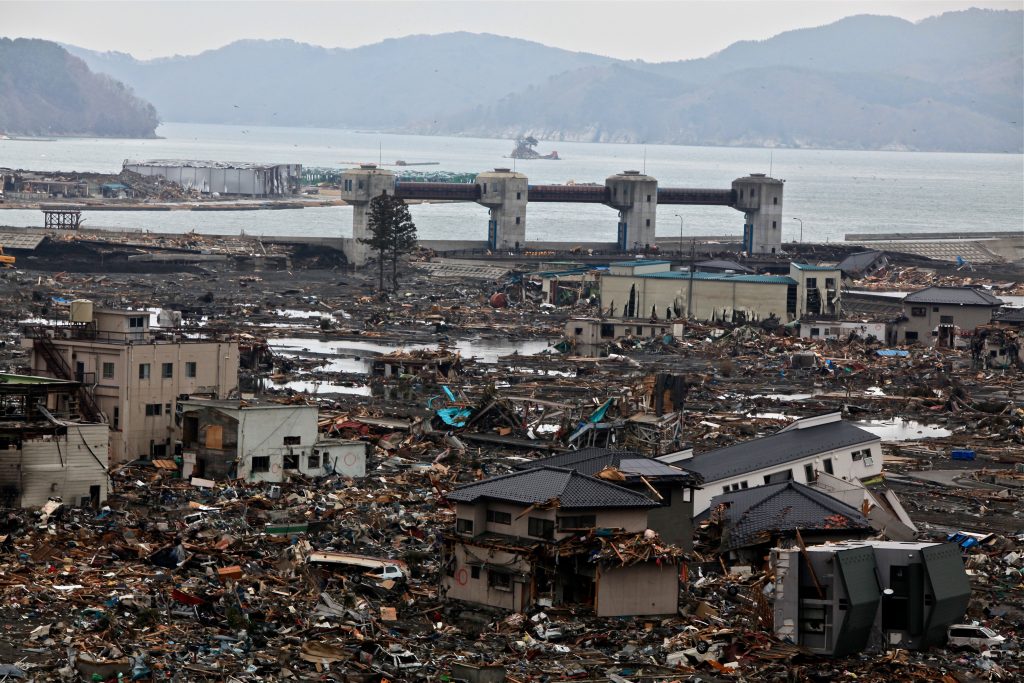
The most serious concern in northern Japan is not just shaking. It is the combination of offshore rupture, vertical seafloor movement, and tsunami generation. Allen explained that subduction zones form where one plate dives beneath another, and “because you have that vertical motion with the plate subducting, that’s how you generate tsunamis.” That is why Japan’s warnings carry unusual emotional force. According to Japan’s one-in-100 weekly estimate, the chance remains limited, but the consequences of a worst-case event are extreme enough to justify public preparation.
4. A large quake can be followed by something larger, but not usually
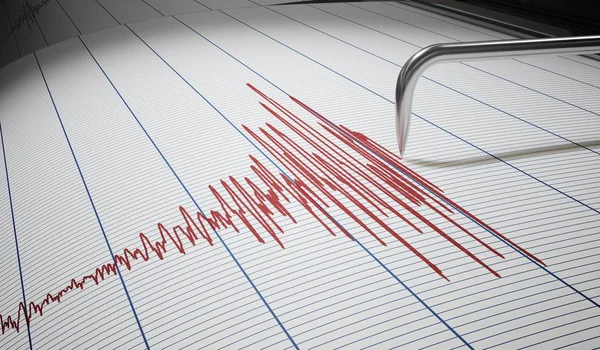
One reason people fixate on the days after a major earthquake is the well-known possibility of a larger follow-up event. That possibility is real, but its rarity matters. Allen noted that after an earthquake in California, there is roughly a 1 in 20 chance that a larger earthquake could follow. That statistic helps explain why agencies issue aftershock and short-term hazard information after major shaking. It also explains why officials speak carefully: the risk rises enough to merit attention, yet not enough to justify assuming disaster is imminent.
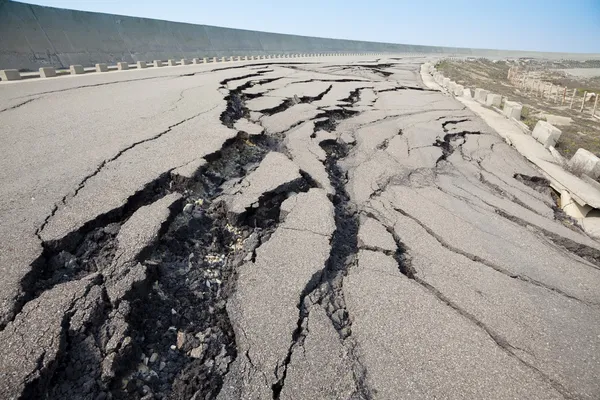
5. Earthquake swarms do not all mean the same thing
Clusters of quakes can look alarming on a map, but their meaning depends on where they occur and how they unfold over time. The U.S. Geological Survey notes that some swarms are volcanic, driven by magma, gas, or hydrothermal fluids, while others are tectonic and tied to fault stress. If a swarm is not near an active volcano or geothermal system, it is more likely tectonic. USGS scientists also distinguish ordinary mainshock-aftershock patterns from swarms that arrive in bursts or waves. That matters for public understanding: a cluster can signal active crustal stress without pointing to a single giant rupture waiting just offshore.
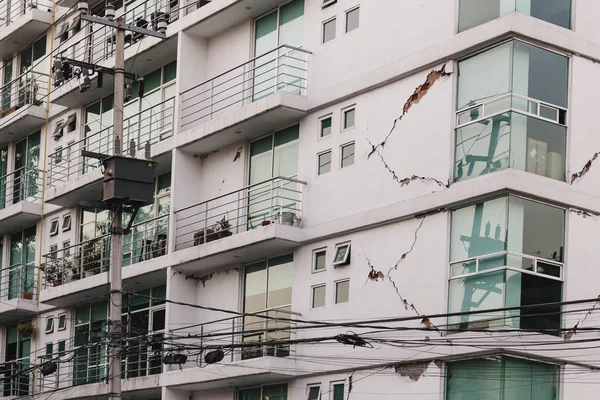
6. Aftershocks can create real danger even when the feared “Big One” never comes
The most immediate hazard after a major quake often comes from the sequence that follows. Buildings, roads, slopes, ports, and utilities can be tested again and again before inspections are complete. In Alaska, a recent magnitude 7.0 earthquake was followed by more than 160 aftershocks within 24 hours, raising concern about slope instability and infrastructure strain.
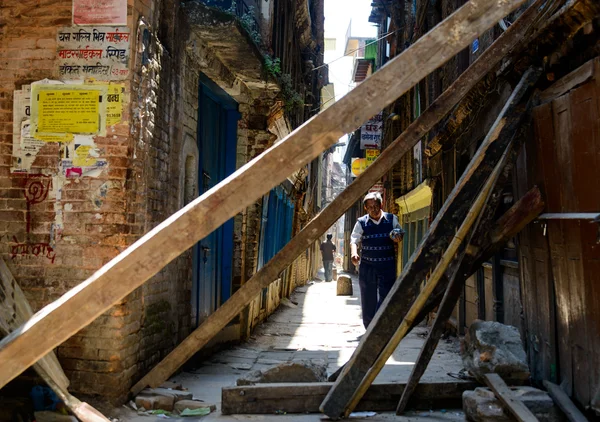
A separate study of the 2018 Anchorage earthquake found over 10,000 aftershocks reported through the end of July 2019. That longer view helps clarify the real public-health issue: danger can persist as repeated shaking, damaged ground, and disrupted services long after the first headline fades.
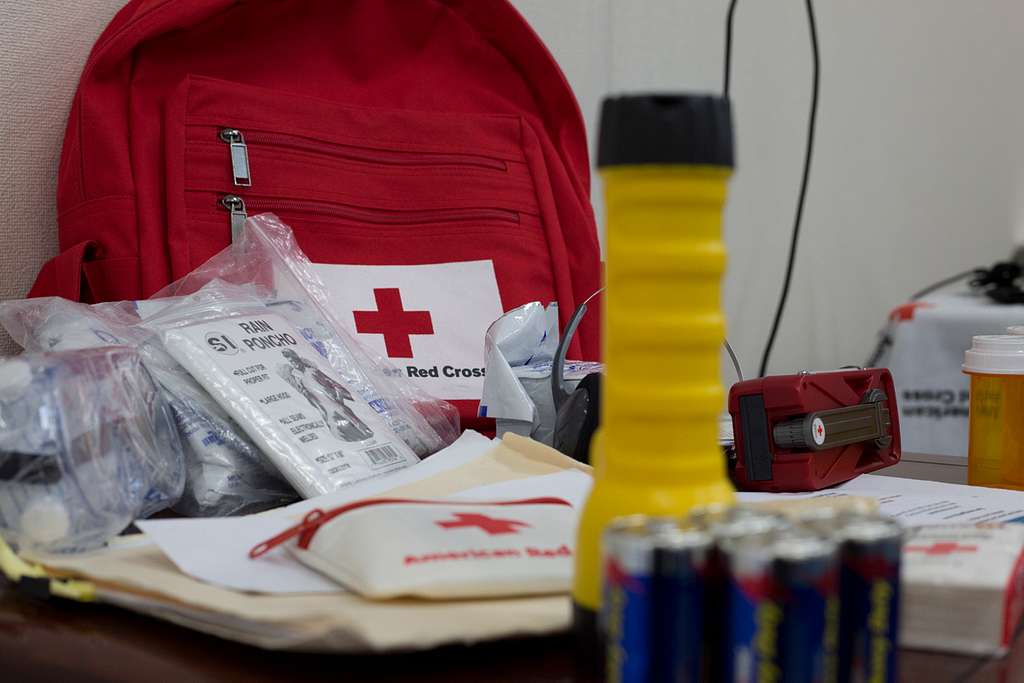
7. Preparedness is the practical response to uncertainty
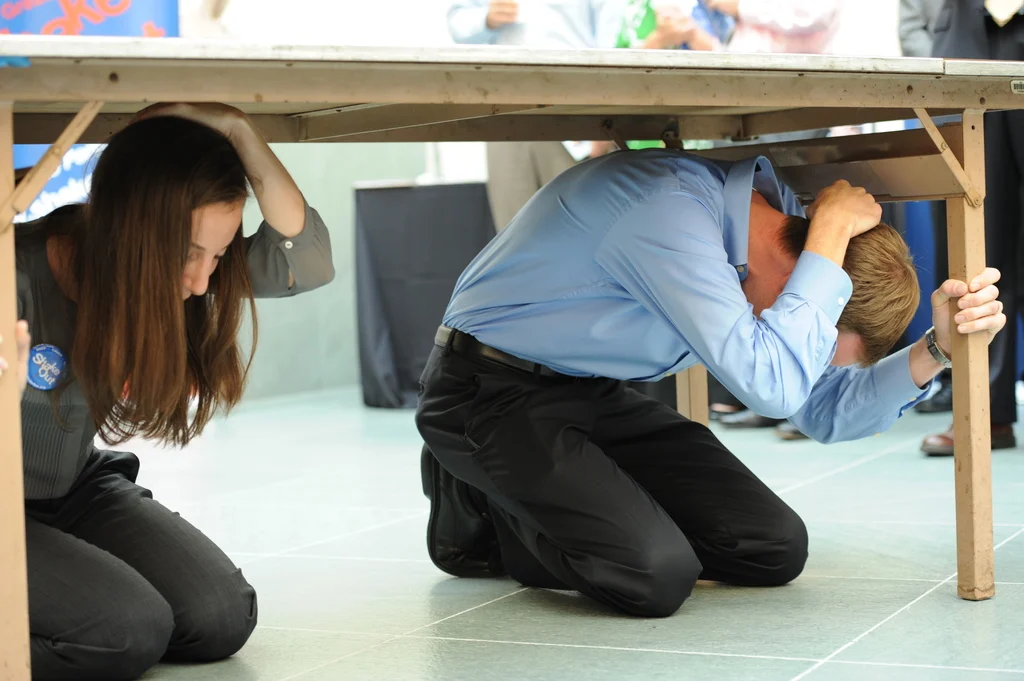
The science does not support panic. It does support routine readiness. Japanese officials and seismologists have emphasized familiar steps: secure furniture, confirm evacuation routes, prepare emergency supplies, and know whether home or work sits in a tsunami hazard zone. Allen summarized the immediate response plainly: people should know to “drop, cover, hold on,” and in tsunami areas, move to higher ground. Preparedness works because it is useful whether the short-term alert proves meaningful or not.
The clearest lesson from “megaquake week” fear is that clustered earthquakes change attention faster than they change the planet. Elevated probabilities, aftershock windows, and tsunami exposure are real, but they are not the same as a forecast that a Pacific-wide disaster is underway. The real risk is narrower and more practical: misunderstanding probability, overlooking local hazards, and waiting for certainty before preparing. Seismology offers no calendar for the next great rupture. It does offer a steadier message risk is chronic, consequences are uneven, and readiness matters long before a warning arrives.