The 1980s never really disappeared from American culture. They just moved from toy aisles and bedroom shelves into auction catalogs, grading cases, and collector wish lists. For many of the decade’s most coveted items, nostalgia alone is not what drives value.
Specialists point to a familiar pattern: adults who once wanted these objects as children now have the means to chase pristine examples. As appraiser Marsha Dixey put it, “Every 30 years, there seems to be the cycle of top popularity.” In this market, packaging, rarity, completeness, and professional grading often matter as much as the object itself.
1. Factory-sealed Nintendo Entertainment System games
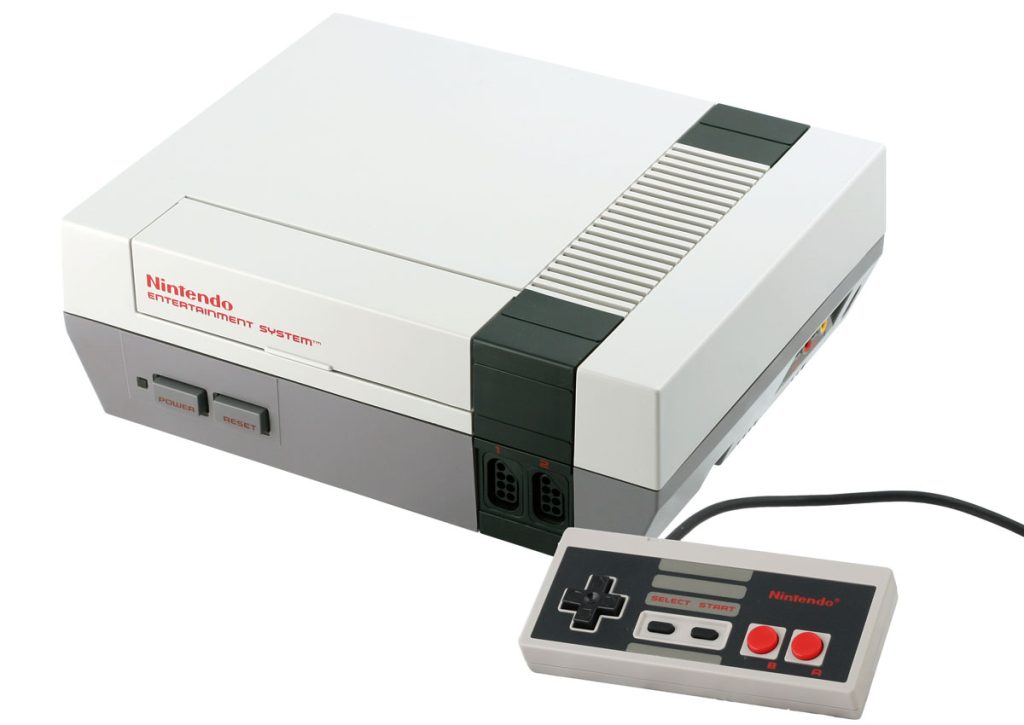
Video games from the original NES era remain among the clearest examples of how condition changes everything. Titles such as Super Mario Bros. and The Legend of Zelda have drawn especially strong demand, with sealed copies far outpacing loose cartridges or even boxed used games. Dixey noted that individual games can bring more than consoles, and some standout sales have crossed from collectible status into headline-making territory. A sealed copy of Super Mario Bros. has sold for more than $1 million, while other strong examples have still landed in the five figures. Manuals, original boxes, and high grades can sharply raise value even when a title is not especially rare.
2. The Nintendo PlayStation prototype
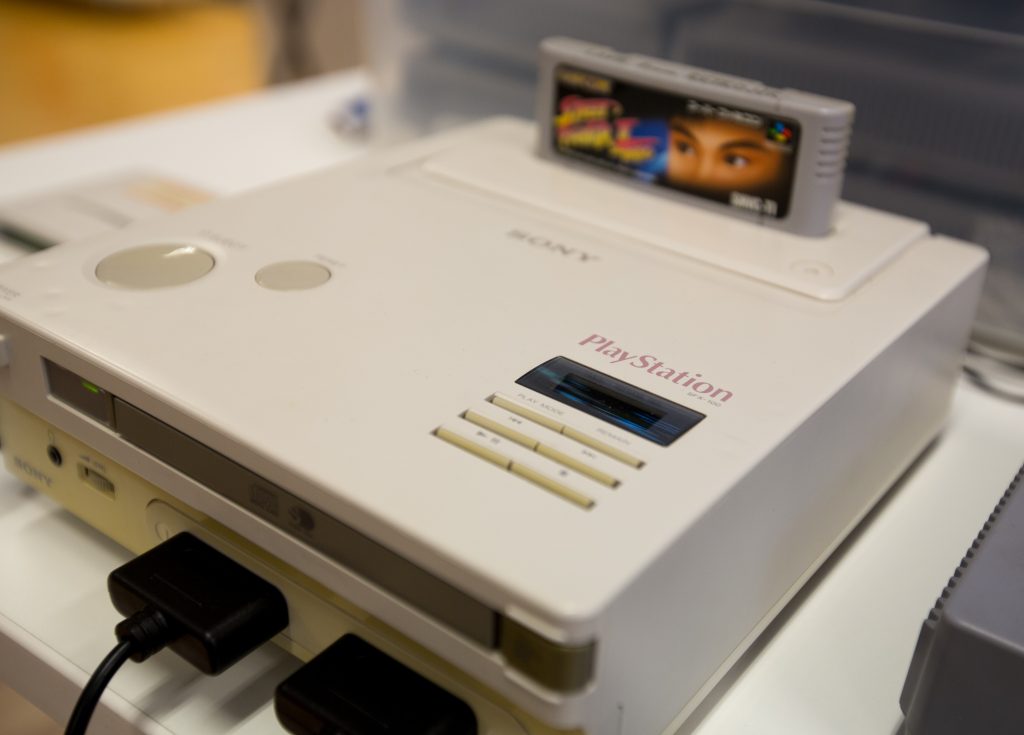
Few 1980s-adjacent gaming artifacts carry the aura of the Nintendo PlayStation prototype, a relic from the brief collaboration between Nintendo and Sony. It sits in a category of its own because it represents a road not taken in console history. One surviving unit sold for $360,000 in 2020, a figure tied not just to age but to scarcity. According to published accounts, only one known example still exists. Even ordinary boxed consoles from the era can attract serious money, but this prototype shows how historical significance can eclipse nostalgia.
3. Kenner Star Wars figures with true rarity
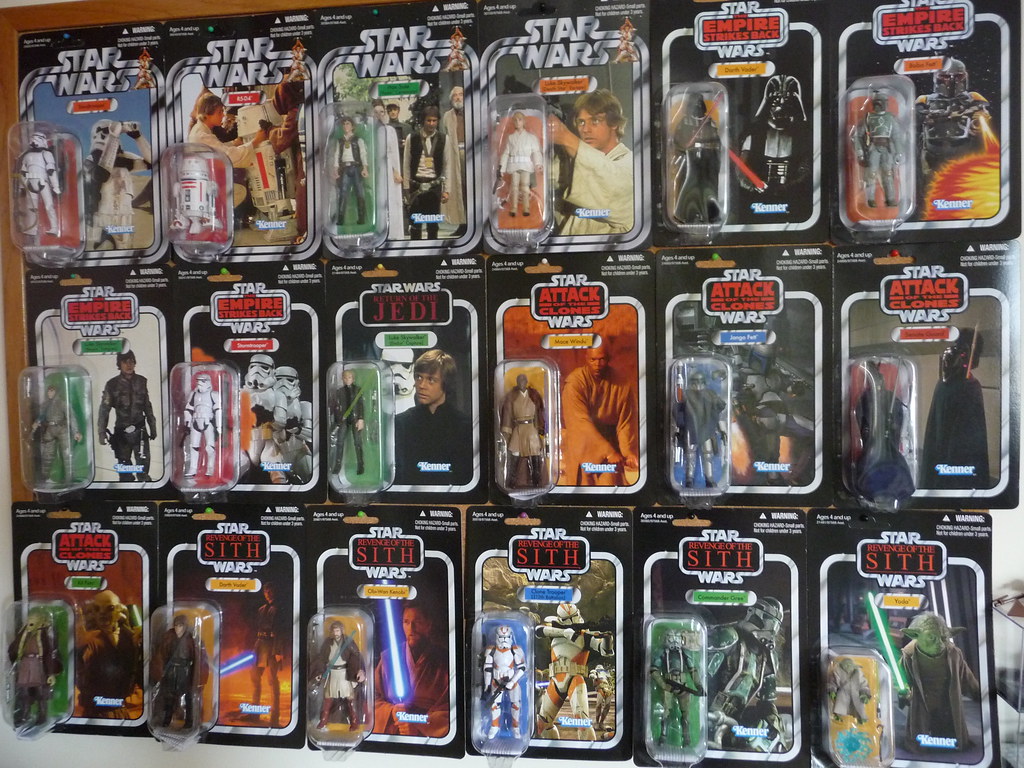
Star Wars figures have remained collectible for decades, yet the highest values come from pieces that were never ordinary retail toys in the first place. The best-known example is the Rocket-Firing Boba Fett prototype, withdrawn over safety concerns and elevated by that near-mythic backstory. One version has sold for $525,000, while another reached $1.34 million. Standard Kenner figures can still matter when they retain cardbacks, weapons, capes, and other accessories, but the major lesson is simple: rarity inside a famous toy line is where the market becomes dramatically different from a childhood keepsake box.
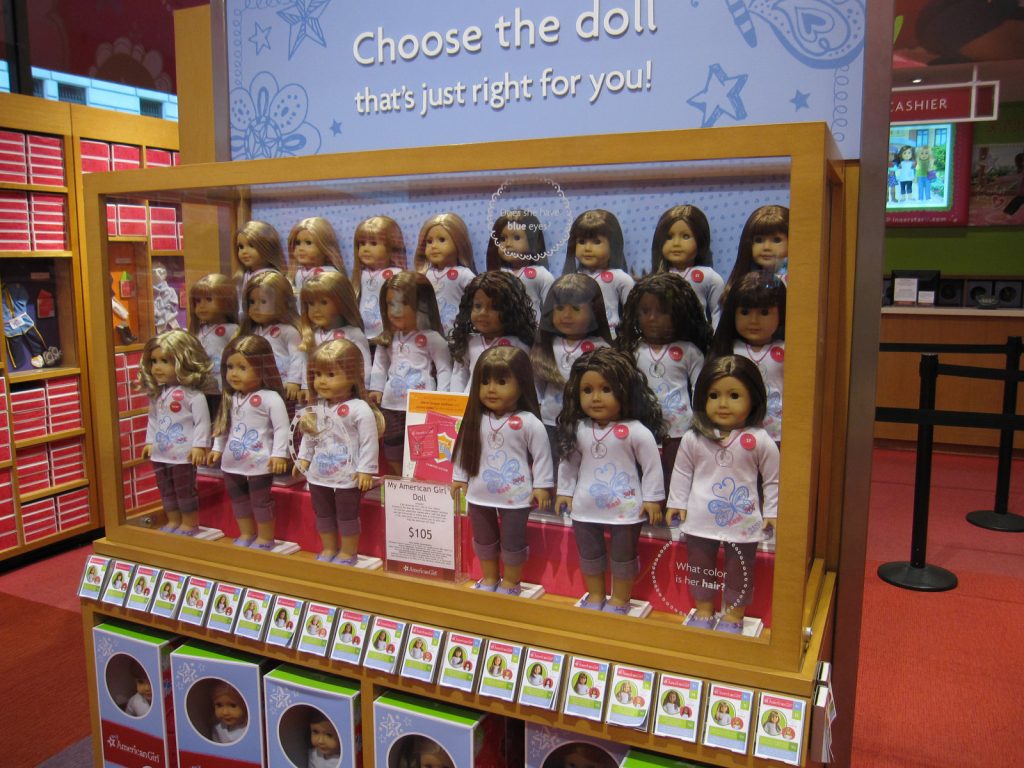
4. Original American Girl dolls with early Pleasant Company traits
Not every early American Girl doll commands four or five figures. Collectors look for specific traits, especially dolls from the original Pleasant Company years. Samantha, Molly, Kirsten, Felicity, and Addy can all attract attention, but the most desirable examples tend to be signed, numbered, white-body dolls with certificates of authenticity. A Samantha matching that description has sold for up to $12,000. Later mass-produced versions are far more common, which makes identification more important than simple age.
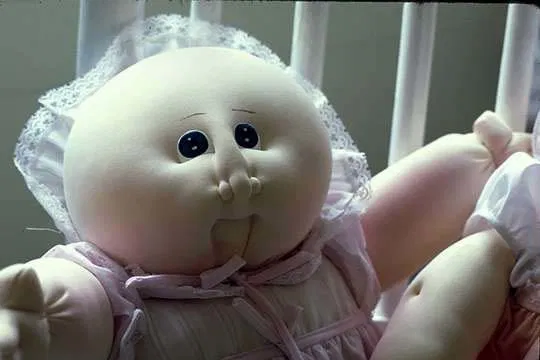
5. Cabbage Patch Kids with boxes, papers, or unusual molds
Cabbage Patch Kids were made in large numbers, which is why so many thrift-store finds have little resale value. The dolls that stand out now usually have something extra: an intact box, adoption papers, a scarce face mold, a special edition label, or a creator signature. The broader market still rewards mint boxed examples, but individual variants can tell a more interesting story. Collectors continue to watch early and unusual dolls, including “brat” mold dolls, twin sets, and signed editions. At the top end, a rare clown prototype has sold for around $10,000, while more specialized later issues have also posted unexpectedly strong prices.
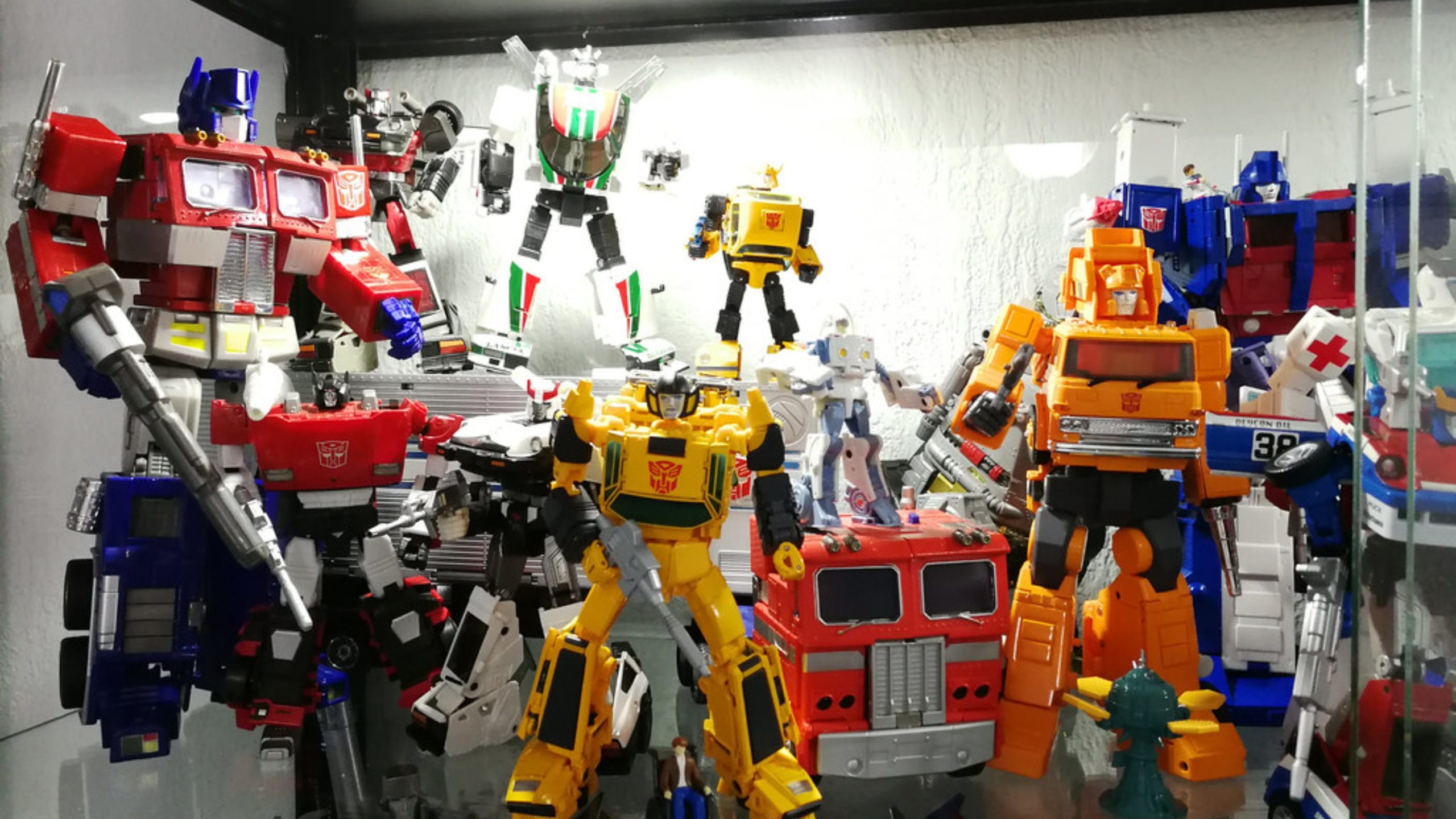
6. Transformers Generation One figures in complete packaging
Generation One Transformers occupy a sweet spot in collecting because they combine toy design, cartoon recognition, and the challenge of keeping every small accessory intact. Characters such as Optimus Prime and Megatron remain central to the category, but scarcity within the line often drives the strongest bids. Loose figures can still be collectible, yet complete boxed examples are the real dividing line. A sealed Jetfire has reached $24,800, while first-wave figures in strong condition regularly move from a few hundred dollars into the low thousands. Missing missiles, stickers, or paperwork can quickly narrow that range.
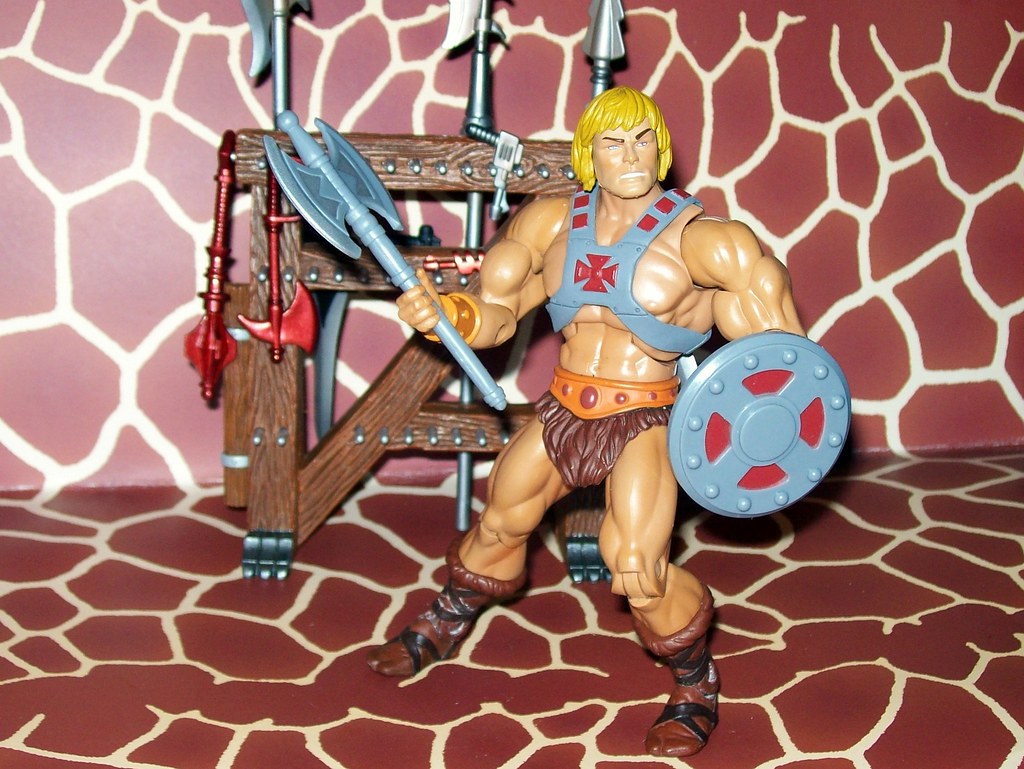
7. Masters of the Universe figures and playsets
He-Man’s world was built for display, and that helps explain why collectors still pursue both figures and large-format playsets. Castle Grayskull remains one of the most recognizable pieces from the line, especially when it survives unopened or with its original components. Unopened examples have sold in the $1,500 to $4,000 range, while rarer character variants such as Savage He-Man and select She-Ra releases can move higher than many casual owners expect. Condition still leads the conversation, but the line also rewards completeness in a very literal way, from tiny weapons to cardboard inserts.
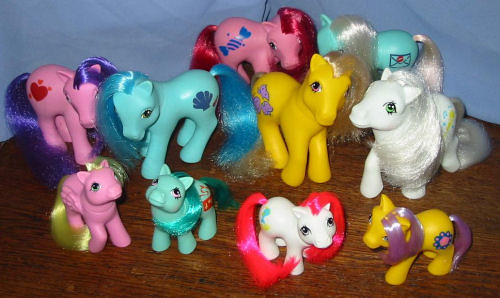
8. First-generation My Little Pony exclusives
The earliest My Little Pony figures have developed a collector base far beyond childhood nostalgia. First-generation ponies are especially desirable when their hair remains clean and full, their symbols are intact, and accessories or packaging have survived. Among the most watched names is Rapunzel, a mail-order exclusive that has sold for more than $2,500. Other early ponies can be valuable without reaching that level, particularly when they belong to harder-to-find sets. What looks delicate on a shelf now often turns out to be genuinely scarce.
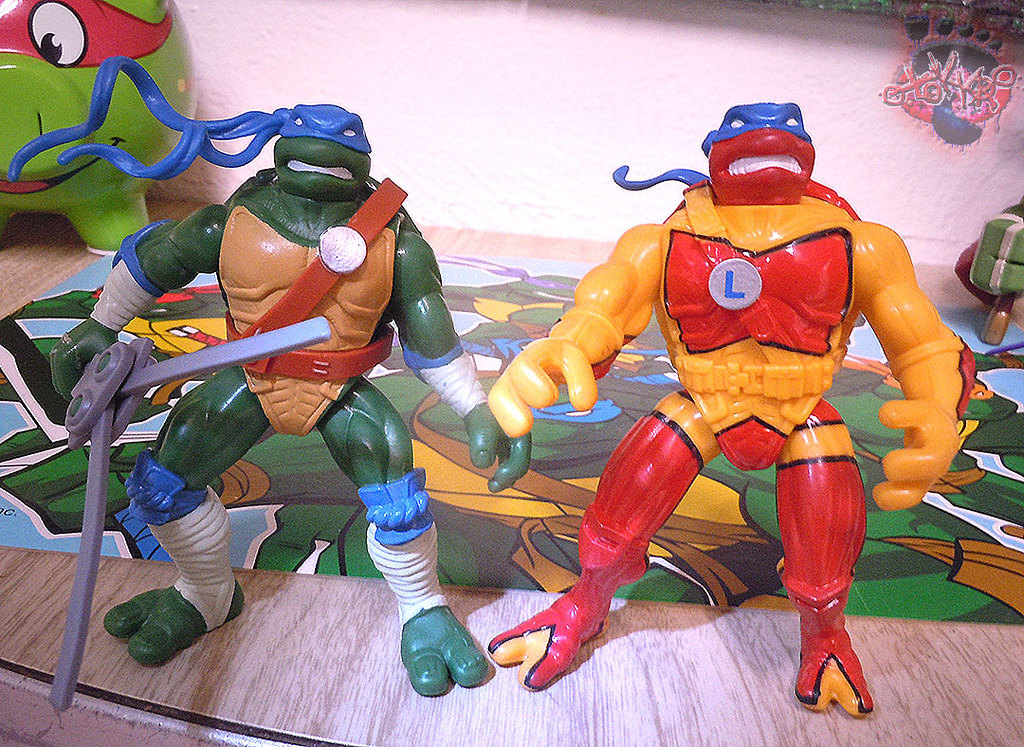
9. Early Teenage Mutant Ninja Turtles action figures
The original Turtles line has become a serious nostalgia category, especially for figures from the franchise’s first years. Leonardo, Michelangelo, Donatello, Raphael, Splinter, and Shredder remain the familiar faces, but uncommon accessories and short-run variants often determine the final number. Mint-condition figures from the early line have sold from $200 to $3,000 each. That range reflects a collector market built on details: paint variation, sealed cards, weapon trees, and packaging quality. For a toy line once defined by play, survival in near-perfect condition is now part of the appeal.
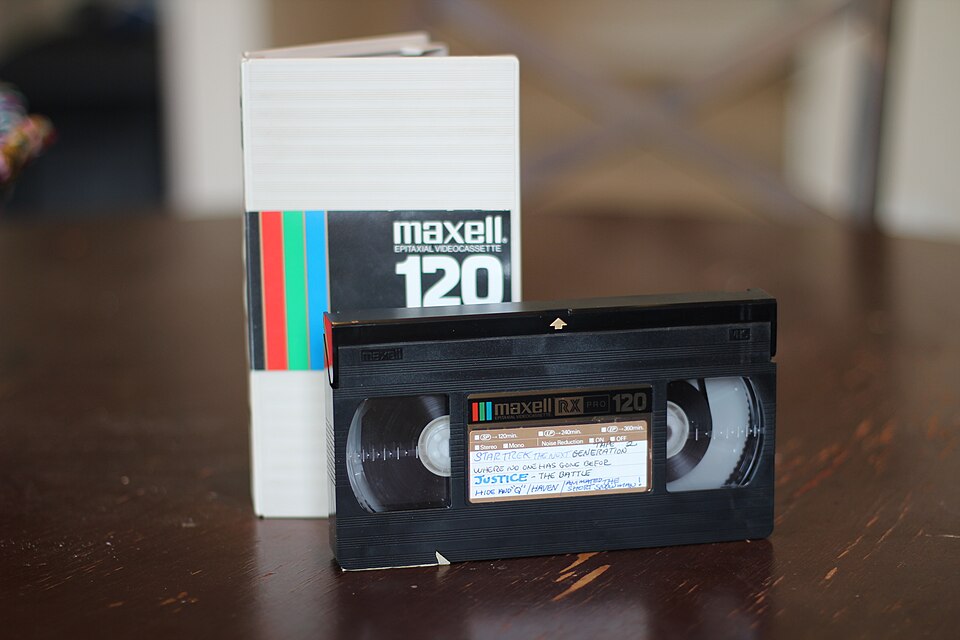
10. Factory-wrapped VHS tapes from horror, sci-fi, and controversial releases
VHS collecting still surprises people because most old tapes are worth very little. The exceptions are narrow and specific: factory-sealed copies, titles with strong genre followings, and films that never circulated widely in later formats. Horror and sci-fi continue to pull the most attention, and Dixey has pointed to sealed, graded tapes as the key distinction. Some examples from the late 1970s and 1980s, including rare, highly graded VHS tapes, have sold for as much as $25,000.
In this category, the tape itself matters less than the strange survival of untouched packaging from a format built to be watched and worn out. The larger pattern across all of these collectibles is consistent. Age alone rarely makes an item valuable, and sentiment does not replace condition. What collectors pay for is a mix of memory, scarcity, and preservation. A toy chest full of worn 1980s favorites may still hold charm, but the pieces drawing the strongest bids today are usually the ones that stayed complete, documented, and remarkably untouched.