
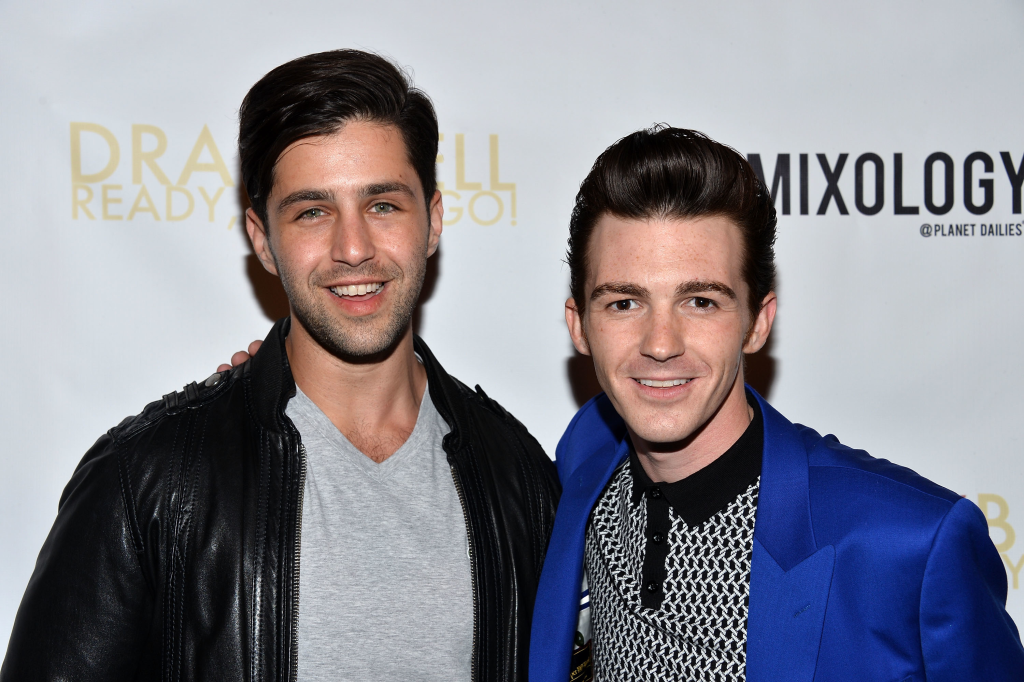
On-screen chemistry can sell a romance, a friendship, or an entire franchise. Off-camera tension can still find its way into interviews, press tours, reunion specials, and memoirs, where careful promotion gives way to very pointed honesty.
Some of Hollywood’s most talked-about clashes became public not because of leaked set reports, but because the people involved eventually said enough in front of microphones and cameras. These examples show how a difficult working relationship can outlast the production itself.
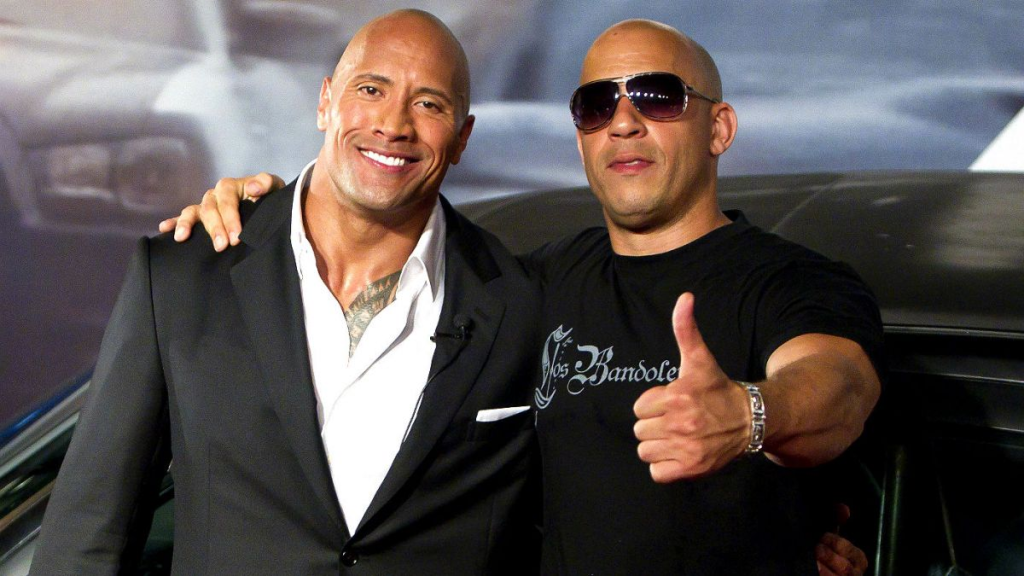
1. Dwayne Johnson and Vin Diesel
The Fast & Furious fallout became impossible to ignore after Johnson publicly criticized some of his male co-stars and later confirmed that he and Diesel did not film scenes together for the eighth film. He described a basic difference in approach and philosophy, turning what might have stayed a private dispute into one of the franchise’s defining off-screen storylines. The feud stood out because it bled directly into promotion for a major studio series. Instead of vague comments about creative differences, audiences got a clearer sense that the tension had changed how the film was made.
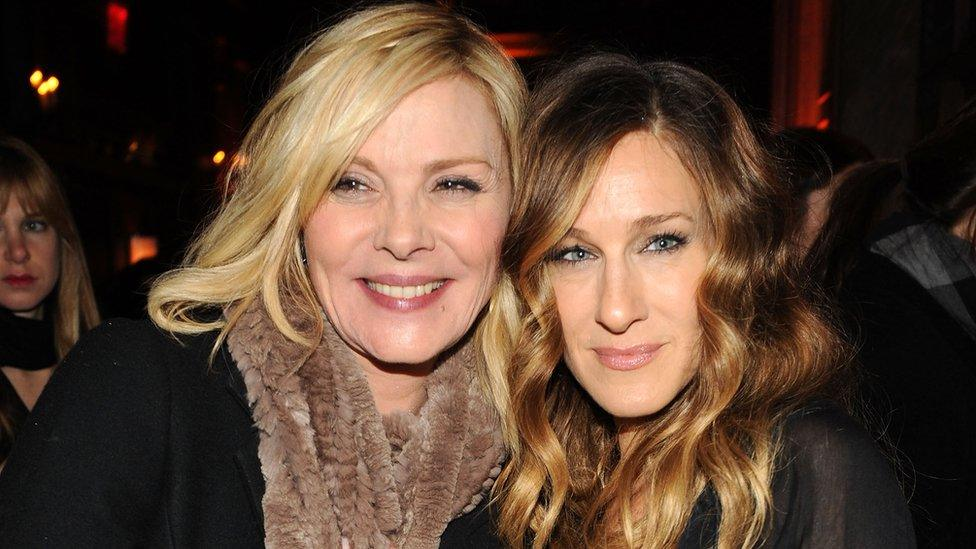
2. Kim Cattrall and Sarah Jessica Parker
This television-era feud remained one of the most persistent because it continued long after Sex and the City ended. Cattrall said in interviews that she was never friends with her co-stars and described the workplace as unhealthy, but the sharpest public moment came when she wrote, “You are not my family. You are not my friend.” That line gave the dispute a permanence that ordinary cast-rumor chatter rarely gets. It also reshaped how fans viewed the show’s famously intimate ensemble dynamic.
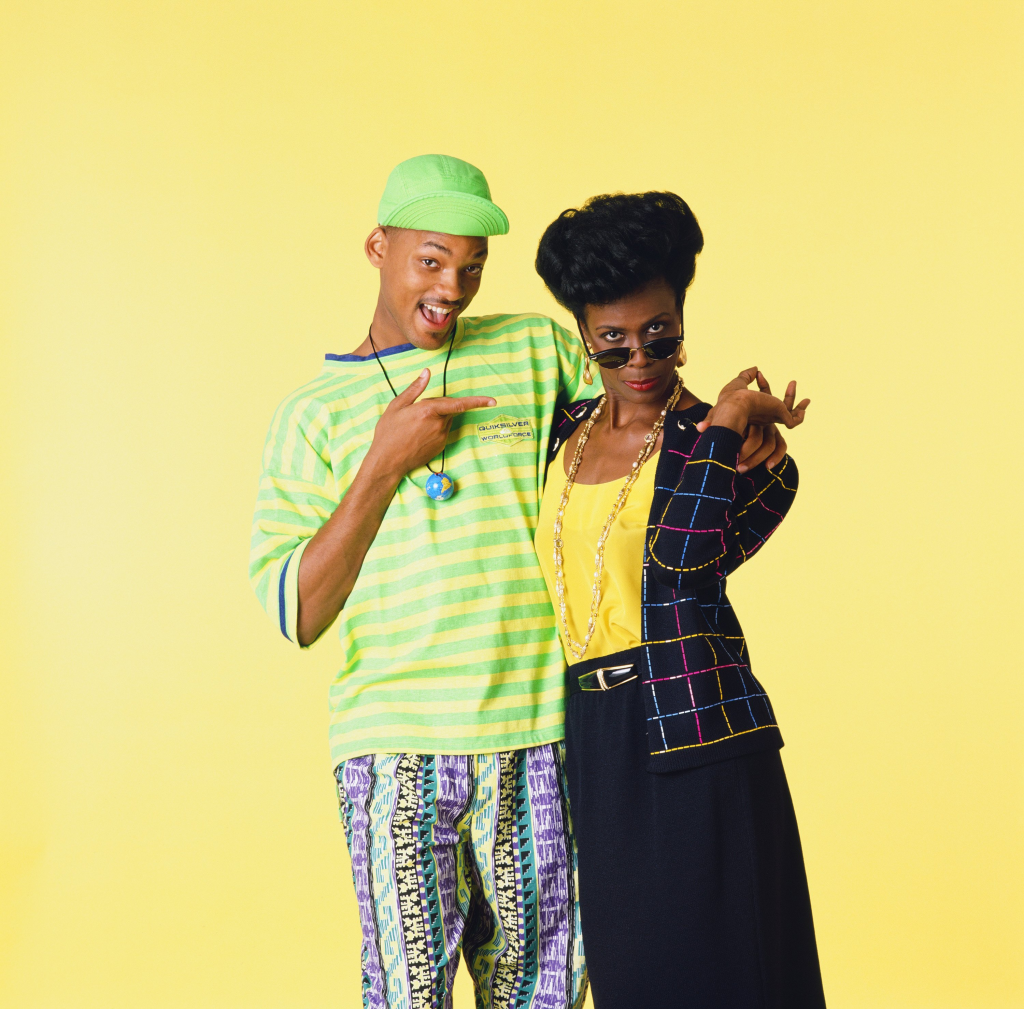
3. Janet Hubert and Will Smith
For years, Hubert used interviews to accuse Smith of damaging her career and helping push her out of The Fresh Prince of Bel-Air. Smith also made public remarks early on, which kept the disagreement alive for decades rather than letting it fade into sitcom history. The eventual reunion mattered because it replaced years of indirect jabs with an on-camera conversation. Their reconciliation gave context to a feud that had long been treated as part of the show’s mythology.
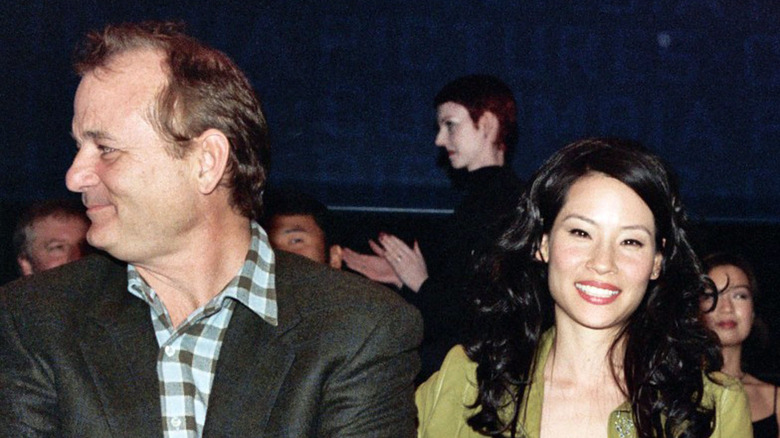
4. Bill Murray and Lucy Liu
Lucy Liu’s later account of working on Charlie’s Angels gave the story unusual clarity. She said Murray started insulting her during a rehearsal and called the language “inexcusable and unacceptable”, adding that she stood up for herself, a version of events she discussed in a 2021 podcast interview. What made this one linger was not only the confrontation itself, but Liu’s decision to frame it around professional respect. The interview shifted the story away from old gossip and toward workplace conduct.
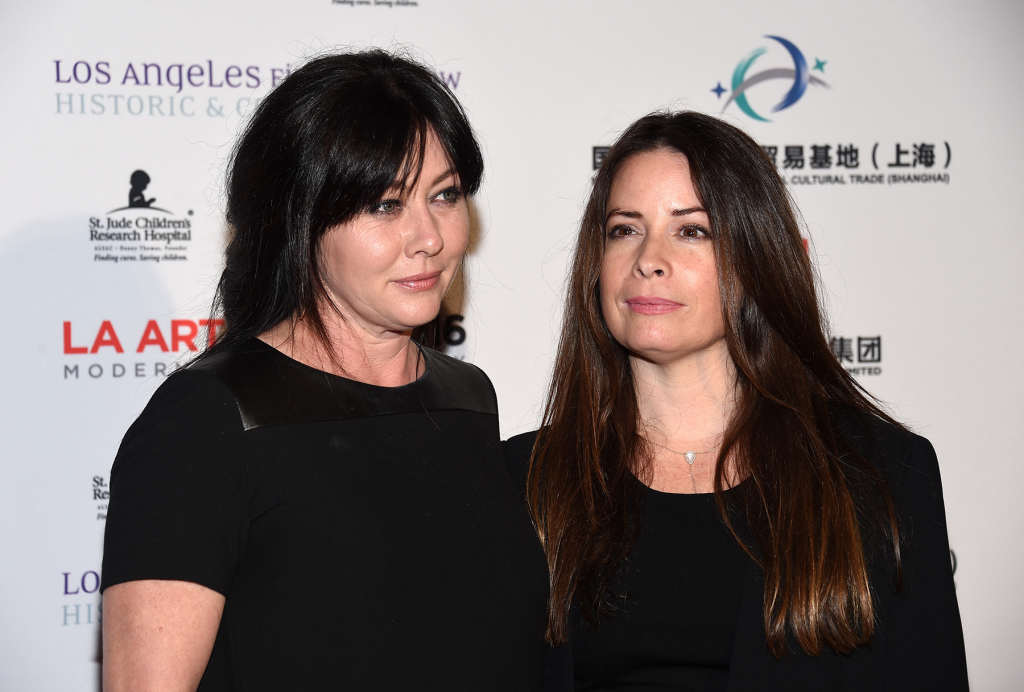
5. Shannen Doherty and Alyssa Milano
The friction around Charmed never stayed subtle for long. Milano acknowledged there were stretches when the two did not speak, while Doherty later said the set carried too much drama. Years afterward, added accounts from former co-stars and podcast interviews gave the split even more detail.
The feud became part of the show’s legacy because it seemed to affect casting, story direction, and the atmosphere viewers sensed even if they did not know the specifics at the time.
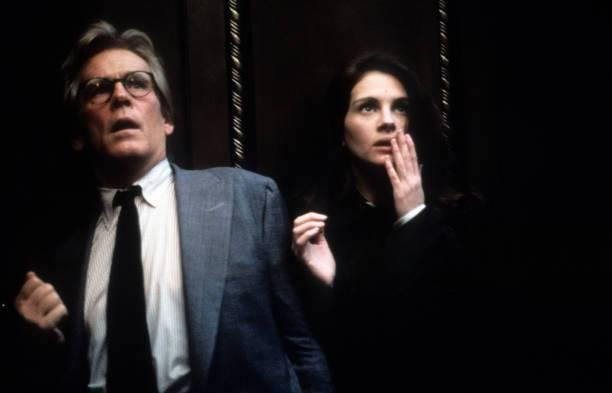
6. Julia Roberts and Nick Nolte
Some feuds became memorable because neither side tried especially hard to soften them. Roberts told The New York Times that Nolte could be “completely disgusting”, while Nolte answered publicly that she was not a nice person. By that point, the film’s promotional cycle had become part of the story. The bluntness made this clash unusually durable. Instead of coded celebrity language, both actors left a record of plain dislike.
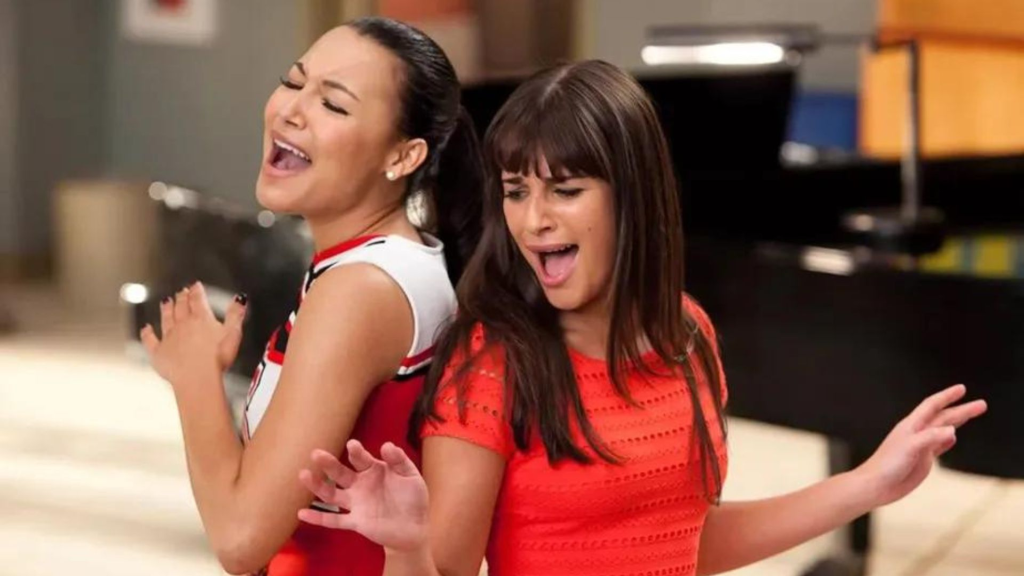
7. Naya Rivera and Lea Michele
Rivera moved this feud from rumor into personal testimony through her memoir and follow-up press appearances. She wrote that Michele struggled when Rivera’s character gained prominence and said the two were barely speaking by the end of her run on Glee. Because the details came from a first-person account, the story had a different weight than anonymous set chatter. It also matched broader reports from the series about a difficult atmosphere around the production.
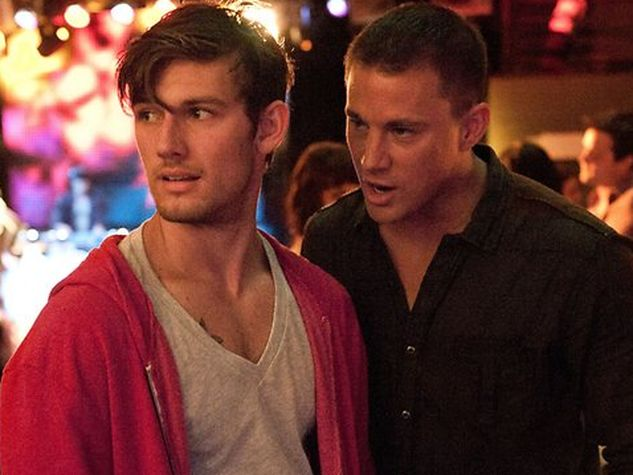
8. Alex Pettyfer and Channing Tatum
Pettyfer did not deny the tension around Magic Mike. He openly said, “Channing Tatum does not like me”, later connecting the conflict to his own reputation and a dispute over rent involving one of Tatum’s friends, as detailed in a later interview recap. That candor helped explain why fans noticed his absence from the sequel. In this case, the interview trail gave a practical answer to a casting question audiences had already been asking.
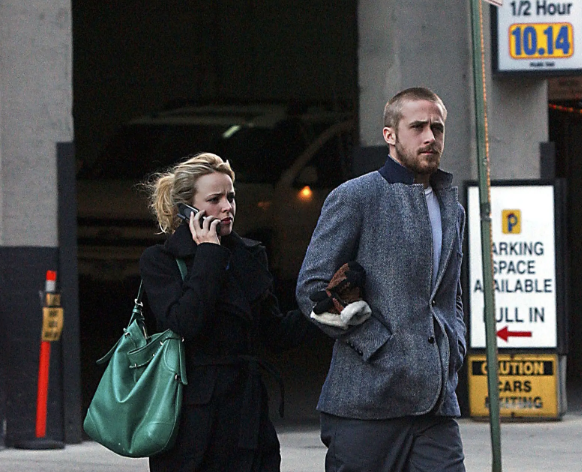
9. Ryan Gosling and Rachel McAdams
The enduring appeal of The Notebook made this feud especially irresistible. Director Nick Cassavetes said Gosling once wanted McAdams removed from set during production, despite the pair creating one of the most convincing screen romances of their era. The contrast did most of the work. A love story remembered for tenderness was built, at least in part, during a period of serious interpersonal strain.
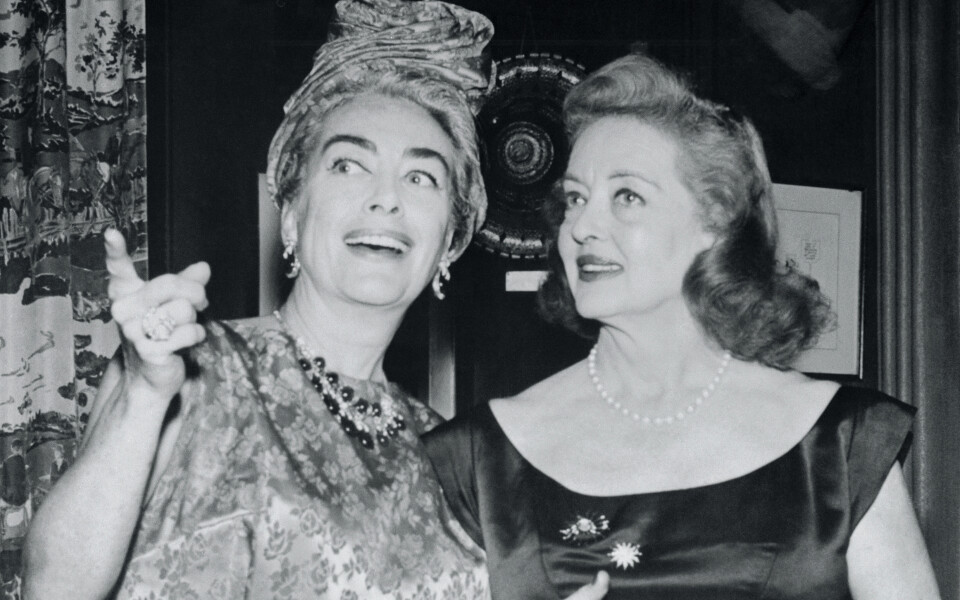
10. Bette Davis and Joan Crawford
Long before social media turned celebrity friction into a daily genre, Davis and Crawford made rivalry part of Hollywood folklore. Stories from What Ever Happened to Baby Jane? publicity, awards season maneuvering, and pointed public remarks created a feud that outlived both the film and the era that produced it.
It remains the template for the modern co-star clash: competitive, performative, and impossible to separate from the work itself. What links these stories is not just dislike. It is the moment private tension stopped being private and became part of each project’s public identity. Once that happens, interviews stop sounding like promotion and start reading like evidence.


