

The 1950s still carry a polished image of family road trips, easygoing neighborhoods, and looser rules. Yet many everyday behaviors from that era now sit squarely inside modern safety, civil rights, and animal-protection laws.
The shift was not just about stricter policing. It came from better injury science, stronger public-health standards, and a broader definition of harm that now includes children, bystanders, workers, animals, and entire communities.
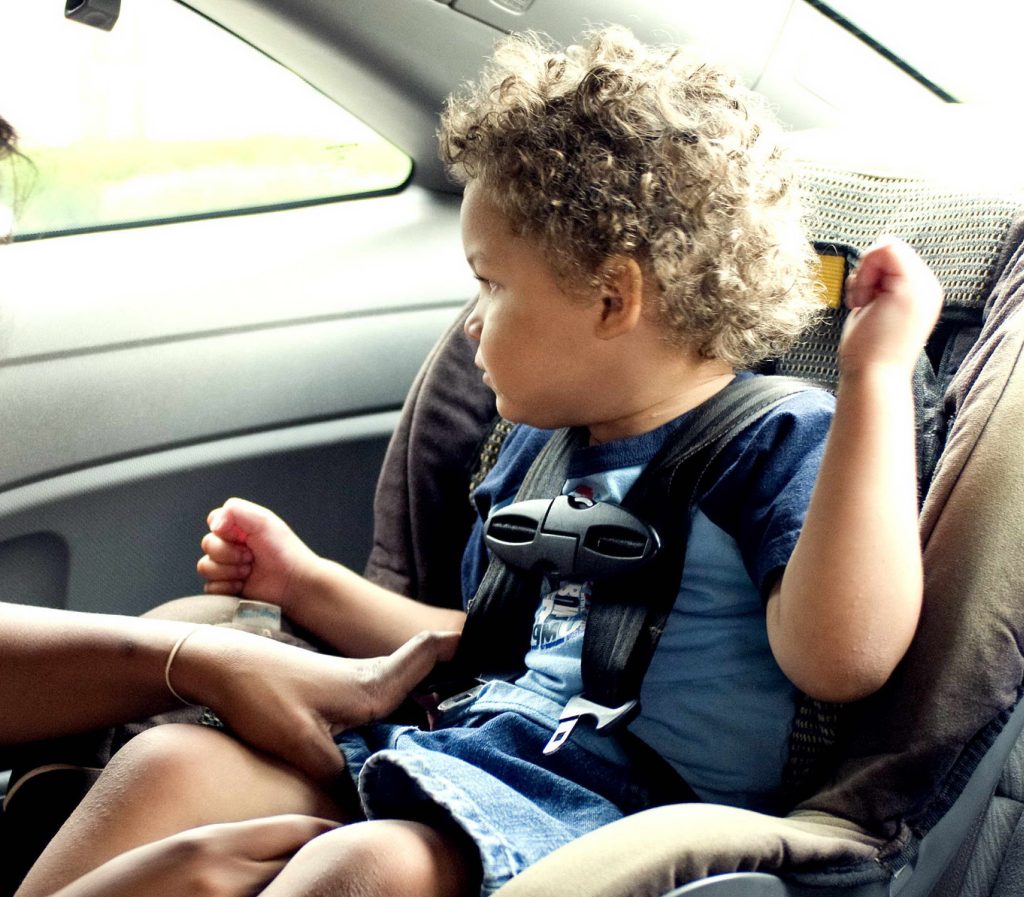
1. Letting children ride loose in a moving car
In many midcentury families, children stood on seats, crawled across back benches, or rode on an adult’s lap without much concern. Modern traffic law treats that very differently. Every state now has child restraint requirements, and seat belt use moved from optional behavior to a legal expectation after federal vehicle safety standards in the late 1960s began requiring belts in new cars. The legal risk is larger when children are involved. What once looked casual can now trigger citations, restraint violations, and in serious cases, child endangerment. Safety agencies also note that seat belts remain one of the most effective protections for vehicle occupants.
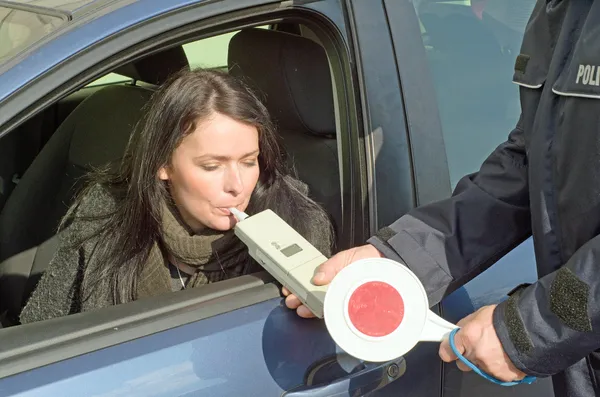
2. Treating drunk driving as a social slip instead of a crime
For much of the early car era, intoxicated driving was often viewed as poor judgment rather than a measurable public danger. That changed as states adopted drunk-driving laws and breath testing made impairment easier to prove. The modern legal framework grew stronger after the 1953 development of the Breathalyzer, which gave enforcement a numerical basis instead of relying only on observation. Today, the common benchmark in most states is 0.08% BAC for licensed drivers. Penalties can include arrest, license suspension, criminal records, and consequences that follow a person into employment and insurance matters.

3. Putting minors in the open bed of a pickup
Children riding in truck beds once passed as ordinary summer transport. Modern law increasingly treats it as an avoidable injury risk, especially for minors. Rules still vary by state, but many jurisdictions restrict or prohibit the practice outright under child passenger or roadway safety laws. A sudden stop, sharp turn, or low-speed collision can turn a familiar scene into a negligence case. What used to be waved off with “hold on tight” no longer meets today’s legal standard for safe transportation.

4. Dumping oil, paint, or chemicals behind the garage
Midcentury home maintenance often ended with used oil in a ditch, leftover paint in the soil, and broken household waste tossed into empty lots. Today, that behavior can violate hazardous waste and environmental disposal laws because contamination does not stay put. It can move into groundwater, linger in soil, and create cleanup liability years later. This is one of the clearest examples of law catching up to science. Materials once treated as clutter are now recognized as long-term pollutants, and illegal dumping can bring fines, cleanup orders, and criminal penalties.
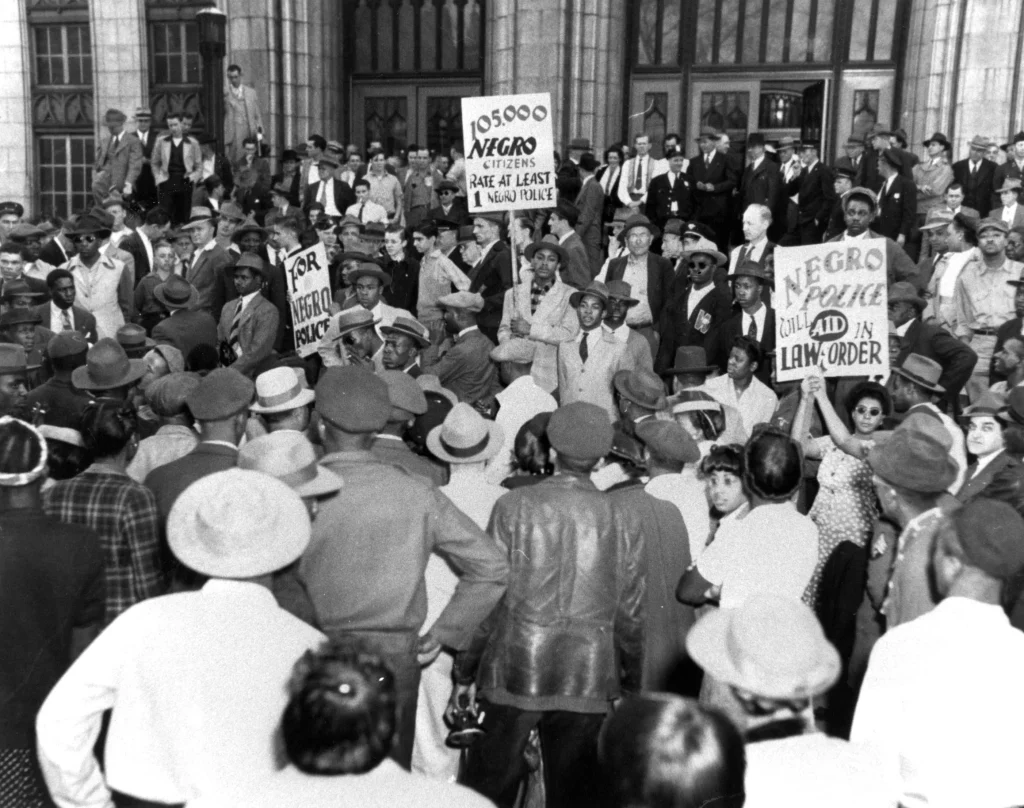
5. Enforcing segregation in public spaces
In the 1950s, racial segregation was often maintained not only by local custom but by everyday acts such as refusing service, demanding separate seating, or calling authorities to remove someone from a shared space. After the Civil Rights Act of 1964, discrimination in many public accommodations stopped being socially protected behavior and became unlawful conduct. That legal change reshaped ordinary business interactions. Denial of equal access can now lead to civil liability, enforcement action, and serious reputational damage for institutions and individuals alike.
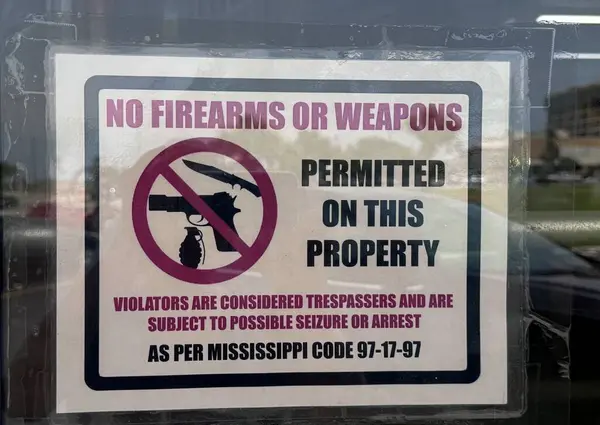
6. Bringing hunting guns onto school grounds
In some rural communities, students once kept rifles or shotguns in vehicles or even near school buildings during hunting season. Current school safety rules leave very little room for that older norm. Weapons on campus are now generally handled as serious criminal matters, not local custom. The cultural distance here is striking. What once might have earned a conversation with a principal can now lead to arrest, expulsion, and felony-level consequences, depending on the jurisdiction and the circumstances.
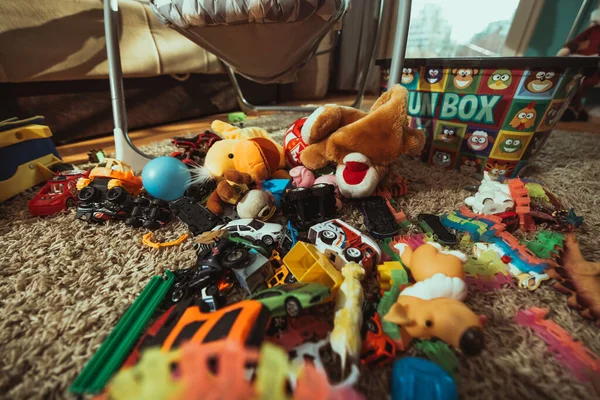
7. Selling toys with hazards modern regulators would block
Chemistry sets once contained stronger chemicals, dart games often involved sharp projectiles, and realistic pellet products were marketed with minimal warning. Today, child product standards are far tighter because regulators expect testing, labeling, and design limits before products reach families. That does not mean every vintage toy would be banned outright, but many older designs would now face recalls, lawsuits, or enforcement under consumer protection rules if sold in the same form. The legal standard has shifted toward foreseeable injury prevention, especially where children are involved.

8. Setting off fireworks in crowded neighborhoods
Backyard fireworks used to be treated as seasonal fun, even when homes were close together and roofs, trees, and dry grass sat nearby. Modern fire codes and local ordinances often classify the same activity as unlawful use of explosives or a fire hazard, particularly in dense neighborhoods or drought-prone regions. Consequences can go far beyond a warning. Property damage, injury, or brush fires can bring tickets, restitution claims, and criminal charges tied to reckless conduct.

9. Leaving visible injuries under the label of discipline
Physical punishment once received broad social protection inside homes and schools, even when it crossed into injury. That protection narrowed as child welfare law expanded, especially after strengthened federal child protection reporting in the 1970s. Today, bruises, welts, and other visible signs of harm can trigger mandatory reports by teachers, doctors, and other professionals. The legal question is no longer framed only as parental authority. It is increasingly framed as preventable injury to a child, with outcomes that can include investigations, custody consequences, and criminal charges.

10. Treating cruelty to animals as mischief
Acts that older communities sometimes dismissed as teasing, rough handling, or childish behavior are now far more likely to be prosecuted under animal cruelty laws. Federal protections expanded after the Animal Welfare Act of 1966, and many states now treat serious cruelty as a felony. Modern law does not view tormenting pets or stray animals as harmless entertainment. In many courts, it is handled as evidence of deliberate harm, with penalties that reflect a much stronger legal duty toward animal welfare.
The distance between “normal then” and “illegal now” says less about nostalgia than about what society learned over time. Car crashes, toxic exposure, discrimination, child injury, and animal abuse all moved from tolerated background behavior into clear legal boundaries. In that sense, modern law acts like a record of hard lessons. It marks the point where familiar habits stopped looking ordinary and started carrying consequences.


