
The 2026 Academy Awards ended with a split verdict that gave Hollywood two different kinds of victories to talk about. “One Battle After Another” won six Oscars, including best picture, while “Sinners” arrived with a record 16 nominations and still turned that momentum into several of the night’s most memorable wins. For viewers, the full winners list was only part of the story. The stronger takeaway came from the patterns: a best picture champion with broad Academy support, a history-making cinematography win, a new category making its debut, and a handful of genre films proving that prestige and popular appeal no longer sit as far apart as they once did.

1. “One Battle After Another” took best picture and shaped the night
The biggest award went to “One Battle After Another,” confirming the film’s steady climb through the season. Its path had looked increasingly strong after winning the Producers Guild prize, often treated as a meaningful best picture signal. By the end of the ceremony, the film had collected six trophies, giving it the broadest footprint of any title on the board. That reach mattered. The Academy did not only embrace the film in its top category; it also rewarded the work around it in directing, screenplay and below the line fields, making it the clearest example of consensus support.

2. Paul Thomas Anderson finally landed his Oscar breakthrough
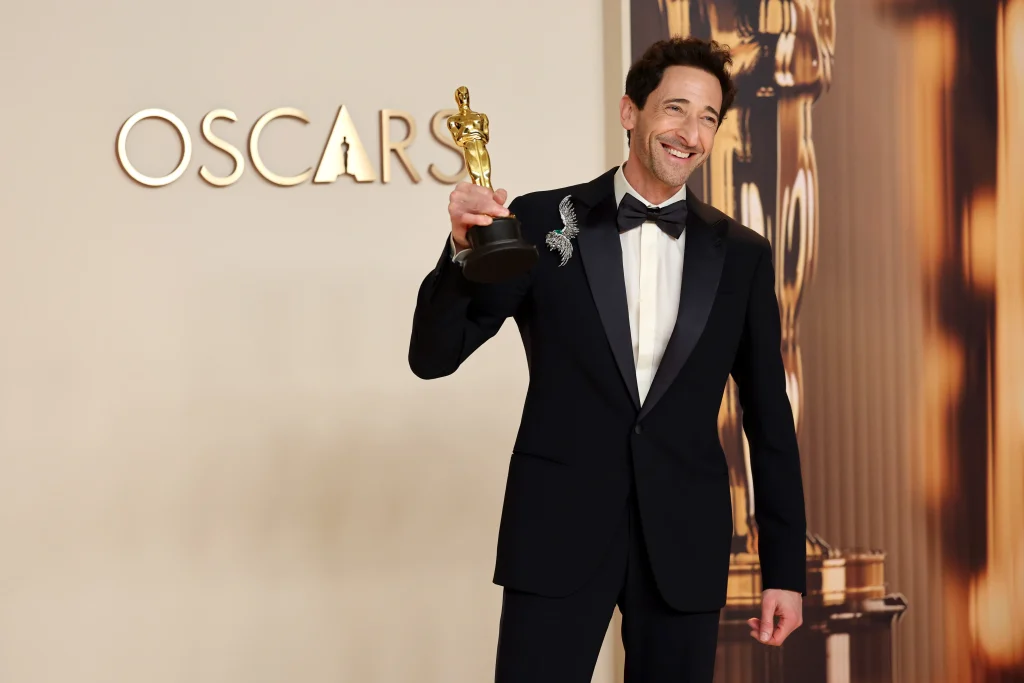
Paul Thomas Anderson won best director for “One Battle After Another,” a major milestone after years of nominations without a competitive win. He also took adapted screenplay, turning the night into a career pivot rather than just a film-specific triumph. The result gave the Oscars one of their familiar narratives: a long-admired filmmaker moving from perennial contender to winner. In a season where “Sinners” often supplied the louder conversation, Anderson’s film ended up looking like the Academy’s preferred all-around choice.
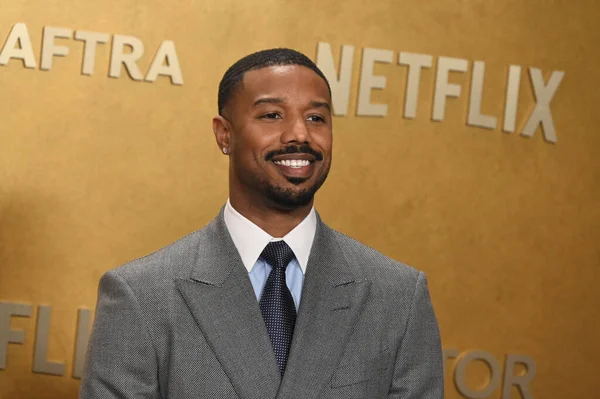
3. Michael B. Jordan turned “Sinners” into an acting winner
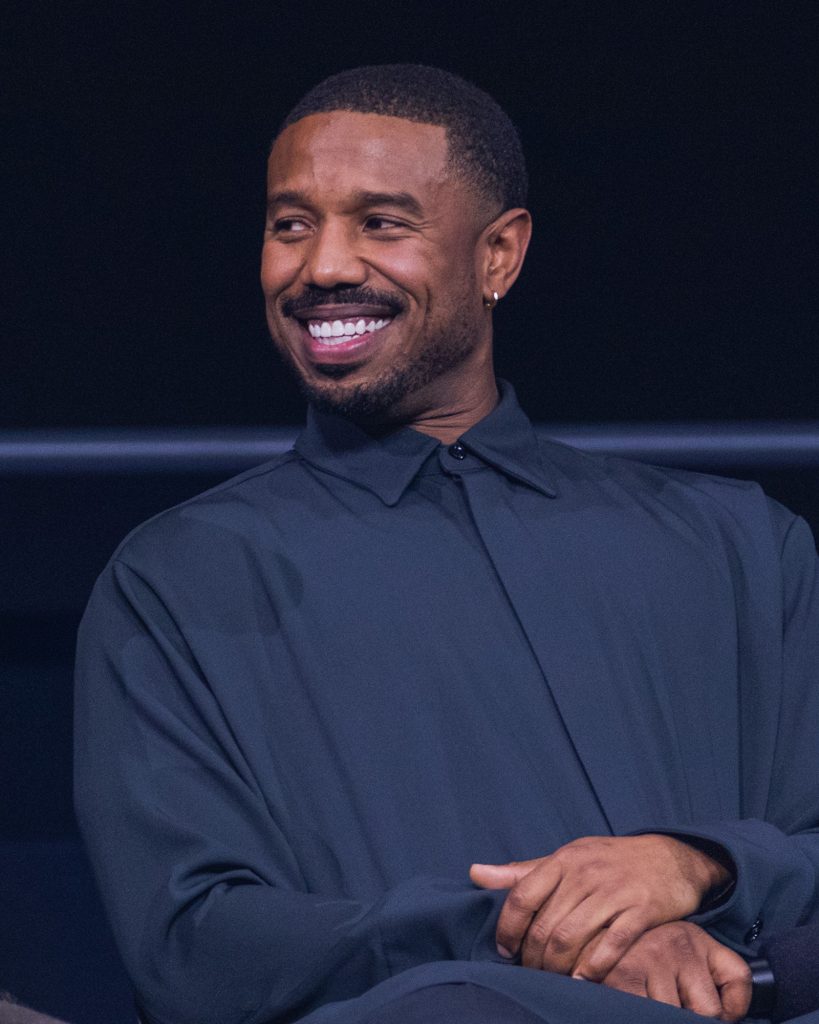
Best actor went to Michael B. Jordan for “Sinners,” one of the ceremony’s most visible signs that the film’s momentum translated beyond nominations. The performance had been framed all season as one of the category’s strongest, and the final vote confirmed that “Sinners” was not only a technical or screenplay player. His win also helped define the evening’s dual-track identity: “One Battle After Another” dominated the overall haul, but “Sinners” still claimed some of the awards with the strongest cultural afterglow.

4. Jessie Buckley gave “Hamnet” its emotional centerpiece
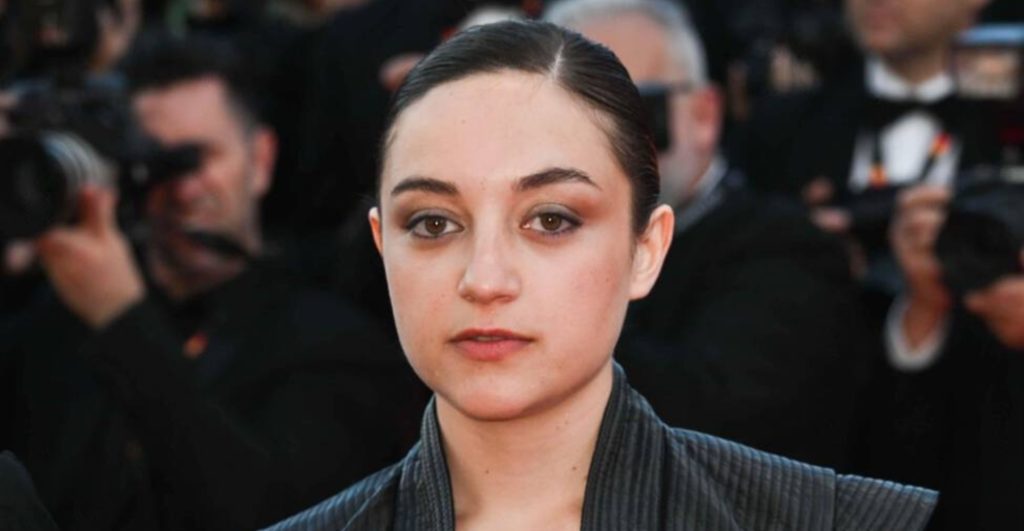
Jessie Buckley won best actress for “Hamnet,” delivering the film’s only Oscar but arguably its most visible one. Her performance had built a serious reputation across the season, with awards watchers treating her as the category’s late-stage standard-bearer. That left “Hamnet” with a smaller total than some expected, yet a lead acting Oscar often reshapes a film’s legacy. Instead of being remembered for what it missed, “Hamnet” now has a defining signature win.
5. “Sinners” made Oscars history in cinematography
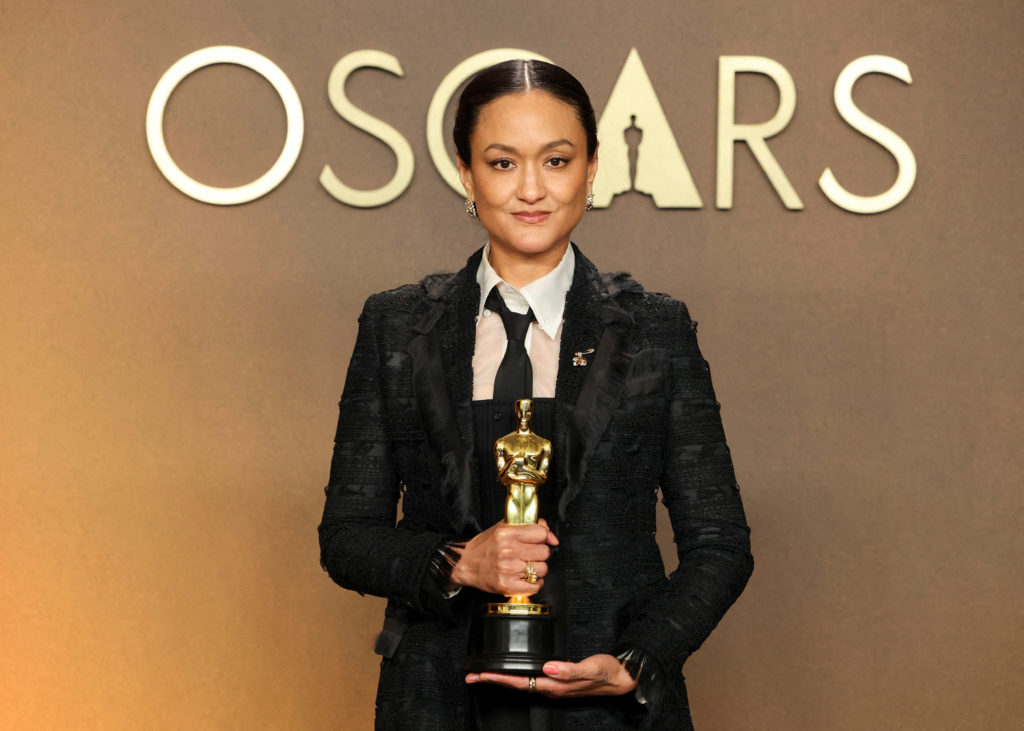
One of the night’s most significant milestones came when Autumn Durald Arkapaw won best cinematography for “Sinners.” The victory made her the first woman to win the category, turning a major craft race into a historic Academy moment. The win also underscored how visually ambitious “Sinners” was considered across the industry. Awards-season analysis had highlighted the film’s use of large-format camerawork and standout set pieces, and the Oscar vote validated that technical admiration in unmistakable terms.
6. The Academy’s new casting Oscar began with a statement win
2026 introduced the first new Oscar category in more than 20 years: best casting. The inaugural award went to “One Battle After Another,” adding another layer to the film’s best picture profile. New categories always reveal what the Academy wants to emphasize about moviemaking in that era. In this case, the result recognized ensemble construction as a visible creative achievement rather than a background function, and it gave the night a built-in piece of institutional history.

7. “Frankenstein” ruled the design fields
“Frankenstein” did not compete for the top prize at the same winning level as the evening’s leaders, but it became the dominant design showcase. The film won costume design, makeup and hairstyling, and production design, a trio that highlighted its crafted, world-building appeal. That cluster of awards reflected a classic Oscars pattern: when a film creates a complete visual environment, the Academy often rewards it across multiple art departments. “Frankenstein” became the clearest example of that principle this year.

8. “KPop Demon Hunters” converted popularity into major recognition
Best animated feature went to “KPop Demon Hunters,” and the film also won best original song for “Golden.” Its success suggested that mainstream reach and awards credibility can now reinforce each other rather than compete for space. Before the ceremony, awards analysts noted that the movie had swept all 10 of its Annie Award nominations. Oscar voters followed that energy, giving the film a strong final-night validation beyond family-audience popularity.
9. A tie in live-action short gave the ceremony an unusual footnote
The live-action short category ended in a tie between “The Singers” and “Two People Exchanging Saliva.” It was a rare result and an instant talking point, especially because ties remain unusual in Academy history. Short-film categories rarely dominate post-show conversation, but this outcome did exactly that for a moment. It added a bit of ceremony lore to a year already marked by a new category and a historic cinematography win.
10. The winners list showed a wider Academy taste map
Viewed as a whole, the 2026 winners list stretched across prestige drama, genre filmmaking, animation, documentary and large-scale franchise spectacle. “Avatar: Fire and Ash” won visual effects, “F1” took sound, “Mr. Nobody Against Putin” won documentary feature, and “Sentimental Value” claimed international feature. That spread made the ballot feel less narrow than the best picture race alone might suggest. The Academy’s top choice was clear, but the overall results showed an organization willing to reward very different kinds of filmmaking across the same night.
The 2026 Oscars were not defined by a single sweep so much as a layered distribution of influence. “One Battle After Another” won the crown, “Sinners” claimed history and star power, and several other films left with category-defining signatures. For anyone scanning the full winners list, the names matter. For anyone reading the night as a snapshot of where the Academy is heading, the patterns matter even more.