
Hollywood has always had room for reinvention, and names are often part of that story. Sometimes a shorter name fits better on a poster. Sometimes a nickname becomes the brand. Sometimes the switch creates distance between private life and public image.
For a number of Black actors, the name audiences know is not the one that first appeared on a birth certificate. Here are some of the most recognizable examples, along with the real stories behind the names that stuck.
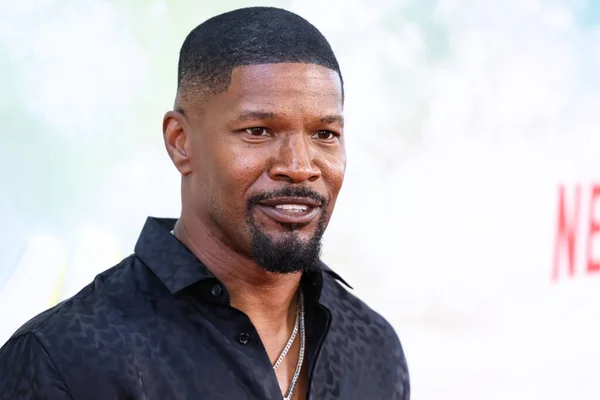
1. Jamie Foxx
Jamie Foxx was born Eric Marlon Bishop. His stage name came out of the stand-up circuit, where he wanted a name that sounded gender-neutral because women were often called up earlier at comedy open mics. That practical decision turned into one of the most recognizable names in entertainment, long before he became an Oscar winner for Ray.
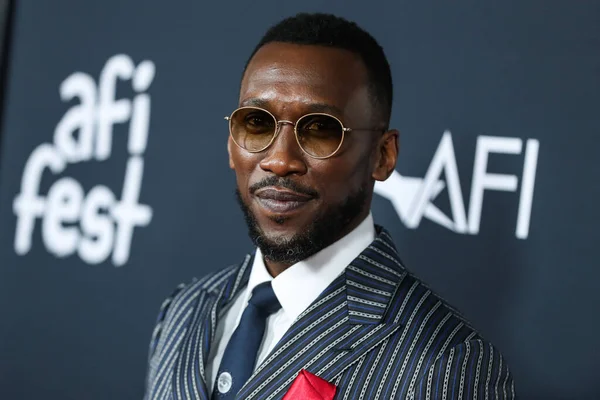
2. Mahershala Ali
The actor known for Moonlight and Green Book was born Mahershalalhashbaz Ali Gilmore. His professional name keeps the most distinctive part while trimming what appears in credits. A longer version of his name has been publicly noted in Mahershalalhashbaz Ali Gilmore, reflecting both personal identity and a screen name that is easier to place on posters and awards ballots.
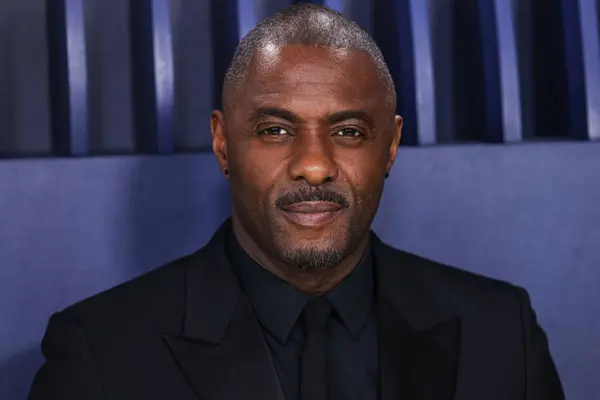
3. Idris Elba
Idris Elba was born Idrissa Akuna Elba. He has said the shortened version emerged during childhood after teasing over his first name. The change was small, but it gave him the streamlined name now attached to roles in The Wire, Luther, and a long list of major films.
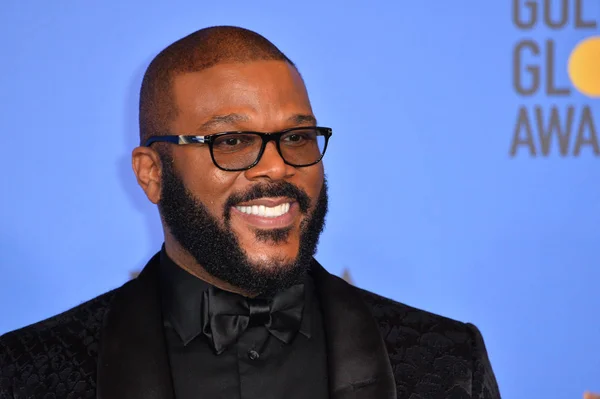
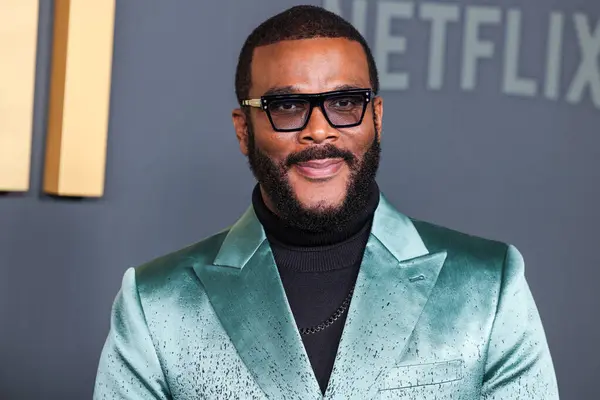
4. Tyler Perry
Tyler Perry entered the world as Emmitt Perry Jr. He legally changed his first name as a teenager to separate himself from his father, a deeply personal move that became permanent in public life as well. That chosen name is now attached to a vast entertainment empire, including a major film production facility tied to his studio legacy.
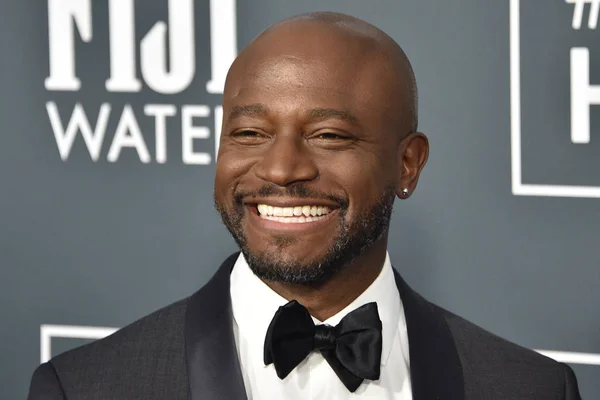
5. Taye Diggs
Taye Diggs was born Scott Leo Diggs, but the name audiences know came from a family-and-friends nickname. According to biographical accounts, “Taye” grew out of a playful variation of “Scotty.” It gave him a distinctive professional identity early in his theater career and has stayed with him through film and television.
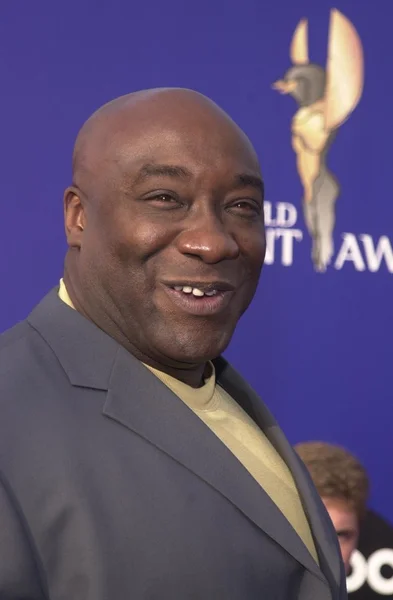
6. Ving Rhames
Before film audiences knew him as Ving Rhames, his full name was Irving Rameses Rhames. “Ving” came from shortening Irving, and the result had a sharper, more memorable rhythm for screen credits. It is now inseparable from his decades of work, from prestige dramas to action franchises.
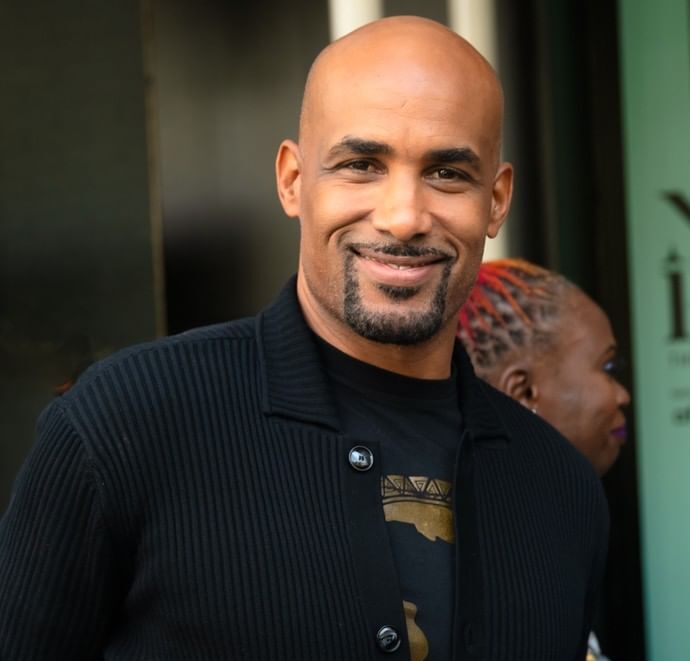
7. Boris Kodjoe
Boris Kodjoe’s full birth name is Boris Frederic Cecil Tay-Natey Ofuatey-Kodjoe. The shorter professional version kept the surname audiences know while making his name easier to navigate in American entertainment. It also leaves room for a rich family background that reflects both Ghanaian and German heritage.
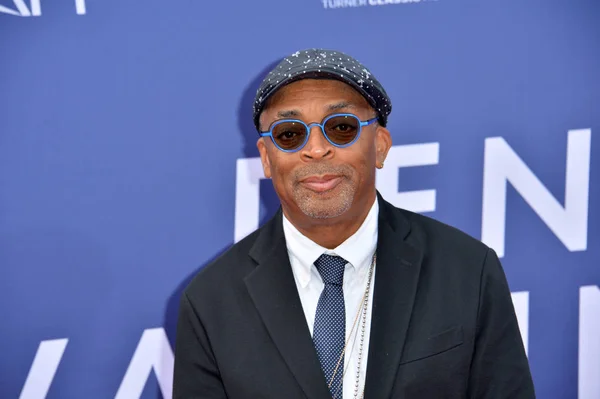
8. Spike Lee
Spike Lee was born Shelton Jackson Lee, but “Spike” took over so fully that many viewers never learn the original name. The nickname reportedly came from his mother when he was very young. In his case, the stage name does not sound manufactured at all; it feels inseparable from the filmmaker and on-screen personality the public has known for decades.
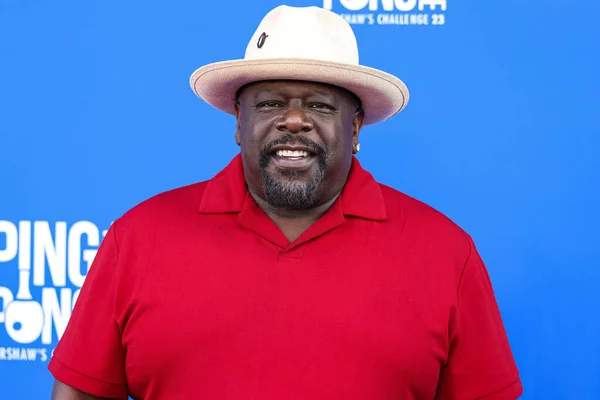
9. Cedric the Entertainer
Cedric the Entertainer was born Cedric Antonio Kyles. Instead of replacing his first name, he expanded it. The added title turned a common first name into a full performance identity, one that signaled range and showmanship before audiences even saw the act. It remains one of the most distinctive professional names in comedy and acting.
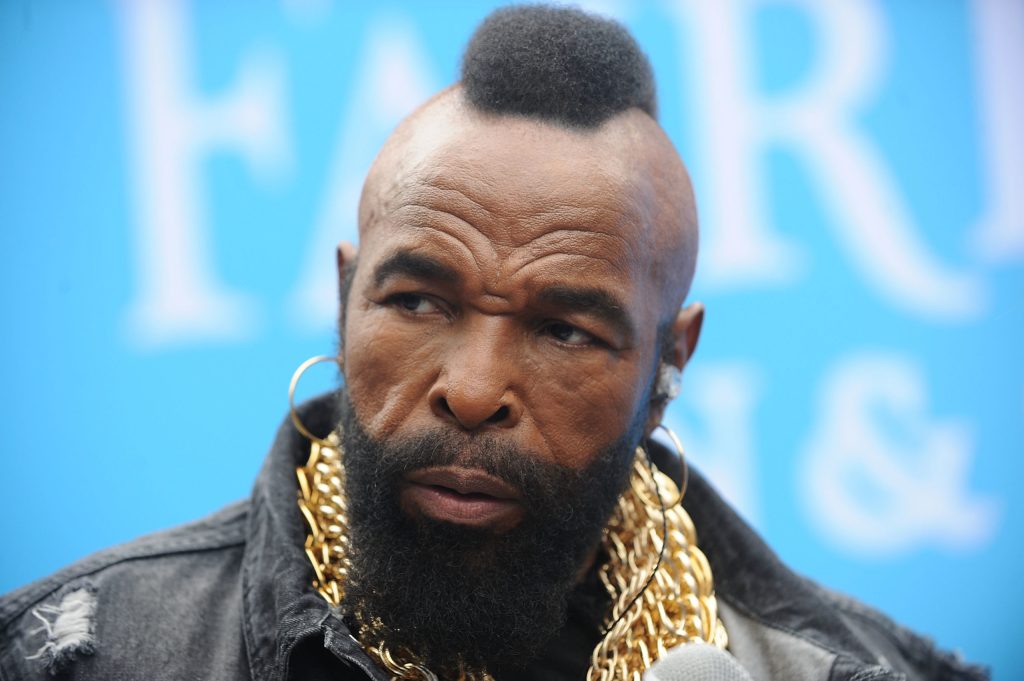
10. Mr. T
Mr. T was born Laurence Tureaud, and his professional name was chosen with purpose. He wanted to be addressed with respect at all times, and “Mr. T” made that nonnegotiable. Few stage names have ever been this direct, and even fewer have become so instantly recognizable across television, film, and pop culture.
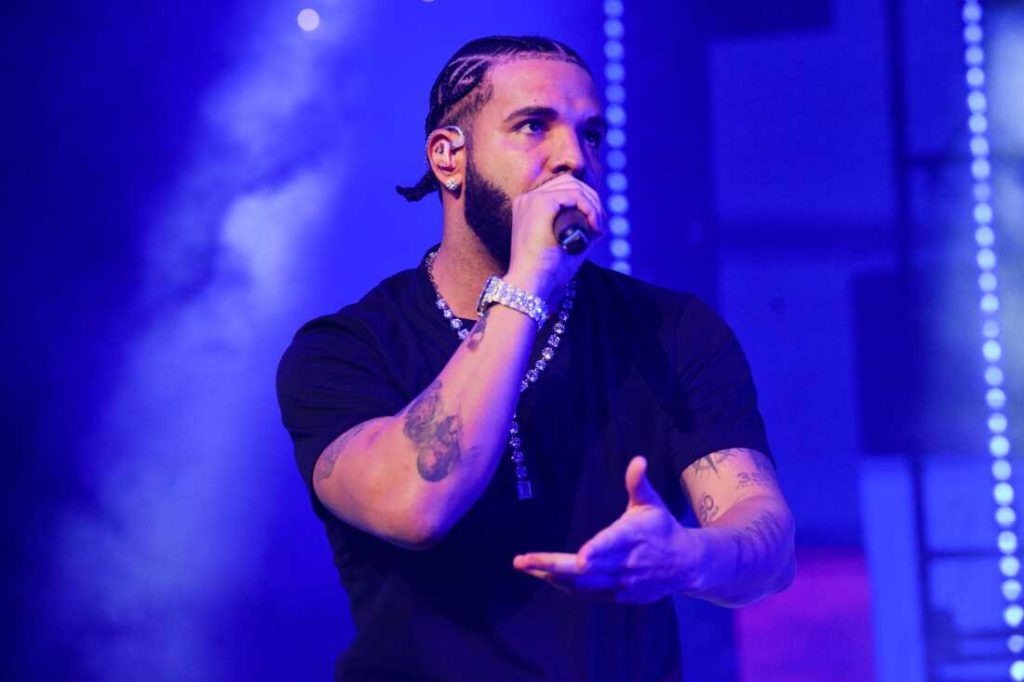
11. Drake
Drake was born Aubrey Drake Graham. Early television audiences knew him by Aubrey while he was on Degrassi, but his music and acting brand eventually centered on his middle name. The switch follows a wider entertainment pattern noted by going by a middle name, especially when it creates a cleaner public identity.
These names did more than tidy up credits. They helped shape personas, protect personal boundaries, and make performers easier to remember in an industry where branding matters almost as much as talent. And in several cases, the chosen name did not erase personal history at all. It simply gave that history a sharper spotlight.


