
Trust with a dog is rarely lost in one dramatic moment. More often, it wears down through small, repeated interactions that leave the dog unsure whether home is predictable, safe, and respectful.
Because dogs communicate mostly through posture, facial tension, movement, and distance, many trust setbacks begin when people miss what the dog is already saying. Learning to notice those patterns can protect the relationship before frustration turns into avoidance, stress, or conflict.
1. Forcing physical contact the dog did not choose
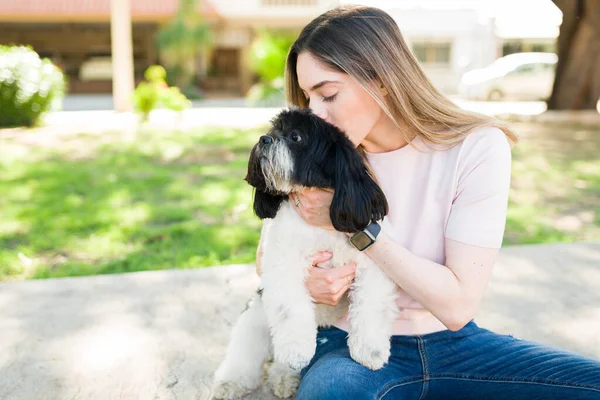
Many dogs enjoy closeness, but trust weakens when touch happens on human terms only. Leaning over a dog, hugging tightly, cornering them on the couch, or insisting on kisses can feel intrusive rather than affectionate. Fearful or uncomfortable dogs often show quiet signals first, including lip licking, yawning, avoiding eye contact, or a tucked posture.
When those signals are ignored and the contact continues, the dog learns that moving away does not work. Over time, that can produce a dog who freezes, withdraws, or escalates more quickly because subtle communication has failed.

2. Ignoring body language until the dog reacts
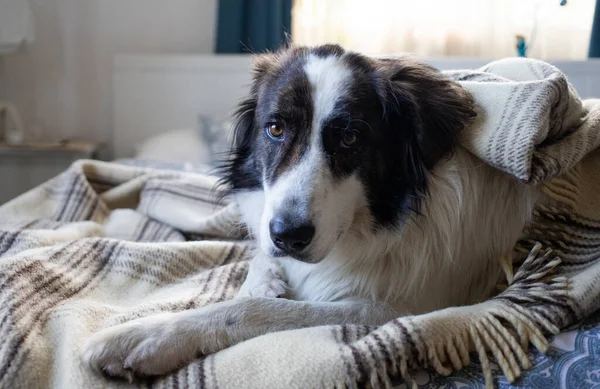
Dogs usually communicate discomfort long before a growl or snap. A stiff body, closed mouth, hard stare, whale eye, lowered tail, or sudden stillness can all signal that the dog is no longer comfortable. A wagging tail is not always a sign of happiness.
Reading the whole dog matters more than focusing on one body part. According to early stress and fear signals, discomfort often appears before biting or overt reactivity. When those warnings are missed day after day, the dog learns that communication does not bring relief, which can erode trust inside ordinary home routines.
3. Turning care tasks into wrestling matches
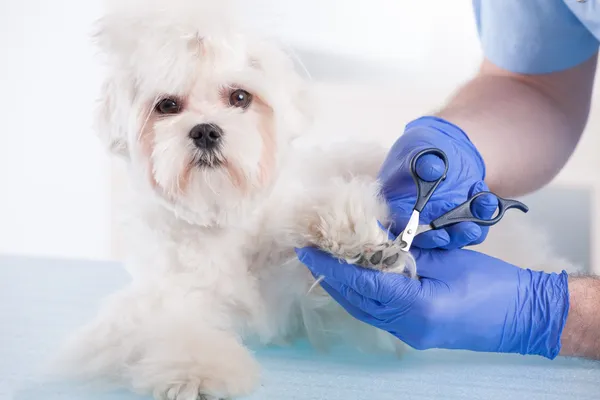
Nail trims, ear cleaning, tooth brushing, wiping muddy paws, and medication are part of daily life for many dogs. But when every care task begins with chasing, pinning, grabbing, or holding the dog still by force, the routine stops feeling cooperative.
A strong bond is often visible when care tasks are stress-free. The opposite is also revealing. If the dog flees at the sight of the nail clippers or stiffens the moment a hand reaches for a paw, the issue is not stubbornness alone. Repeatedly making necessary care feel unavoidable and frightening can teach the dog that human hands predict discomfort.
4. Taking things away without teaching safe exchange
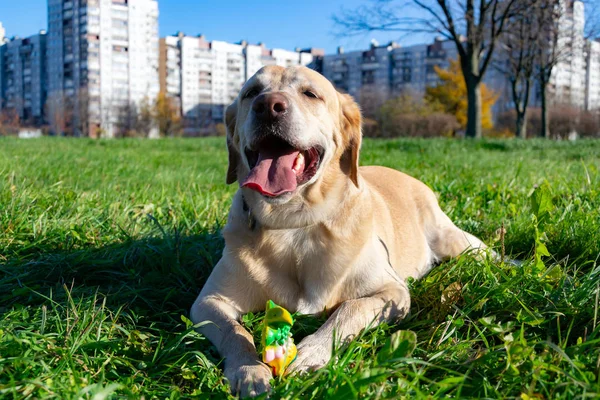
Dogs notice patterns around valued items. If toys, chews, food bowls, or found objects are regularly grabbed away, the dog may begin to guard possessions more intensely or avoid human approach during quiet moments. This habit often develops unintentionally in homes trying to prevent trouble.
Yet constant confiscation can make people seem unpredictable around resources. A dog that shows whale eye, stillness, or a tightened mouth near a bowl or chew is not being dramatic; the dog is communicating unease. Trust grows when people trade, redirect, and manage the environment instead of repeatedly proving that approach means loss.
5. Correcting harshly when the dog is confused or stressed
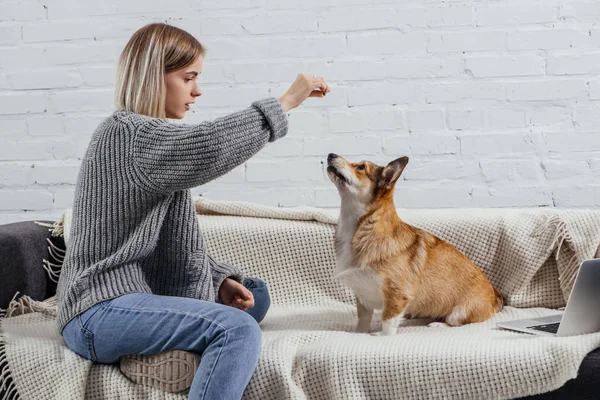
Yelling, leash jerks, repeated scolding, and punishment during fear-based behavior can quickly damage a dog’s sense of safety. Dogs depend on people for food, access outdoors, routine, and security, so unpredictable corrections carry extra weight.
Training built on collaboration tends to strengthen the relationship, while frequent harshness chips away at it. Pet behavior guidance notes that making a habit of yelling at your dog will chip away at trust. That is especially true when the dog was signaling stress first. A dog who yawns, freezes, licks lips, or backs away is showing pressure, not defiance, and punishment in that moment can link the owner with the discomfort itself.

6. Pushing the dog into situations that feel overwhelming
Home is not automatically easy for every dog. Guests at the door, children running through rooms, loud appliances, handling by visitors, and crowded family gatherings can all overwhelm a sensitive dog. Trust weakens when the dog repeatedly looks for support and none arrives.
Dogs that feel trapped may retreat, hide, freeze, tremble, or tuck their tails, and these behaviors are often misunderstood as bad manners instead of distress. Longer-term confidence work often begins by giving the dog a predictable retreat area and respecting it as a no-pressure zone. Without that option, the dog may stop seeing the home as a place where boundaries are protected.
7. Overlooking the dog’s everyday needs and natural preferences
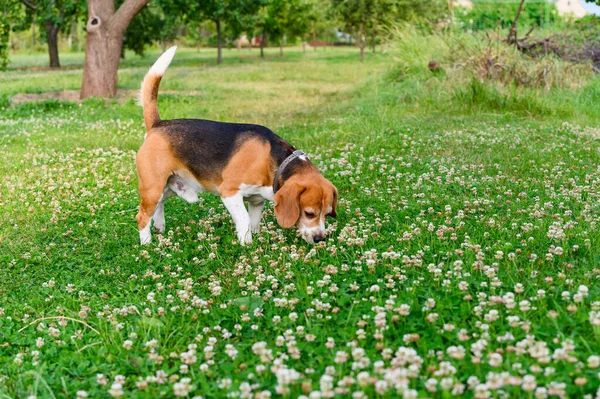
Trust is also shaped by the routine around a dog, not just by big interactions. Dogs need rest, choice, movement, sniffing opportunities, and a lifestyle that fits their energy and temperament. When a dog is constantly rushed, under-stimulated, overhandled, or expected to tolerate a life that does not match their normal behavior patterns, frustration builds.
Some dogs need quiet decompression after visitors leave. Others need problem-solving games, sniff walks, or more predictable structure. As Veterinary Partner explains, building trust means respecting their needs and normal canine social behaviors. Dogs do not separate those daily experiences from the relationship; they absorb them as part of whether the household feels safe and fair.

Most trust breaks at home are subtle. They show up in the dog that hesitates before approaching, stiffens during handling, guards objects more intensely, or stops using soft signals because those signals have gone unanswered.
The repair usually starts in equally quiet ways: noticing body language sooner, offering more choice, making care routines gentler, and becoming more predictable. For dogs, trust is built from repetition, and they remember which patterns make them feel secure.


