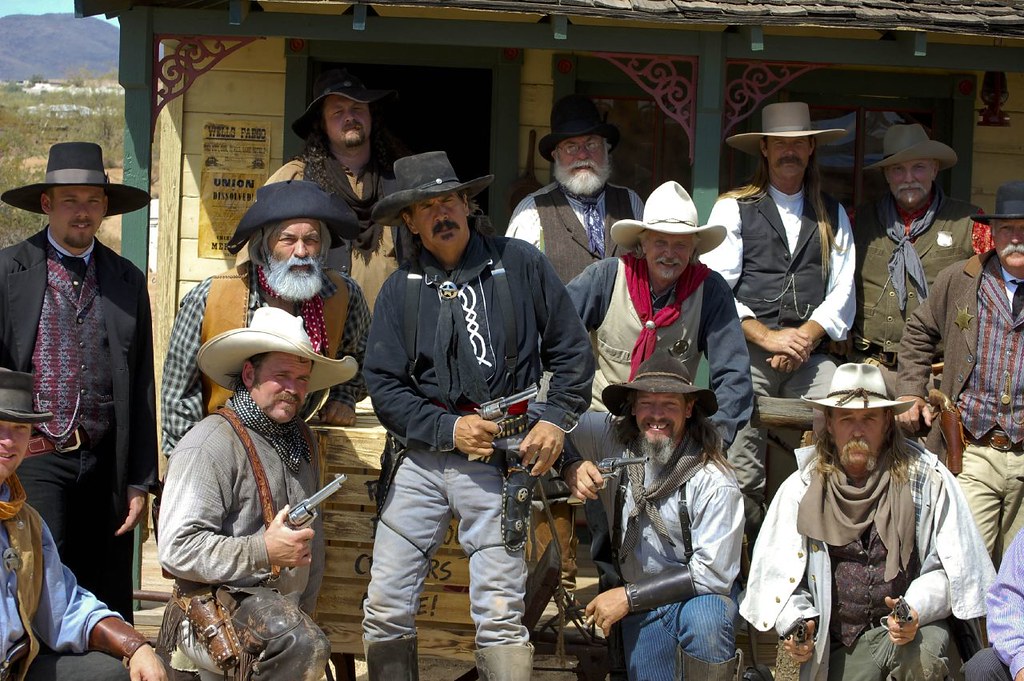
The American frontier produced figures whose names lasted far longer than the towns, trails, and feuds that first made them known. Some were officers of the law, some were outlaws, and some moved between both worlds with striking ease. Their reputations grew through court records, newspaper coverage, and later retellings that often blurred fact with performance.
What keeps these gunfighters in public memory is not only violence. It is the way each life reveals a different side of the West: celebrity, disorder, personal mythmaking, and the thin line between authority and notoriety.
1. Wild Bill Hickok
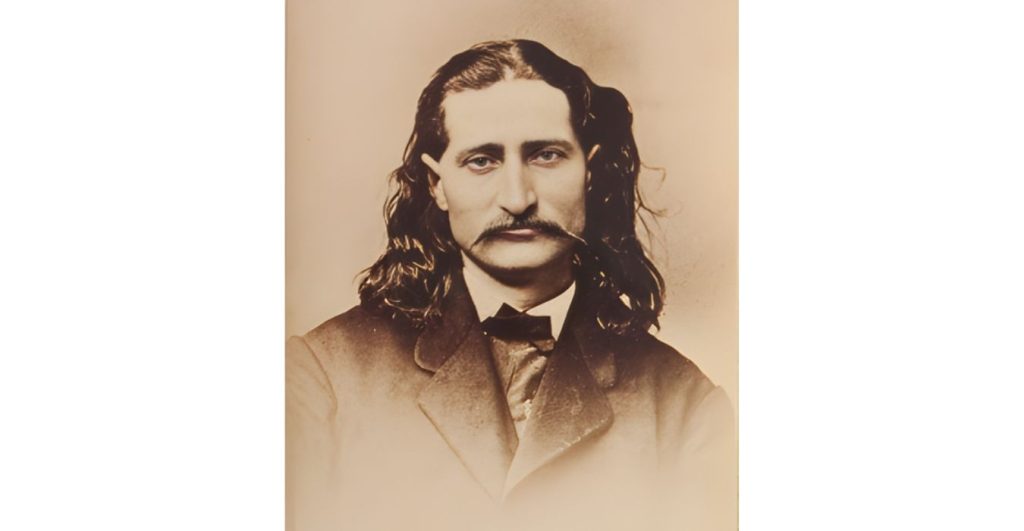
James Butler Hickok became one of the clearest early models for the frontier gunfighter: part scout, part lawman, part public spectacle. His 1865 duel with Davis Tutt in Springfield, Missouri, is still remembered because it was one of the rare Western face-offs conducted at distance rather than in the later popular image of a sidewalk quick draw. That distinction mattered. It helped build Hickok’s image as a man of nerve and control rather than theatrical speed. His fame widened through newspapers and dime novels, which turned a working frontier figure into a national personality. Hickok later joined Buffalo Bill Cody’s performances, showing how quickly frontier violence could be repackaged into entertainment. His death in Deadwood in 1876, shot from behind while playing cards, fixed him in legend as both a skilled marksman and a man overtaken by the same danger that made him famous.
2. Belle Starr
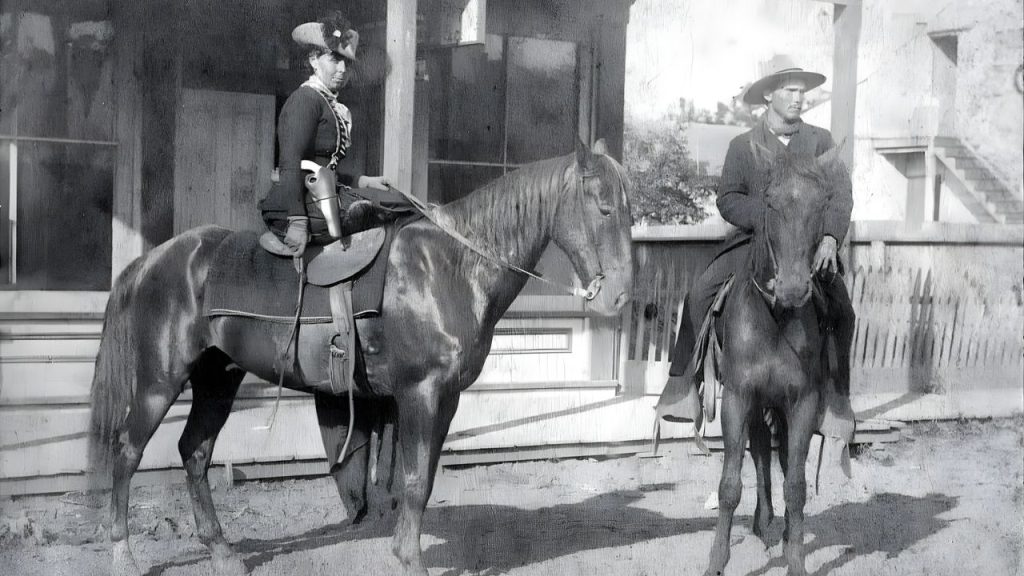
Belle Starr stood out because frontier notoriety was so often told as a male story. Born Myra Maybelle Shirley Reed Starr, she became linked with well-known outlaw circles, including men associated with Jesse James and the Younger brothers. Her public image was carefully remembered through style as much as crime: dark riding clothes, dramatic hats, and a defiant presence that helped turn her into the so-called Bandit Queen. She was tied to horse theft, harboring fugitives, and a wider outlaw network that moved through the Indian Territory and surrounding regions. Her murder near her Oklahoma home in 1889 was never solved, and that lack of closure strengthened her afterlife in folklore. The uncertainty around her final moments left behind the kind of mystery that frontier legend tends to preserve.
3. Doc Holliday
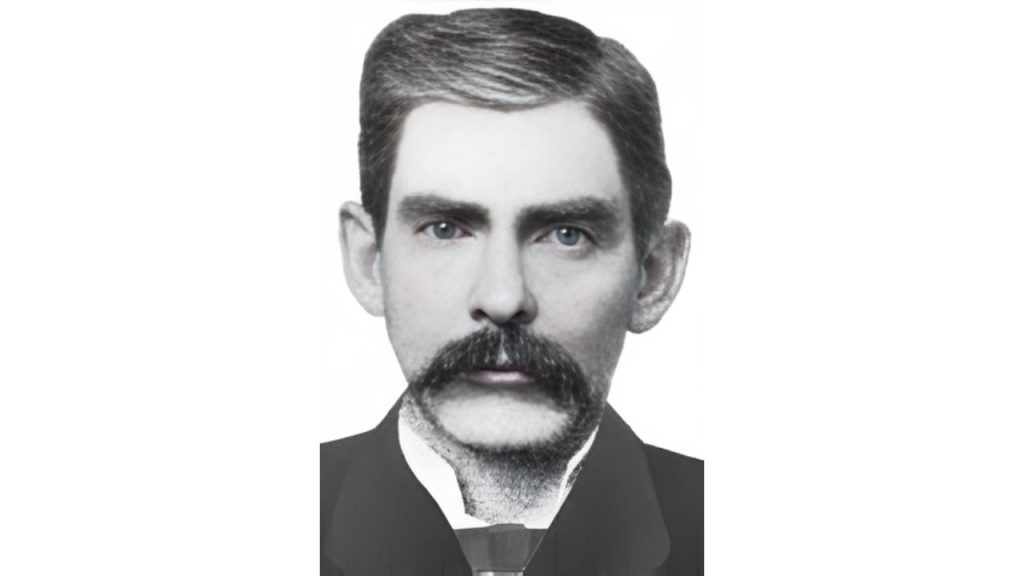
John Henry Holliday entered Western legend through an unlikely doorway: dentistry. He had graduated from dental school in 1872, but tuberculosis pushed him west, where dry air, gambling rooms, and saloons replaced the profession he had trained for. The shift gave his story an unusual tension. He was educated and visibly ill, yet he built a reputation as a dangerous gambler and gunman. His friendship with Wyatt Earp placed him at the center of the 1881 fighting in Tombstone. Holliday’s name remains closely tied to the Gunfight at the O.K. Corral and the violence that followed the attacks on the Earp brothers. He died in Colorado in 1887 at just 35, still marked by the disease that had redirected his life. That contrast between physical decline and hard-edged reputation helped make him one of the West’s most enduring characters.
4. John Wesley Hardin
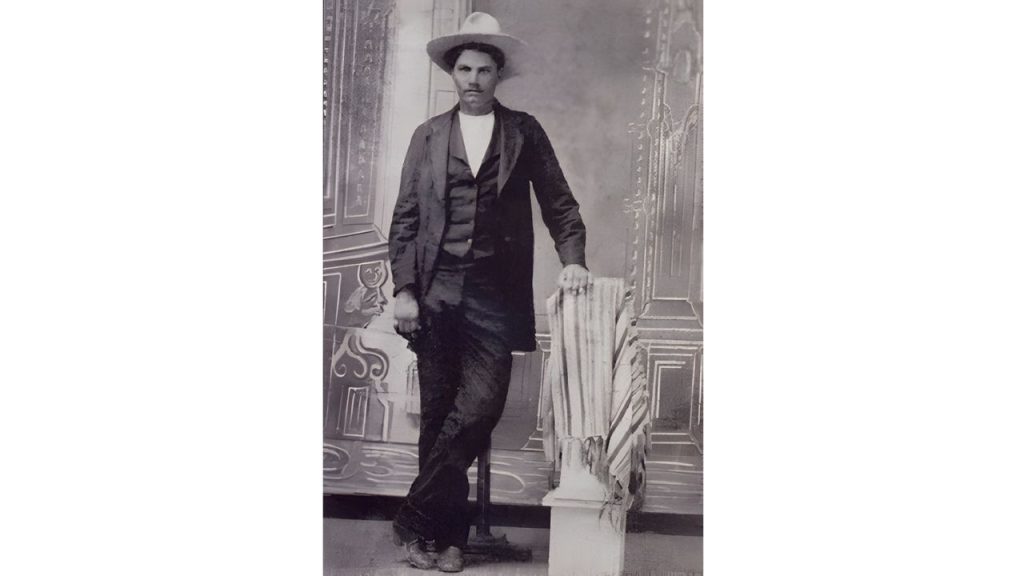
John Wesley Hardin was among the most feared men of the period because his violence appeared both frequent and personal. The son of a Methodist minister, he later claimed an enormous body count, though historians have long treated the highest numbers with caution. Even so, his reputation rested on repeated killings, quick escalation, and a hair-trigger temper that made him notorious across Texas and beyond. Hardin’s life also carried the strange reversals common in frontier biography. After his arrest in 1877, he served 17 years in prison and studied law. That attempt at reinvention did not erase his past. In 1895, he was shot in the back of the head in an El Paso saloon, a fittingly abrupt end for a man whose life had been shaped by sudden violence.
5. Jesse James
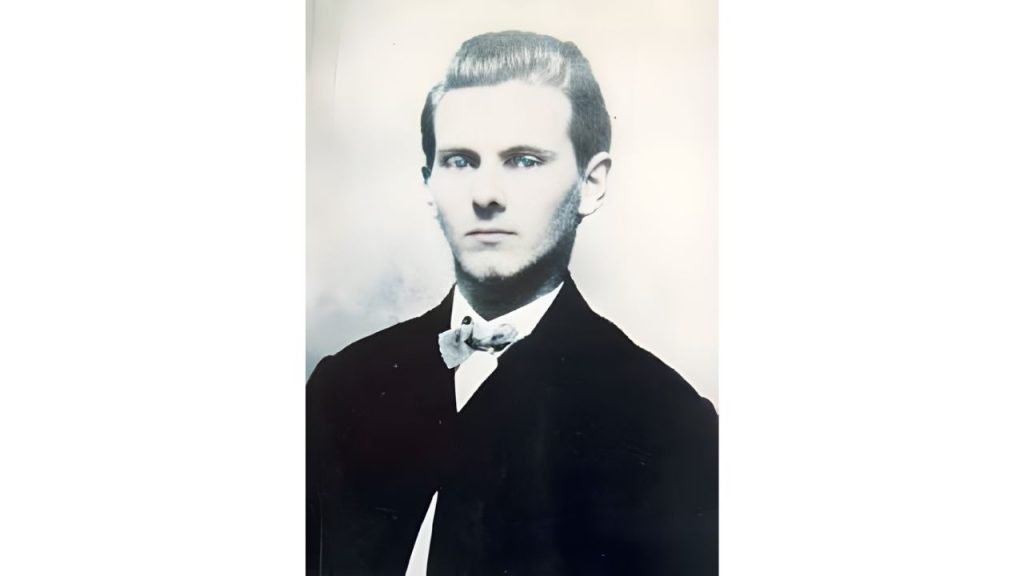
Jesse James became larger than his crimes because the public story built around him was never just about robbery. A former Confederate guerrilla, he led the James-Younger Gang in bank, train, and stagecoach raids that made him infamous. Yet press coverage often framed him as a rebel figure standing against postwar power, even though his record showed calculated criminal violence rather than charity. That split between fact and folk hero kept his name alive. He was killed in 1882 by Robert Ford, a member of his own circle, while at home and off guard. The manner of his death deepened the legend, turning an outlaw’s end into a national tableau of betrayal.
6. King Fisher
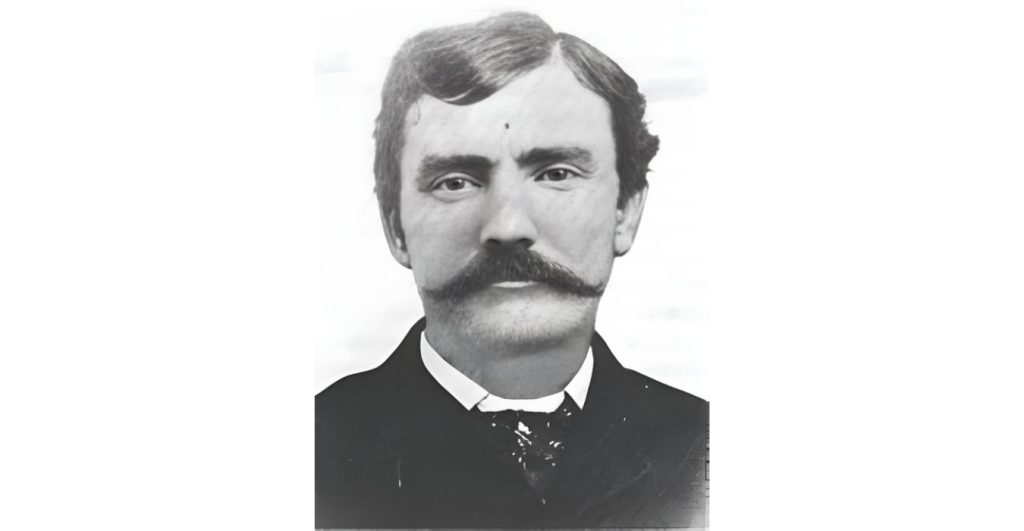
John King Fisher embodied the frontier’s unstable moral categories. He was known as a cattle thief and killer, but he also served at times in law enforcement, making him one of many Western figures who did not remain neatly on one side of legality. His public persona added to the intrigue: fine clothing, confidence, and social ease wrapped around a reputation for deadly force. Fisher was killed in an ambush in San Antonio in 1884. His story remains compelling because it shows how often authority and criminality overlapped in the West. Men like Fisher were not exceptions to frontier life. They were part of its operating logic.
7. Billy the Kid
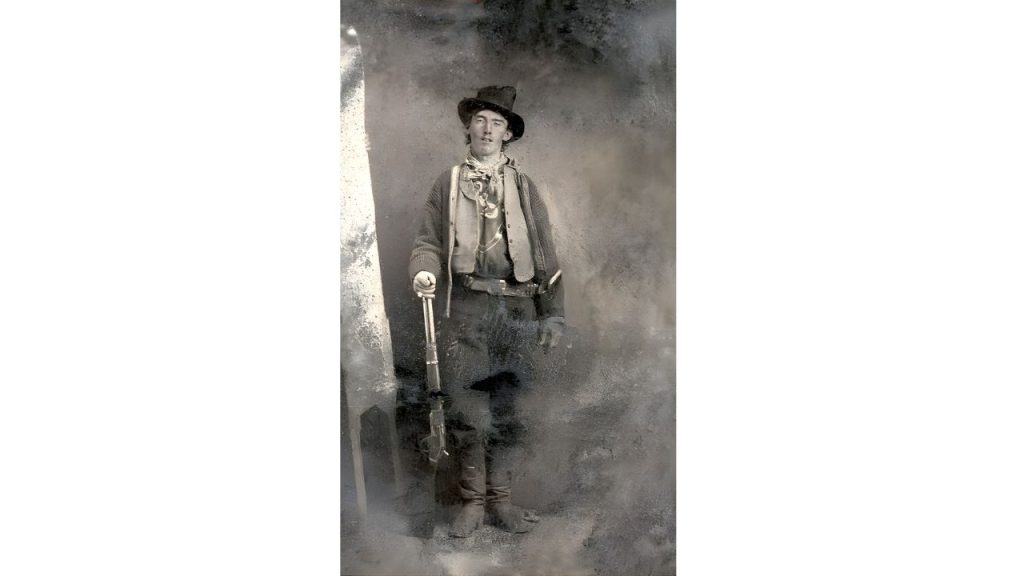
Billy the Kid remains one of the best-known Western outlaws largely because youth never stopped defining his image. Born Henry McCarty and later also known as William H. Bonney, he was orphaned at age 15 and drifted quickly into theft, fugitive life, and armed conflict. His rise to notoriety accelerated during the Lincoln County War in New Mexico, where personal loyalty, business rivalry, and local power struggles fed into open bloodshed. The familiar claim that he killed 21 men has long outlived the evidence, but the myth proved durable because it fit the image of the smiling young outlaw who seemed too young for the life he had entered. After conviction and sentence, he escaped custody and killed two deputies before Sheriff Pat Garrett tracked him down in 1881. As of 2025, only one authenticated photograph of Billy the Kid exists, a reminder that his legend became much larger than the surviving record.
8. Tom Horn
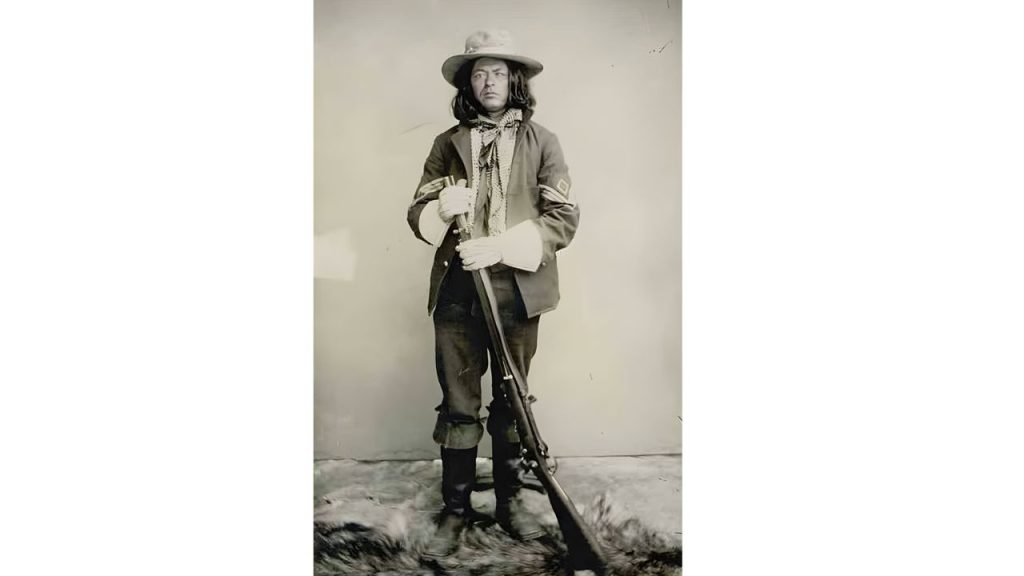
Tom Horn represented a harsher side of frontier violence, one tied less to personal fame than to hired power. A scout, tracker, and gunman, he became associated with the cattle conflicts that pitted wealthy ranching interests against suspected rustlers. In that world, skill with a rifle could become a paid instrument of economic control. His name is most often linked to the killing of 14-year-old Willie Nickell, a crime for which Horn was convicted and hanged in 1903. Debate over the case never fully disappeared, but his reputation has remained bound to the idea of the professional enforcer.
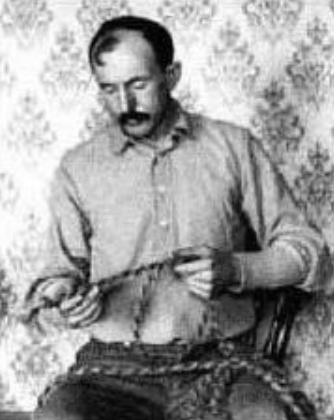
Unlike the more romantic outlaws, Horn’s story exposes how much of frontier violence was rooted in property, influence, and organized power. Taken together, these figures show that the West’s gunfighter tradition was never one single type. It included performers, drifters, officers, rustlers, and hired killers, all shaped by a region where public identity could change as quickly as alliances. Their stories still endure because they reveal more than marksmanship. They show how myth grows around conflict, and how the frontier turned contested lives into American legend.