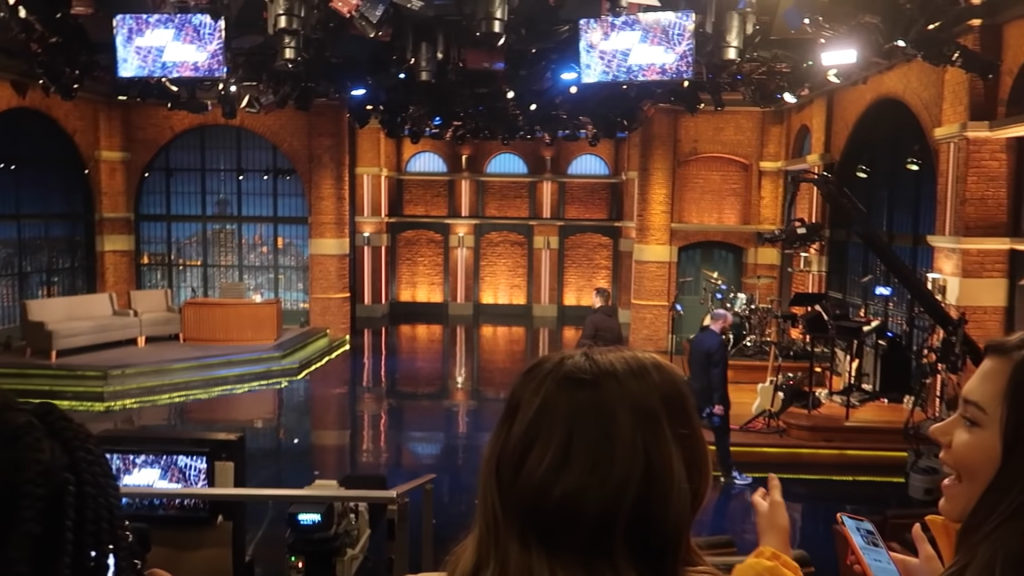
Late-night television has always sold spontaneity, but its backstage rules have tended to be far less casual than the couch suggested. A charming entrance, a funny story, and a host in a forgiving mood could make a career moment. A badly timed remark, a slight to the staff, or a rivalry taken personally could do the opposite.
Across decades of talk-show history, several celebrity fallouts point to the same pattern: invitations rarely disappeared over one thing alone. They often faded after a guest crossed an invisible line that hosts and producers treated as nonnegotiable.

1. Being rude to the production team
One of the fastest ways to lose favor in late night has had little to do with what happened on camera. Johnny Carson’s reported exclusions included figures accused of mistreating crew members, with Jerry Lewis mistreating a crew member cited among the reasons certain names were kept away. Steve Allen was also reportedly viewed as rude to staff. That kind of offense tended to matter because late-night shows run on routine, speed, and trust. A guest could survive an awkward joke more easily than a reputation for making the workplace miserable.

2. Canceling at the last minute
Few things disrupted the machinery of a nightly show like a no-show. Barbra Streisand was reportedly frozen out by Carson after canceling a 1975 appearance last-minute, and she did not return during his run. For a host, that kind of move was not just inconvenient. It threw off booking, publicity, and the rhythm of a program built to look effortless under pressure.

3. Ignoring unwritten rules
Some late-night errors were less dramatic and more mysterious, which often made them more enduring. William Shatner reportedly landed on Carson’s orbit of unwelcome guests after breaking “unwritten rules” tied to the show’s culture. That phrase captures a long-standing truth about talk shows: etiquette mattered even when nobody stated it plainly. Guests were expected to understand timing, deference, and how far to push the bit before it became a problem.

4. Turning difficult off-camera energy into a reputation
A single uncomfortable appearance could become an industry story. Barbra Streisand was also described in reporting around Carson’s ban lore as “difficult” to work with, showing how quickly a reputation could harden once a host decided the trouble outweighed the booking value. Late-night producers have always balanced celebrity draw against backstage friction. Once a guest became associated with hassle, the invitation could simply stop arriving.

5. Going off-script in a way that overshadowed the show
Adrien Brody’s 2003 Saturday Night Live hosting debut became memorable for the wrong reasons after he introduced Sean Paul wearing dreadlocks and speaking in a Jamaican accent. Brody later said he was never formally banned, but he was not invited back to host. The larger lesson was familiar across late-night formats: a surprise that leaves the production scrambling rarely reads as daring behind the scenes. It reads as risk.
6. Showing up intoxicated and damaging the set
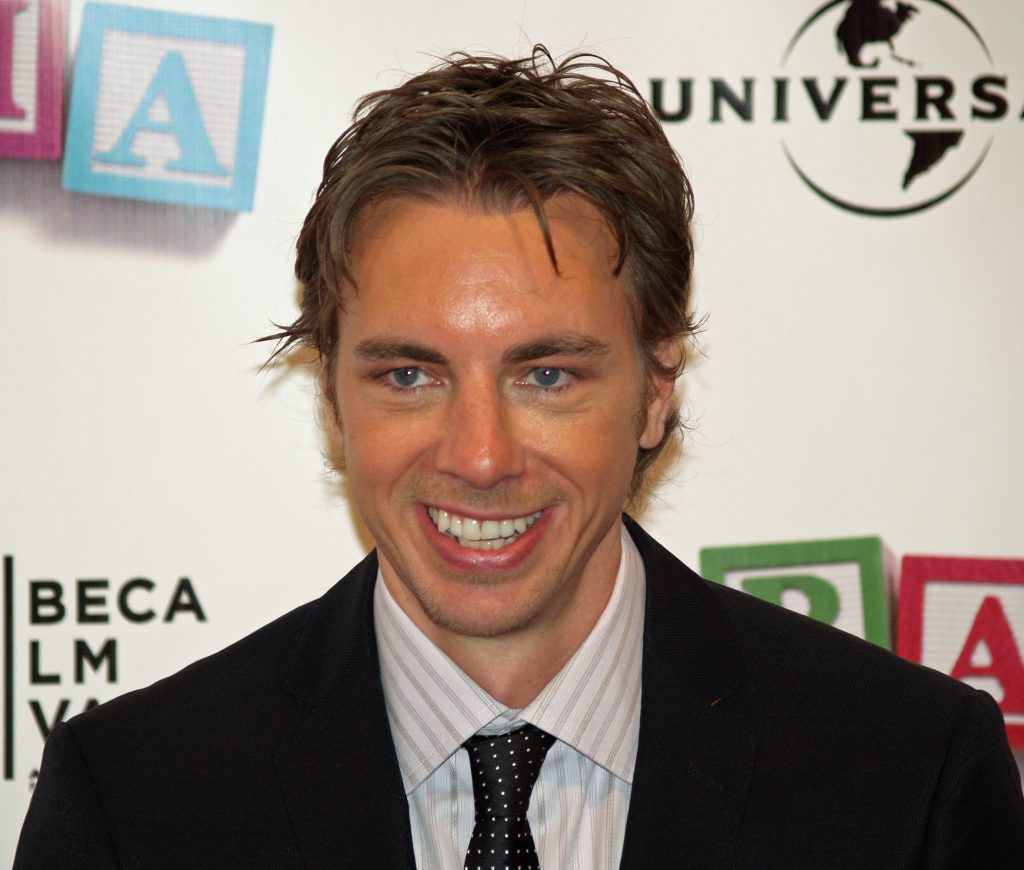
Dax Shepard has spoken openly about the appearance that cost him access to Late Night with Conan O’Brien for a period. He described a drunken visit in 2004 that included breaking a coffee table, later calling the ban a turning point in his sobriety journey. As he put it, “I was banned from that show for some years, until I got sober and I got myself back on it.” That story stands out because it was not framed as gossip afterward. It became a clear example of how late-night consequences could reflect personal instability as much as network discipline.

7. Publicly clashing with the host after the booking
Some invitations ended not with an explosive episode but with a feud that kept breathing afterward. Hugh Grant’s tense 2009 visit to The Daily Show lingered for years after Jon Stewart described him as his “least favourite guest” and “a big pain.” Grant later acknowledged the moment directly, writing, “Turns out my inner crab got the better of me with TV producer in 09. Unforgivable.” That kind of public acknowledgment revealed how small on-set friction could become part of a celebrity’s media history once the host decided to tell the story.
8. Starting a rivalry the host took personally
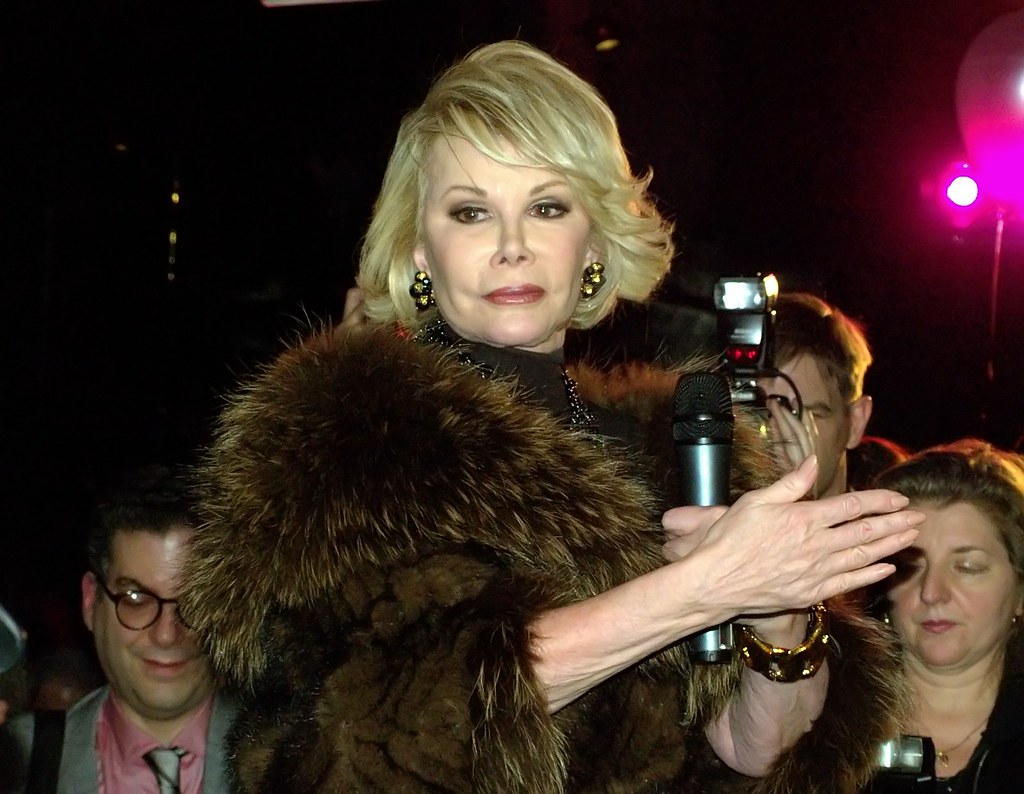
Joan Rivers’ break with Carson became one of late night’s enduring cautionary tales. After launching her own late-night show in 1986, she was seen as having crossed into direct competition with a host who prized loyalty. She did not return to The Tonight Show until long after Carson’s era ended. Howard Stern’s feud with Jay Leno reflected a different version of the same mistake. Once a relationship hardened into open hostility, booking a guest stopped being television and started being theater no producer wanted backstage.
9. Becoming a joke the host no longer wanted to hear
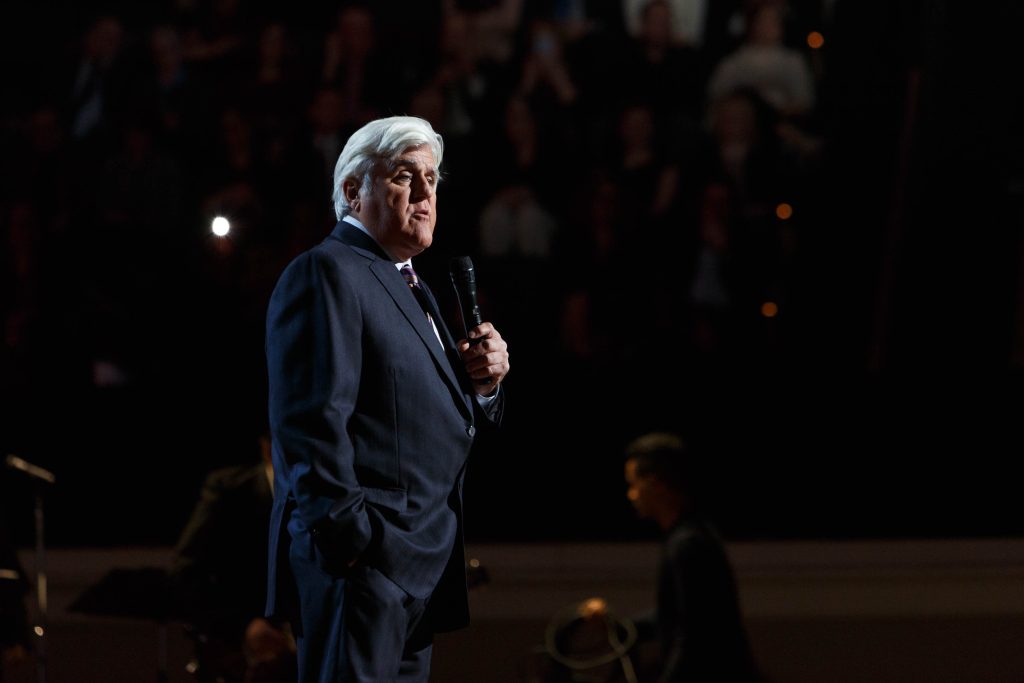
Not every late-night exile came from scandalous behavior. Some appeared to come down to irritation. Carson reportedly kept Jay Leno at a distance in certain periods because he didn’t like his jokes. Dana Carvey was also said to have fallen out of favor because Carson disliked his impression of him, while Ellen DeGeneres was mentioned in later reporting as someone sidelined over a joke Carson did not appreciate. That may be the most revealing pattern of all. In late night, humor opened the door, but the host still controlled the lock.
These stories suggest that late-night blacklisting was rarely about one category of mistake. The trouble could be personal, professional, performative, or simply tonal. What united the outcomes was the intimacy of the format: when the host felt undermined, embarrassed, or disrespected, the invitation often vanished quietly rather than dramatically. For viewers, that disappearance could look mysterious. Inside late night, it usually looked like memory.