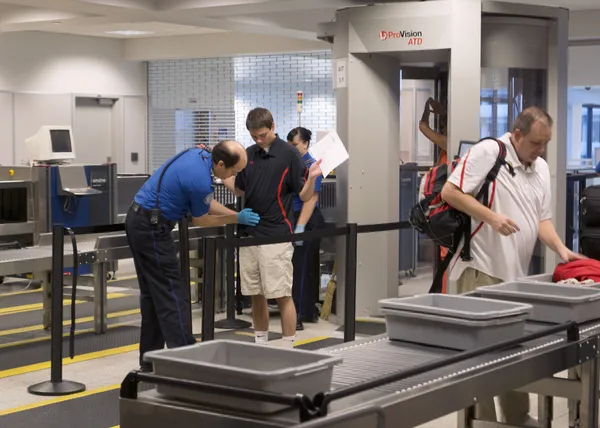
Most carry-on bag checks are not caused by dramatic mistakes. They start with ordinary packing habits that make a scanner pause, blur an image, or hide what officers need to see clearly.
That is why a bag filled with perfectly legal items can still end up on the inspection table. A few common habits tend to create the kinds of shapes, densities, and clutter that lead to extra screening.

1. Stuffing the bag until everything becomes one dense block
An overpacked carry-on is harder to read on an X-ray because objects press together and create one crowded image. Dense clusters of clothes, accessories, and personal items can obscure details, which often leads to a manual check.
Screening systems are designed to identify shapes and materials quickly. When a bag is packed so tightly that nothing is visually distinct, even harmless items can blend into a suspicious mass. Keeping some separation between categories of items makes the contents easier to clear.

2. Hiding the liquids bag under layers of clothing
The quart-sized bag of liquids is still one of the most common slowdowns in standard screening. Containers must be 3.4 ounces (100 milliliters) or less per item, and larger liquids belong in checked baggage.
When that bag is buried under sweaters, shoes, or snacks, travelers usually start digging at the belt, and officers may need to pause the process. Placing liquids near the top of the carry-on reduces handling and makes a secondary check less likely.
3. Forgetting that spreadable foods count like liquids
Peanut butter, hummus, jam, yogurt, salsa, and similar foods often surprise travelers. Security rules treat many of these as smearable or spreadable substances, which means the usual liquid limits apply in carry-on bags.
Large jars and tubs can trigger removal or inspection because they exceed the permitted size or appear dense on scans. Even when the item is food, it can still create enough uncertainty to get a bag pulled aside.
4. Burying laptops and large electronics in the middle of the bag
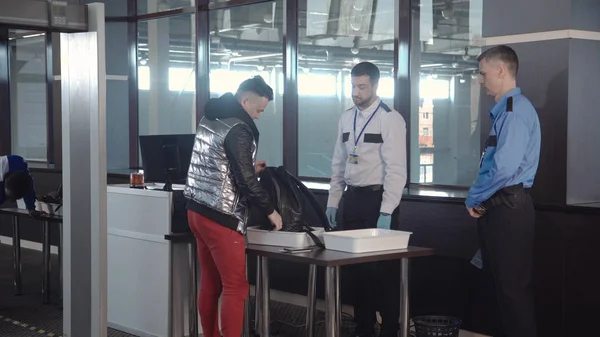
In standard screening lanes, electronics larger than a phone often need to be removed. That requirement exists in part because dense components can block clear X-ray views of what sits around them, as explained in older X-ray screening systems.
A laptop packed under clothing and toiletries can turn a routine checkpoint into a full bag unpacking session. Keeping larger electronics accessible helps officers see the device clearly and avoids a search caused by blocked visibility.
5. Tossing charging cables and gadgets into one tangled pile
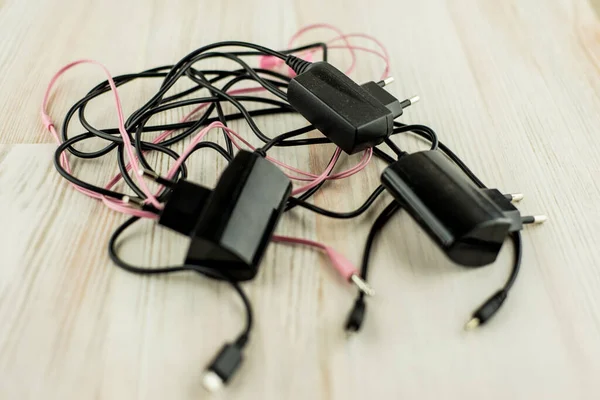
Loose cords, power banks, adapters, and small electronics can form what looks like a confusing knot on a scanner. Large clusters of wires are regularly associated with manual inspection because they make the image harder to interpret.
This habit becomes even more noticeable when the bag also contains batteries, hard drives, or multiple chargers. A small pouch for tech items keeps the contents visible and prevents the “tangled mass” effect that often slows screening.
6. Carrying large amounts of powder without separating it
Powdered items are allowed in many cases, but larger quantities can attract closer attention. According to the screening guidance summarized by Kiwi.com, powder-like substances over 12 ounces should be placed in a separate bin for X-ray screening.
Protein powder, coffee, baby powder, and spices can all lead to extra checks when packed deep inside a carry-on. Separating them does not change the rules, but it can reduce the chance that an officer needs to search the entire bag.
7. Packing dense food and organic materials in thick clusters
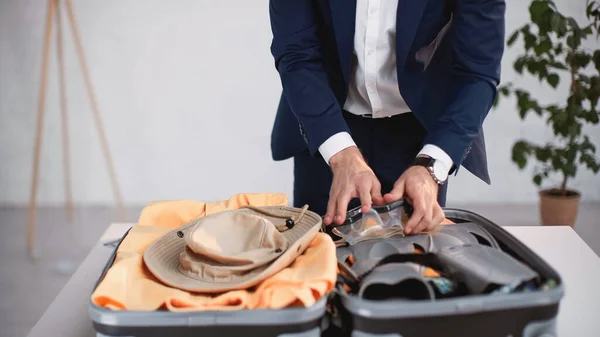
Some foods are perfectly permitted and still trigger attention because of their density. Large blocks of cheese, wrapped candy, chocolate, or stacks of snack bars can create compact images that scanners do not always resolve quickly.
The same issue can happen with thick stacks of paper or books. When a carry-on contains several dense, similar items grouped together, the bag may be opened simply so officers can confirm what they are seeing.
8. Wrapping gifts before the trip
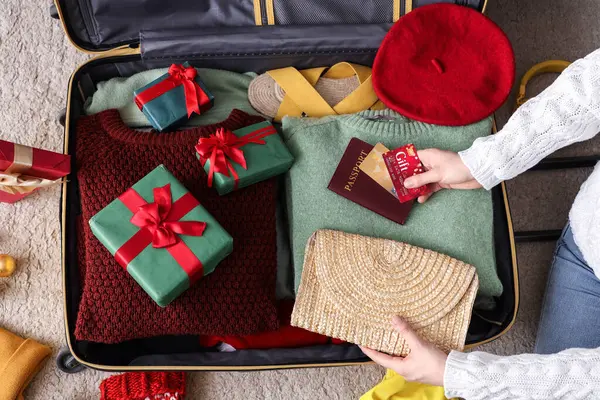
Wrapped packages are tidy for travel but inconvenient for screening. Officers need to identify what is inside, and decorative paper creates another layer between the scanner image and the actual object.
This often leads to gifts being opened at the checkpoint. Using gift bags or packing items unwrapped keeps the trip simpler and avoids turning a present into a screening problem.
9. Leaving small loose items to scatter through the bag
Keys, coins, lip balms, jewelry, and other tiny items may seem harmless, but they can create clutter across the scanner image. The issue is not one item by itself. It is the cumulative effect of many small objects spread through every pocket and corner.
TSA has also advised travelers not to place small items directly on the belt because they can slip between rollers. Keeping those items contained in a pouch or inside the carry-on makes the screening image cleaner and retrieval easier.
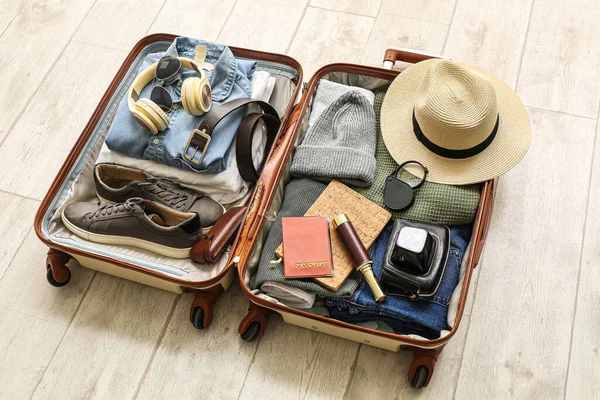
10. Packing unusual or bulky items where they cannot be identified quickly
Snow globes, microphones, hair tools, souvenirs, and specialized gear often need a second look because of their shape, material, or internal parts. These are not automatically prohibited, but they can be visually ambiguous on the screen. A carry-on is more likely to be checked when unusual items are packed beneath layers of everyday belongings. Placing them where they can be removed quickly reduces the need for a longer bag search.
The pattern behind many airport bag checks is simple: screeners respond to clutter, density, and blocked visibility. Travelers do not need prohibited items to trigger extra attention. They only need a bag that is difficult to read. A more organized carry-on usually moves faster because the contents are easier to identify. That quiet difference in packing habit is often what separates a routine screening from a bag check.